US Iran talks Hormuz stalemate: the two sides are not, at this point, arguing about whether the strait should reopen. They are arguing about what has to happen first — and that argument has now consumed three weeks.
Hormuz Stalemate / Tehran calls the US reply insufficient; Trump promises a decision 'very soon'
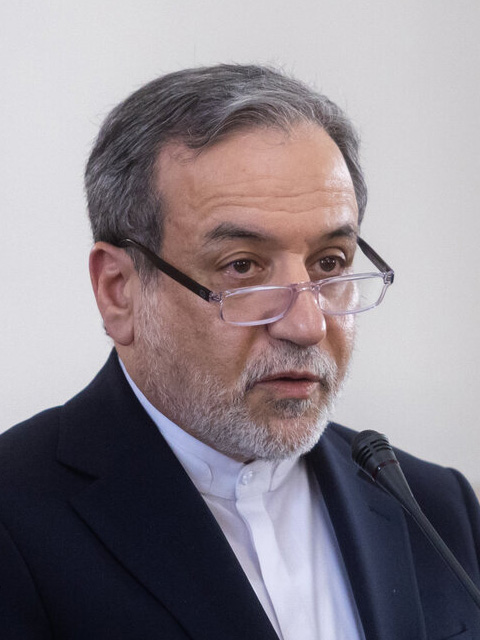
Iran is still reviewing the United States' response to its proposal for reopening the Strait of Hormuz and will reply through intermediaries when that review is finished, Foreign Ministry spokesman Esmaeil Baghaei said on Monday, October 12. The exchanges of messages between the two countries continue, he added, without elaborating. It was a holding statement — and it landed one day after Iran's security chief, Mohsen Rezaei, had already given the review a verdict in public: the American response, he said, was insufficient, and Iran would neither reopen the strait nor enter negotiations until its conditions are met.
The pressure is not only coming from Tehran. Speaking to reporters outside the White House on Tuesday, October 13, President Trump described Iran as a "failed country" with "300 percent inflation" that is "not paying their troops," and added: "We'll make a decision on Iran very soon." The same day, State Department spokesperson Tommy Pigott told Al Jazeera that the president still wants a diplomatic resolution to the conflict, while restating Washington's red line — that Iran must not acquire a nuclear weapon — and saying that oil shipments through the Strait of Hormuz have surpassed pre-conflict levels, excluding Iranian oil, which remains under the US blockade.
Track it live: live war tracker and conflict map
Between those two statements sits the whole diplomatic position in mid-October. The channel is alive — messages are moving through Qatar and Pakistan, the two principal mediators — but the substance is stuck, and it is stuck, on the Iranian account, not on the destination but on the order of the steps. This article sets out what the Seven-Day Plan actually proposes, what each side says it needs first, and what the next moves could be, with the military clock that reporting describes running underneath the diplomacy kept in its proper place: as a pressure on the talks, not a substitute for them.
The plan: seven days, in Tehran's order
Iran presented its proposal during the UN General Assembly in September, after the June interim ceasefire had crumbled and on-off strikes had resumed. The plan's promise is speed: the Strait of Hormuz returns to normal over seven days, with the waterway reopening on day six and negotiations resuming on day seven. Around that timetable sit Tehran's conditions — an end to the war on all fronts, the lifting of the US blockade on Iranian ports, and the release of frozen Iranian funds and assets. In Tehran's framing, as Reuters summarised the October 12 briefing, negotiations should initially focus on reopening the strait, which before the war carried about a fifth of global oil and liquefied natural gas trade, and on restoring security in the waterway.
The architecture is deliberate. A seven-day plan is a plan designed to be hard to refuse on practical grounds: it offers Washington the one thing it says it wants most — open water and falling oil prices — inside a week, and it puts the hardest subject, Iran's nuclear programme, into the negotiations that begin once the strait is already open. Whether that is a genuine sequence or a way of banking the concessions first is precisely what the two sides dispute.
The October paper trail: rejection, review, insufficient
The United States conveyed its response through Qatari intermediaries. Publicly, President Trump had already rejected the proposal on September 26 — and, in CNN-sourced reporting from that period, described it as unacceptable. On October 8, Foreign Minister Abbas Araghchi said Tehran was reviewing Washington's views and would respond within the next few days, a statement carried by Reuters via the Tasnim news agency and by Press TV, Iran's state broadcaster, the same day. Three days later, on October 11, Rezaei — secretary of Iran's Supreme National Security Council, quoted by state media — raised the temperature: Washington's response to Iran's seven conditions was insufficient; the Americans had accepted some conditions while others remained unclear; and the strait would not be opened, and no negotiations would take place, until the conditions were met. The White House did not immediately respond to a Reuters request for comment on his remarks.

Baghaei's October 12 statement then walked the position back to process: the review continues, the reply will come through intermediaries when it is complete, messages are still being exchanged. Read in sequence, the three statements are not contradictory so much as layered — a foreign minister keeping a deadline soft, a security chief stating the hard line for the record, and a spokesman confirming that nothing has actually been closed. That is what a stalemate looks like from inside an indirect negotiation: nobody leaves, and nothing moves.
The dispute is sequencing, not destination
The central disagreement, as both sides' statements describe it, is about order. Washington insists that Iran's nuclear programme be addressed from the outset. In the CNN-sourced account of the American position, Trump is willing to offer sanctions relief and the release of frozen funds only in exchange for concrete progress on the nuclear issue — while Trump himself has publicly disputed that any concessions were offered at all, insisting he offered Tehran nothing. Tehran's position runs the sequence the other way: Hormuz first — reopening, maritime security, the blockade, the frozen assets — with the wider files, nuclear included, taken up in the negotiations that the plan schedules for day seven.
Each side's sequencing demand is a trust demand in disguise. Washington's fear is a familiar one in arms diplomacy: concede the economic relief up front and the leverage to compel nuclear concessions evaporates, leaving the strait open but the programme untouched. Tehran's fear is the mirror image: put the nuclear file first and the talks become an open-ended process in which the blockade, the frozen funds and the closed strait — the pressures Iran wants lifted — remain in place indefinitely as the price of admission. Underneath both sits the enrichment question, on which Tehran's public position has not softened: Mohammad Eslami, head of the Atomic Energy Organization of Iran, has vowed that Iran will not give up its right to uranium enrichment. A negotiation whose first item is the other side's red line does not start; that, in one sentence, is the October stalemate.
What the mediators can — and cannot — deliver
Every message in this exchange has travelled indirectly, principally through Qatar and Pakistan. Intermediation has real strengths: it lets both governments explore wording without the domestic cost of being seen to sit with the enemy, it allows proposals to be tested and withdrawn quietly, and Qatar in particular has the relationships and the discretion such channels need. Its limits are equally real. Mediators can carry paper; they cannot concede anything on either side's behalf, they cannot verify intentions, and every round trip through an intermediary stretches a negotiation that Tehran's own plan imagined taking seven days into one now measured in weeks.
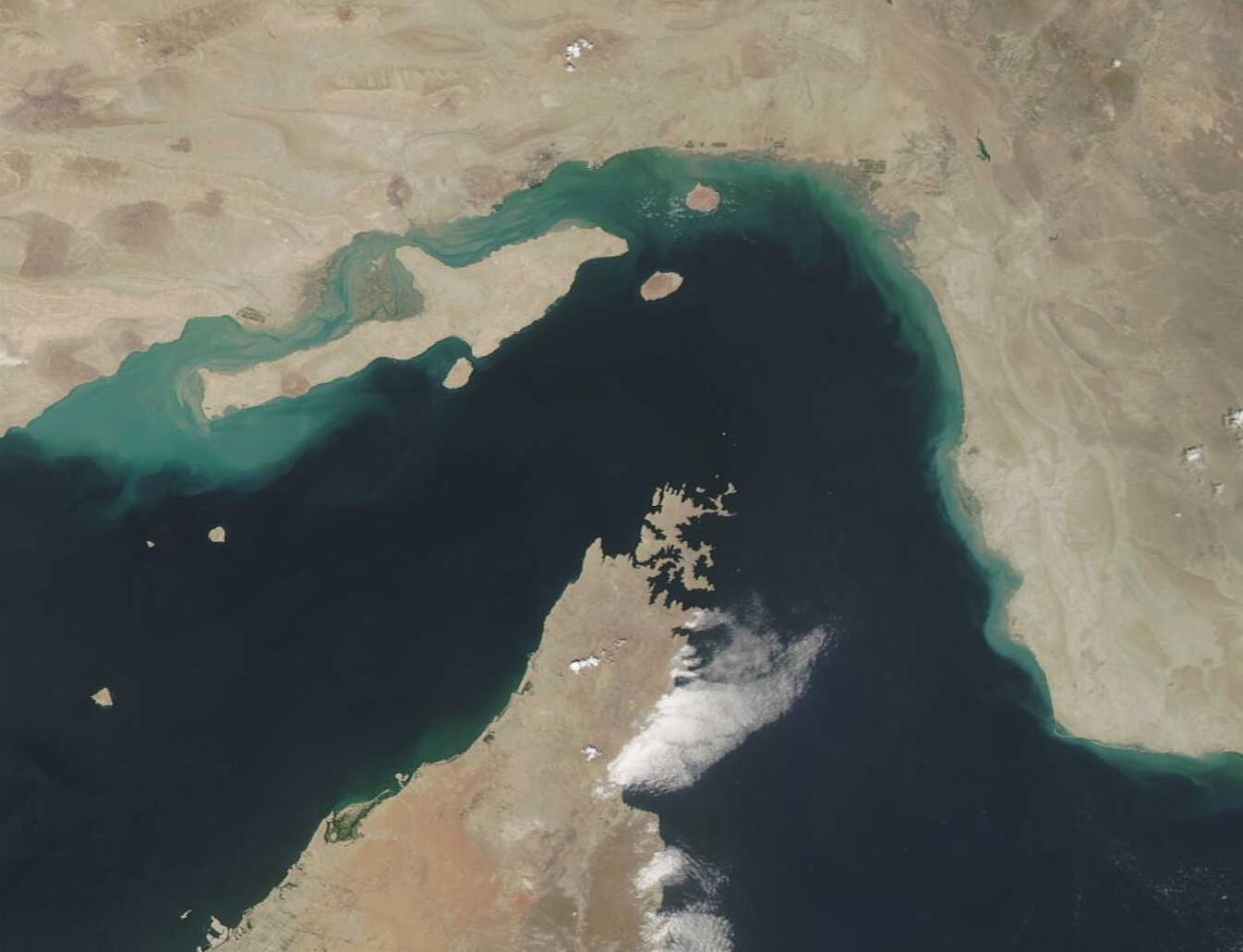
The mediators also cannot settle the question the whole exchange turns on, because it is not a drafting question. No communiqué language can disguise, for long, whether the nuclear file opens the negotiation or follows the reopening. At some point one capital has to accept the other's order, or both have to accept a fudge — parallel tracks, a simultaneous first step — of the kind that usually requires the face-to-face round neither side has yet agreed to hold.
The background: a war, a crumbled ceasefire, a military clock
The talks exist because the war does. The conflict began with US and Israeli strikes on Iran on February 28; a June interim ceasefire crumbled, on-off strikes resumed, and the September proposal was Tehran's attempt to resurrect a framework before the autumn. Running beneath the diplomacy is a military track that reporting has kept visible: Axios has reported that the Pentagon has been instructed to prepare for possible resumed major combat operations — a story this site covered on October 7 in its report on CENTCOM preparations. Axios has also reported that Israeli Prime Minister Benjamin Netanyahu urged the president to launch a new offensive against Iran before the elections — a report Netanyahu's office denied and a White House official disputed, restating Trump's position against attacking before the midterms. In the same reporting, a US official summed up the diplomacy in terms neither capital would use in public: the negotiations are "not really dead, but not really alive," with Washington "piling on the pressure" while it waits for Tehran's answer. That reporting is attributed here as reporting, and it should be weighed alongside, not instead of, the diplomatic record of the same weeks: the messages have kept moving, neither side has declared the channel dead, and the same administration preparing options is the one whose response Tehran is reviewing.
The calendar presses on both. For Washington, November 3 — the midterm elections — is three weeks away, with oil prices carrying a war premium that an open strait would deflate; a reopening before the vote is worth more, politically, than the same reopening after it. For Tehran, the blockade and the frozen assets are costs that accumulate daily, but so is the leverage: a closed strait in an American election season is the strongest card Iran holds, and the Seven-Day Plan is an attempt to sell that card at its peak value rather than surrender it in a nuclear-first process. Both sides, in other words, have reasons to deal and reasons to wait — which is why the stalemate has the stable, managed quality the October statements give it.
What happens next
The immediate next step is the one Baghaei described: Tehran finishes its review and sends a reply through the intermediaries. Its content will show whether Rezaei's insufficient was a negotiating marker — a demand for clarification of the points he called unclear — or a settled position. Beyond the reply, three possibilities structure the weeks ahead. A fudge on sequencing, most plausibly parallel tracks in which a Hormuz reopening timetable and a nuclear discussion begin together, is the only route that lets both capitals claim their order was respected. A face-to-face round, even a technical one, would signal that both sides have decided the indirect channel has carried the process as far as it can. And failure — a reply that restates conditions Washington has already declined, met by silence — leaves the military preparations and the shipping campaign in the strait as the active policies, with the plan joining the June ceasefire in the file of frameworks that almost held.
For now, the honest summary is the spokesman's: the review is not over, the messages continue, and the strait stays as it is. A plan built to take seven days has taken three weeks to reach an exchange of position papers. Whether that is the normal friction of indirect diplomacy or the shape of a process designed by both sides to be seen trying — without yet paying the price of agreement — is the question Tehran's reply will begin to answer.
Related coverage: Iran's Seven-Day Hormuz plan: what Araghchi proposed in September · Iran receives the US Hormuz counterproposal, September 30 · US military prepares for possible resumed Iran strikes, October 7
Sources: Reuters (Oct 12), Reuters (Oct 11), Reuters via DevDiscourse (Oct 8), Press TV (Iranian state media) (Oct 8), C-SPAN (Oct 13), Al Jazeera (Oct 13), Axios (Oct 13).