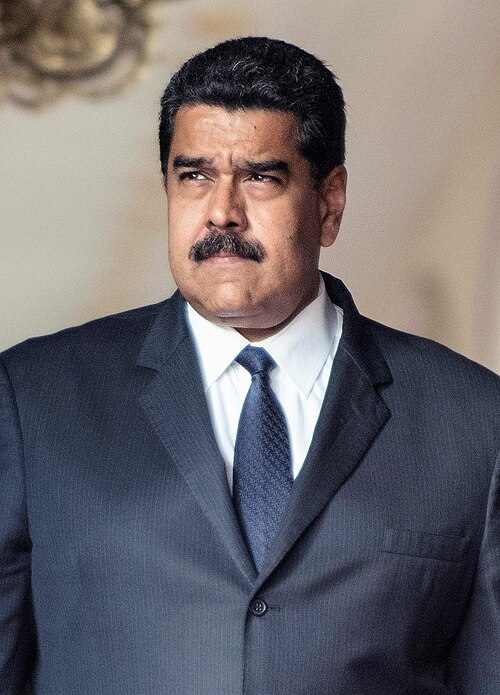
The expected allegations concern what Washington has described as the wrongful detention of more than a dozen Americans in Venezuelan prisons during Maduro's rule. Investigators have also discussed charging additional people, although no final public list has been announced. The distinction is essential: prosecutors may be preparing a case, but the allegations remain unfiled and unproven.
Maduro and Flores were captured in a U.S. military raid in Caracas on January 3, 2026, and taken to New York. Both pleaded not guilty to narcoterrorism conspiracy and other charges, remain held without bail and are scheduled for trial on June 1, 2027. The contemplated torture counts would expand the case from an alleged transnational drug-and-terror enterprise into a direct account of harm inflicted on Americans.
Why the expected charges change the case
Prosecutors would move from narcoterrorism to personal accounts of alleged abuse
Narcoterrorism is grave, but it can feel abstract to jurors: networks, shipments, money, policy and command responsibility. Allegations that identifiable detainees were beaten, threatened or tortured are different. They give prosecutors victims, places and chronology. They also create a moral narrative that may be easier to understand than the architecture of a long-running conspiracy.
That does not automatically make the legal case stronger. Prosecutors would still need admissible evidence linking Maduro or Flores to the alleged conduct, not merely proving that abuse occurred somewhere inside the state they led. Command authority, knowledge, orders and intent will matter. The defense will argue that prosecutors are piling on charges after an unprecedented capture.
The broader significance is accountability. The United States has long accused Maduro's government of detaining Americans as leverage for sanctions relief and prisoner exchanges. Turning that accusation into a criminal count would put the detention policy itself at the center of the federal trial.
From Caracas raid to Manhattan courtroom
Nicolas Maduro captured January 2026—and the legality fight never ended
The January 3 raid gave prosecutors physical custody, but it also handed the defense a threshold challenge. Maduro's lawyer is contesting the legality of the arrest and arguing that conduct undertaken while he was president is protected by immunity. CNN reported that the current Venezuelan government is not asserting immunity on his behalf.
That absence matters politically and legally. It denies Maduro the institutional backing of the state he once led, now headed by former vice president Delcy Rodríguez. Yet immunity is not solely a favor that a successor government grants or withholds; courts must still decide how U.S. law treats a former foreign leader, official conduct and a capture carried out abroad.
The capture doctrine has often made the manner in which a defendant reaches court separate from the court's power to try him. Maduro's defense will press against that principle, arguing that a military extraction of a head of state cannot be treated like an ordinary overseas arrest. New torture allegations would intensify that dispute because they make conduct while in office—not only alleged private criminal enterprise—more central to the prosecution.
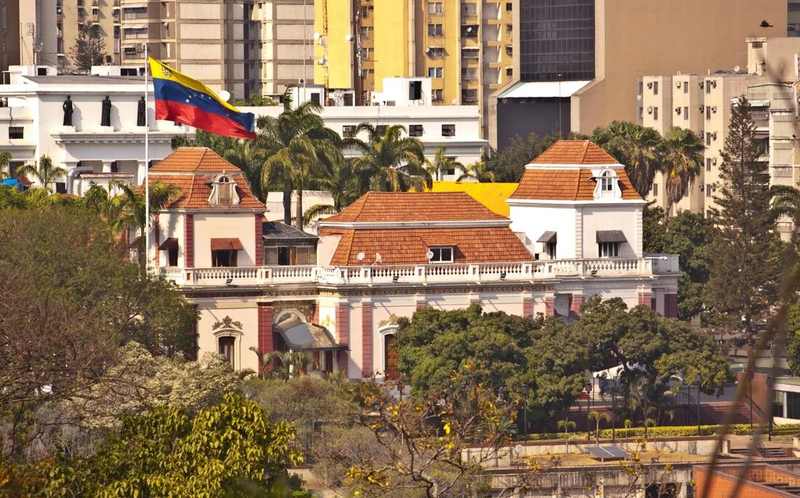
The detention system behind the allegations
Wrongfully detained Americans Venezuela used in high-stakes swaps
The Americans at the center of the history include five oil executives arrested on corruption allegations and later freed in 2022 in exchange for two nephews of Flores who had been convicted in the United States of drug trafficking. The executives were part of the group often called the Citgo 6; one member had previously been released.
Two former U.S. Army Special Forces members were detained after a failed 2020 raid and freed in 2023 in another prisoner swap. Those exchanges produced immediate humanitarian relief for detainees and their families. They also reinforced Washington's charge that Caracas treated Americans as bargaining chips.
Facilities such as El Helicoide and the military counterintelligence headquarters have featured in years of U.S. government and human-rights reporting about abuse, coercive interrogation and political imprisonment. The expected indictment will need to be far more specific than that documented pattern. A country record can supply context; it cannot substitute for proof of who ordered, knew about or participated in the alleged torture of particular Americans.
Cilia Flores's Thursday hearing is the first checkpoint
Cilia Flores house arrest hearing may become the stage for new charges
Flores has a court hearing Thursday at which her lawyer is expected to ask that she be moved to house arrest. The U.S. Attorney is expected to speak after the hearing, according to Fox News reporting cited by the Washington Examiner. That sequence explains why officials believe the charging announcement could arrive the same day.
A house-arrest request forces the court to weigh flight risk, security and detention conditions. Expected new allegations could make release harder by increasing both the seriousness of the case and the potential sentence. The defense will likely argue that Flores can be securely monitored and should not be punished before trial. Prosecutors will emphasize the extraordinary circumstances of her capture and the international resources once available to the couple.
Until the charges are filed, however, neither side can litigate their exact elements. The indictment's language will show whether prosecutors allege direct participation, conspiracy, command responsibility or assistance after the fact—and whether additional defendants are named.

Who gains—and who faces new risk
Manhattan prosecutors gain a moral case; the defense gains an immunity battlefield
For prosecutors, alleged torture gives the case a direct human center. Witness testimony about detention and abuse may explain to a jury why the United States treated Maduro as more than a foreign political adversary. It also answers critics who see the prosecution as a drug case inflated by geopolitics.
For the defense, the same move opens a sharper claim that the Justice Department is criminalizing sovereign acts and adding counts to justify a disputed military capture. Lawyers can challenge witness reliability, the chain of command and whether plea negotiations or compensation affect testimony. They can also argue that the prosecution is using the emotional force of torture allegations to obscure jurisdictional problems.
For former detainees, charges offer a route to public accountability that prisoner swaps could not provide. But a criminal trial also exposes them to cross-examination and renewed scrutiny of traumatic experiences. Justice and leverage are intertwined here: the same detention cases that enabled diplomacy may now anchor prosecution.
The Venezuela policy dilemma
Delcy Rodriguez cooperation tests leverage against justice
Venezuela is now led by former vice president Delcy Rodríguez, who has increased cooperation with the Trump administration. That relationship creates a difficult calculus. Washington may want intelligence, migration coordination, energy stability and continued cooperation from Caracas. A widening prosecution of the old leadership could help Rodríguez distance her government from Maduro—or make her fear that cooperation only enables further U.S. legal reach.
The swaps also carry a policy lesson. Negotiating freed Americans, but critics say exchanges encouraged more detentions by proving that prisoners could obtain valuable concessions. Prosecution tries to change that incentive by attaching personal criminal exposure to the practice. Whether it deters future arrests depends on the credibility and consistency of enforcement, not one dramatic case.
Rodríguez's government is therefore both beneficiary and potential loser. Maduro's removal gives it space to normalize relations; evidence from Venezuelan institutions could strengthen that path. Yet overt cooperation in prosecuting a former president may deepen domestic accusations that the new government depends on Washington.
What happens next
Maduro new charges Thursday could reshape the June 2027 trial
The first question is simple: are charges filed Thursday, and against whom? Prosecutors must then disclose enough evidence for the defense to prepare, while courts resolve classification, witness protection and the use of material obtained during or after the Caracas raid.
The new counts could complicate the June 1, 2027 trial date. Additional witnesses, foreign records and detention-site evidence may require more discovery and more pretrial litigation. Judges must decide whether all allegations can be tried together without unfair prejudice or whether parts of the case should be separated.
Watch Flores's house-arrest ruling, the exact theory of responsibility, Maduro's immunity motion and any response from Rodríguez. Most important, keep the tense accurate: the charges are expected, not filed. That may change within hours; until it does, the distinction separates responsible reporting from a verdict announced in advance.
Sources and reporting notes
- CNN: prosecutors expected to bring new torture-related charges
- Reuters via SuperHits 97.9: U.S. official describes expected charges
- Washington Examiner: Flores hearing and expected prosecutor statement
- Newsmax: case timeline and detention allegations
Reporting note: the new torture-related charges were expected as of publication and had not yet been filed. Maduro and Flores have pleaded not guilty to the existing charges; all new allegations must be tested in court.