World / Politics — A single line at a Georgia campaign rally — Libya named among “terror-infested countries” — produced a formal diplomatic protest from Tripoli within a day, a rare joint denunciation from Libya’s rival governments, and, by Sunday night, a carefully worded reply from President Donald Trump himself: praise for the Libyan people, a defense of the counterterrorism partnership, and a warning that Libya “cannot remain a corridor for illegal migration.”
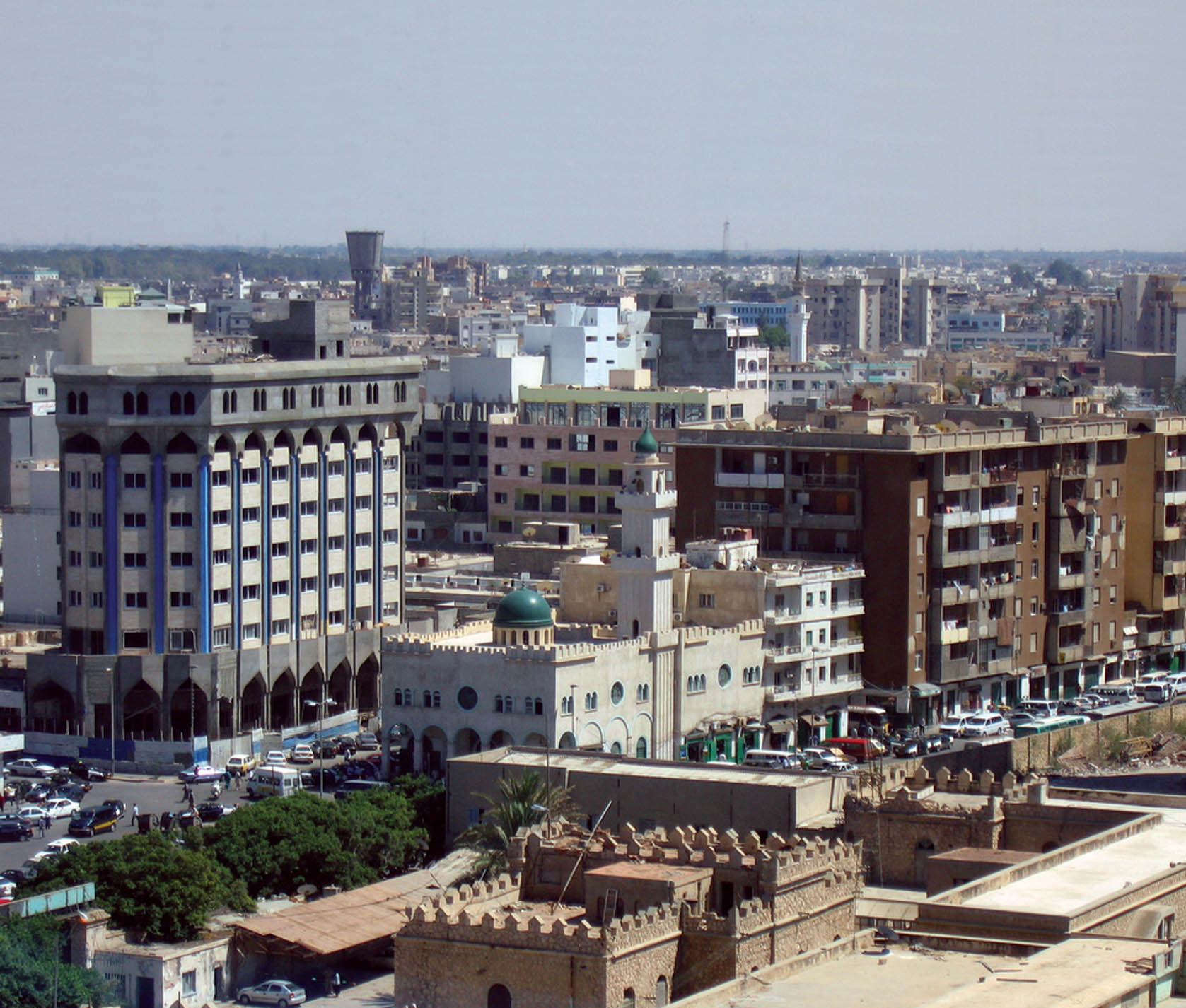
TRIPOLI — Libya summons US envoy: that was the formal step Libya’s foreign ministry took on Sunday, October 25, calling in the U.S. chargé d’affaires to protest rally statements by President Donald Trump that the ministry described as “offensive,” after Trump described Libya as “terror-infested” at a campaign rally in Georgia a day earlier, Reuters reported. The ministry said it rejected any statements that “undermine the dignity of its people or diminish their standing,” and Libya’s rival administrations in the east and west both denounced the remarks — a rare show of unity in a country split between competing governments for more than a decade.
Track it live: Live Global Trackers — Africa Wars
By Sunday night, Trump had answered in his own venue. In a Truth Social post, the president praised “the Libyan people” as “proud, resilient, hospitable, and deserving of peace and prosperity,” invoked the two countries’ shared fight against ISIS, and repeated the substantive demand underneath the rally line: that Libya “cannot remain a corridor for illegal migration, and this must end now.” The post did not retract the “terror-infested” phrase, and it did not apologize for it. What began as an attack line aimed at a Democratic senator in Georgia had, in roughly 24 hours, become a diplomatic incident with a North African state whose cooperation Washington needs.
What happened in Perry
The remark came on Saturday, October 24, at a rally in Perry, Georgia, where Trump was campaigning ahead of the November 3 midterm elections. His target was not Libya but Senator Jon Ossoff, the Georgia Democrat whose re-election race is one of the most closely watched Senate contests in the country. As quoted by Reuters, Trump told the crowd: “(US Senator) Jon Ossoff personally sponsored a bill to bring armies of migrants from terror-infested countries like Libya, Yemen, Haiti, Somalia. Remember what I called them? Shithouse countries.”
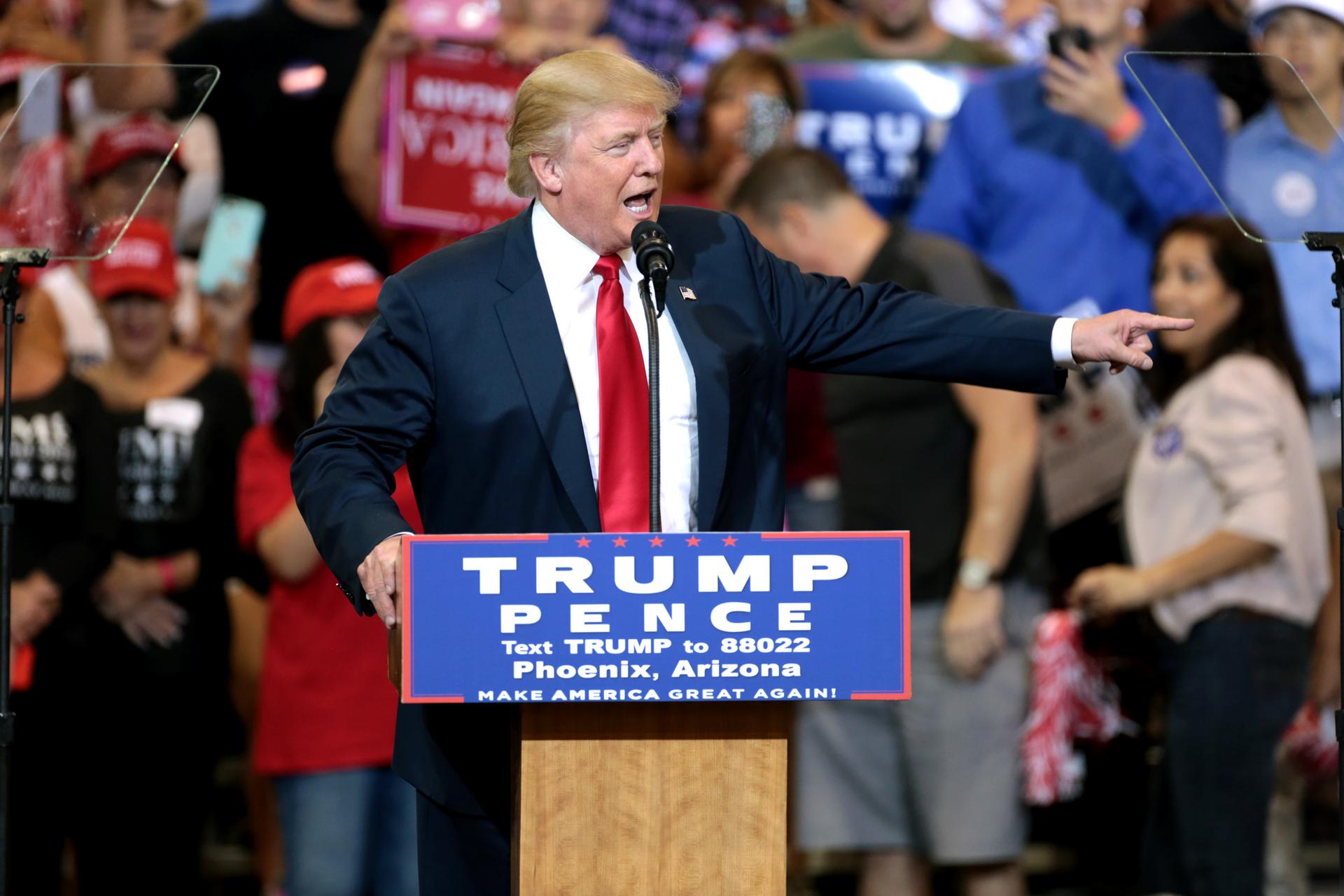
The closing line was a deliberate callback. In January 2018, during an Oval Office meeting in his first term, Trump was reported to have asked why the United States accepted immigrants from “shithole countries” — a remark he denied at the time, then publicly confirmed in December 2025 that he had used. In Perry, he was campaigning on that history, folding Libya, Yemen, Haiti and Somalia into a single attack on an opponent’s immigration record, nine days before voters decide control of Congress.
The Perry stop is one piece of a closing-stretch rally circuit that has kept Trump on the road almost daily — the same circuit covered in our reporting on the president’s Port Huron rally with Nicki Minaj in Michigan’s Senate race and on Trump’s midterm rallies and the economic pitch at their center. The Perry line was the other half of the closing argument — and this weekend, it carried a diplomatic price tag.
Tripoli answers — a rare united front
Libya’s response came on Sunday, and it came from both halves of a divided country. According to Reuters, reporting by Menna Alaa El-Din and Ahmed Elumami, the foreign ministry in Tripoli summoned the U.S. chargé d’affaires — the senior American diplomat in Libya, since the United States has no confirmed ambassador in Tripoli — and delivered a formal protest against statements it described as “offensive.” The ministry said it rejected any statements that “undermine the dignity of its people or diminish their standing.”
What made the protest unusual was who else joined it. Libya’s rival administrations — the internationally recognized government in Tripoli and the authorities aligned with the eastern power structure — both denounced the remarks, rejecting attempts to draw Libya into what they called “electoral debates.” The two camps agree on very little: they have fought wars against each other and spent years disputing who legitimately governs Libya. On this, they spoke with one voice: Libya is not a prop in an American Senate race.
A summons is a calibrated instrument: stronger than a critical statement, weaker than expelling a diplomat. It puts the sending state on formal notice, creates a diplomatic record, and signals to domestic audiences that the government has defended national dignity through official channels. Tripoli used it within a day of the rally.
Trump’s Sunday-night reply
Trump’s answer, posted to Truth Social on Sunday night and carried verbatim by the ANI wire, was notably more measured than the rally line that prompted it:
“The Libyan people are proud, resilient, hospitable, and deserving of peace and prosperity. The United States and Libya share a strong and enduring partnership in combating terrorism, building on our historic success in defeating ISIS in Libya together. We respect the Libyan people and the sacrifices that brave Libyans made fighting ISIS, the common enemy of both our peoples, but Libya cannot remain a corridor for illegal migration, and this must end now.”
The president added that the United States remains committed to strengthening the bilateral relationship, to supporting “the long-awaited unification of Libya and Libya’s institutions” and “successful national elections,” and he said Libyans have “been victims of terrorism and foreign meddling for years” who should “unite, take back their sovereignty.”
Read closely, the post does three things at once. It flatters the Libyan public in terms close to the language of the protest itself — dignity, pride, sacrifice. It endorses, in principle, the two goals every Libyan faction claims to want: unification and elections. And it holds the line on the one demand Washington actually brought to the exchange: migration. Nothing in it concedes that the Perry remark was wrong. What it concedes, implicitly, is that the remark had a cost.
Why this matters
The speed of the episode is the first thing to notice. A sentence spoken at a Saturday rally in Perry, Georgia, was a formal diplomatic protest in Tripoli by Sunday and a presidential statement by Sunday night. Campaign rhetoric now travels at the speed of the clip, and the distance between a domestic attack line and an international incident has effectively collapsed to zero.
The second point is the unity of the response. Libya’s rival governments could not agree on a budget, an election law or control of the central bank; they agreed instantly that being called “terror-infested” in an American campaign speech was unacceptable. Shared insult accomplished what years of UN mediation could not — a common Libyan position, at least rhetorically, and a common grievance to negotiate from.
Third, underneath the insult sits a substantive file neither side can walk away from. Libya is the principal departure point for the Central Mediterranean migration route to Europe, and Washington’s ask — cooperation in stopping departures — runs through the same Libyan authorities who issued the protest. The United States also works with Libyan partners on counterterrorism, the file Trump’s post emphasized, and Libya remains a significant oil producer whose output matters to global markets. Libya’s stated position is equally clear: it rejects being used as material in American “electoral debates,” and regards the dignity of its people as non-negotiable. Both positions can be true at once. And the calendar sharpens everything: the exchange lands nine days before the November 3 midterms, with Ossoff’s Georgia Senate race a top battleground and migration a central Republican argument — so the Perry line’s afterlife will now be part of the same race it was written for.
The backdrop: an old phrase, a divided country and the Mediterranean numbers
The Perry remark drew its power from a phrase with a long paper trail. The original comment dates to a January 2018 Oval Office meeting in Trump’s first term; he denied the wording then, and the phrase nonetheless entered the political vocabulary. In December 2025, Trump publicly confirmed he had used it — converting a once-denied quotation into an owned slogan, deployable in Perry as a punchline the crowd was expected to recognize: “Remember what I called them?”
Libya’s sensitivity has its own history. The country has been divided between rival eastern and western administrations since the aftermath of the 2011 NATO-backed uprising that toppled Muammar Gaddafi, and national elections meant to reunify it have been repeatedly postponed since they were first scheduled for December 2021. The fear of a permanent split runs through Libyan politics — the same fear Signal Post News documented when a Sudanese leader’s adviser warned that a U.S. ceasefire plan risked a Libya-style partition of Sudan, with Libya held up as the cautionary example of a country frozen in two. When Trump’s post endorsed “the long-awaited unification of Libya,” it was aimed at exactly that wound.
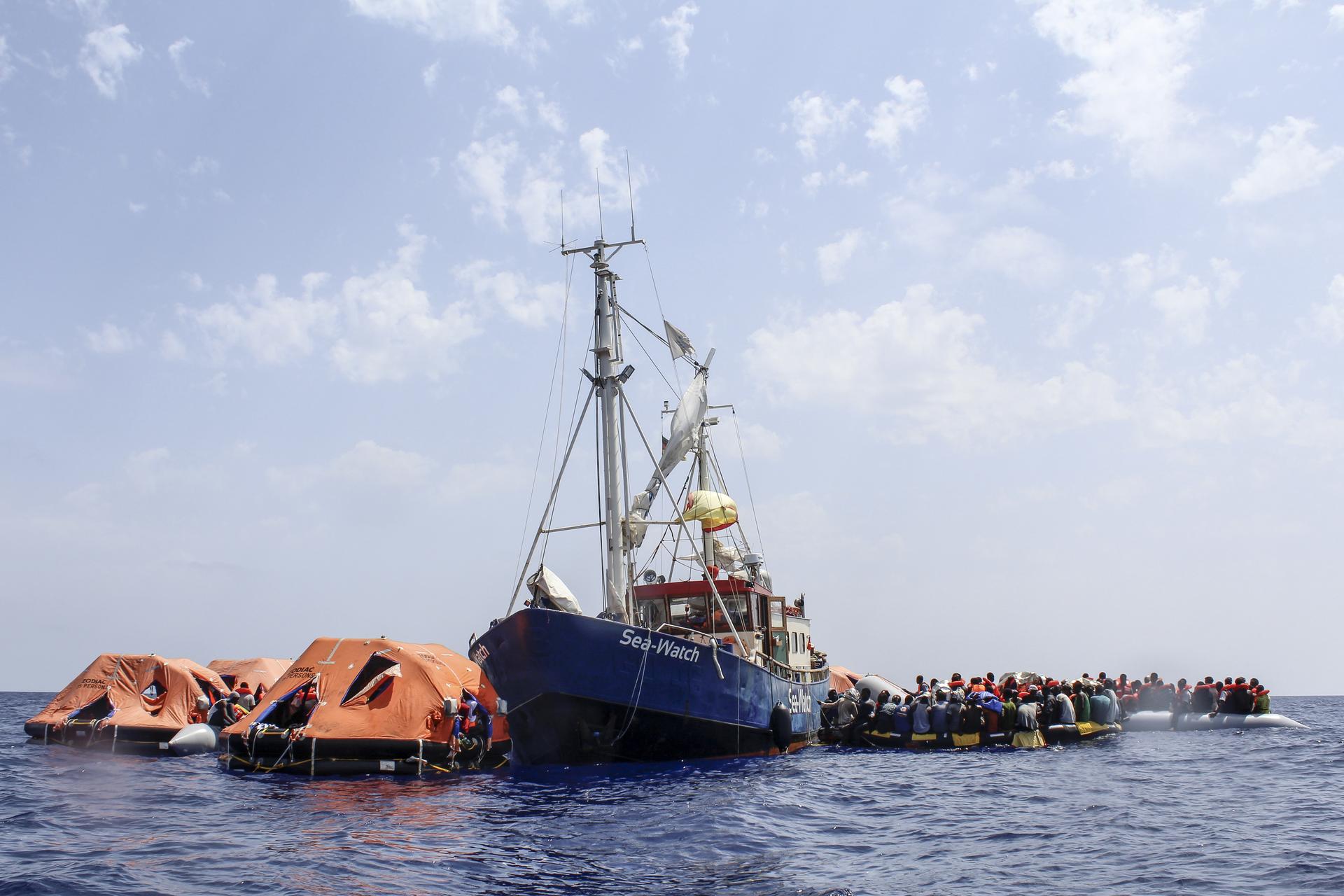
The migration numbers explain why Libya, of the four countries Trump named, is where the rhetoric meets an operational relationship. About 24,800 people reached Europe from Libya and Tunisia in the first half of 2026, according to UNHCR and Alarm Phone figures. The International Organization for Migration (IOM) reported about 60,000 sea arrivals to Europe in 2026, down from about 98,000 at the same point last year — a fall of roughly 39 percent — even as the route grew deadlier, with at least 2,292 people dead or missing, Reuters reported in September. Libya itself hosted about 936,000 migrants and refugees as of February 2026, according to the IOM: the country Washington is asking to seal a corridor is also holding nearly a million displaced people of its own.
What happens next
Four questions will decide whether this episode closes or compounds. The first is whether Washington offers anything beyond the Truth Social post — a State Department statement or a readout of the chargé d’affaires’ meeting — that Tripoli can present domestically as a resolution. The second is whether Libya’s two governments press further for an explicit apology, or bank the protest and the presidential tribute as sufficient.
The third is in Georgia: whether the Ossoff attack line, now internationally famous, helps or hurts in a Senate race fought over a narrow band of persuadable voters. The fourth is in Europe: EU governments, which fund and equip Libyan efforts to intercept departures, will be watching whether American rhetoric makes Libyan cooperation on migration easier or harder to sustain.
For now, the record stands as follows. A president called Libya “terror-infested” at a campaign rally; Libya summoned his envoy and both of its rival governments objected in the language of dignity; and the president replied, in writing, that Libyans are “proud, resilient, hospitable” — and that the migration corridor “must end now.” All three are now part of the U.S.–Libya relationship, nine days before an election.
Sources
- Reuters, Oct 26 2026 (reporting by Menna Alaa El-Din and Ahmed Elumami): Libya summons the U.S. chargé d’affaires to protest Trump’s “offensive” rally statements; the foreign ministry rejects statements that “undermine the dignity of its people”; rival eastern and western administrations denounce the remarks. https://www.reuters.com/world/us/libya-summons-us-envoy-protest-trump-remarks-2026-10-26/
- ANI, via Devdiscourse, Oct 26 2026: Trump’s Truth Social statement carried verbatim — “Libya cannot remain a corridor for illegal migration, and this must end now”; U.S. support for Libya’s unification and national elections. https://www.devdiscourse.com/article/international/3997070-libya-cannot-remain-a-corridor-for-illegal-migration-trump
- Reuters, Sep 17 2026: IOM figures — migrant sea crossings fall about 39 percent to roughly 60,000 in 2026 while deaths rise to at least 2,292 dead or missing on the Mediterranean routes. https://www.reuters.com/world/europe-migrant-sea-crossings-fall-become-more-deadly-iom-says-2026-09-17/