Politics / Washington — The story of Trump midterm campaign rallies economy messaging in the final stretch is a gap between record markets the president cites and the gas and grocery prices voters say they still feel.
Track it live: Live Markets tracker

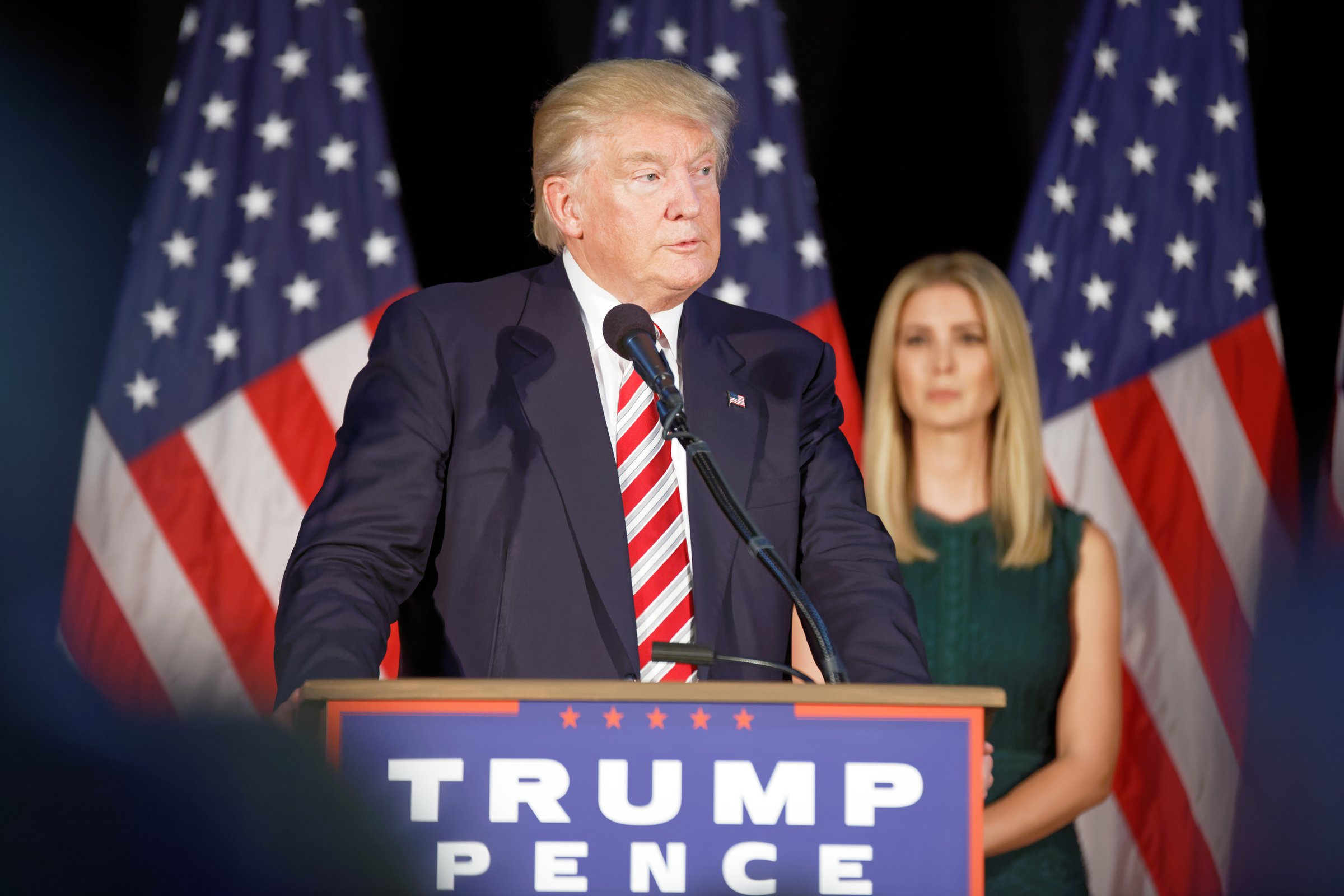
The defining tension of Trump midterm campaign rallies economy messaging is easy to hear if you stand in two places at once. Inside the arena, President Donald Trump delivers speeches of about 90 minutes defending his economic record, celebrating crowd sizes, pointing to record stock-market highs and mocking protesters outside. Outside, some of the same voters who came to support him describe an economy that still costs too much to live in. Reuters reported on October 24, in a "five takeaways" account of the president's near-daily rally blitz, that the two experiences now sit side by side with the November 3 midterms approaching and Republicans fighting to keep control of Congress.
Trump has been candid about the communications problem. In early October he admitted he had done a "bad job" explaining his economic record. The rallies are his remedy: long, unscripted-feeling performances in mostly Republican-friendly areas, where the president can make the case directly, dominate local news coverage and fire up supporters whose turnout may decide close House and Senate races. The question Reuters placed at the centre of its October 24 reporting is whether a better explanation can overcome what voters encounter at the pump and the checkout.
Takeaway one: the pitch is built on real headline numbers
The president's case is not invented from nothing. He points to a record-low poverty rate, low unemployment, record highs in the stock market and cheaper prices for some foods. Those are the kinds of indicators any incumbent would put on a billboard. Low unemployment means most people who want a job can find one. Rising markets lift retirement accounts and pension funds. A low poverty rate suggests that, by an official annual measure, fewer households fall below a basic threshold than before.
Each figure, however, answers a narrower question than the one voters ask. Unemployment counts people actively looking for work; it does not say whether wages cover rent. Stock indexes reflect large companies and investor expectations; households with substantial shareholdings gain far more from a rally than households whose savings sit in a current account. Cheaper prices for some foods can coexist with higher prices for others. Trump's pitch asks voters to judge the aggregates. Many judge their own basket of goods.
Takeaway two: prices are still moving the wrong way for the argument
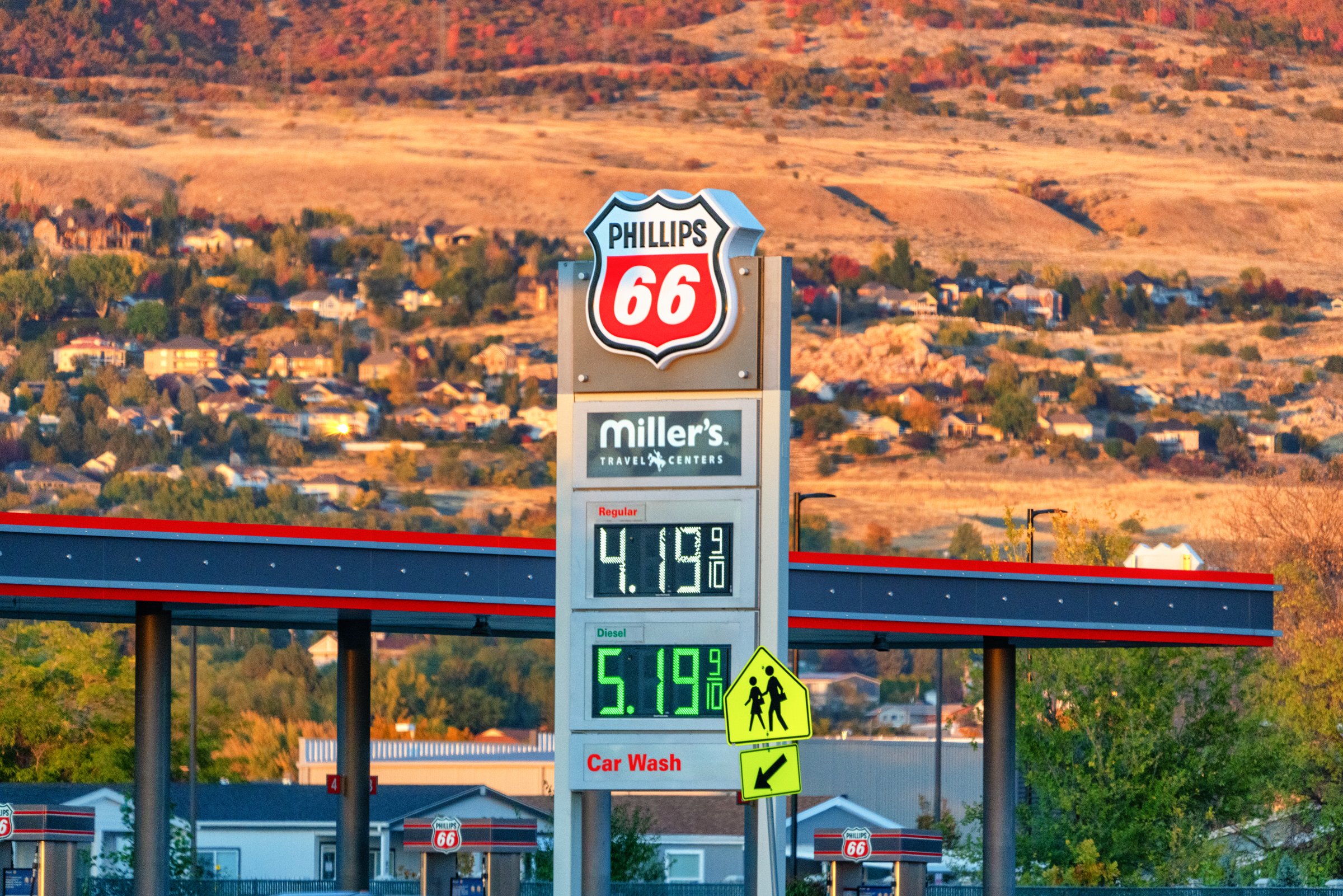
Reuters reported on October 24 that September consumer prices accelerated as gasoline surged. That single sentence cuts against the rally message, because inflation that is accelerating in the final weeks of a campaign is harder to describe as a problem already solved. AAA put the average price of gasoline at $4.27 a gallon, about $1.13 a litre, nearly 40 percent higher than a year ago. For a driver filling a 12-gallon tank, $4.27 a gallon means about $51 for a fill, compared with roughly $37 at a price 40 percent lower. Repeated every week or two, that difference competes with any savings on individual grocery items.
Trump promises that gas will fall once the war with Iran ends. That makes the energy argument partly a foreign-policy argument: cheaper fuel, in the president's telling, is waiting on the other side of a conflict he says he can conclude. Supporters may hear a plan with a cause and an end point. Critics answer that a promise tied to a war's end is not a price policy a family can budget around today, and that blaming fuel costs on a conflict also concedes how exposed American households remain to events in the Middle East. Both readings are available from the same pledge, which is why it features so prominently in the campaign's final days. Readers watching the wider market backdrop can follow our coverage of consumer sentiment near a record low alongside the rally reports.
Takeaway three: the most telling voice was a supporter's
Outside the rally in rural Kansas, Reuters found Chester Daniel, a 90-year-old military veteran and Trump supporter, who said the economy has "a long way to go." His words deserve quoting at length because they were not an opponent's attack line. "Prices? Too high! We will never go back to what they were when this all started, but they need to come way down," he said. "I don't know how these young people make a living for their family."
Daniel's comments capture a distinction campaigns often miss. A voter can support a president, intend to vote Republican and still regard prices as the central failure of the moment. His reference to young families moves the issue beyond his own costs: he was judging the economy by whether the next generation can afford to live. When a supporter at a friendly rally voices the opposition's main argument in his own words, lived experience is supplying a different record.
Takeaway four: rallies in safe areas are about turnout, not persuasion
The geography of the blitz is itself a strategy. Trump is holding near-daily rallies in mostly Republican-friendly areas rather than spending every night in places where undecided voters dominate. In a midterm, that can be rational. Turnout usually falls compared with a presidential election, and the side that brings more of its own supporters to the polls can win districts it would lose in a high-turnout year. A 90-minute speech that mixes economic defence, crowd-size boasts and mockery of protesters is entertainment as well as argument, and entertainment keeps the base attentive, volunteering and talking.
The risk is that a rally tuned for the converted may not answer the doubts of voters like Daniel. Mocking protesters plays well in the room, but it does not lower a fuel bill. Celebrating crowd size proves enthusiasm among people already committed, not confidence among people deciding whether the party in power deserves another two years. The final 10 days will test whether that calculation fits an election in which economic unease reaches into the base itself.
Energy costs are one channel through which national policy reaches those voters directly, as our reporting on heating-oil prices in Senate races in Maine, New Hampshire and Alaska has shown. A voter facing a winter heating bill does not experience "the economy" as a single index. They experience a sequence of bills, each with its own politics.
Why this matters
This matters because midterm elections are usually a referendum on the party holding the White House, and the economy is usually the subject of that referendum. Republicans are fighting to keep Congress, which means Trump's record is on the ballot even in districts where his name is not. If voters accept his account, Republican candidates can run on low unemployment and strong markets. If voters follow Daniel's account, those same candidates must explain why prices remain high after promises to bring them down.
The deeper issue is the difference between an economy measured from the top and one measured from the kitchen table. From the top, low unemployment, record equity prices and a low poverty rate can coexist with families feeling squeezed, because those statistics describe averages and asset holders more than a weekly shop. From the kitchen table, a 40 percent year-on-year increase in gasoline is a recurring withdrawal from the household budget. A president can be right that some indicators are strong and still lose the political argument if the indicators voters touch every day point the other way.
Fairness to both sides requires holding those truths together. The administration can legitimately cite jobs, markets and poverty data; dismissing them entirely would be as selective as ignoring gas prices. Democrats and critics can legitimately cite accelerated September consumer prices and the AAA average; dismissing them as mood rather than measurement would be equally selective. The Reuters five-takeaways account, published October 24, is valuable precisely because it records the pitch and the reality check in the same frame, including a critic who is not a critic at all but a supporter in a Kansas car park.
What happens next
About 10 days remain before November 3. Expect the rally pace to continue, the economic pitch to sharpen and both parties to watch the next releases on prices, jobs and consumer confidence for a final piece of evidence. Republicans need supporters like Daniel to turn out even while doubting prices; Democrats need that doubt to change votes or keep voters at home. Neither outcome follows automatically from one interview or one inflation reading.
The closing argument now has a clear shape. Trump says the record is strong, the explanation has been weak and relief on fuel will follow the end of the Iran war. His opponents say the prices voters pay are the record, and that a nearly 40 percent rise in gasoline over a year outweighs a stock-market high for families with little invested. Chester Daniel, still a supporter at 90, offered the sentence both campaigns will be thinking about as the rallies roll on: the economy has a long way to go. Whether voters who agree with him vote for change, vote for the president anyway, or do not vote at all may decide who holds Congress in January.