A Kansas man charged with threatening Trump is in federal custody tonight after prosecutors say he spent days posting about shooting the president — and about mapping rooftops around the site of Monday’s Wichita-area rally — in the comments under local television news stories about the visit.
Politics / U.S. — a Crime Stoppers tip, four Facebook comments and a five-agency investigation ended with Jaden Read, 24, arrested two days before the president reached Kansas
What prosecutors say the posts contained
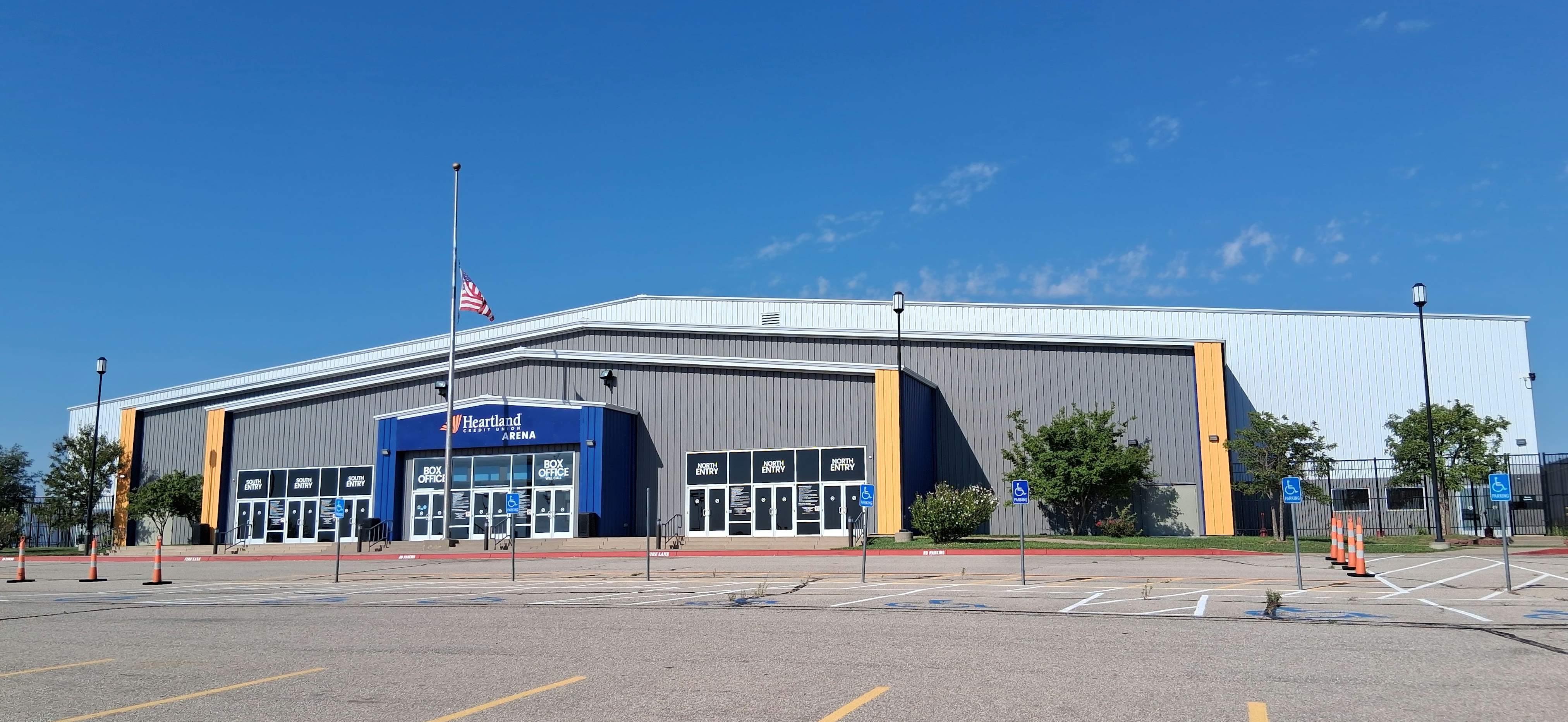
The case began, according to the Justice Department, with a tip. On October 15, a Crime Stoppers tip directed authorities to comments Read had allegedly posted on Facebook in response to a KAKE News article about Trump’s upcoming October 19 visit to Wichita. In the first comment quoted in the complaint, Read allegedly wrote: “Let’s shoot Trump honestly, where’s our shooter? I’m tired of living this money life.” Immediately afterward, prosecutors say, he posted a second comment on the same article: “I just got a 308 and 305 round and I’m killing this pedo.”
Investigators then found two more comments attributed to Read under a separate KWCH 12 News article about the same visit. “Can we shoot him in Kansas please I will myself,” one allegedly read. A minute later came the post that prosecutors treated as the most serious: “IK where your speech will be. Already mapped out roofs around. Finna get kirked since yall couldn’t help him.” The reference, as Fox News noted in its reporting, was to Charlie Kirk, the conservative activist shot from a rooftop at Utah Valley University in September 2025. Read was arrested two days later, on October 17 — two days before the president was due on stage.
“Political violence and threats of political violence will not be tolerated,” U.S. Attorney Ryan A. Kriegshauser said in the Justice Department’s release. “The First Amendment allows for robust disagreement but there are constraints. I caution people to stay within the bounds of constitutionally protected speech.” The investigation was run jointly by the U.S. Secret Service, the U.S. Marshals Service, the Kansas Bureau of Investigation, the Kansas Highway Patrol and the Wichita Police Department — five agencies mobilised, in the end, by comments under two local news posts.
The rally went ahead — and the case became part of its story
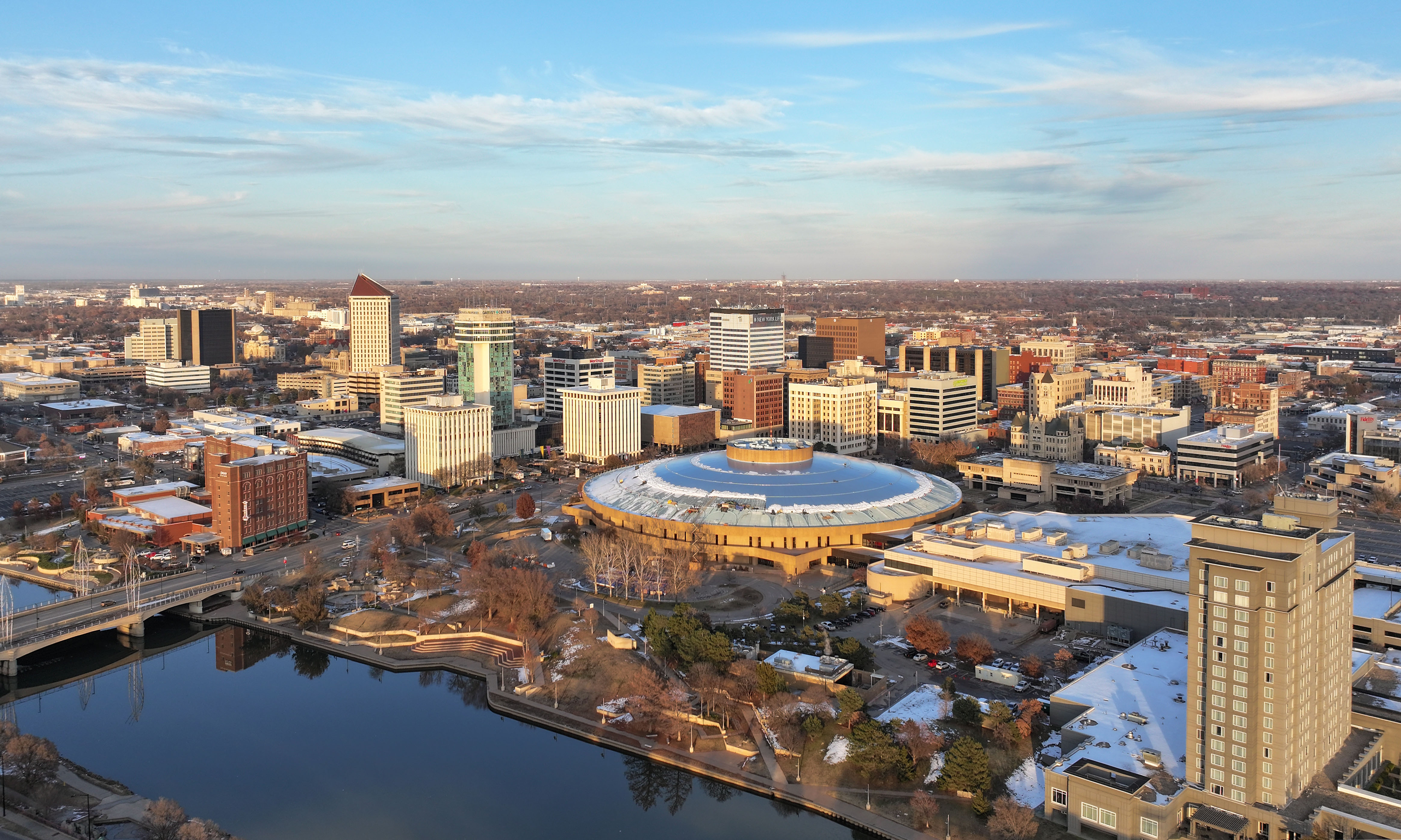
Trump’s Monday rally in Park City drew several thousand supporters, according to Kansas Public Radio’s coverage, with speakers including rock guitarist Ted Nugent, Kansas Attorney General Kris Kobach, U.S. Rep. Ron Estes and Republican gubernatorial candidate Ty Masterson. The Kansas News Service reported the trip coincided with a record-low approval reading for the president — a Washington Post–ABC News–Ipsos poll released Sunday put Trump at 33 percent approval. The arrest was not the rally’s headline going in; it became public as the visit unfolded, a reminder that the security operation around a presidential trip now routinely begins days earlier, in comment threads most readers scroll past.
The legal stakes for Read are specific. Threatening the president is a federal felony punishable by up to five years in prison, Kansas Public Radio reported in its account of the charge. What separates a prosecutable threat from ugly but protected speech, in the government’s telling here, is the accumulation of detail: a named target, a claimed weapon and ammunition, an offer to do it himself, a location, and — the detail investigators could not ignore — claimed reconnaissance of rooftops around the speech site.
Why this matters
Presidential protection has always run on tips, but the raw material has changed. The alleged threat in this case was not phoned in, mailed in or whispered in a bar; it was typed, in public, under news articles, where a Crime Stoppers tipster could screenshot it and five agencies could build a federal case from it in about 48 hours — tip on October 15, complaint and arrest on October 17, rally protected on October 19. That pipeline is now the standard first line of presidential security, and this case is a clean example of every stage of it working on schedule.
The rooftop language is why this file will not be treated as ordinary online bluster. In July 2024, a gunman fired on Trump from a roof in Butler, Pennsylvania, striking his ear and killing a rallygoer. In September 2025, Charlie Kirk was killed by a rooftop shooter in Utah — the killing the alleged post invoked by name, in slang, as a verb. After those two events, any public claim to have “mapped out roofs” around a presidential speech is, for investigators, functionally a fire alarm: it must be treated as real until it is proven not to be, because the cost of guessing wrong is measured in lives. Critics of aggressive threat prosecutions counter that many such posts are the work of angry, impulsive or unwell people with no capacity to act, and that prison exposure for words alone should trouble civil libertarians. Both things can be true at once — the posts can be reckless talk rather than a plot, and the state can still have no responsible option except to act on them. The courts, starting with Read’s detention hearing, will decide which description fits this case. What is already decided is the practical rule the case teaches: in 2026, a comment under a local news story is read by exactly the people it threatens.
What happens next
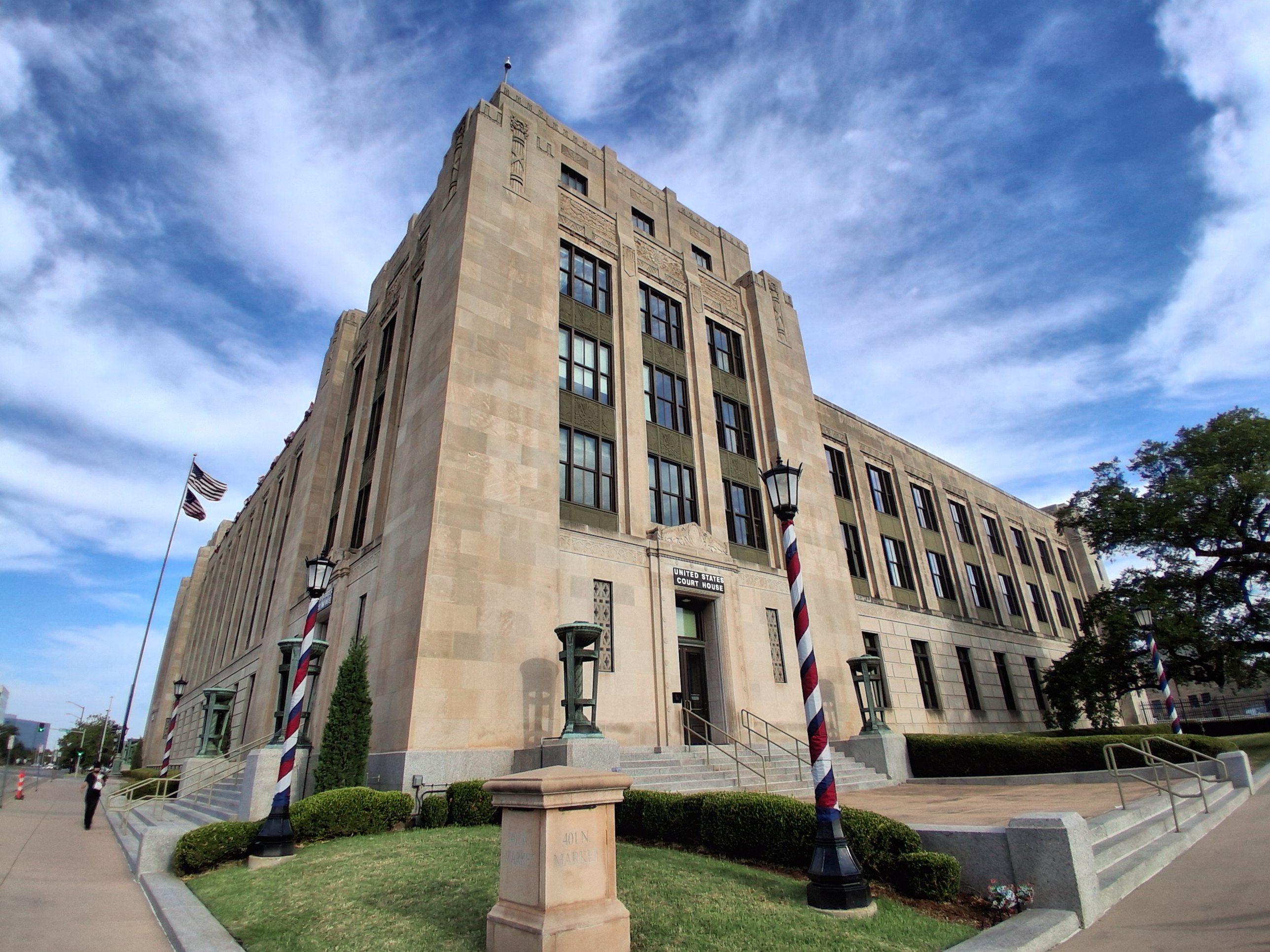
Read remains in federal custody pending a detention hearing, at which a judge will decide whether he stays jailed while the case proceeds. Prosecutors have announced a charge by criminal complaint; a grand jury indictment, an initial plea and any defence account of the posts are still to come, and no public statement from Read or counsel for him has been reported. For the agencies involved, the next file is already open somewhere: the same monitoring that caught four comments in Kansas runs continuously around every presidential movement, and the midterm rally circuit — Trump campaigned at a similar stop in Vandalia, Ohio, and his rally remarks have drawn their own coverage, as at Syracuse — gives it no shortage of comment threads to read.
Sources
- U.S. Department of Justice, U.S. Attorney’s Office — District of Kansas, Oct. 2026 (criminal complaint against Jaden J. Read; the four alleged posts; October 17 arrest; Kriegshauser statement; investigating agencies).
- Fox News, Oct. 2026 (rooftop-mapping allegation; Kirk reference; arrest two days before the Wichita visit).
- Newsmax, Oct. 20, 2026 (complaint details; custody pending detention hearing).
- Kansas Public Radio / Kansas News Service, Oct. 20, 2026 (Park City rally, speakers and crowd; five-year maximum for threatening the president; 33 percent approval poll context).
- Ad Astra Radio, Oct. 2026 (Clearwater arrest; complaint timeline; presumption of innocence).