Israeli strikes kill five Gaza: hospital officials said Israeli strikes killed five Palestinians in Gaza on Wednesday — a woman in an apartment in Gaza City's Rimal district and four people on a bus — and wounded at least 19 others, in the latest day of near-daily fire a year after a ceasefire that was supposed to end the war.
A Bus, an Apartment, Five Dead in One Gaza Day
Track it live: Israel war map — follow the conflict in Gaza and across the region.
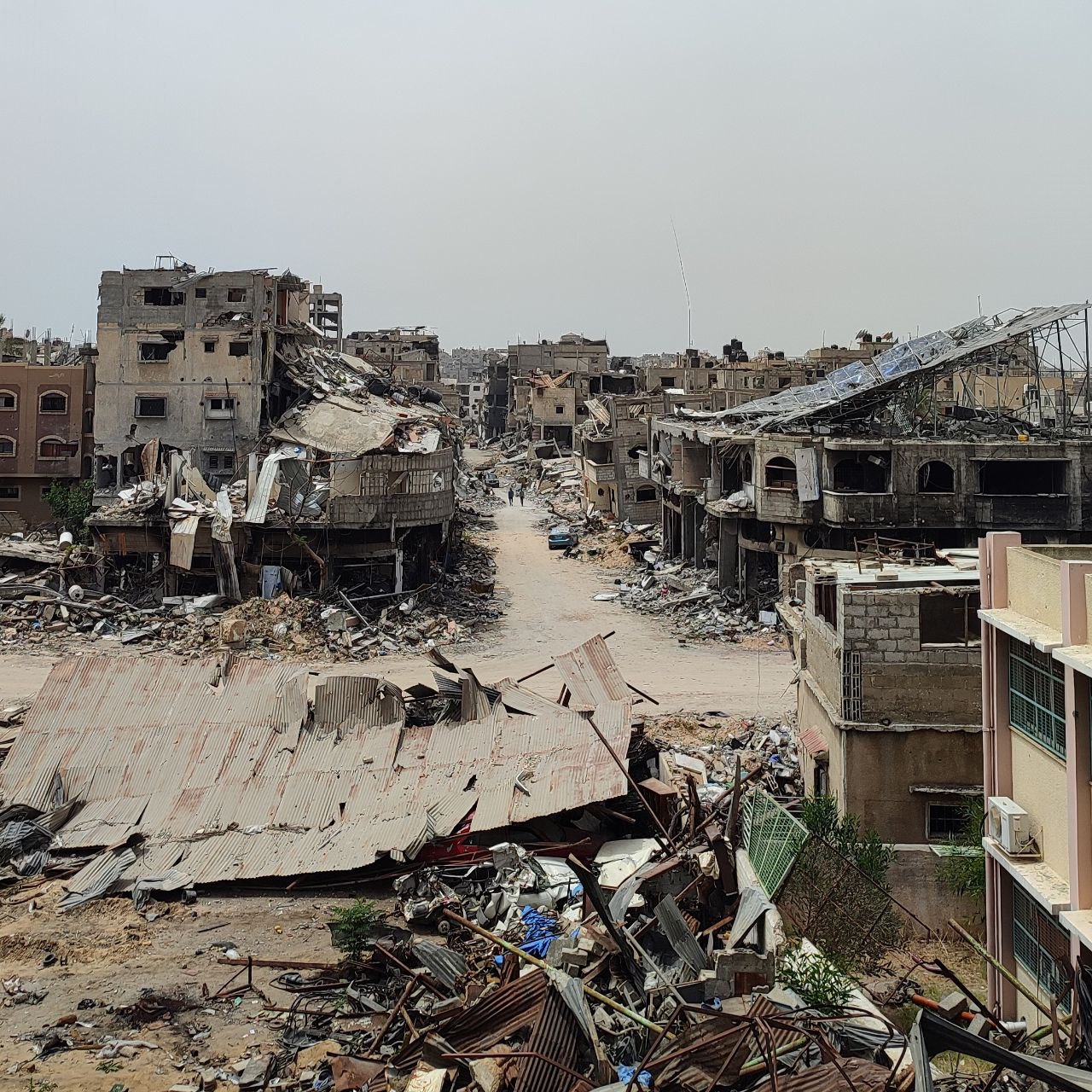
Five Palestinians were killed and at least 19 wounded in Israeli strikes across Gaza on Wednesday, according to hospital officials cited by the Associated Press — a woman killed in an apartment in Gaza City, four people killed when a bus was hit, and four more people wounded in a strike in Khan Younis in the south. The Israeli military said the Gaza City strike targeted a Hamas militant. It did not immediately respond to questions about the bus strike, and said it was reviewing the Khan Younis incident.
The day's violence came a year and four days after a U.S.-brokered ceasefire took effect on October 10, 2025, and it followed the ceasefire's now-familiar script: a strike Israel describes as aimed at a militant target, a toll recorded by Gaza's hospitals, and a running count of the dead that has climbed past 1,490 since the truce began, by the Gaza Health Ministry's figures.
Before dawn in Rimal
The first strike came at around 4 a.m., hitting an apartment in Al-Rimal, a Gaza City neighbourhood that was once among the city's most affluent. Al Jazeera, citing Anadolu, named the woman killed as Reem Asaad Awad, 33, and reported that the strike caused extensive damage and a large fire, and that rescuers pulled her young daughter from the building alive. Shifa Hospital officials told the AP that the strike killed the woman and critically wounded her husband; Al Jazeera's account put the wounded in that strike at two others besides her.
Israel's military said the apartment strike targeted a Hamas member and that it was investigating the incident. In its earlier statement on the same strike, reported by the AP on Wednesday morning, the military said it was still assessing the outcome. The two accounts of the morning — a militant targeted, a mother killed — are the same two accounts that have accompanied nearly every strike of the ceasefire year, and each side rejects the other's.
A bus, a strike in Khan Younis — and two different tallies
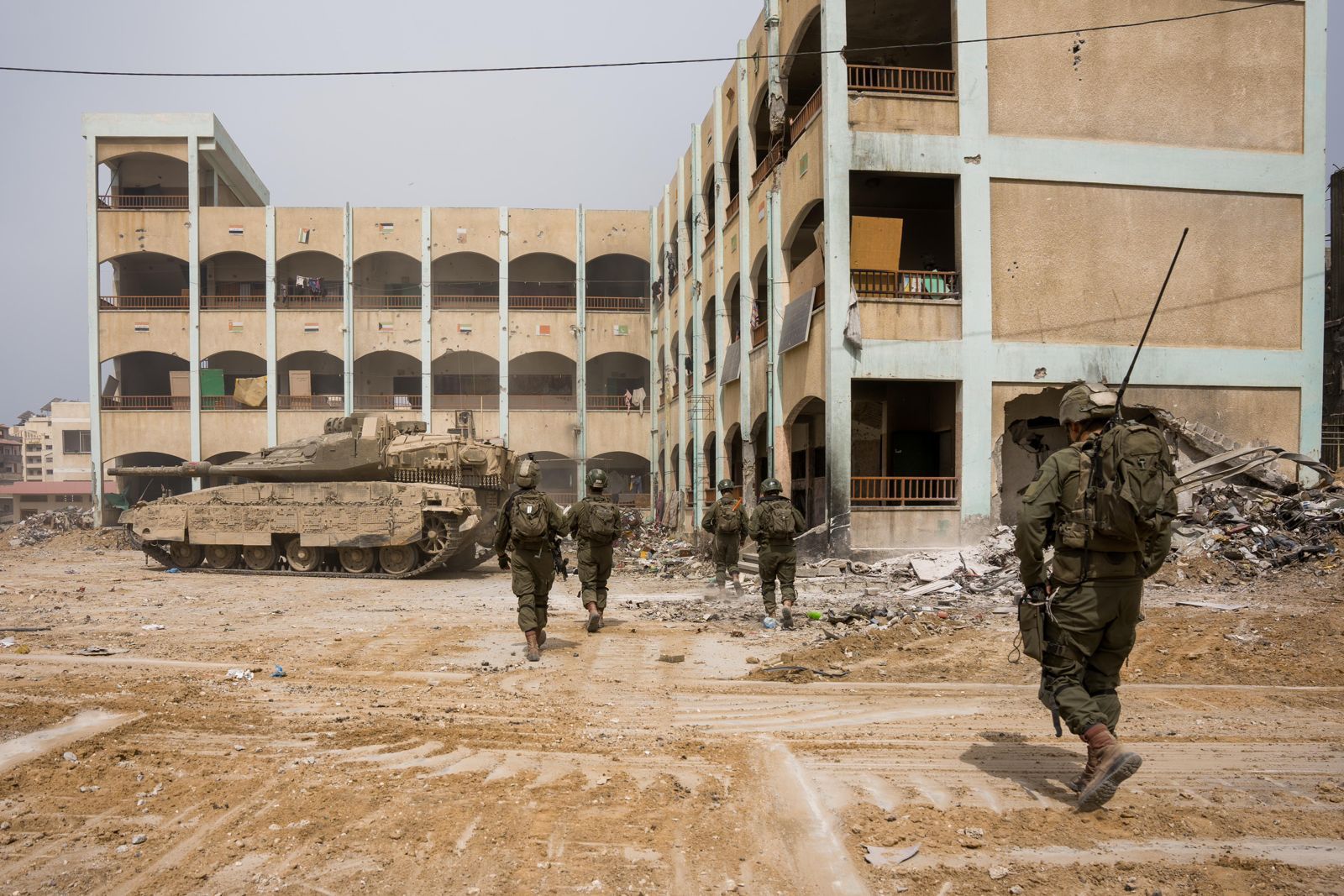
Later in the day, a second strike hit a bus, killing four people and wounding at least 14, Shifa officials told the AP. A third strike, in Khan Younis, wounded four people, according to Nasser Hospital there. Added together, the AP's hospital-sourced figures give Wednesday's toll as five killed and at least 19 wounded.
AFP's running tally during the day was different: four killed — two young men in a vehicle near Khan Yunis and two people, including a woman, in the Gaza City apartment — citing civil defence spokesman Mahmoud Bassal and hospital sources. Whether AFP's "vehicle near Khan Yunis" and the AP's "bus" describe the same incident is not clear from the reporting; the agencies counted different victims in different places at different hours of a chaotic day. What is not in dispute is the direction of the day: multiple strikes, in the north and the south, with civilians among the dead, a year into a ceasefire.
Why this matters
A ceasefire is, at its core, a promise that the killing stops. Measured against that promise, Gaza's truce has a daily arithmetic that neither side's statements can argue away: more than 1,490 Palestinians killed by Israeli fire since October 10, 2025, according to the Gaza Health Ministry figures carried by the AP — an average of roughly four people a day, every day, for a year, in a war that is officially not happening. Days like Wednesday are not an interruption of the ceasefire so much as its texture.
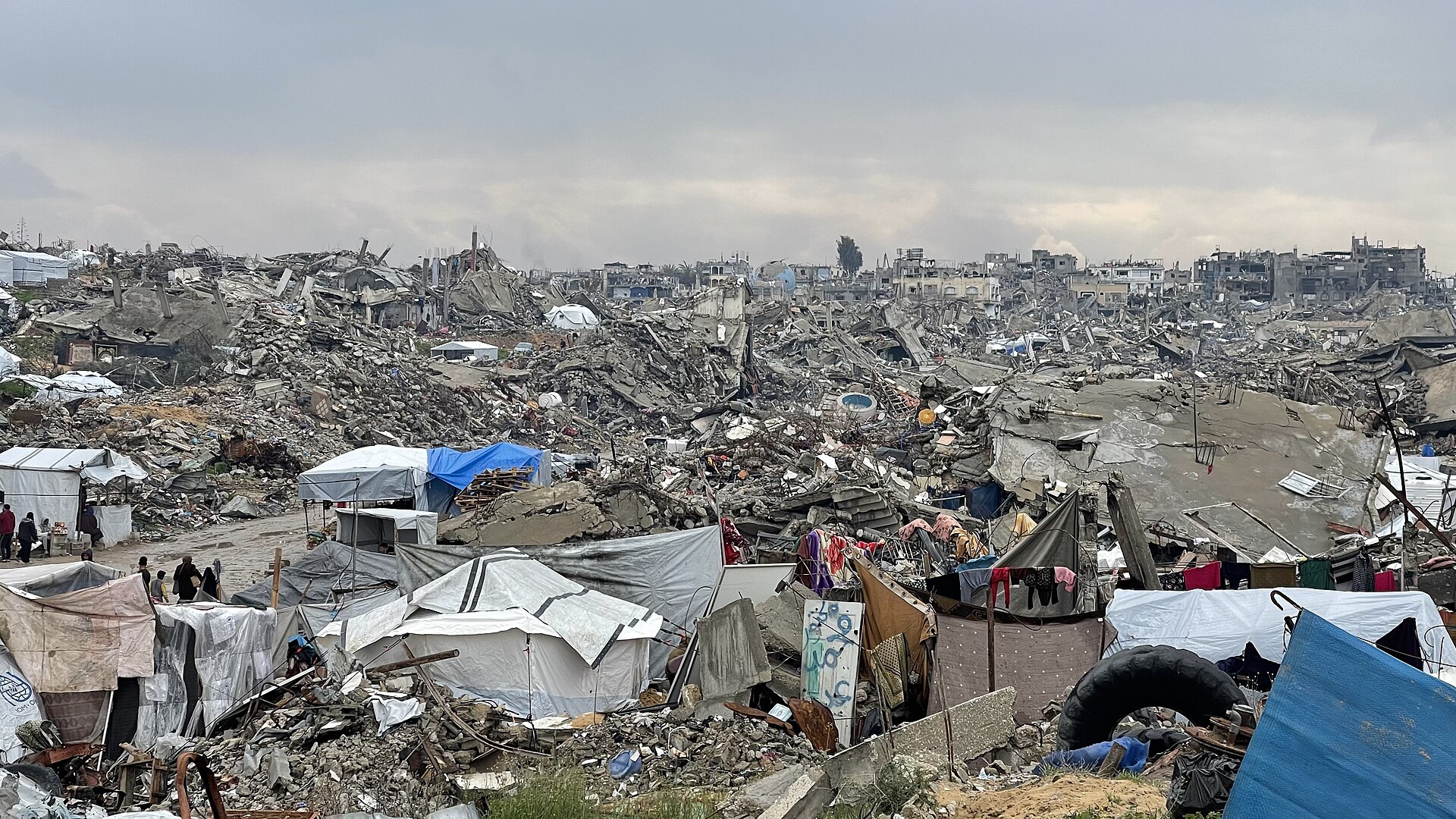
That arithmetic is now the terrain on which the agreement's second phase is stuck. Phase two — Hamas's disarmament, an Israeli withdrawal, a transitional authority and reconstruction — has not begun in earnest. Israel says it will not withdraw until Hamas disarms; its forces still control over half the territory, behind the "yellow line" that partitions the Strip. Each strike day hardens both publics' conviction that the other side never intended the deal to hold, and each one is absorbed, by the mediators, as the cost of keeping a fraying truce from collapsing outright.
How Gaza got here
The war began with Hamas's attack on southern Israel on October 7, 2023, and Israel's ensuing campaign has killed more than 74,000 Palestinians, according to Gaza health officials cited by Reuters — a toll the health ministry compiles from hospital records and that the AP notes is generally regarded as reliable by U.N. agencies and independent experts, though it does not distinguish civilians from combatants. The October 2025 ceasefire, brokered by the United States, halted the full-scale campaign, freed hostages and prisoners, and set out the phased plan whose second stage remains unimplemented.
Since the truce, violence has run in both directions at a lower flame. Seven Israeli soldiers have been killed since the ceasefire began — five in militant attacks and two by friendly fire, according to the AP — and Israel says its strikes answer Hamas violations. Separately on Tuesday, the IDF said it had killed a Hamas commander in a Gaza City strike who, it said, had held hostages, according to the IDF via AAP on Wednesday.
What each side says
Israel says its strikes target Hamas, and accuses the group of rearming and attacking in violation of the ceasefire, according to Reuters. Hamas denies that it is rearming or planning attacks, and accuses Israel of undermining the U.S.-brokered deal, according to Reuters. Prime Minister Benjamin Netanyahu has said there will be no Israeli withdrawal until Hamas disarms — the condition on which phase two, and with it any reconstruction at scale, currently waits.
The numbers carry their own dispute. The Gaza Health Ministry's since-ceasefire count stands above 1,490 in the AP's reporting; Al Jazeera puts the same figure at 1,501. Israel has long challenged the ministry's figures while offering no alternative civilian toll of its own for most incidents — including, so far, Wednesday's bus.
What happens next
Three pressures will decide whether days like Wednesday remain the ceasefire's background noise or become its obituary. The first is the mediators: the United States, Egypt and Qatar have absorbed a year of violations without letting the deal collapse, and their tolerance is the truce's real foundation. The second is phase two itself — every week without movement on disarmament and withdrawal leaves Israeli forces in place and Hamas armed, the two conditions each side cites for its own fire. The third is accumulation: a toll that grows by single digits most days rarely forces a decision, until the day it does. On Wednesday, that toll grew by five.
Related coverage: Why Israel keeps striking Gaza despite the ceasefire, explained · Trump's Gaza plan, one year on: a ceasefire stalled · Gaza death toll passes 74,000 as the ceasefire stalls
Sources: Associated Press (October 14); Associated Press, Mideast developments (October 14); AAP (October 14); Al Jazeera via Anadolu (October 14). Casualty figures are those reported by Gaza hospital officials and the Gaza Health Ministry, as cited by those outlets; the differing AP and AFP tallies are noted in the article. Israeli military statements are reported as the military stated them.