Jabalia displacement camp airstrike
Jabalia displacement camp airstrikeJabalia refugee camp strikeGaza ceasefire violationsGaza displacement camp bombingIsrael strikes Gaza September 2026Gaza death toll since ceasefireWAFA Gaza casualtiesAl-Shifa Hospital GazaGaza ceasefire October 2025Israel Hamas truce collapsing
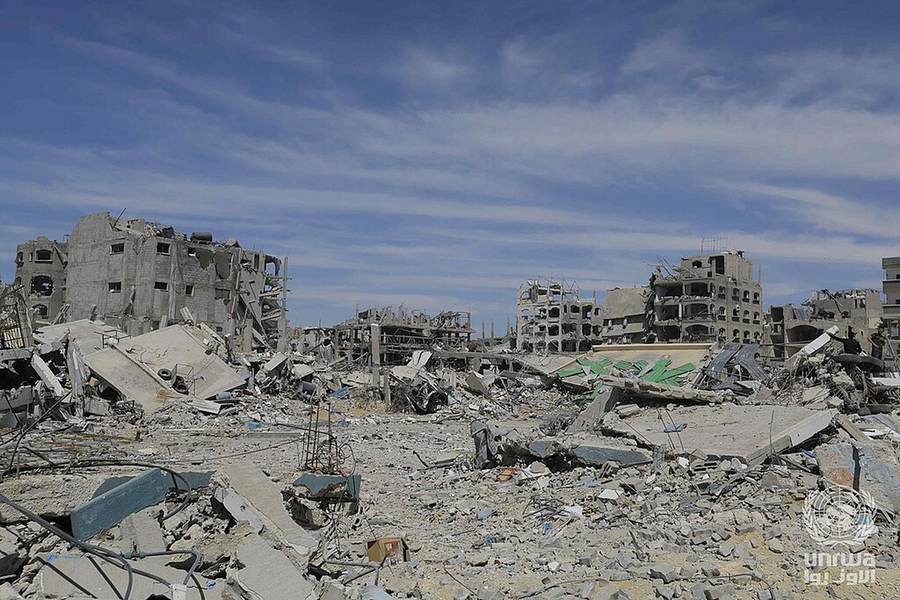
What happened at the Jabalia displacement camp
GAZA — An Israeli airstrike hit a displacement camp in Jabalia in northern Gaza on Tuesday, September 29, killing two Palestinians and injuring seven others, including children, according to WAFA reporting carried by Petra News Agency. The bodies were taken to Al-Shifa Hospital in Gaza City. Mehr News Agency, citing Palestine Al-Youm in a report carried by Webangah, corroborated the central casualty account.
Gaza's Health Ministry separately reported one death and 13 injuries across the territory during the preceding 24 hours. The Israeli military said its strikes in the Jabalia area targeted militants. The identities and combatant status of the two people killed at the displacement camp were not independently established, and Israel had not published evidence linking them to an armed group in the reporting reviewed for this article.
Why this matters: a camp for the displaced, struck during a ceasefire
A displacement camp concentrates people who have already lost the protection of stable homes. Families shelter in tents, schools and improvised structures with limited warning systems, few safe routes and little capacity to absorb another attack. The reported presence of wounded children underscores that vulnerability without, on its own, resolving the military's claim about whom it targeted.
The larger issue is the ceasefire's credibility. Gaza health officials say 1,422 Palestinians have been killed and 4,996 injured since the October 11, 2025 agreement took effect, while 834 bodies have been recovered from rubble during the same period. Those categories are not interchangeable — newly killed people, injured survivors and remains recovered from earlier destruction describe different harms — but together they show why many Gazans experience the truce as a reduction in intensity rather than an end to war.
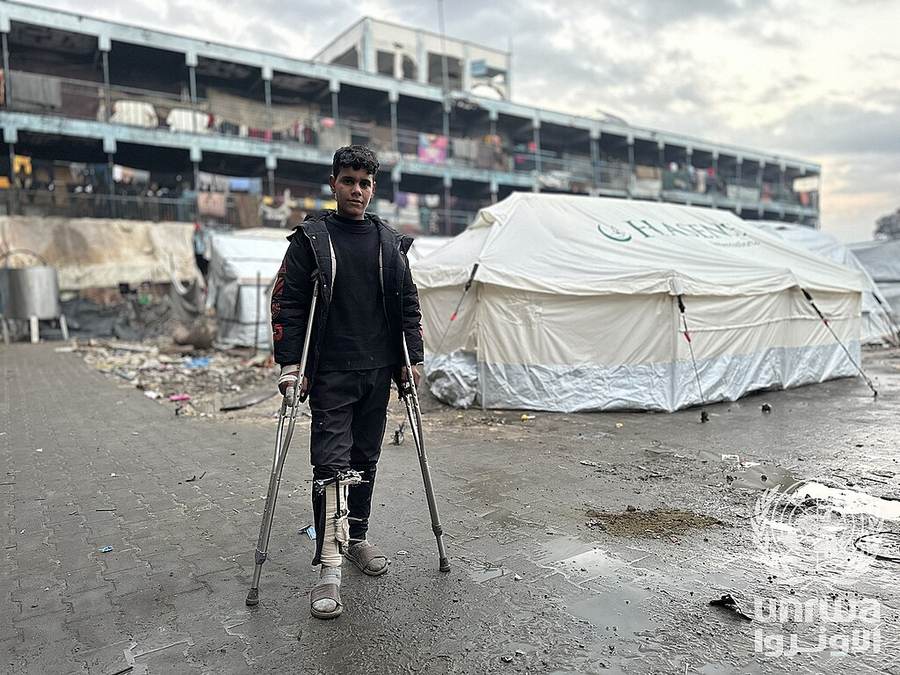
Context: from October 2023 to a stalled truce
The war began after Hamas-led fighters killed about 1,200 people in southern Israel on October 7, 2023, according to Israeli figures, and took hostages into Gaza. Gaza's Health Ministry now reports 74,023 Palestinians killed and 175,111 injured since the war began, totals cited in international reporting. The ministry does not distinguish civilians from combatants in its headline totals, and wartime access restrictions make independent verification difficult.
The U.S.-brokered ceasefire that took effect on October 11, 2025 was meant to move the conflict from reduced combat toward reconstruction and a durable security settlement. Instead, negotiations remain stuck over sequence: Israel says Hamas must disarm before a broader withdrawal, while Hamas demands firm withdrawal and political guarantees before surrendering its remaining leverage.
President Donald Trump's framework has won regional support, including an eight-nations Gaza plan roadmap, but backing a destination is easier than agreeing on the order of steps. Monitoring, enforcement and the governance of postwar Gaza remain unresolved.
The same day in Gaza
Tuesday's strike came on the same day Israel killed Izz al-Din Al-Beik, the head of Hamas' armed wing in northern Gaza, in a dawn strike on Gaza City's Nasr neighbourhood. Israel and Hamas both confirmed Al-Beik's death. Signal Post News has a separate analysis of the strike that killed Al-Beik.
Reuters also reported a separate Israeli strike near a medical clinic in Jabalia that killed one person. The Israeli military said it had targeted a militant in that incident. Israel says it has killed at least 20 Hamas figures this month and accuses the group of rearming in violation of the ceasefire. Hamas denies rearming or preparing attacks and accuses Israel of undermining the agreement.
Multiple angles: who benefits, who loses
Israel's government argues from enforcement and deterrence. If militants are rebuilding command networks during a ceasefire, Israeli officials contend that leaving them untouched would reward violations and recreate the threat the war was meant to reduce. The unanswered strategic question, raised by critics, is whether recurring strikes are tied to a measurable exit plan or simply preserve an open-ended campaign.
Hamas gains a political argument when civilians are killed, but faces its own credibility test. The group presents Israeli strikes as proof that the truce offers Palestinians no protection. Its critics answer that any covert rearmament would exploit civilian areas and make a sustainable settlement harder. Hamas denies Israel's allegation, and neither side's broader operational claims are independently verifiable from the public record.
Displaced civilians and mediators carry the costs. Families in Jabalia face immediate danger and another reason not to trust designated shelters. Egypt, Qatar, the United States and the eight governments backing the wider plan lose diplomatic leverage each time violence produces disputed facts faster than monitors can establish them.
What the numbers imply
Two deaths in one strike are a small fraction of a war measured in tens of thousands, but the cumulative post-ceasefire number changes the analysis. The reported 1,422 Palestinian deaths since October 2025 amount to about 1.9% of the total reported toll of 74,023 — deaths accumulated during a period formally called a truce.
The 4,996 reported injuries since the agreement describe continuing harm beyond the fatality count, while 834 bodies recovered from rubble reflect losses from earlier phases still entering the official record. The Israeli military says four Israeli soldiers have been killed since the ceasefire. These figures cover different populations and time mechanisms and should not be presented as a direct ratio.
All of the numbers have limits. Gaza's Health Ministry does not separate combatants from civilians in its headline total, although outside researchers have used other records to study the composition of deaths. Israeli claims about the targets and Hamas' conduct are also not independently verifiable in every case. Attribution is not a substitute for certainty, but it makes clear which authority is responsible for each claim.
What happens next
An escalation spiral: Hamas or another armed group could respond to the killing of Al-Beik or to civilian casualties in Jabalia, prompting additional Israeli strikes and further retaliation.
A formal collapse: Either party could declare the other in material breach and abandon the remaining restraints. That would likely halt reconstruction planning and push displaced families into another phase of large-scale combat.
Renewed diplomacy: Mediators could press for a sequenced deal pairing verified limits on Hamas' weapons and recruitment with phased Israeli withdrawal, outside monitoring and enforceable reconstruction guarantees. This path demands reciprocal steps rather than another argument over who must move first.
The question is whether the October 2025 agreement is still a path out of war or language managing a conflict that has resumed in slow motion.
Sources and reporting notes
- Petra News Agency, citing WAFA — two killed, seven injured including children, and bodies taken to Al-Shifa Hospital.
- Fana News — carried Petra's report on the displacement-camp strike.
- Webangah, citing Mehr News Agency and Palestine Al-Youm — corroborating casualty account and Health Ministry 24-hour and cumulative totals.
- Reuters — same-day Jabalia clinic strike, Israel's account of September operations and the Israeli military's post-ceasefire soldier toll.
Source note: Claims by Israel, Hamas, WAFA and health officials are attributed to the side making them. Casualty totals may be updated as hospitals and authorities reconcile their records.