Iran doomsday war warning
Iran doomsday war warningAraghchi Meet the Press interviewTrump rejects Iran ceasefire proposalStrait of Hormuz reopening dealIran US bombing after midtermsPezeshkian Face the Nation interviewIran 12 billion frozen assetsUS Iran talks this weekChina helped Iran target shippingIran fully prepared war resumed
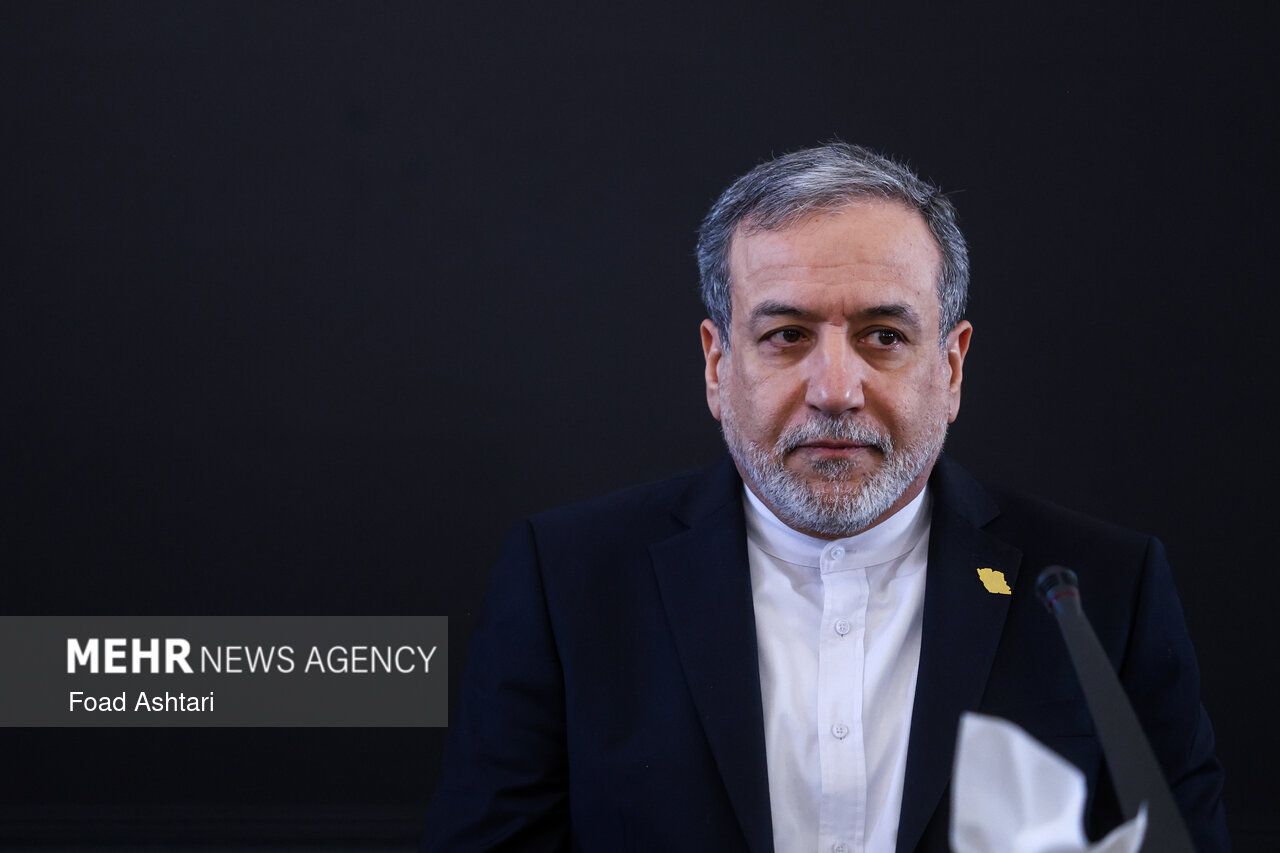
In the Iran doomsday war warning that dominated Sunday’s political talk shows, Iranian Foreign Minister Abbas Araghchi told NBC’s Meet the Press on September 27, 2026 that Tehran is “fully prepared for the war to be resumed” with the United States — “even if it comes to a doomsday war” — one day after President Donald Trump publicly rejected Iran’s proposal for a seven-day ceasefire and a reopening of the Strait of Hormuz.
“We stand firm in the face of any new aggression, even if it comes to a doomsday war,” Araghchi said. “At the same time, we stand ready for diplomacy. It is up to President Trump to choose.” He added: “If you ask us, there is no reason why we should go back to diplomacy, but I am still trying diplomacy because I think we shouldn’t miss any chance for peace.”
The interview was a direct response to two developments: Trump’s Saturday announcement that he had rejected Tehran’s offer — “They want to make a deal to open the Hormuz Strait immediately because they’re losing so badly,” Trump told reporters — and a Wall Street Journal report that Trump has told aides he expects to resume bombing Iran after November’s midterm elections.
Why this matters
Both of Iran’s top leaders appeared on American Sunday-morning television within hours of each other — a coordinated media offensive aimed not at Washington’s diplomats but at the American public. That choice of venue is the story as much as the words: after Trump’s public rejection, Tehran is negotiating in the open, daring the White House to look like the side walking away from peace.
The “doomsday” language is an escalation in rhetoric, but its pairing with an explicit diplomatic offer is classic coercive diplomacy — raise the perceived cost of the alternative to make the deal look cheap. Araghchi even framed eight months of fighting as an American failure: Trump, he said, “wanted unconditional surrender in the previous war in two days. And now it’s eight months that they are fighting with no results. A new aggression would be certainly the same.”
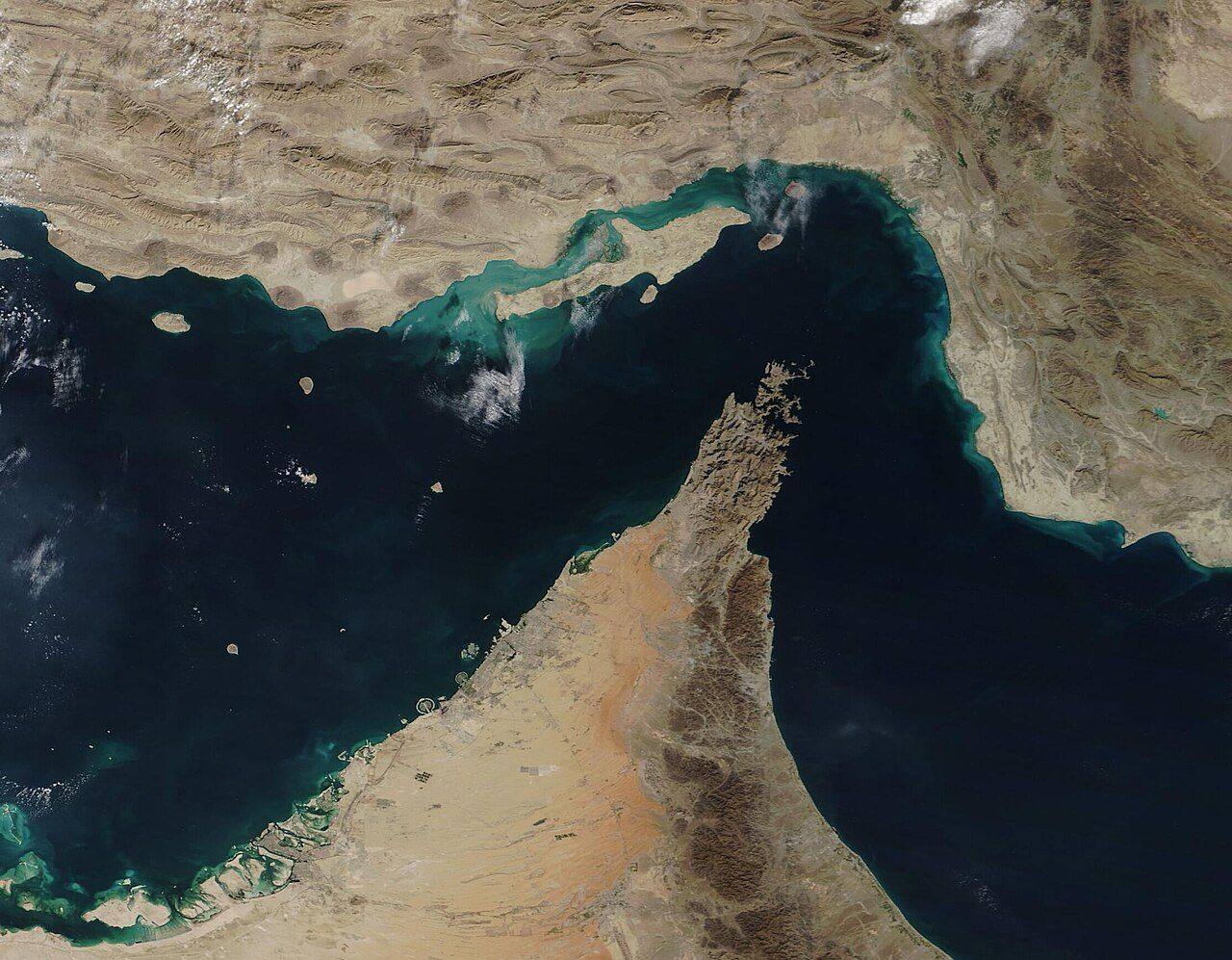
The stakes extend far beyond the two capitals. The Strait of Hormuz carries roughly 30 percent of the world’s seaborne oil through shipping lanes just two miles wide; another round of bombing would detonate energy markets already strained by eight months of war, with gasoline prices and inflation the transmission mechanism into American politics weeks before the midterms.
What the Sunday shows actually contained
NBC — Araghchi: Beyond the doomsday warning, the foreign minister revealed that despite Trump’s public rejection, Tehran has received no formal answer: “we are still waiting for an official response through the mediators,” he said, calling Trump’s “messages contradictory.” He insisted Iran’s conditions — release of frozen funds, an end to the blockade, the ability to sell its oil — were “not new” and were already part of previous US commitments. And in a rare admission, he conceded Iranian missteps: “We have learned our lesson from the two previous wars, and we have corrected our tactics.”
CBS — Pezeshkian: On Face the Nation, the Iranian president struck the softer note of the one-two punch: his government is ready to discuss its nuclear program and other disputes, but will not accept “bullying or coercion.” “Iran is not seeking war, but will defend itself against pressure, threats and attacks,” Pezeshkian said, adding that Iran had already agreed it is not supposed to develop nuclear weapons.
CNN — Waltz: The US ambassador to the United Nations, Mike Waltz, delivered the administration’s rebuttal: Iran wanted the deal “its way first,” with Washington making concessions up front, and Tehran cannot be trusted after breaking the earlier agreement by targeting international shipping — an attack pattern 146 nations joined in condemning. On reports that China helped Iran with missile targeting of shipping and US bases, Waltz would not confirm the intelligence but said Trump raised it directly with Xi Jinping during Xi’s recent state visit to Washington, and claimed “movement in a positive direction.” He rejected the Journal’s midterms-bombing report, saying Iran was “miscalculating.”
The deal Trump rejected
Iran’s Friday proposal, as described across US and Iranian accounts, was straightforward: Washington unfreezes roughly $12 billion in Iranian assets, ends its naval blockade, and eases sanctions; Tehran reopens the Strait of Hormuz and resumes nuclear talks within seven days. Araghchi called it “a very reasonable plan on the table.”
The administration’s objection is about sequencing, not just substance. A senior fellow at the Center for International Policy, Sina Toossi, told CNN the Iranian offer was “essentially the same bargain” as the June deal “but with a very different sequence”: the US takes concrete steps first, and only then does Iran ease its pressure over Hormuz. Waltz’s counter — that Iran broke the June memorandum by attacking vessels while it was in force — is why Washington insists Tehran must move first. Each side’s position is the mirror image of the other’s distrust, and that is precisely why the June agreement, mediated by Pakistan, collapsed within days.
Eight months of war — how we got here
The US–Iran war began on February 28 and has run on-again, off-again ever since, producing a global oil shock that spiked gasoline prices and fanned inflation. At this week’s UN General Assembly in New York, the two sides talked past each other in public: Trump used his address to threaten to “annihilate” Iran, while Pezeshkian and Araghchi worked the sidelines pushing the Hormuz proposal.
Iran has severely disrupted traffic through the strait during the conflict; the administration claims it has kept ships moving by routing them close to Oman’s shores. Independent shipping data suggests the waterway is functioning but at crisis levels, with commercial traffic constrained and tanker costs elevated. On the battlefield, the fighting has produced what the Washington Examiner describes as one of the most lopsided casualty ratios in modern history — a fact that cuts both ways in the current argument, with Tehran claiming resilience and Washington claiming dominance.
Who gains, who loses
Tehran gains a deterrence signal aimed at Washington and a defiance narrative for home: “doomsday” rhetoric plays well domestically, and every week the strait stays constricted, Iran’s oil leverage compounds.
The Trump administration gets a pre-midterm toughness story in rejecting the deal — but a renewed bombing campaign risks the oil-price spike that would transmit straight into inflation and voter anger. That tension may explain why Trump simultaneously told Axios he expects US negotiators in more talks this week.
Shippers and insurers are caught in the middle, paying war-risk premiums on every transit while both capitals use shipping data as a propaganda weapon.
China sits in the most leveraged seat: accused of helping Iran target shipping, buyer of discounted Iranian oil, and the party Trump personally lobbied. Beijing wants the oil flowing and the strait open — but not at the cost of surrendering its leverage over either side.
The Gulf states, most exposed to any escalation, quietly want a deal above all — they have the most to lose from the “doomsday” path and the least say in the sequencing argument.
What the numbers actually say
About 21 million barrels of oil — worth roughly $1.2 billion — pass through Hormuz every day, per US Energy Information Administration data: the physical reason a 21-mile-wide strait gives a sanctioned economy leverage over the global economy. The $12 billion in frozen assets Iran wants released is the explicit price tag Tehran put on de-escalation; the 146 nations Waltz cites are Washington’s measure of Iran’s diplomatic isolation. And Araghchi’s “eight months with no results” is the number both sides now weaponize: Tehran reads it as proof bombing doesn’t work; Washington reads the lopsided casualty ratio as proof it does.
What happens next
Three things to watch. First, this week’s talks: Trump told Axios he expects US negotiators to engage in more discussions — the near-term window where the sequencing dispute (who moves first) either gets bridged or blows up. Second, the mediator channel: Araghchi says Tehran is still awaiting a formal response “through the mediators,” which means the real negotiation is happening off-camera, not on Sunday television. Third, November: the Journal’s reported decision point for renewed bombing, which Waltz publicly denies. If the talks fail and the midterms pass without a deal, the “doomsday” rhetoric stops being rhetoric — and the strait that carries a third of the world’s seaborne oil becomes the trigger for the next phase of the war.
Sources
- Associated Press, “Palestinian death toll in Gaza war passes 74,000, and other Mideast news” (September 27, 2026) — Araghchi NBC interview, Pezeshkian CBS interview, Trump Axios remarks: 990theanswer.com
- Washington Examiner, “Iran ready for ‘doomsday war’ after Trump rejects ceasefire, foreign minister says” (September 27, 2026): washingtonexaminer.com
- New York Post, “Iran ready for ‘doomsday war’ after Trump rejects cease-fire proposal — but still wants peace: Tehran negotiator” (September 27, 2026): nypost.com
- Al Jazeera English, “‘Iran ready for doomsday war’, FM Araghchi says” (September 27, 2026): youtube.com
- Maktoob Media, “‘Only a negotiated solution can get them out of this deadlock,’ says Iran’s FM after Trump rejects deal” (September 27, 2026): maktoobmedia.com
- ENM News, “Waltz: Iran Wanted Deal Its Way First” (September 27, 2026) — Waltz CNN remarks, China targeting intelligence, 146-nation condemnation: enmnews.com
- Metapress, “Iran’s foreign minister says Tehran ready for ‘doomsday’ war with U.S., but leaves diplomacy on the table” (September 28, 2026): metapress.net
Quotations from the September 27, 2026 Sunday-show appearances are drawn from the AP, New York Post, Washington Examiner, Al Jazeera, Maktoob, and PressTV accounts of the NBC, CBS, and CNN broadcasts; the Wall Street Journal midterms-bombing report is cited as reported and publicly disputed by the administration. Oil-flow figures via NASA/MODIS and US EIA descriptions of the strait. This article reports verified facts and clearly labeled analysis.