World — Indonesian police and customs officers seized 1.16 tons of ketamine hidden in 58 sacks aboard a Mongolian-flagged tanker off Tanjung Balai, North Sumatra, earlier this week, national police chief Suyudi Ario Seto announced on Friday, October 23, 2026. Eight crew members — seven Indonesians and one Taiwanese national, including the captain — were arrested over a haul police value at 3.48 trillion rupiah, about $192.6 million.
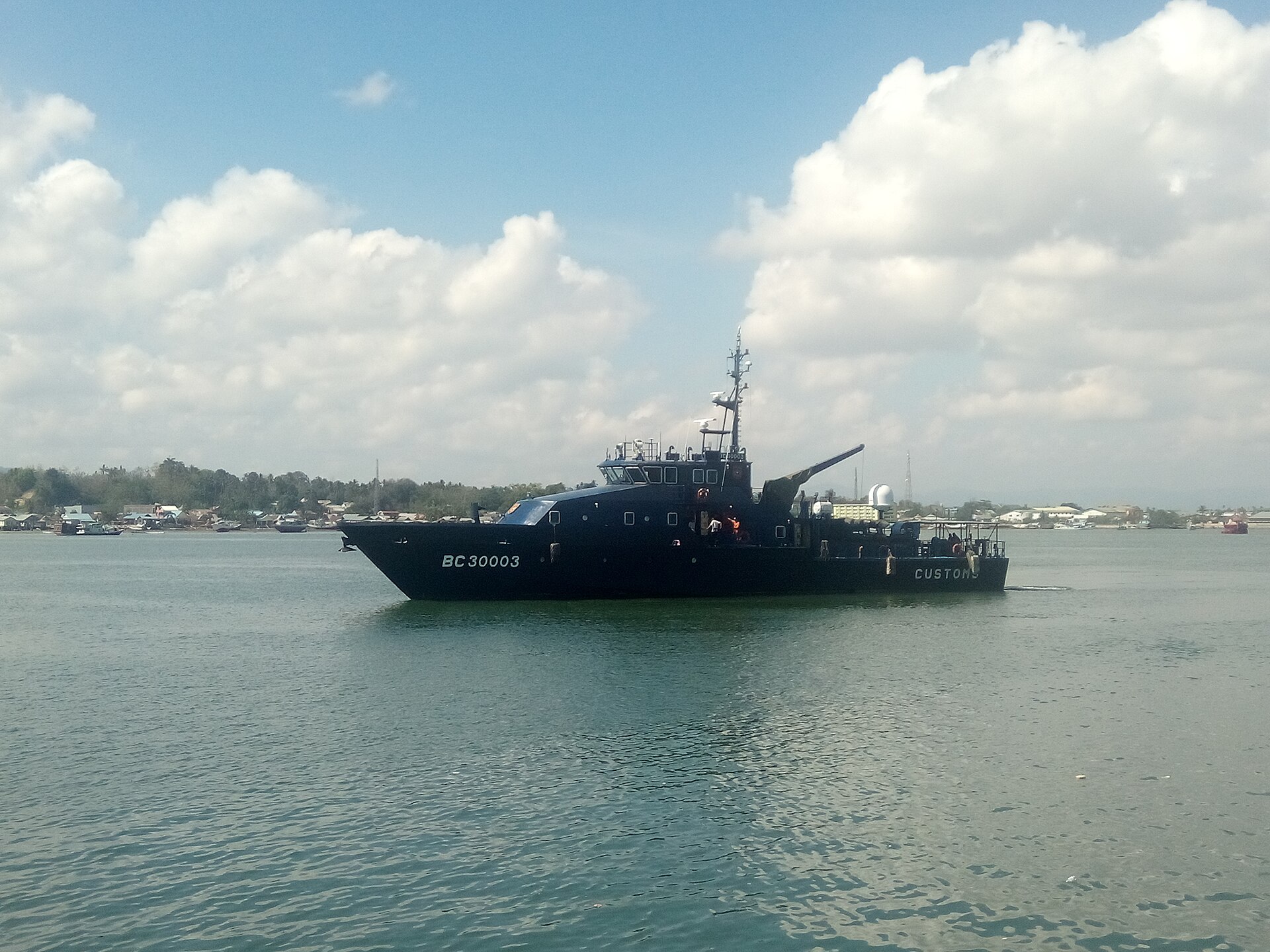
JAKARTA — The Indonesia ketamine seizure is one of the largest single drug hauls Indonesian authorities have announced at sea: 58 sacks of ketamine, together weighing 1.16 tons, found aboard a tanker that had sailed from Malaysia, Reuters reported on Friday. Police and customs officers apprehended the vessel in the waters off Tanjung Balai, on North Sumatra’s Malacca Strait coast, earlier this week, national police chief Suyudi Ario Seto told reporters. The eight people arrested include the ship’s captain, its engineers and an oiler, Seto said.
Seto put the street value of the haul at 3.48 trillion rupiah — roughly $192.64 million at the rate Reuters cited of 18,065 rupiah to the dollar. The sheer amount, he said, showed how destructive “international syndicates are to our national security.” Indonesian authorities say the investigation is continuing, and they have not publicly named the vessel, its owner, or the syndicate they believe was behind the shipment.
How the ship was caught
The route police described is a textbook piece of maritime drug-running tradecraft, and it is worth reading closely because each step was designed to break the paper trail. The tanker departed Pasir Gudang, the Malaysian port in Johor, and transited the Strait of Malacca — one of the busiest shipping lanes on earth, where a single vessel is a needle in a haystack of legitimate traffic. Police believe it then headed into the Andaman Sea, where it took the ketamine aboard in a ship-to-ship transfer: a rendezvous at sea, away from any port, any manifest and any customs post, so that no harbour record ever connects the drugs to the ship.
What gave the vessel away, according to Seto, was its own transponder. Authorities had noticed “anomalies” in the ship’s Automatic Identification System — the signal every commercial vessel broadcasts to declare who it is and where it is going — before they moved in. He did not detail what the anomalies were. But AIS irregularities are exactly what investigators look for in transfer cases: a ship that goes dark, jumps position, or loiters where no commercial route explains its presence is a ship asking to be boarded. In this case, it was.
Why this matters
Start with the scale. At 1.16 tons, this is not a courier’s suitcase or a fishing boat’s hidden compartment; it is an industrial quantity, moved on an industrial platform — a tanker, with a professional crew of at least eight, a flag of convenience from landlocked Mongolia, and a multi-leg route through two seas. Shipments of that size are not speculative. Syndicates load a ton of product when they believe a distribution network is waiting to absorb it, which means the seizure is best read as a window onto demand, not just supply: somewhere downstream, buyers expected more than a ton of ketamine to sell.
Second, the geography. Southeast Asia’s maritime chokepoints — above all the Malacca Strait — carry a significant share of world trade, and the same density that makes them efficient for cargo makes them forgiving for contraband. Indonesia, an archipelago of thousands of islands with an enormous coastline, has long argued that no coast guard can watch every mile of it. A seizure this large cuts both ways politically: it proves interdiction can work when intelligence and transponder data line up, and it invites the obvious question of how many comparable runs were not caught.
Third, the flags and the crew list tell the familiar story of how these networks insulate themselves. A Mongolian flag on a ship that never goes near Mongolia, a mixed-nationality crew hired for a single voyage, a transfer performed in international waters: every layer is there so that when a vessel is stopped, the people in handcuffs are the most replaceable people in the chain. The captain, engineers and oiler now in custody can describe the voyage. Whether they can — or will — name whoever chartered it is the question that decides whether this case ends with eight sailors or reaches the syndicate Seto described.
The Bali Nine shadow
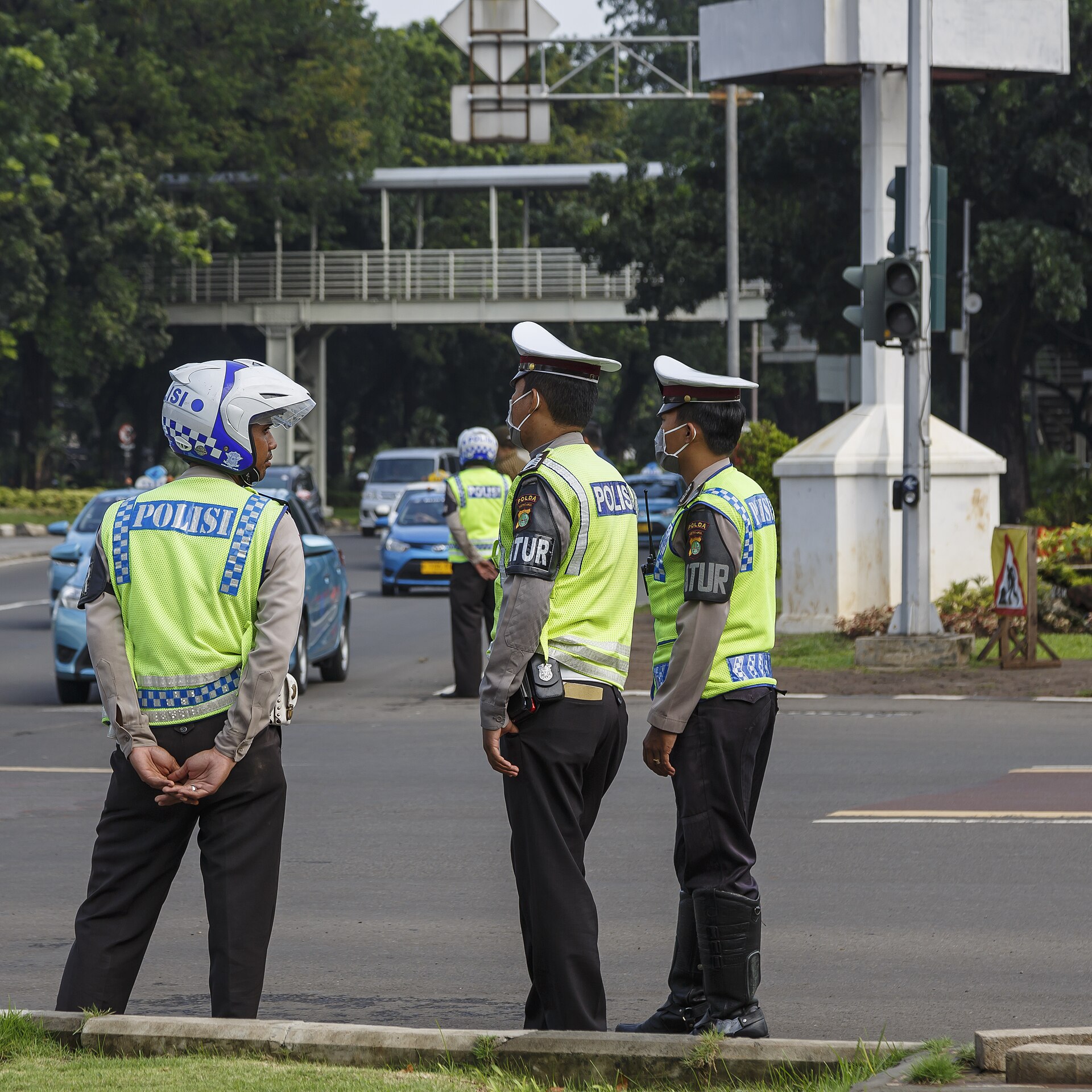
No major drug case in Indonesia is heard in a legal vacuum. The country has some of the strictest drug laws in the world, and trafficking cases there carry consequences that few other jurisdictions match. Reuters noted the landmark that still defines the policy internationally: in 2015, Indonesia executed two Australians from the so-called “Bali Nine” heroin-smuggling ring for attempting to move heroin out of Bali. That history is why a 1.16-ton seizure announced personally by the national police chief is more than a customs statistic — the eight arrested crew members now face an Indonesian justice system that has repeatedly shown it treats large-scale trafficking as a capital category of crime. Their nationality mix — seven Indonesians and one Taiwanese national — also guarantees the case a diplomatic dimension as it proceeds.
What happens next
Investigators’ next steps are predictable in outline, even if officials have not spelled them out. The AIS record and the ship’s documents will be used to reconstruct the voyage and test the crew’s account of the Andaman Sea transfer; the other vessel in that rendezvous is now the most wanted object in the case. Expect authorities to work backwards from the Pasir Gudang departure and forwards from whatever destination the tanker was steering for when it was stopped off Tanjung Balai. And expect the $192.6 million figure to be argued over: police valuations of seized drugs are street prices, and critics of seizure announcements in many countries note that a haul’s wholesale value to the syndicate is far lower — even as defenders answer that the street figure is the honest measure of the harm kept off the market. Both things are true, and neither changes the central fact: a ton-scale shipment, professionally crewed and carefully routed, was stopped because its transponder behaved strangely. The syndicates will study that lesson as carefully as the police did.
Related coverage: Tanker Acers struck in Hormuz escalation · Indonesia haze closes schools in Malaysia and Singapore · Indonesia stocks plunge on MSCI downgrade warning
Sources
Reuters, “Indonesia seizes 1.16 tons of ketamine, police chief says” (October 23, 2026) — reporting by Stanley Widianto from Jakarta, based on national police chief Suyudi Ario Seto’s Friday statement; the same wire was carried by The Edge Malaysia / KLSE Screener and U.S. syndication outlets. Image credits as captioned, via Wikimedia Commons.