Houthi Riyadh attacks October 2026
Houthi Riyadh attacks October 2026Houthi long conflict warning Saudi ArabiaKing Khalid Air Base Houthi attackNajran airport missile attackRiyadh airport closed ballistic missileSaudi Arabia intercepts Houthi missilesHouthi attacks third consecutive dayYemen war escalation Saudi ArabiaDawn of Yemen offensiveRiyadh missile debris kindergarten

What happened Thursday
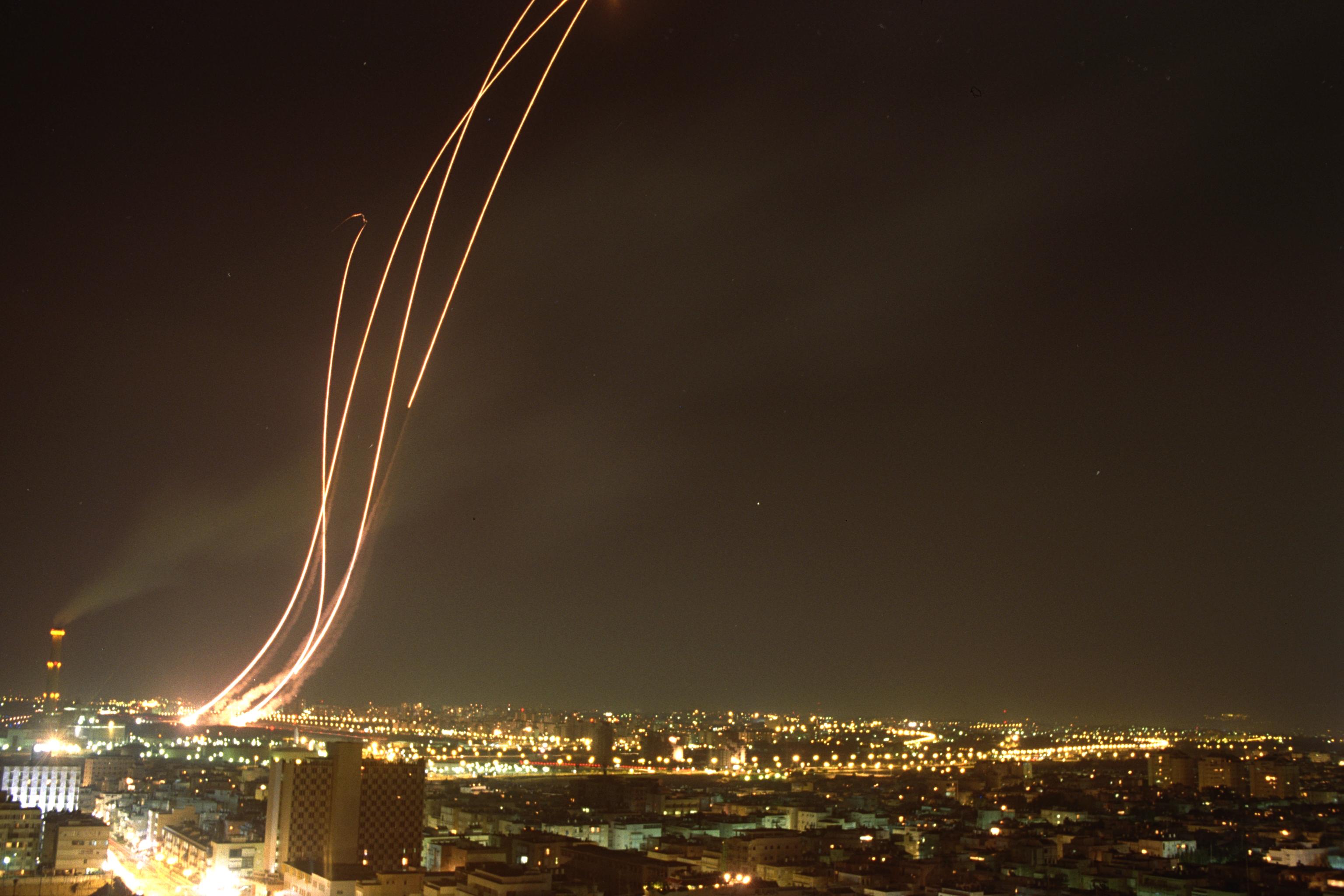
RIYADH, October 8, 2026 — The Houthis said they launched a new wave of cruise and ballistic missiles at King Khalid International Airport in Riyadh, Najran Airport near the Saudi-Yemen border and the Royal Saudi Air Force's King Khalid Air Base. The group also claimed the strikes caused damage and disrupted air traffic; those claims are UNCONFIRMED by Saudi Arabia.
The Houthi leader warned Saudi Arabia to prepare for a “long conflict,” CNN reported, as the cross-border campaign entered a third consecutive day. CNN-verified images posted on X showed smoke over Terminal 4 and what appeared to be a damaged Saudi aircraft. The Associated Press cited a witness who heard several explosions in Riyadh, including at the airport.
Saudi-led coalition spokesman Maj. Gen. Turki al-Maliki said air defenses intercepted and destroyed two ballistic missiles launched toward Riyadh and a third aimed at Khamis Mushait in the southwest. Saudi civil defense authorities said falling debris damaged a kindergarten and a medical complex in the capital, with no casualties reported from that debris.
The US Mission in Saudi Arabia said it was “aware” of attacks targeting Riyadh airport and urged Americans to exercise heightened vigilance because the conflict “has the potential to escalate.” Its notice warned of possible cancellations, airspace closures and travel disruptions. US government employees now need “special authorization” to use the airport and remain barred from traveling within 20 miles of the Yemen border.
Why this matters
The target list marks a consequential shift. The campaign is no longer centered only on civilian aviation: naming King Khalid Air Base brings a Saudi military installation into the same wave. That broadens the contest from coercing travel and commerce to testing the kingdom's military defenses, even though Saudi Arabia has not confirmed the Houthis' claimed damage or disruption.
A leader-level warning of a “long conflict” also signals something more structural than a short retaliatory raid. The Yemen front is increasingly tied to the wider US-Iran conflict and to a fight over the Red Sea approaches. Each new round therefore carries escalation pressure beyond the immediate Saudi-Houthi battlefield.
The first reported incident of interception debris reaching a kindergarten and medical complex brings the cost of air defense into civilian spaces inside the capital. Even without casualties in Thursday's debris incidents, that changes the domestic political calculation: successful interception can still produce harm on the ground. The US Mission's formal warning, meanwhile, converts battlefield risk into operational restrictions for foreigners and businesses.
Background: how we got here
Tuesday and Wednesday brought attacks on Saudi airports before Thursday's expanded wave. Saudi Arabia's General Authority of Civil Aviation said three civilians were killed and 36 wounded in attacks on King Khalid International Airport and Abha International Airport over the preceding two days. The Houthis have framed their missile campaign as a response to Saudi backing for Yemen's internationally recognized government; Riyadh says it is supporting a government offensive against Houthi gains.
That offensive, called “Dawn of Yemen,” is aimed in part at the Red Sea coast and the Bab el-Mandeb corridor. The International Organization for Migration says more than 200,000 people have been displaced since the latest round of fighting began. The human movement matters as much as the military map: territorial pressure on the coast is feeding cross-border strikes while uprooting civilians inside Yemen.
The Saudi front is now a second spillover arena alongside the Strait of Hormuz, where tanker attacks and closures have already shaken shipping. Bab el-Mandeb and Hormuz sit at opposite ends of the region's energy routes; simultaneous instability in both corridors magnifies insurance, freight and oil-market risk.
Who gains, who loses, what the critics say
From the Saudi and coalition perspective, interception figures demonstrate that the defense network is working and that pressure on Houthi positions is necessary to protect civilian infrastructure. Supporters of the offensive argue that allowing the Houthis to consolidate territory around Bab el-Mandeb would make both Saudi cities and international shipping more vulnerable.
The Houthis say their attacks answer Saudi support for the “Dawn of Yemen” offensive and are intended to impose costs on the coalition. Their ability to disrupt schedules and trigger warnings gives them leverage even when missiles are intercepted. But their claims of damage and disrupted air traffic in Thursday's wave remain UNCONFIRMED by Saudi Arabia, and attacks around civilian airports expose passengers and airport workers to direct danger.
Civilians lose most clearly. Saudi residents and travelers face missile fire, cancellations and falling debris, while Yemeni families face displacement and renewed fighting. Regionalization raises the stakes further: Pakistan has confirmed troops are already in Saudi Arabia under the Mecca defence pact, Syria is considering military aid, and Turkey's eventual position remains another regional variable. Those choices can strengthen Saudi defenses, but they also create more pathways for the war to widen.
What the numbers mean
Three killed and 36 wounded: Saudi GACA's total from the airport attacks over the previous two days shows that the campaign had already turned deadly before Thursday's debris incidents. The dead and wounded are civilians, not an abstract measure of missile volume.
Three interceptions Thursday: two missiles toward Riyadh and one toward Khamis Mushait indicate a geographically distributed salvo. The record also shows the limit of treating interception as a binary success: debris can still damage populated sites.
Hundreds of flights cancelled: Lufthansa Group, Air India, IndiGo and Akasa Air suspended Riyadh service as airlines repriced the risk in real time. The travel shock is an economic weapon of its own, interrupting labor, business and family movement even without a formal nationwide airspace closure.
Associated Press reporting also described oil-price movement as traders absorbed the risk of a wider conflict. The direction matters more than a single intraday quote: another active front near regional energy routes adds a new premium to already volatile markets.
What happens next
The first scenario is an air-defense surge around Riyadh, southern cities and military bases, potentially reinforced by allies. That can reduce the chance of a direct hit but cannot remove the danger from debris or the economic effect of repeated alerts.
The second is a larger coalition strike package against launch sites, storage facilities and command networks in Yemen. Such strikes may suppress some capacity; they may also trigger more launches and deepen displacement. The central question is whether military pressure changes Houthi calculations or hardens the campaign the group's leader now describes as long-term.
A de-escalation track would require restraints on both the cross-border missile campaign and the “Dawn of Yemen” offensive, with outside mediators creating enough space for talks. The widening role of Pakistan, Turkey and potentially Syria could support deterrence or diplomacy, but any attack on their personnel could pull additional governments deeper into the conflict. Thursday's wave does not establish which path will prevail. It does show that the conflict has moved beyond a contained border fight.
Related coverage
Sources
- CNN — Riyadh attacks and Houthi long-conflict warning
- Associated Press
- Agence France-Presse
- Washington Examiner — Riyadh airport disruption and interception report
- The Algemeiner — Houthi escalation and airport smoke report
Claims are attributed to the governments, armed group, witnesses and reporting organizations that supplied them. Saudi Arabia had not confirmed the Houthis' claimed damage and air-traffic disruption at publication.