A solo appearance with institutional weight
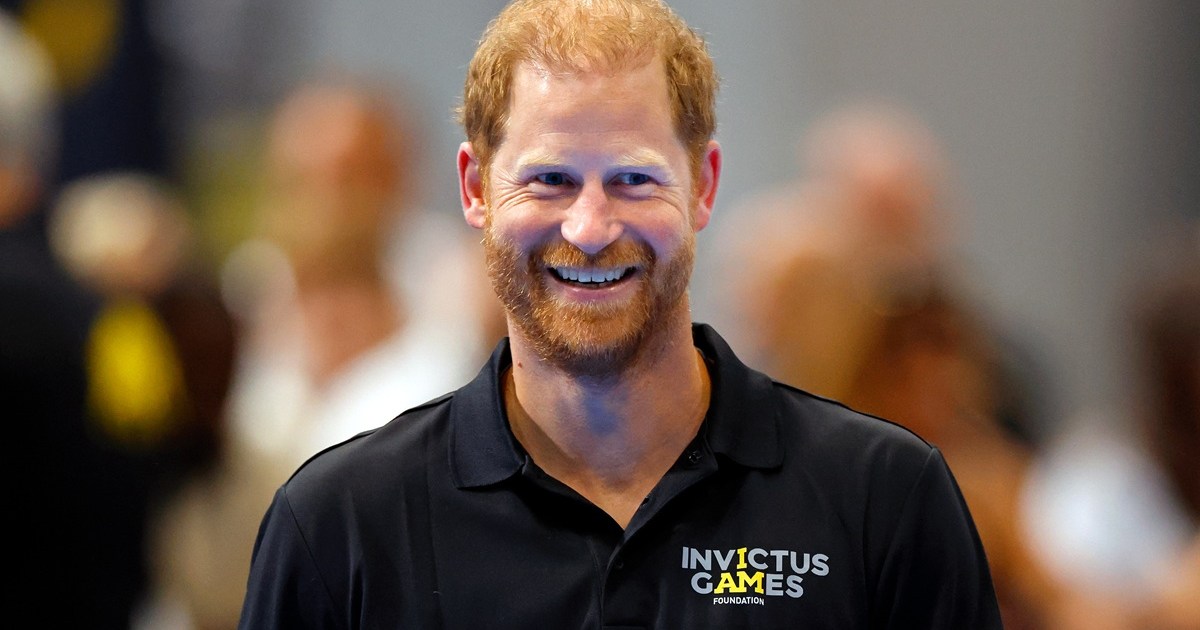
Prince Harry attended the Invictus Spirit Awards in London on September 17, his first public event since he and Meghan returned to Britain. The family arrived August 26, six years after leaving for the United States; Archie, 7, and Lilibet, 5, began school in the UK this month. Harry had also spent September 4 at Tower Bridge Studios on an undisclosed project. Meghan has not made a public appearance since the move, though she has shared glimpses online.
Why Invictus comes first
Invictus is Harry’s strongest public asset because its purpose does not depend on royal rank. The games link his military identity, veterans’ advocacy and organizational leadership. A palace title can be clarified or withdrawn; a commercial deal can expire; a charity with participants, host governments and a decade of history is harder to dismiss as branding. Leading with Invictus therefore minimizes the ambiguity surrounding the family’s return.
The King’s letter resets the terms
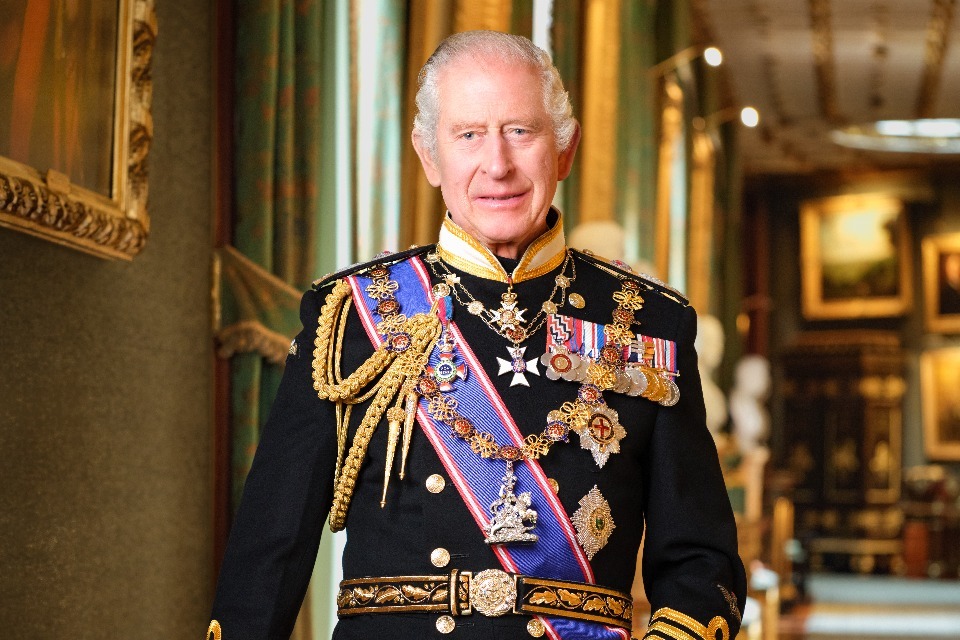
In a September 7 letter to senior officials, King Charles said the Sussexes remain private citizens with commercial and charitable interests and that the 2020 arrangement had not changed. The couple were reportedly surprised. The wording is a palace power move because it prevents proximity from being interpreted as restoration. It also protects government and diplomatic hosts from assuming Harry speaks for the Crown.
Uganda shows why status matters
Uganda withdrew from the 2027 Invictus Games after the letter, then rejoined September 14 following a call between the King’s private secretary, Sir Clive Alderton, and General Muhoozi Kainerugaba. The reversal shows how royal language can spill into an international sporting event. Invictus needs Harry’s visibility, but host-state participation can become entangled with questions about protocol, prestige and whom governments believe they are dealing with.
Winners, losers and the Sandringham comparison
The King gains a clean constitutional line and reduces the risk of a half-in, half-out arrangement that the late Queen rejected in 2020. Invictus retains its founder and Uganda’s participation. Harry gains a platform but loses ambiguity that might have enhanced commercial value. The palace also carries risk: if clarification appears punitive, sympathy can move toward the Sussexes. The difference from Sandringham is that the family now lives in Britain, making the boundary visible in daily geography rather than transatlantic distance.
The brand question
Harry’s commercial value has partly rested on access to royal experience. A formal reminder that he is a private citizen narrows the range of implied authority while leaving celebrity intact. That can be healthy if projects are judged on quality rather than proximity. Meghan’s lower public profile may be deliberate: visibility can be increased later, while a chaotic launch cannot be undone.
The next twelve months
The base case is parallel activity: family life in Britain, Harry leading Invictus and charitable work, Meghan choosing selective appearances, and the palace maintaining formal distance. A warmer scenario would include family contact without a change in constitutional status. A conflict scenario would emerge if commercial projects imply institutional backing or if Invictus hosts reopen protocol disputes. The decisive test is whether all sides can distinguish private reconciliation from public role.
Why Invictus can survive royal ambiguity
The games have tangible constituencies: wounded, injured and sick service personnel, families, national teams, volunteers and host organizations. That network gives Invictus resilience because participants can describe its value without resolving Harry’s relationship with his father. The founder’s visibility opens doors, but the institution’s legitimacy ultimately depends on governance, safeguarding, finances and the experience of competitors. Uganda’s brief withdrawal illustrates the risk of overpersonalization: if participation turns on palace protocol, athletes become exposed to a dispute they did not create. The long-term solution is not to minimize Harry. It is to make roles explicit so that governments understand whether they are engaging with a charity, a private public figure or the Crown.
Family reconciliation versus constitutional restoration
Public discussion often collapses two questions into one. Harry can repair private relationships and live near relatives without resuming duties as a working royal. The King’s letter insists on that separation. It may feel emotionally cold, but constitutional institutions depend on role clarity: who receives public funding, who represents the state and whose commercial activity is compatible with official status. A private family rapprochement could therefore coexist with a firm “no” to half-in, half-out service. The challenge for all sides is resisting symbolic tests in public. Attendance at a family event need not signal policy; absence from a state ceremony need not prove estrangement. If they can hold that distinction, Britain may see less drama even as the Sussexes become more physically present.
Sources: People event report; Reuters status-letter report; USA Today status report. Facts and figures are a fixed September 18, 2026 reporting snapshot and do not update live.