Prince Harry teleprompter glitch speech
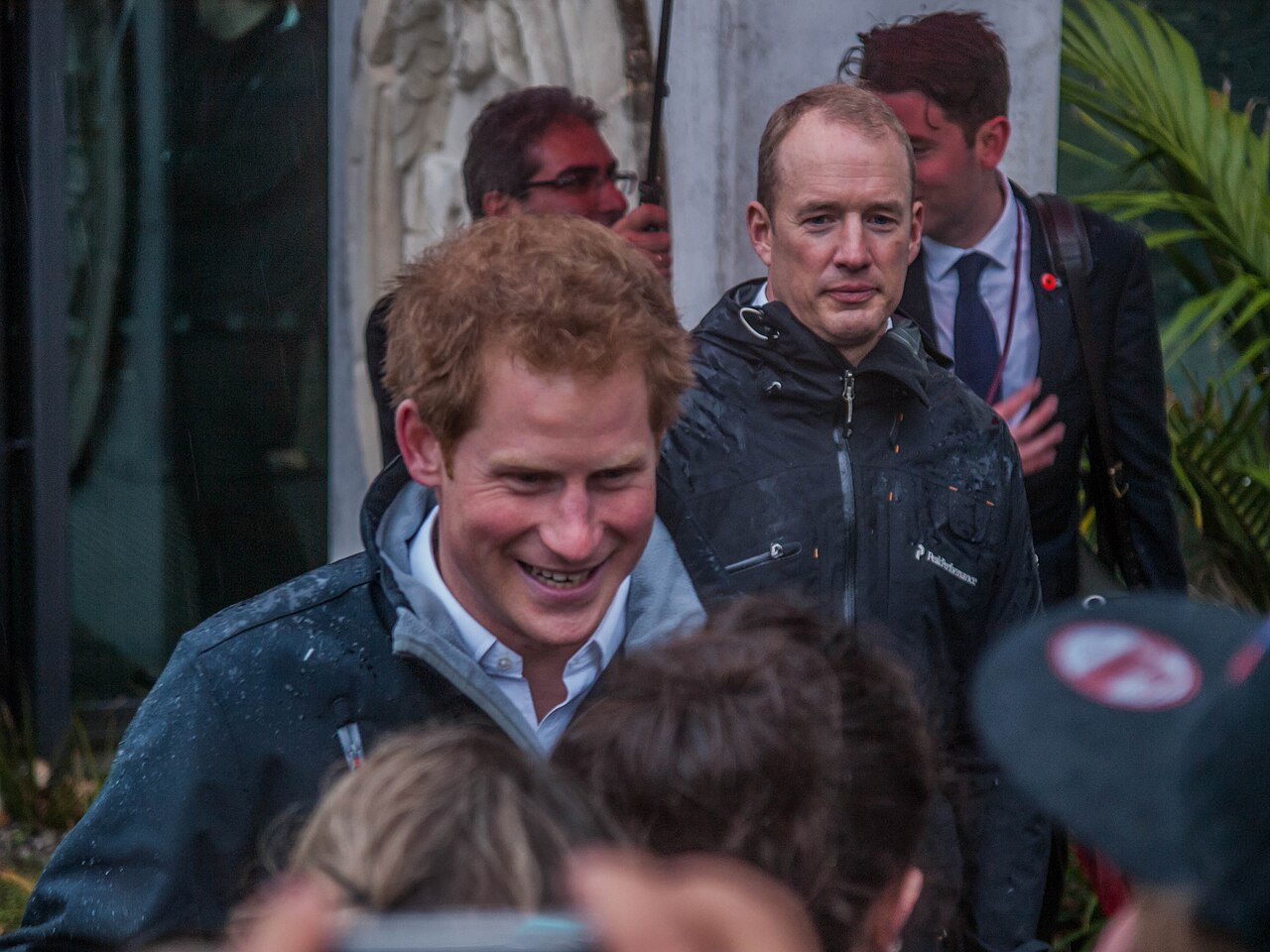
NEW YORK — The Prince Harry teleprompter glitch speech at the Clinton Global Initiative on September 23 became an unusually literal illustration of his warning about technology: seven minutes into an address on children and artificial intelligence, the display failed, he stopped and left the stage, then returned about 40 minutes later with a joke that "AI got into my speech."
Harry, 42, was speaking in the first mainstage session of the annual meeting, titled "Getting Disruption Right." It was his first public appearance in the United States since returning to live in the United Kingdom with Meghan and their children, Archie, 7, and Lilibet, 5.
The interruption is verified as a teleprompter fault. A spokesman confirmed the equipment problem. There is no evidence that an artificial-intelligence system caused it; Harry's line was a joke, not an attribution of the failure.
Why this matters
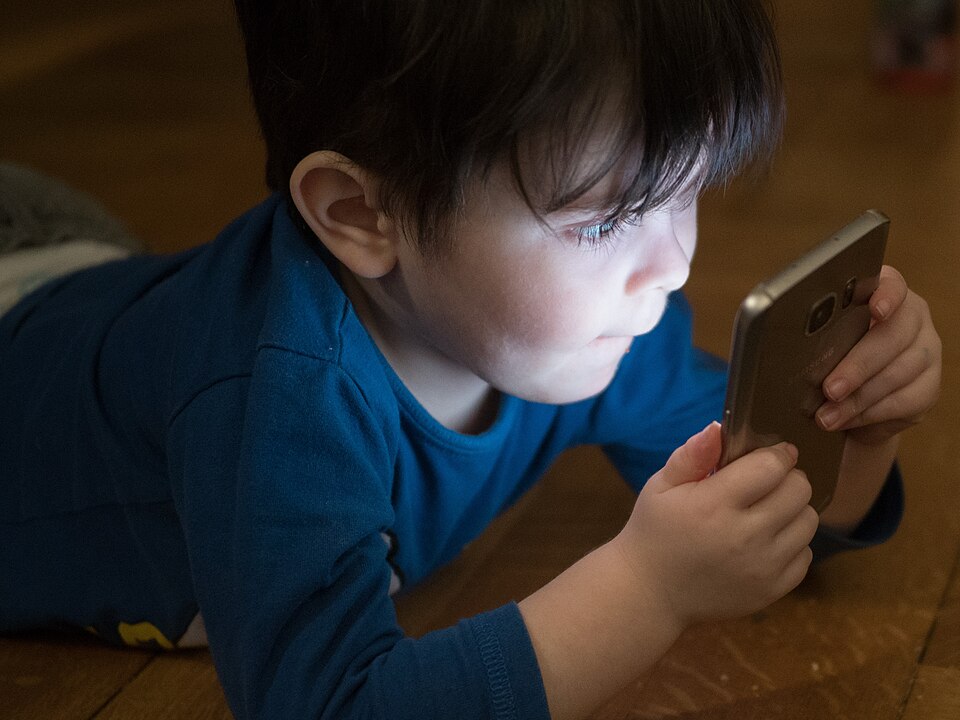
The viral clip is easy to treat as a comic celebrity moment. The more consequential part was Harry's attempt to redraw the public-safety debate. Social-media companies learned to optimize for attention; generative systems can now participate in conversations that feel personal, responsive and private. That shift changes the risk from what a young person sees to whom—or what—they may trust.
His argument matters because the next policy fight will not be settled by a general promise to make technology safer. The operative questions are narrower: what duties apply when a system simulates companionship, what safeguards should exist for minors, what evidence companies must preserve, and who is accountable when a product's behavior is alleged to contribute to harm.
What he actually said
Harry's central contrast was concise: "Social media learned how to capture our attention. AI is learning how to enter our relationships." He described AI as more persuasive, intimate and powerful than the social media systems that, in his account, had already harmed a generation.
Speaking "as a father," he invoked parents whose children died after social-media harms and referred to lawsuits alleging that AI companion chatbots contributed to teenagers' deaths. Those cases remain allegations in an early wave of litigation, not final proof about every product or every interaction. Press Association reporting said suits have been filed and settled, underlining that the legal record is developing rather than complete.
Harry rejected the idea that progress requires accepting unbounded risk. "Innovation has never required us to gamble with our children's lives. We should not accept that bargain now," he said. He also argued that the timetable for intervention is shorter than it was during the rise of social platforms: "The damage was already done to a generation of children and parents. We do not have years for what comes next."
The glitch, minute by minute
About seven minutes in: the teleprompter stopped. Harry paused, said, "And that's it," put down the microphone and exited. The abrupt ending initially left open whether the speech itself had concluded.
During the break: a spokesman confirmed that the teleprompter had failed. That confirmation is important because the later AI line can sound like a factual explanation when detached from the sequence.
Roughly 40 minutes later: Harry returned to the stage. "Hello again. So AI got into my speech, so I was asked to come out and finish it," he said, before adding: "Interesting to see what it was so concerned about in part two." The joke supplied the shareable ending that the first attempt lacked.
Background: Harry's online-safety record
The speech extended a campaign rather than launching one. Archewell started the Parents Network in 2024 to support families affected by online harms and to press for safer digital products. Harry's public framing increasingly links that earlier social-media work to AI systems that can sustain one-to-one exchanges.
That continuity is also visible in his family-centered language. In recent appearances, including his longstanding work with the WellChild Awards, he has used the perspective of caregiving to make public-interest arguments. His latest New York speech came shortly after his return to public engagements in London, reinforcing the split between his British charitable ties and independent advocacy abroad.
Who benefits, who loses
Families and child-safety advocates benefit when a high-profile speaker directs attention toward product design, evidence preservation and duty of care rather than asking parents to manage every risk alone. The viral joke widened the audience for a speech whose substantive claims might otherwise have remained inside a conference hall.
Responsible developers could benefit from clearer expectations that reward safeguards instead of treating them as a competitive disadvantage. But companies building companion-style systems face sharper scrutiny, higher compliance costs and potential litigation exposure if persuasive engagement features are alleged to have amplified foreseeable harm.
Public understanding can lose if the glitch eclipses the argument. A memorable line about AI "getting into" the speech is not evidence of an AI malfunction, nor does it establish that every chatbot is dangerous. The strongest case for safeguards depends on keeping jokes, allegations, verified incidents and analysis in separate categories.
What the numbers mean
Seven minutes measures how quickly the first delivery ended; it does not measure how much of the prepared text was missing. About 40 minutes measures the delay before Harry returned; it does not show who repaired the equipment or how. Those figures establish the chronology, not the cause.
2024, the launch year of the Parents Network, shows that Harry's online-safety advocacy predates this speech. Ages 7 and 5 explain the personal context for his "as a father" framing but should not be used to speculate about his children's own technology use.
The litigation count is less settled than the timeline. Reports describe multiple cases involving AI companion chatbots, including filings and settlements, but an early wave of lawsuits is not a uniform body of judgments. A settlement can resolve a dispute without establishing a general legal rule.
What happens next
1. The unfinished policy argument will be compared with the viral clip. The test is whether coverage and conference follow-up preserve Harry's distinctions between attention systems, intimate AI interactions and proven harm.
2. Courts and product changes will provide harder evidence. Filings, settlements, safety updates and any judicial findings will show whether the first cases generate enforceable standards or remain fact-specific disputes.
3. The Clinton Global Initiative continues. Chelsea Clinton promoted the second day of #CGI2026, giving organizers another opportunity to turn a headline moment into concrete commitments. Any claim of progress should be judged against published safeguards, deadlines and accountable institutions—not applause or virality.
The glitch made the speech famous. Whether the warning matters will depend on what governments, courts, developers and families can verify after the attention moves on.
Sources
- Press Association via Leigh Journal — speech chronology, remarks, spokesman confirmation and litigation context.
- USA Today — stage sequence, timing, age and quotations.
- Tyla — September 23 appearance, family ages and return-stage remarks.
- Mandatory — Parents Network background.
- E! News video citing The Independent — return-stage remarks.
Related reporting: Prince Harry's return to public engagements in London · Harry's WellChild Awards role
Reporting basis: Press Association reporting and corroborating coverage listed above. The analysis of incentives, policy implications and the limits of the viral framing is Signal Post News's own. This is a fixed September 24, 2026 reporting snapshot and does not update at page open.