The family arrived in Britain on August 26 after reports that they would relocate from California to a private residence outside London. Their exact home and the children’s school have not been disclosed, and there is no public-interest reason to speculate about either. What is confirmed is that Archie and Lilibet began the British school year in September.
The return follows a July family visit that included a meeting with King Charles and Queen Camilla. It also comes six years after Harry and Meghan stepped back from royal duties. That 2020 settlement remains the key framework: living in Britain does not restore an official palace role, public funding or automatic participation in state engagements.
Public work, private status
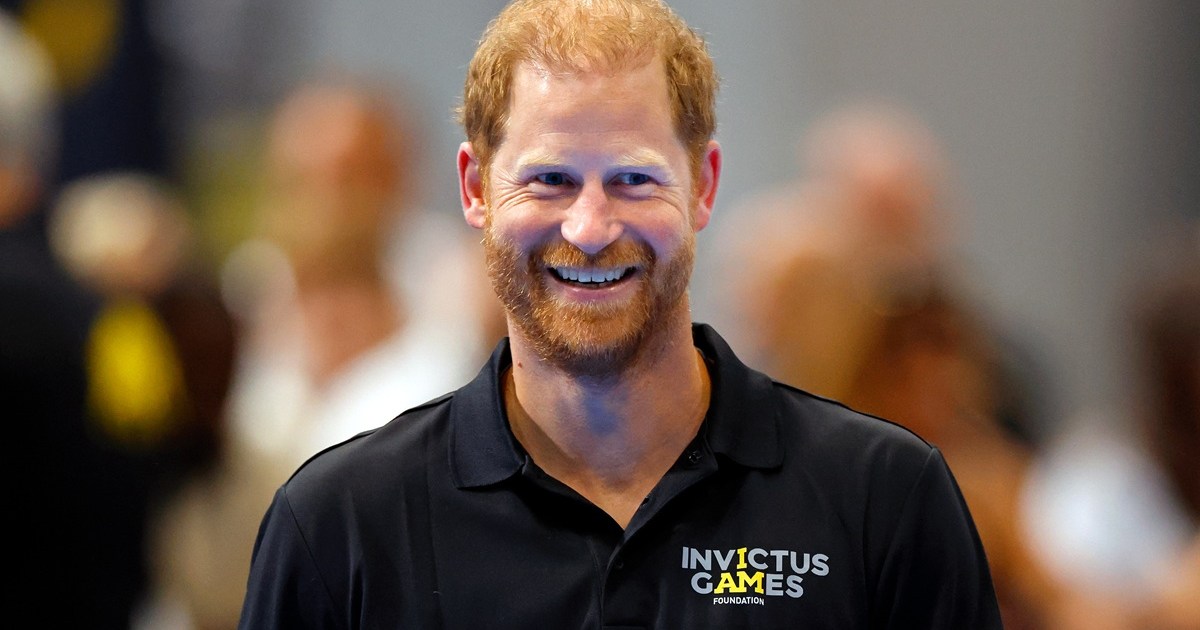
Harry’s first major appearance after the move was the inaugural Invictus Spirit Gala at the Old Royal Naval College on September 17. Invictus is closely associated with his charitable identity, but it is not an engagement carried out on behalf of the monarch. Reporting also described a palace communication reminding officials to treat the Sussexes as private citizens with commercial and charitable interests. The exact wording was reported secondhand, so the distinction matters more than any attributed phrase.
On the same day, the Prince and Princess of Wales visited the Isle of Bute in Scotland. The parallel schedules illustrate how the current arrangement works: separate offices, separate causes and no need to interpret every calendar overlap as a family signal.
What remains unknown
There is no confirmed timetable for Meghan’s public appearances, no published coordination plan between the households and no reliable basis for predicting holidays or reconciliation. Security arrangements also remain a sensitive, partly legal matter. Responsible coverage can track formal decisions and public events without converting the children’s routines into spectacle.
A return to Britain is a change of home, not a return to the royal rota.
Why this matters
The return tests whether proximity can coexist with institutional separation. Geography may soften family distance and simplify British charitable work, but it also revives public expectations that private movement must signal constitutional change. The monarchy’s stability depends on keeping those categories clear.
How we got here
The 2020 settlement separated the Sussexes from working-royal duties while leaving family relationships intact. Six years of litigation, media conflict and independent commercial work made that boundary part of the public understanding. Historically, royal relatives have lived near the institution without representing it; what is new is the speed at which every appearance becomes global narrative.
Winners, losers and the skeptical case
Harry’s charities gain easier access to British events, and the family may gain private contact. Palace offices face renewed coordination pressure, while media organizations gain an endlessly marketable reconciliation frame. Critics on both sides may interpret any contact as victory or betrayal; that binary view ignores the workable middle ground of family relationship without restored public office.
What the evidence actually says
The strongest facts are the August arrival, the children beginning the school year and a September 17 Invictus appearance. There is no published plan restoring funding, state duties or a shared office. The six-year comparison therefore shows continuity in constitutional status despite a major change in residence—a useful example of why personal and institutional timelines must be read separately.
What happens next
The base case is selective public work under the Sussexes’ own organizations, alongside private family contact and tightly separated palace calendars. A warmer scenario produces occasional family appearances without formal duties; a conflict scenario revives disputes over security and media access. The most reliable signals will be official schedules and legal decisions, not unnamed forecasts about reconciliation.
Sources: The move and arrival were reported by Reuters on August 26 and Reuters on August 20; context and the September 17 public appearance from Reuters and CNN.