Politics · Justice Department
The Cassidy Hutchinson grand jury has said no. A federal grand jury in Washington on Tuesday declined to indict the former White House aide over the testimony she gave Congress about President Donald Trump and January 6, according to sources familiar with the matter who spoke to Reuters, the Associated Press, CNN and CBS News — a rare public rebuke, delivered in private, to a Justice Department that had spent months investigating one of the president’s most damaging witnesses. The prosecutor who announced the outcome in court did not name her. Everybody reporting it knew exactly who he meant.
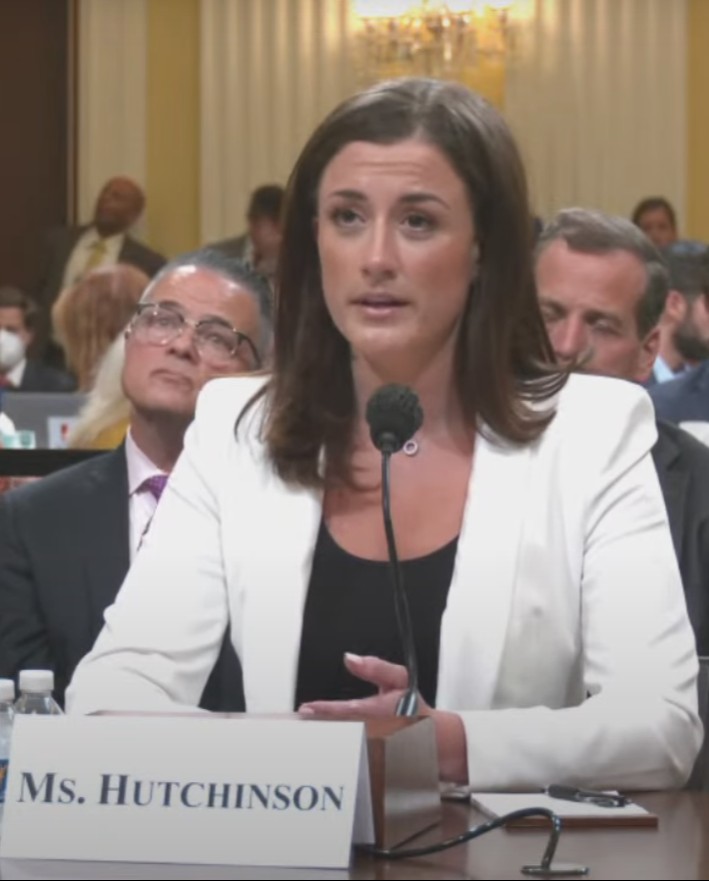
WASHINGTON — Justice Department prosecutors on Tuesday tried and failed to secure a grand jury indictment of former White House aide Cassidy Hutchinson over her testimony about President Donald Trump’s role in the January 6, 2021, attack on the US Capitol, according to two people familiar with the matter who spoke to CNN, and to sources who gave the same account to Reuters, the Associated Press and CBS News. Hutchinson, who served as a senior aide to Trump’s chief of staff Mark Meadows, was the star witness of the House January 6 committee: her televised testimony on June 28, 2022, described an angry president who had been told his supporters were armed, who demanded to be driven to the Capitol, and who, on her account, lunged toward the steering wheel of his vehicle when the Secret Service refused.
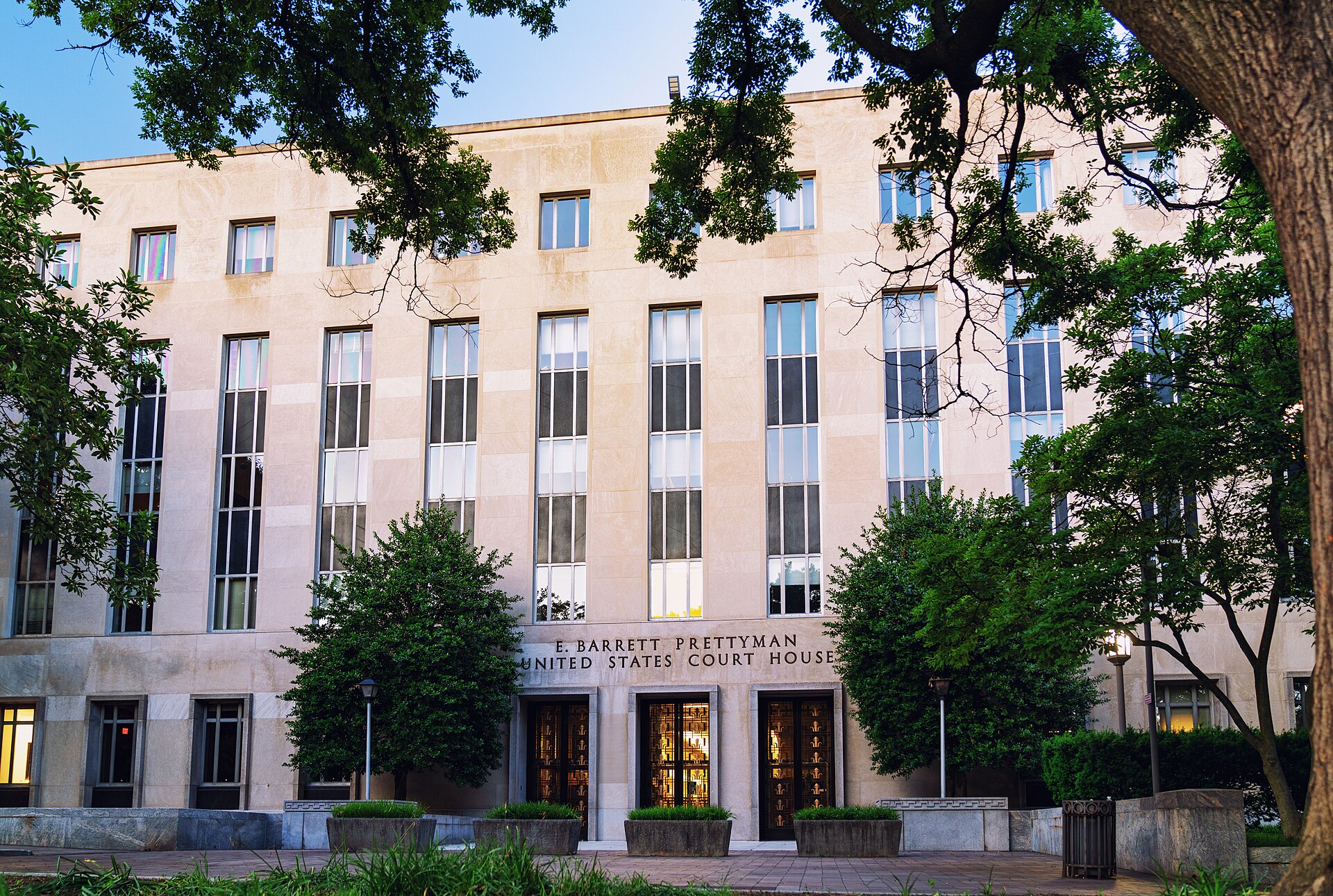
The outcome surfaced almost sideways. In a brief court appearance on Tuesday, a Justice Department attorney told US Magistrate Judge Zia Faruqui that a grand jury had submitted a “non-concurrence” — the formal term for a panel rejecting the indictment prosecutors sought — Reuters and CNN reported. The prosecutor did not reference a defendant by name in court, and grand jury proceedings are secret. But the sources familiar with the matter confirmed to multiple outlets that the case was Hutchinson’s. CBS News, citing four sources briefed on the proceedings, reported that the Justice Department litigator who addressed the court was Neville Hedley of the department’s Civil Rights Division, and that the division has been handling the Hutchinson investigation. Hutchinson’s attorneys did not respond to requests for comment, CNN and Reuters reported, and she has maintained throughout that her testimony was truthful.
What prosecutors were asking for — and what is still not public
The precise charges prosecutors presented have not been made public, and that restraint matters for how this story should be read. Reporting by the AP, the New York Post and others describes the case as an allegation that Hutchinson lied to Congress — that she gave false testimony to the select committee — an accusation Republican lawmakers allied with the president had made for years and eventually referred to the Justice Department. The Wall Street Journal reported that the investigation began in April, after the department received a referral from a member of Congress accusing Hutchinson of lying during her June 2022 testimony. NBC News reported that the grand jury heard evidence in early October. None of that evidence is public. A grand jury’s refusal is not a verdict on whether testimony was true or false; it is a finding that the government did not clear even the comparatively low bar of probable cause in front of the citizens empanelled to judge it.
That distinction cuts both ways, and an honest account has to hold both ends of it. Hutchinson’s critics are entitled to note that a no-bill is not an acquittal and not a judicial finding that everything she said was accurate — parts of her account were secondhand when she gave them, she said so herself at the time, and some of it was later disputed by the very officials she quoted. Her defenders are entitled to note something equally concrete: prosecutors who had investigated her since April, with the full resources of the Justice Department and a referral from Congress in hand, could not persuade a Washington grand jury to indict. In a system built on the old line that a prosecutor who wants one can indict a ham sandwich, Tuesday’s panel looked at the government’s case against the most prominent January 6 witness still in legal jeopardy — and sent it back.
The testimony that made her a target
To understand why this case existed at all, you have to go back to a hearing that was announced only a day in advance and watched, live, by millions. Hutchinson was 25 years old, a former special assistant to the president and senior aide to Meadows, positioned close enough to the Oval Office on January 6 to hear and see much of what she described. She testified that Trump had been told some of his supporters at the Ellipse rally were carrying weapons, and that he demanded the magnetometers — the “mags” — be taken away anyway. “I don’t effing care that they have weapons,” she recalled him saying. “They’re not here to hurt me. Take the effing mags away. Let my people in.” She described being told by deputy chief of staff Tony Ornato that, after the rally, Trump had tried to force his motorcade to the Capitol and had lunged toward the steering wheel and at a Secret Service agent when he was refused — an account she was careful to present as what Ornato had told her, not something she witnessed herself. And she testified that as the riot unfolded and the crowd chanted about hanging Vice President Mike Pence, Trump declined to intervene, and Meadows told colleagues the president did not want to do anything about it.
The disputes came quickly and have never entirely gone away. Ornato denied the steering-wheel account. The Secret Service driver of the vehicle, in a transcribed interview with committee investigators made public in March 2024, said Trump had insisted on being taken to the Capitol but “never grabbed the steering wheel” or lunged toward the front seat. Former special counsel Jack Smith, who secured an indictment of Trump himself in 2023 over efforts to overturn the 2020 election, later downplayed Hutchinson’s value as a witness in a December 2025 closed-door interview, describing parts of her account as secondhand hearsay — while the case he built did not depend on her. Trump has repeatedly disputed her testimony and called for her to be prosecuted. Hutchinson, for her part, published a memoir, Enough, in 2023, and has never recanted the testimony. That unresolved argument — a witness who says she reported honestly what she saw and was told, officials who say the most explosive detail did not happen, and a former prosecutor who treated her as corroboration rather than foundation — is the ground on which the Justice Department chose to build a perjury-style case. It is also, on Tuesday’s evidence, the ground on which a grand jury declined to follow it.
Why this matters
Grand juries almost never say no. The standard is probable cause, the proceedings are controlled by prosecutors, the target has no right to present a defence, and federal grand juries return indictments in the overwhelming majority of cases put to them. That is precisely why a string of refusals, in case after case arising from the same political project, is a story bigger than any one defendant. CNN, cataloguing Tuesday’s outcome, put it plainly: grand juries have declined to bring charges in several cases since Trump returned to office, including a single charge against former FBI Director James Comey and full indictments against New York Attorney General Letitia James and six lawmakers who had urged service members to disobey illegal orders. Add Hutchinson’s name to that list and a pattern stops looking like a run of bad luck. It looks like a repeated finding, by ordinary citizens in the room where the evidence is actually presented, that the cases being brought against the president’s perceived adversaries do not meet the lowest charging standard in American law.
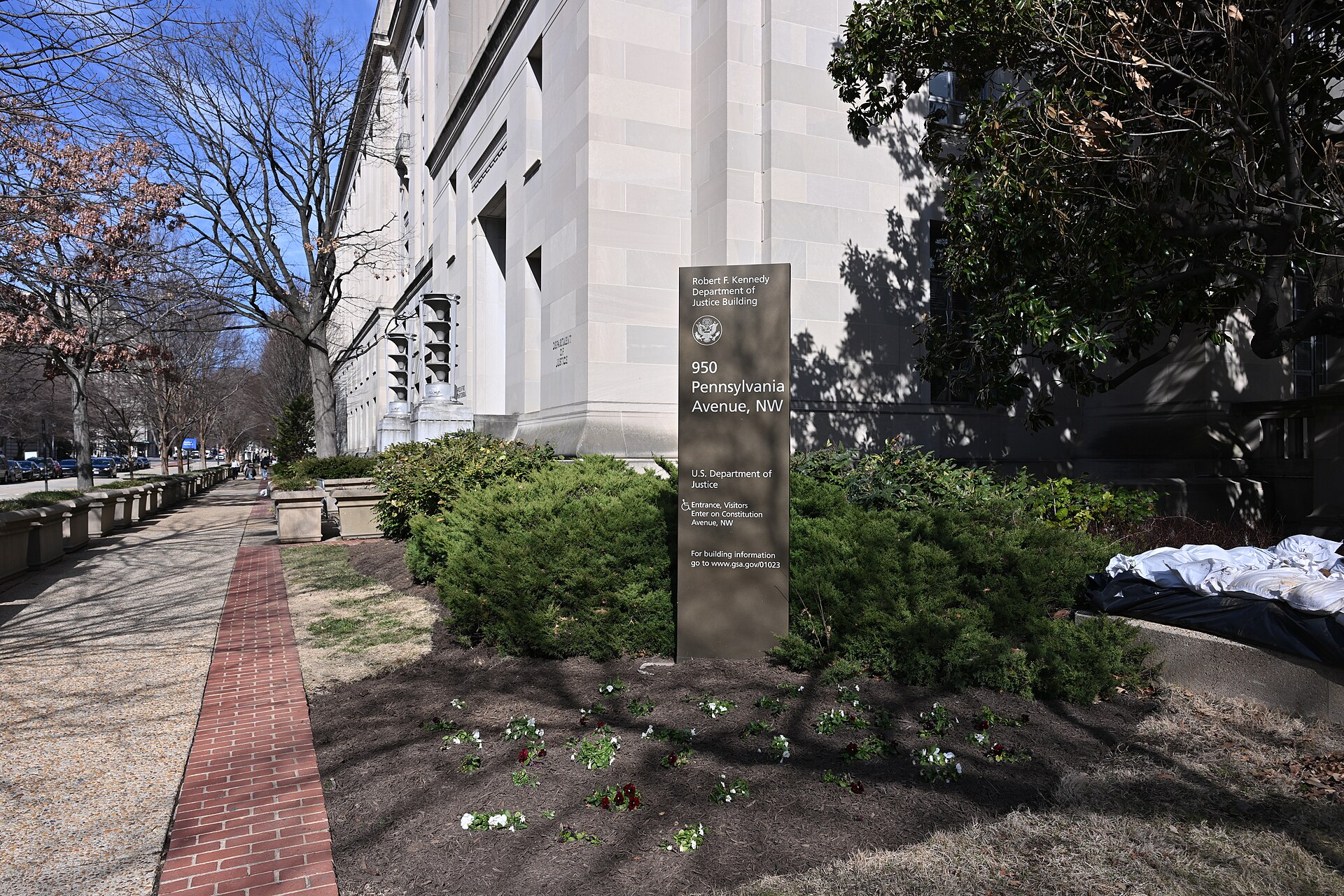
The internal argument matters too. CNN reported that Hutchinson’s potential prosecution had become a point of controversy between lawmakers and Justice Department employees, and that some inside the department believed there was not enough evidence to bring a viable criminal case. Republican Senator Bill Cassidy of Louisiana — no relation to the witness, and no ally of hers politically — called the matter an act of “lawfare” directed by the president, CNN reported. When the criticism of a prosecution comes from inside the building presenting it and from senators of the president’s own party, and the grand jury then refuses it anyway, the department is left holding all three verdicts at once: its own lawyers doubted the evidence, its own party’s lawmakers doubted the motive, and the public’s representatives doubted the case. A Justice Department can survive any one of those. Absorbing all three, repeatedly, in the final week before midterm elections fought substantially over the cost of living and the conduct of this administration, is a different kind of problem — one measured not in courtrooms but in institutional credibility, the currency every future prosecution, legitimate ones included, has to spend.
The politics around the courtroom
None of this happened in a political vacuum, and the week’s wider record is the context Washington will read it in. The Wall Street Journal, reporting the no-bill, noted that department officials have been under pressure from the president ahead of Election Day to show progress on the administration’s plan to, in the Journal’s phrase, even the score — and that in the last two weeks alone federal agents searched the home of Representative Ilhan Omar, a leading Trump critic, as part of an immigration probe; charged a pair of former FBI intelligence officials with lying to Congress over their roles in investigations of Hunter Biden; and charged Comey again, in a third case, relying on an unusual procedural move to extend the statute of limitations. Signal Post News has covered each of those steps as they happened — the third case against James Comey, the charges against the former FBI officials, and the search of Ilhan Omar’s home. Tuesday’s grand jury was the first body in that sequence with the power to say no, and it used it.
There is a harder question underneath the politics, and it belongs to neither camp’s talking points. Lying to Congress is a real crime, and Congress’s ability to investigate anything depends on witnesses believing that false testimony carries consequences. If Hutchinson lied, the system failed on Tuesday to punish it. But the same system’s protection against the opposite abuse — a government prosecuting a witness because her truthful testimony damaged the president — is exactly the institution that just operated: a grand jury of citizens, hearing the evidence in secret, refusing to convert a political referral into a criminal charge. Both principles cannot be vindicated by the same event, because the underlying facts remain genuinely disputed and partly unknowable from outside the room. What can be said, on the public record, is narrower and still significant: the government investigated for six months, presented its best case to the one body constitutionally assigned to test it, and that body was not persuaded there was probable cause. In the American design, that is not a technicality. That is the finding.
What happens next
Legally, a no-bill does not end the department’s options. Prosecutors may present a case to a grand jury again, with the same or additional evidence, and no double-jeopardy protection attaches to a person who was never indicted. Whether this department tries again is a decision that will be read, fairly or not, against everything above: the internal doubts CNN reported, the “lawfare” criticism from within the president’s party, and the accumulating list of refused cases. A second presentation that produced an indictment would be lawful and would still face the far higher trial standard of proof beyond a reasonable doubt, in front of another Washington jury, with Hutchinson entitled to the defence she had no right to mount in the grand jury room. A decision to let the matter drop would close the last active legal threat hanging over the January 6 committee’s most consequential witness, more than four years after she sat down in that hearing room and changed the country’s understanding of a day it thought it had already seen.
Politically, the timing could hardly be sharper. Voters go to the polls on November 3 with the administration asking them to judge its record; its Justice Department has just been handed, by a grand jury, a one-word assessment of the case it built against Cassidy Hutchinson. She did not speak on Tuesday, and neither did the department. The grand jury, in its way, spoke for both of them.
Sources: Reuters (October 27–28, 2026) on the grand jury’s refusal, the prosecutor’s statement to Magistrate Judge Zia Faruqui and Hutchinson’s position that her testimony was truthful; CNN (October 27–28, 2026) on the non-concurrence, the pattern of declined cases, internal Justice Department doubts and Senator Bill Cassidy’s “lawfare” criticism; the Associated Press, via syndication (October 27–28, 2026), on the two sources confirming Hutchinson as the target and the disputed elements of her 2022 testimony; CBS News, via The States Journal (October 27, 2026), on the Civil Rights Division’s role and litigator Neville Hedley’s court appearance; the Wall Street Journal (October 27–28, 2026) on the April referral that opened the investigation and the department’s wider week; USA Today (October 27, 2026) on the substance of Hutchinson’s 2022 testimony. The proposed charges and the grand jury’s evidence have not been made public; Hutchinson’s identity as the target rests on sources familiar with the matter speaking to multiple outlets, as reported above, and the Justice Department did not name her in court.