Politics / Justice — Two former senior FBI officials who ran the bureau’s foreign-influence election task force surrendered in Washington on Friday, charged with lying to Congress about their involvement in the FBI’s Hunter Biden investigations. Prosecutors say one of them told lawmakers she had no discussions about Hunter Biden at all, and the other said he learned the FBI had the famous laptop from Wikipedia — claims the Justice Department says are contradicted by the bureau’s own documents, messages and witnesses. The defendants’ lawyers call the charges nonsense filed on the eve of an election. Both are presumed innocent, and a judge on Friday pointedly called the case rare.
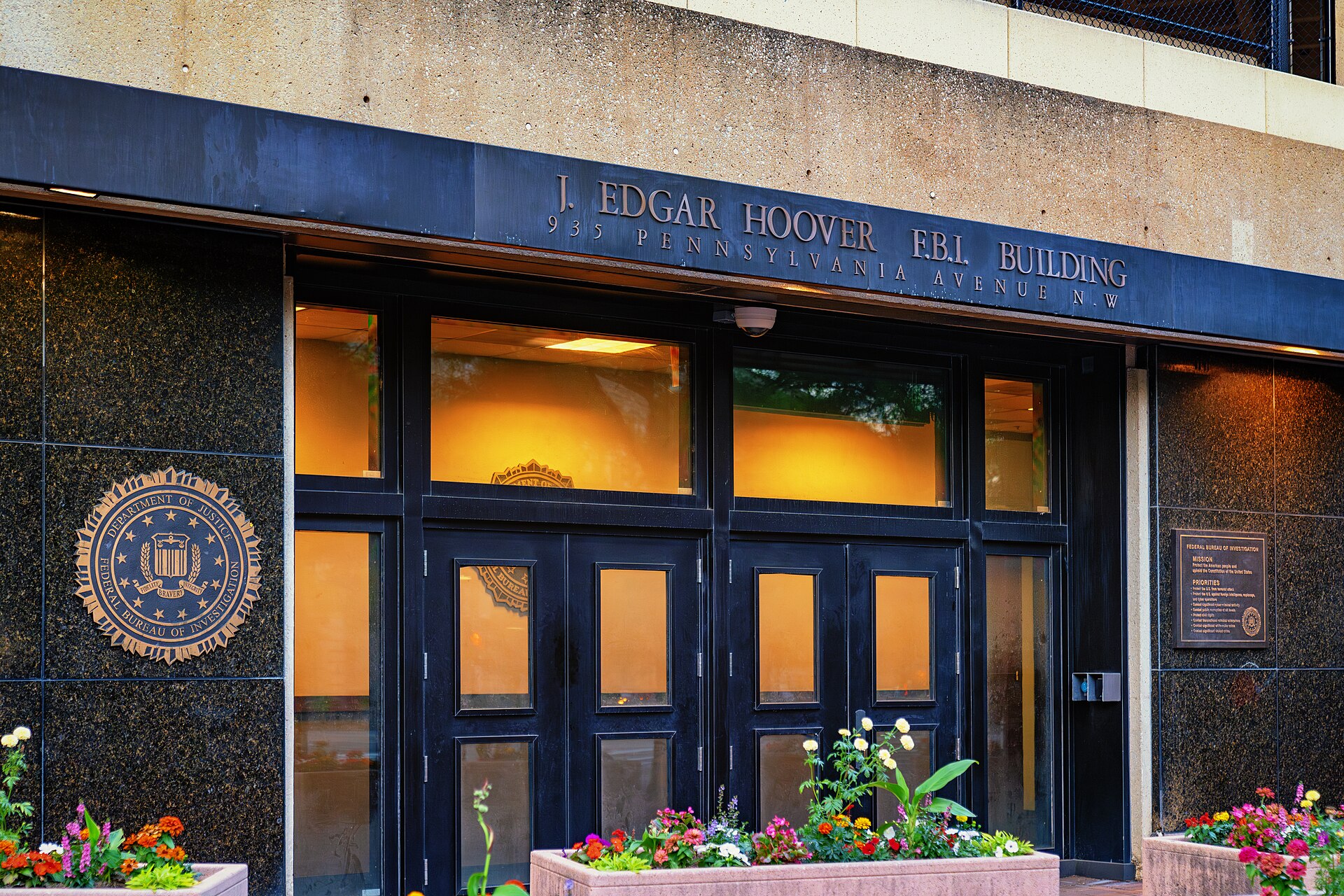
WASHINGTON — The Hunter Biden laptop has been many things in American politics: a suppressed newspaper story, a congressional obsession, a campaign weapon in two elections. On Friday it became something new — the subject of criminal charges against two of the FBI officials who once sat at the centre of the bureau’s handling of it. Nikki Cole Floris, 46, of Alexandria, Virginia, and Bradley Benavides, 56, of Aiken, South Carolina, surrendered on arrest warrants and appeared in federal court in Washington, each charged with one count of making false statements to Congress, the Justice Department announced.
The charge is narrow and specific. Prosecutors do not accuse Floris and Benavides of fabricating evidence, destroying the laptop or directing any investigation’s outcome. They accuse them of lying about their own involvement when the House Judiciary Committee questioned them in 2023 — of concealing, in the words of the charging document unsealed on Friday, the Foreign Influence Task Force’s “engagement with and communications about the Hunter Biden investigations” and thereby impeding the congressional investigation. Each was charged under 18 U.S.C. § 1001(a)(2), the federal false-statements statute, which carries a maximum of five years in prison. Both were released to await trial, with a further hearing scheduled for Tuesday morning. Charges in a complaint are allegations only, and both defendants are presumed innocent.
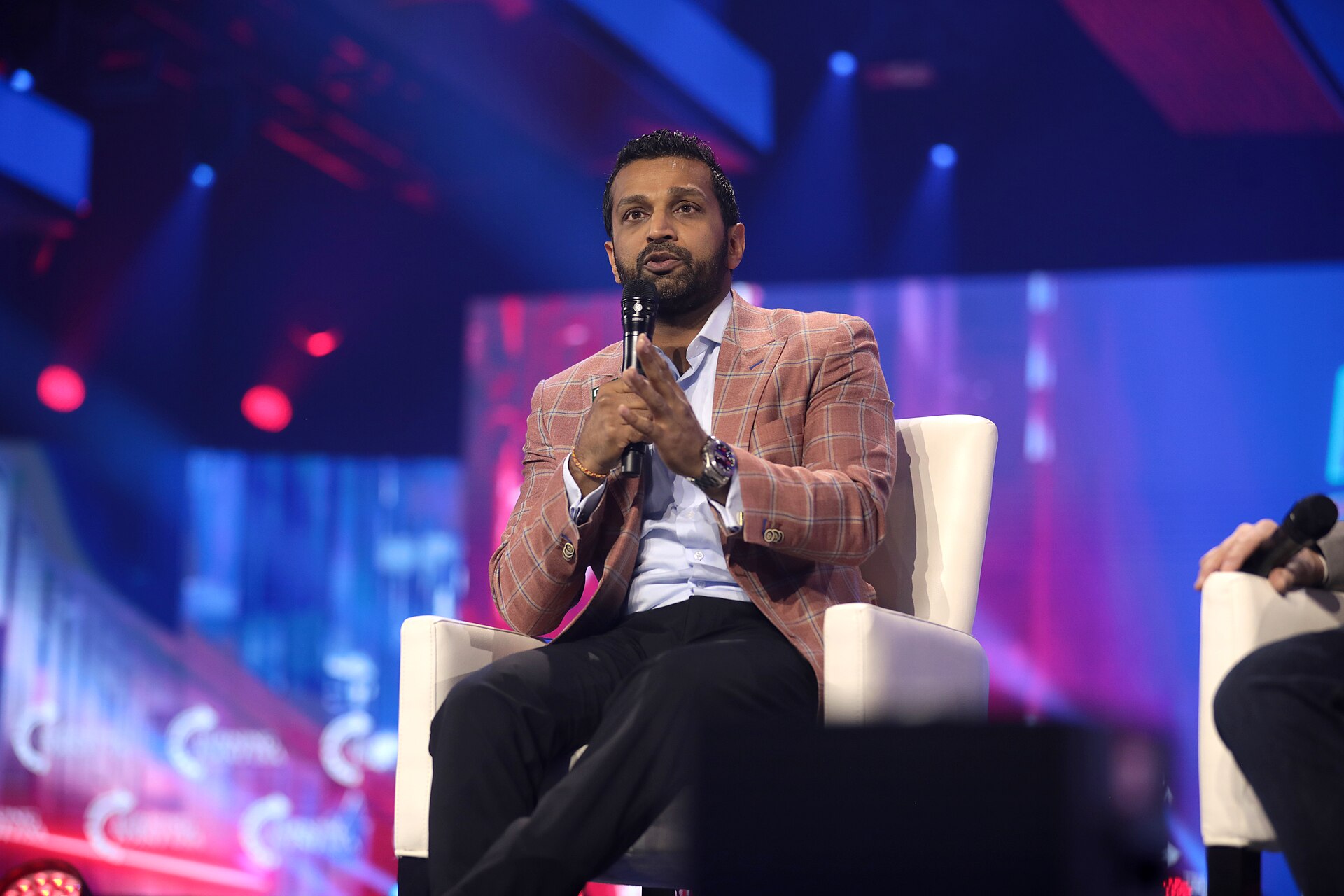
The announcements around the courtroom were anything but narrow. U.S. Attorney Jeanine Pirro said that “when senior FBI agents lie to Congress believing they are above the law, it’s time to bring the hammer of justice down on them.” Attorney General Todd Blanche said the weaponisation of government “goes against the interest of the American people.” FBI Director Kash Patel said one of the defendants was “on record privately claiming to be ‘running a shadow government’ during the 2020 election,” and pointed to his dismantling of the bureau’s CR-15 squad. Floris’s lawyers answered within hours: their client, they said, is a patriot falsely accused “on the say-so of politicians,” and “it’s no coincidence the government is filing these nonsense charges now, years later, on the eve of an election.” Friday’s case is therefore two cases at once — a perjury-style prosecution about what two officials said in 2023, and the latest front in a six-year argument about what the FBI did in 2020.
What the Justice Department says they said — and what the files say
The Foreign Influence Task Force, known inside the bureau as the FITF, was the FBI’s unit for protecting American elections from foreign malign influence. Floris led it as a Deputy Assistant Director from mid-2019 through mid-2022; Benavides was its Section Chief from mid-2019 through the 2020 election. The task force has since been dissolved. According to the Justice Department, in the run-up to the 2020 election the FBI held several investigations into Hunter Biden, the president’s son, “in which the FITF participated.” That participation is the fact at the heart of the case, because it is the fact both defendants are accused of denying.
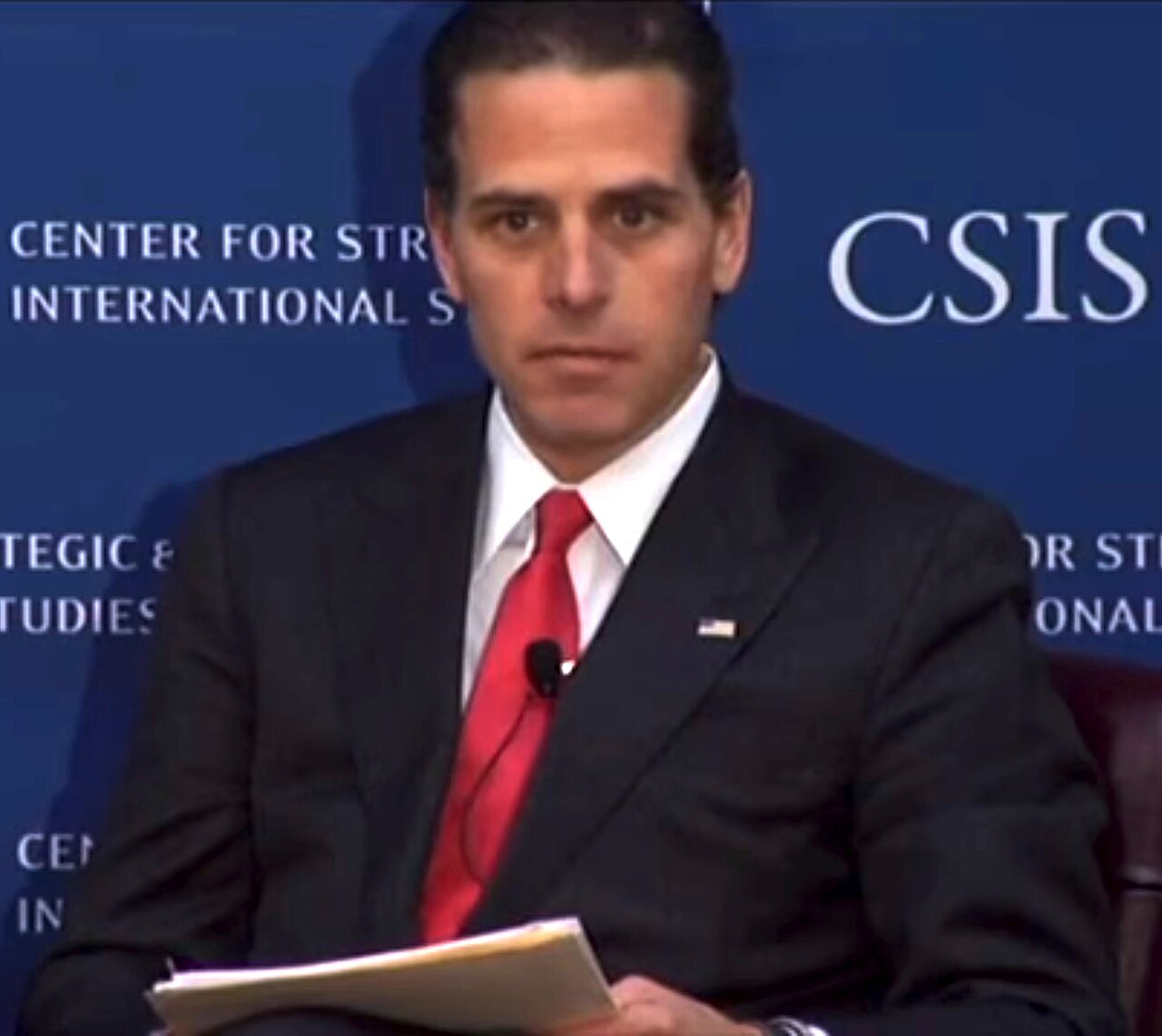
Floris, the department says, testified to the Judiciary Committee that she was involved in no discussions about Hunter Biden while at the FITF. The affidavit filed in support of the complaint says the opposite: that evidence shows Floris “discussed the FBI’s investigations into Hunter Biden routinely for more than a year both within the FITF and with others in the FBI.” Benavides’s alleged falsehood is the one that will travel furthest. He testified, prosecutors say, that he only learned of the FBI’s possession of Hunter Biden’s laptop from reading a Wikipedia article in 2023. The department says that, contrary to that assertion, Benavides “regularly discussed the laptop with FBI officials in the leadup to the 2020 election.” Both defendants, the department notes, had been warned by the committee that lying to Congress is a crime. The affidavit rests, prosecutors say, on documentary evidence, contemporaneous communications and witness accounts that contradict the testimony.
Why this matters
Start with the calendar, because the calendar is the argument both sides are really having. The charges were unsealed on Friday, October 23 — eleven days before the November 3 midterm elections, in a case about testimony given in 2023 concerning events in 2020. The defence reads that timing as the story: a prosecution announced by social-media post, by an FBI director who, as the Wall Street Journal noted, was one of the bureau’s harshest critics before leading it and had promised prosecutions of agents and analysts. The government reads the same timing as irrelevant to the only question a court will ask: whether two witnesses told Congress the truth. Both readings can be true at once — a case can be factually grounded and politically timed — and voters will spend the next eleven days deciding which one they believe, in an election where trust in federal law enforcement is itself on the ballot.
Then consider the institution. The FITF existed to stop foreign governments from secretly shaping American elections. The Republican case against it, built over years of Judiciary Committee hearings, is that the task force became a channel through which legitimate domestic reporting — the laptop story above all — was pre-emptively framed as foreign disinformation, softening the ground for its suppression weeks before the 2020 vote. The laptop itself was real: the FBI had held it since December 2019, its own investigators concluded early that it was genuinely Hunter Biden’s, and the October 2020 claim by 51 former intelligence officials that it bore the “earmarks” of a Russian operation has never been supported by public evidence that it was one. If senior FITF officials were discussing the Hunter Biden investigations constantly while telling Congress they were not discussing them at all, the cover story and the criticism collapse into each other — and that, more than either defendant’s fate, is what the government is really prosecuting.
The counterweight is just as structural. False-statement charges against witnesses are, as Magistrate Judge Zia Faruqui observed from the bench on Friday, rare — and this one was brought by complaint rather than by a grand jury’s indictment. Faruqui noted that both defendants have “sparkling backgrounds,” that the alleged conduct happened years ago, and that the charge will follow two decorated agents for the rest of their lives; he told prosecutors to be ready to move the case forward. A prosecution of the people who ran an election-protection unit, launched by the political leadership that unit’s critics installed, will be measured by exactly the standard its supporters apply to the old FBI: whether the evidence, and only the evidence, is doing the work. The affidavit’s paper trail — messages, briefings, witnesses — is where that measurement will happen, and none of it has been tested in court yet.
The background: a laptop, a task force and a six-year argument
The timeline matters because Friday’s defendants are accused of lying about a specific slice of it. The FBI took possession of Hunter Biden’s laptop in December 2019. Through 2020, the bureau ran several investigations touching him, and the FITF — by the Justice Department’s own account on Friday — participated in them. In October 2020 the New York Post published the laptop story; social platforms restricted it; the 51-former-officials letter framed it as possible Russian disinformation. After the election, the laptop’s authenticity ceased to be seriously disputed, Hunter Biden was investigated by a special counsel, convicted of federal tax and gun charges, and pardoned by his father around Thanksgiving 2024. The special counsel did not recommend further charges against him, and an informant who alleged a Biden bribery scheme was himself charged with fabricating it — facts the other side of this argument cites as evidence that the corruption narrative outran its proof.
Congress’s turn came in 2023, when the Republican-led Judiciary Committee interviewed Floris and Benavides about the FITF’s role. It is their answers in those rooms — not the bureau’s 2020 conduct itself — that Friday’s complaint criminalises. That distinction will define the trial if there is one: the government does not have to prove the FBI suppressed anything, only that these two witnesses made statements they knew were false about their own involvement. The defence, meanwhile, does not have to prove the bureau behaved well — only that memories of a sprawling task force’s work, recounted three years later, are a thin basis for a felony, and that the prosecution’s motives are showing. Our recent coverage of Patel’s FBI in action, including the bureau’s arrest of an alleged ShinyHunters hacker in Pennsylvania, shows an institution being rebuilt in public, case by case.
What happens next
The immediate steps are procedural. Both defendants were released after Friday’s appearance and are due back in court on Tuesday morning, October 27. Because the charges arrived by complaint, prosecutors must still take the case to a grand jury if they want an indictment, and Judge Faruqui has already signalled he expects them to move promptly. Beyond the courtroom, the political sequence is fixed: eleven days of campaigning in which every Republican candidate can say the FBI’s election unit lied about the laptop, and every Democrat can say the Justice Department indicted its critics’ enemies on the eve of a vote. The documentary record the affidavit promises — the messages and briefings that supposedly show a year of routine Hunter Biden discussions inside the FITF — will be the first genuinely new evidence in the laptop saga in years, whichever way it cuts.
The honest summary, on day one, is a split screen. The government’s factual claim is concrete and checkable: two named officials, two specific statements, a paper trail said to contradict both. The defence’s claim is also concrete: decorated agents, a rare charge, no grand jury, eleven days before an election. A court will settle the first claim. The second one will be settled, as most things in this six-year story have been, by the voters — starting on November 3.
Sources: U.S. Department of Justice, U.S. Attorney’s Office for the District of Columbia, “Two Former FBI Officials Charged in Lying to Congress about Hunter Biden Investigations,” October 23, 2026; CNN, “DOJ brings criminal charges against FBI officials it believes hampered Biden corruption investigation,” October 23, 2026; Associated Press news summary, October 23, 2026; Wall Street Journal, “Former FBI Officials Charged With Lying to Congress About Hunter Biden Probe,” October 23, 2026; New York Post, October 23, 2026.