Germany Russian sabotage threat: Germany’s military has raised the Germany Russian sabotage threat against the Bundeswehr to “significant” after an explosives-carrying drone crashed near Wunstorf air base.
War / Europe — Berlin is no longer describing a nuisance campaign of spy drones and cut cables: an internal Bundeswehr assessment says a red line was crossed when a weaponised drone came down beside the Luftwaffe’s transport hub
Track it live: Live war and conflict tracker · Ukraine war map

What changed on Wednesday
The news is not the drone itself — the Wunstorf crash happened in mid-September and has been under investigation since. The news is what the Bundeswehr has now concluded from it, and said out loud. An internal security assessment, seen by WDR and Süddeutsche Zeitung, raises the sabotage threat against German forces to “significant”, the second-highest level, and warns, in the document’s own language, that Russia has crossed a previously anticipated red line of harmful intent involving kinetic and/or lethal effects. A defence ministry spokesperson did not dispute the reporting when asked about it on Wednesday; the spokesperson confirmed it, in the sentence quoted above.
That confirmation matters. Governments routinely decline to comment on leaked internal assessments. Berlin instead put the raised level on the record, on the same day Chancellor Friedrich Merz told a conference in Berlin that Russian disinformation and hybrid attacks posed the biggest threat to Germany’s security. “My view is that our people are still underestimating this big threat to our society,” Merz said, according to Reuters. “This is a fundamental attack against the entire political order we achieved after 1990.” The military’s threat board and the chancellor’s podium were, on Wednesday, telling the same story in the same words: significant, fundamental, and getting worse — the internal document says intelligence services expect the situation to worsen in the short term, with further actions likely in the near future.
The Wunstorf drone
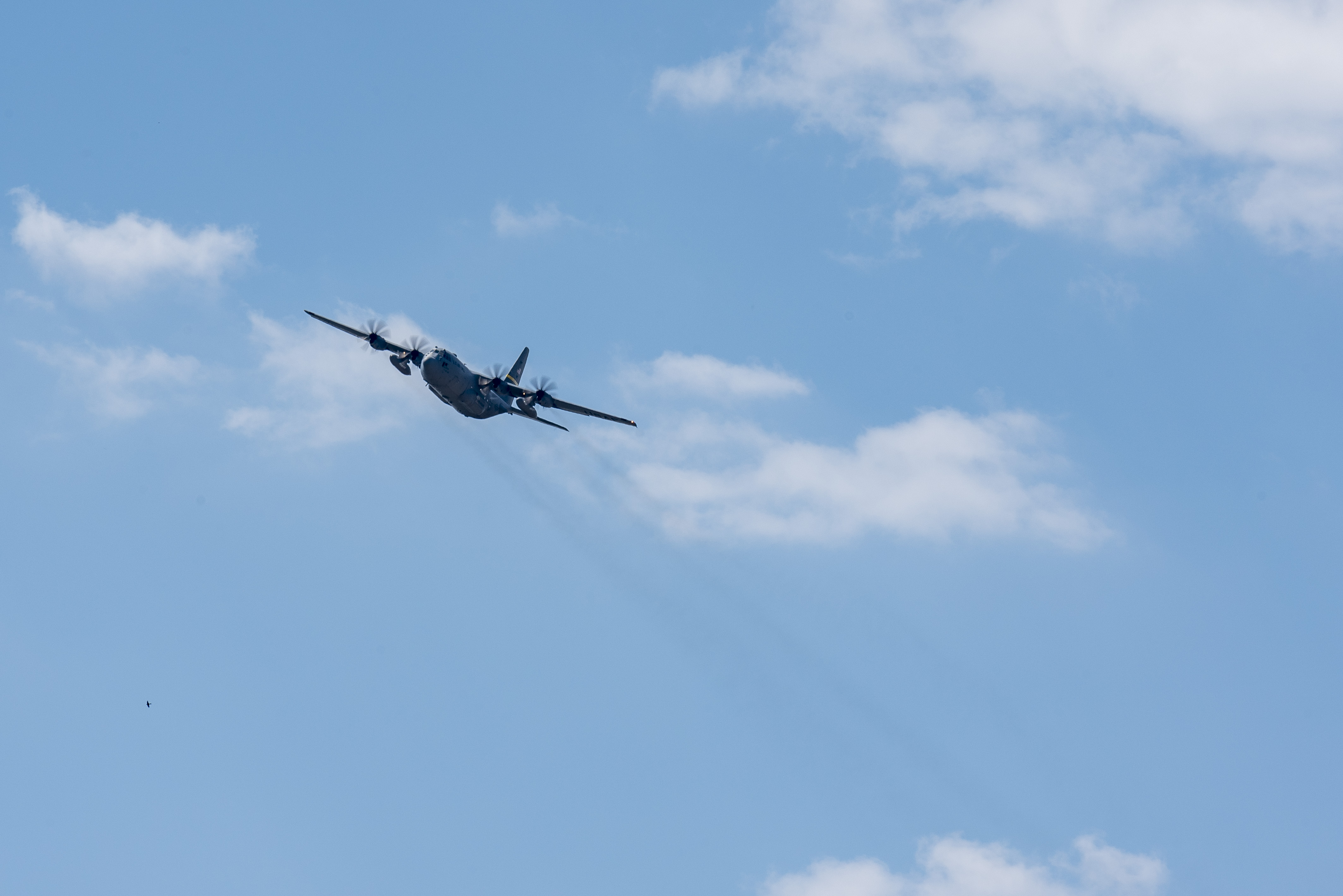
Wunstorf, north-west of Hanover, is not a symbolic target. It hosts Air Transport Wing 62, which operates Germany’s Airbus A400M Atlas transports — the aircraft that move German troops, equipment and humanitarian cargo, and that train allied crews at a multinational centre on the base. In mid-September, a crashed drone was found near the base carrying a tin of high explosives, WDR and Süddeutsche Zeitung reported. Separately, the German news agency dpa reported on September 22 that traces of explosives had been found a few metres from a drone that came down near the base, and that forensic work to establish whether the traces were linked to the drone had not yet been completed. Investigators have also noted design similarities between the Wunstorf device and the drone used in an earlier incident at Leipzig/Halle airport, including components produced with 3D printing.
The comparison to Leipzig is the analytical core of the Bundeswehr’s reassessment. In August, a drone laden with explosives was used in a failed attack at Leipzig/Halle airport; German authorities said that device targeted civilian cargo aircraft, and Germany has blamed Russia for the Leipzig attack. The Wunstorf drone resembles the Leipzig device, according to the internal document — but investigators believe this one was aimed at Bundeswehr aircraft. That single difference is what moves the file, in Berlin’s reading, from sabotage of civilian infrastructure to an attempted kinetic attack on the German military itself: the “red line” the document describes. No casualties were reported in either incident; the Leipzig attack failed and the Wunstorf drone crashed. What the assessment is pricing is intent, not damage.
A pattern, not an incident
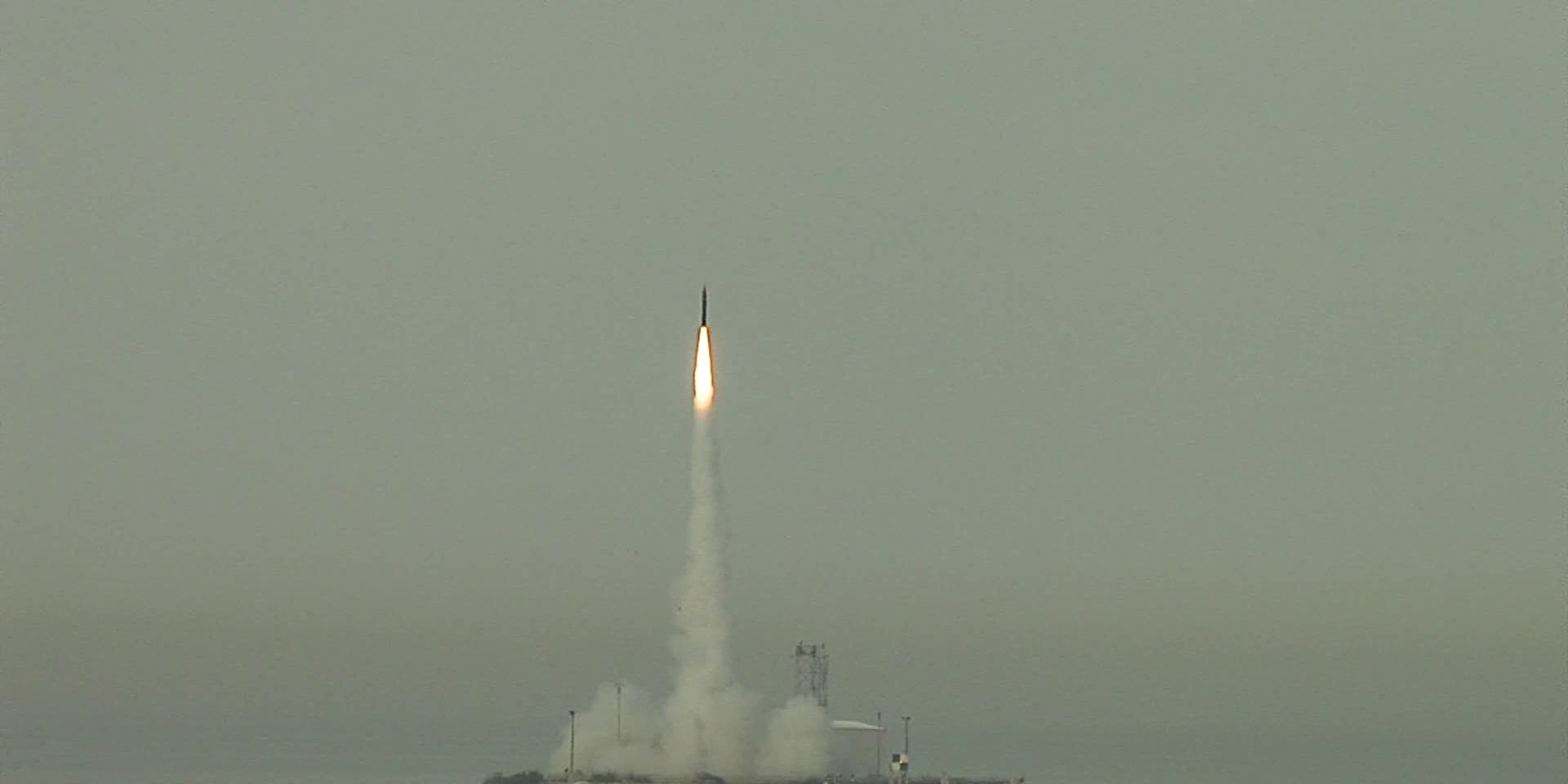
The internal document does not rest on Wunstorf alone. As reported by Reuters from the WDR and Süddeutsche Zeitung account, it cites a pattern of suspected Russian reconnaissance across Germany: drone overflights of the Arrow 3 missile-defence site in Saxony-Anhalt — the Israeli-made exoatmospheric interceptor system Germany began operating as the upper layer of its missile shield — and a camouflaged camera found filming a strategically important railway station in Minden, in Westphalia. Read together, the three elements describe a targeting cycle rather than random harassment: observe the missile shield, film the rail node that would move an army east, and put an explosive drone beside the airlift fleet that would supply it. Germany is NATO’s central logistics corridor; in alliance planning, the country is the transit hub through which reinforcements would flow to the eastern flank. Reconnaissance of exactly those nodes — airlift, missile defence, rail — is what a military planner would order before a crisis, not during one.
The Wunstorf assessment also lands on top of a run of sabotage cases elsewhere in Europe that this site has covered as they developed, including the detentions in Poland over fires at facilities linked to satellite communications supporting Ukraine and the drone incursions that have repeatedly crossed NATO airspace, among them the Romanian F-16 shoot-downs of drones near the Black Sea coast at Sulina. Each case is investigated separately, and attribution differs case by case. What changed on Wednesday is that Germany’s military has stopped treating its own cases as separate, and has written down a single threat level for all of them.
What Berlin is doing about it
The defence ministry spokesperson said preventive measures were being tailored to individual sites, ranging from increased guard patrols to additional technical security such as infrared cameras and fence surveillance systems. The assessment comes just over a week after Interior Minister Alexander Dobrindt said Germany faced a “shadow war” and called for expanded intelligence powers — language the government is now repeating at every level. Merz’s Wednesday remarks framed the same activity from the political end: disinformation and hybrid attacks as the biggest threat to German security, and a fundamental attack on the post-1990 political order.
Moscow’s position, as Reuters noted in the same report, is denial: Russia denied involvement in the incidents and has consistently rejected accusations of carrying out sabotage or hybrid attacks in Europe. That denial is part of the record and is reported here as such. It is also, on the German account, beside the operational point: whatever is or is not eventually attributed in court, the Bundeswehr is hardening its bases now, against a threat it expects to grow.
Why this matters
Threat levels are bureaucratic instruments, and it is easy to file this story under paperwork. That would be a mistake, for three reasons. First, the level drives money and law. A “significant” rating justifies the guard patrols, sensors and fence lines the ministry described, and it strengthens the hand of ministers arguing — as Dobrindt already has — for expanded intelligence powers. Threat assessments are how democracies convert suspicion into budgets, and Berlin has now made the conversion in writing.
Second, the document redraws where the Ukraine war is being fought. The front line runs through Donetsk and Zaporizhzhia; the logistics war runs through Wunstorf, Minden and Saxony-Anhalt. Ukraine’s army depends on Western airlift, Western missile defence and Western rail corridors, and an explosive drone beside the A400M fleet is an attack on the same supply system that keeps Ukrainian units fed and armed — launched from inside Germany, at a fraction of the cost of a missile. While Washington’s envoy was in St Petersburg on Wednesday discussing how to freeze the fighting in Ukraine — the diplomacy this site covered live in the Witkoff–Putin talks and the release of a detained American teacher — Germany’s military was publishing, in effect, its assessment that the war’s shadow front in Europe is intensifying, not winding down.
Third, the “red line” sentence cuts both ways. By writing that Russia has crossed a line of “harmful intent involving kinetic and/or lethal effects”, the Bundeswehr has created a benchmark against which the next incident will be measured — by Berlin, by NATO, and by Moscow. If a future device explodes, or a future drone is found beside a fuel farm or a barracks, the question will not be whether Germany noticed. It will be what a government does after it has already told its public, in advance, exactly what such an act means.
What the numbers say
The arithmetic of this story is small, and that is the point. Two weaponised drones five weeks apart — Leipzig in August, aimed at civilian cargo aircraft on the German account; Wunstorf in mid-September, believed aimed at military aircraft — were enough to move the sabotage rating of NATO’s largest European military to the second-highest level on its scale. Add one missile-defence site overflown and one railway station filmed, and the pattern fills a continent’s logistics map with four pins. Hybrid campaigns are cheap precisely because the defender must price every pin: a 3D-printed drone and a tin of explosives cost the attacker almost nothing, while the response — patrols, infrared cameras, fence surveillance, intelligence powers, ministerial time — is priced in the hundreds of millions across a whole estate of bases. The asymmetry is the strategy, and Wednesday’s document is Berlin conceding, on the record, that the strategy is working well enough to require a formal answer.
What happens next
Three things to watch. The investigation: forensic work on the Wunstorf device and the explosives traces found near it will determine whether prosecutors can tie the drone to the Leipzig network, which would convert an intelligence assessment into a court case with named suspects. The estate: expect the tailored site measures the ministry described to become visible at major bases in the coming weeks, and expect further drone sightings to be reported against the new baseline rather than as curiosities. And the politics: Dobrindt’s call for expanded intelligence powers now has a military threat assessment behind it, and Merz has staked the chancellery’s language on the same diagnosis. If another device is found, the debate in Berlin will not start from zero — it will start from “significant”, and from a red line the Bundeswehr says has already been crossed.
Sources
Reuters (October 21, 2026), “Germany’s military warns of ‘significant’ Russian sabotage threat” — the internal Bundeswehr assessment as reported by WDR and Süddeutsche Zeitung, the defence ministry spokesperson’s confirmation, the Wunstorf and Leipzig comparison, the Arrow 3 and Minden reconnaissance details, and Chancellor Merz’s Berlin remarks. WDR and Süddeutsche Zeitung, original reporting on the internal security assessment (October 2026), as cited by Reuters. dpa (September 22, 2026), explosives traces found near the Wunstorf drone, forensic link unconfirmed at that date. The Munich Eye (September 2026), investigation into the drone crash near Wunstorf air base and design similarities with the Leipzig device. Background: Wunstorf Air Base and Air Transport Wing 62 (Wikipedia, for base role and A400M fleet); Reuters (December 2025), Germany’s activation of its first Arrow 3 battery. Russia’s denial of involvement in sabotage and hybrid attacks in Europe is as reported by Reuters.