World · Gaza
November's rains affected about 46,000 displaced families across Gaza, damaged over 40,000 shelters and left more than 5,000 families spending nights without shelter — as WHO warns of a sharp rise in respiratory illness. Follow the Signal Post News <a href="/tracker/israel-war-map">Israel war map tracker</a>.
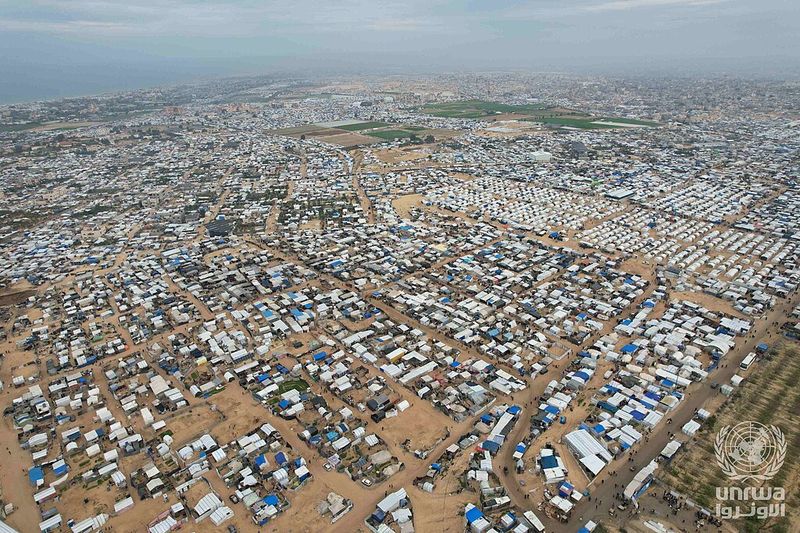
GAZA, November 14, 2026 — Gaza winter floods displaced families are facing the season's first full test: the UN Office for the Coordination of Humanitarian Affairs reported on November 13 that rains between November 6 and 9 affected about 46,000 families — roughly 226,000 people — damaging more than 40,000 shelters, destroying over 9,000, and leaving more than 5,000 families spending nights without shelter. About 1.4 million people, some 65% of Gaza's population, are living in tents or temporary housing. The World Health Organization warns that acute respiratory infections have risen by about 33,000 cases against the same period last year, now accounting for roughly 11% of consultations, with about a million people in flood-exposed areas and some 400,000 at extremely high risk.
A dispute over tents, in numbers
UNICEF's Toby Fricker has described children sleeping in flooded bedding as winter approaches. COGAT, the Israeli body overseeing aid entry, says 91,000 tents have entered Gaza; UN agencies say roughly 150,000 are waiting or needed — the two figures measure different things (entries against assessed need and pipeline), and both are presented here as their owners state them. What is not disputed is the exposure: tents that survived summer were not built for standing water, wind-driven rain and cold nights in sequence.
The health warning underneath the flood story
WHO's respiratory figures matter because they are the leading edge of the winter pattern aid agencies predicted: crowding, wet bedding, cold air and interrupted care convert flooded shelters into illness within days. Children and the elderly carry the highest risk, and clinics themselves are operating in the same damaged building stock.
Why this matters
This is the second winter of mass displacement in Gaza, and the system's margin is thinner than the first: shelter stock has degraded for a year, replacement pipelines are disputed in public by the parties who control them, and the population's baseline health — nutrition, chronic disease management, maternal care — is worse than when the first rains fell. Flood damage is therefore not a weather story. It is a measurement of how much cumulative loss a displaced population can absorb before ordinary rain becomes a mortality risk.
What happens next
Heavier winter rains typically arrive in December and January. Aid agencies are pressing for accelerated shelter entry and site drainage work; the gap between the 91,000 tents COGAT counts as entered and the UN's assessment of need will decide how many families face the next storm in the open. WHO surveillance will show within weeks whether the respiratory surge is a spike or a season.
Related coverage: Arab-Islamic Ministers Condemn Nasser Hospital Strike
Sources
- UN OCHA situation reporting, November 13, 2026 — family, shelter and displacement figures for the November 6–9 rains.
- World Health Organization, November 2026 — respiratory infection surveillance and flood-exposure risk estimates.
- UNICEF statements, November 2026 — Toby Fricker on children in flooded shelters.
- COGAT statements, November 2026 — tent entry figures, presented alongside UN assessments.