Putin G20 Florida invitation

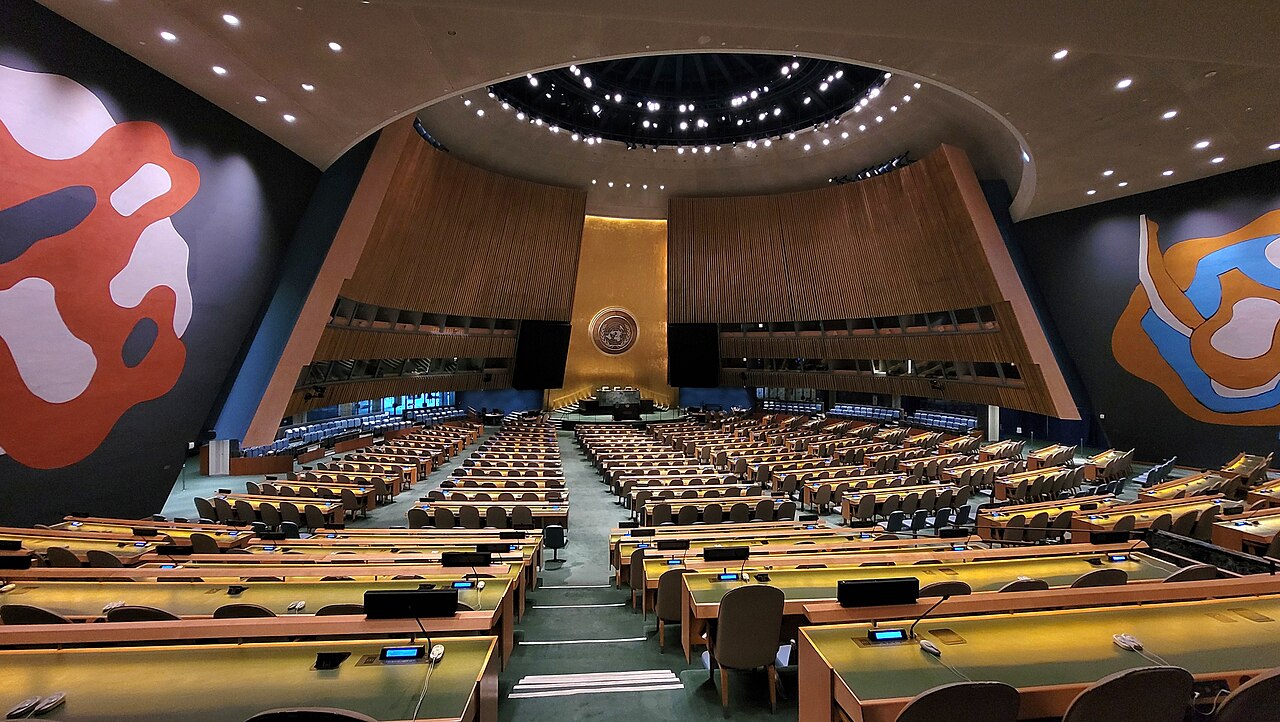
NEW YORK — The Putin G20 Florida invitation is now public: Secretary of State Marco Rubio said Wednesday that the United States has invited Russian President Vladimir Putin to the December Group of 20 summit in Miami, where he could meet President Donald Trump again while the war in Ukraine remains unresolved. Rubio made the announcement after talks with Russian Foreign Minister Sergey Lavrov on the sidelines of the U.N. General Assembly. Kremlin spokesman Dmitry Peskov said Moscow was “grateful and appreciative” and would work through the invitation via diplomatic channels.
The announcement does not mean Putin has accepted, that a Trump–Putin summit has been scheduled, or that a peace framework has been agreed. It does mean Washington is offering Russia’s president a route back into an in-person gathering of major economies at an unusually charged venue: Trump National Doral, the president’s own resort in Miami.
Why this matters: the end of the empty chair
Putin has not attended the G20 in person since Osaka in 2019. Since Russia’s full-scale invasion of Ukraine in 2022, the empty chair has carried a political message even when Russia sent lower-level representation: Moscow remained inside the group but its president was absent from the room. An accepted invitation would end that visual isolation without requiring a settlement first.
That is why the invitation is more than scheduling. Supporters see engagement as a chance to put Putin in front of Trump and other leaders who can press for practical movement. Critics see an advance grant of legitimacy to a leader under an International Criminal Court arrest warrant. Both readings begin with the same fact: attendance would change the diplomatic setting before it changed the battlefield.
How we got here: from Anchorage to the U.N.
Trump and Putin last met in Anchorage, Alaska, in August 2025. Their roughly three-hour summit generated intense attention but no Ukraine agreement. The new invitation follows months of continued diplomacy and a sharper public tone from Trump, who recently called Russia a “paper tiger” while arguing Ukraine could recover its territory with sustained support.
Rubio’s meeting with Lavrov kept the official channel open. The State Department said the two discussed the Russia–Ukraine war and the bilateral relationship, while the Russian side continued to emphasize the understandings it says were reached in Alaska and the “root causes” of the conflict. Our full account of the Rubio–Lavrov UNGA meeting outcome explains the gap between those public readouts.
Steve Witkoff and Jared Kushner have also carried a peace proposal through talks in Moscow and Kyiv. That effort has not produced a public settlement text. The G20 invitation therefore creates a possible deadline and venue, not proof of convergence.
The Doral question: a Trump Doral G20 summit
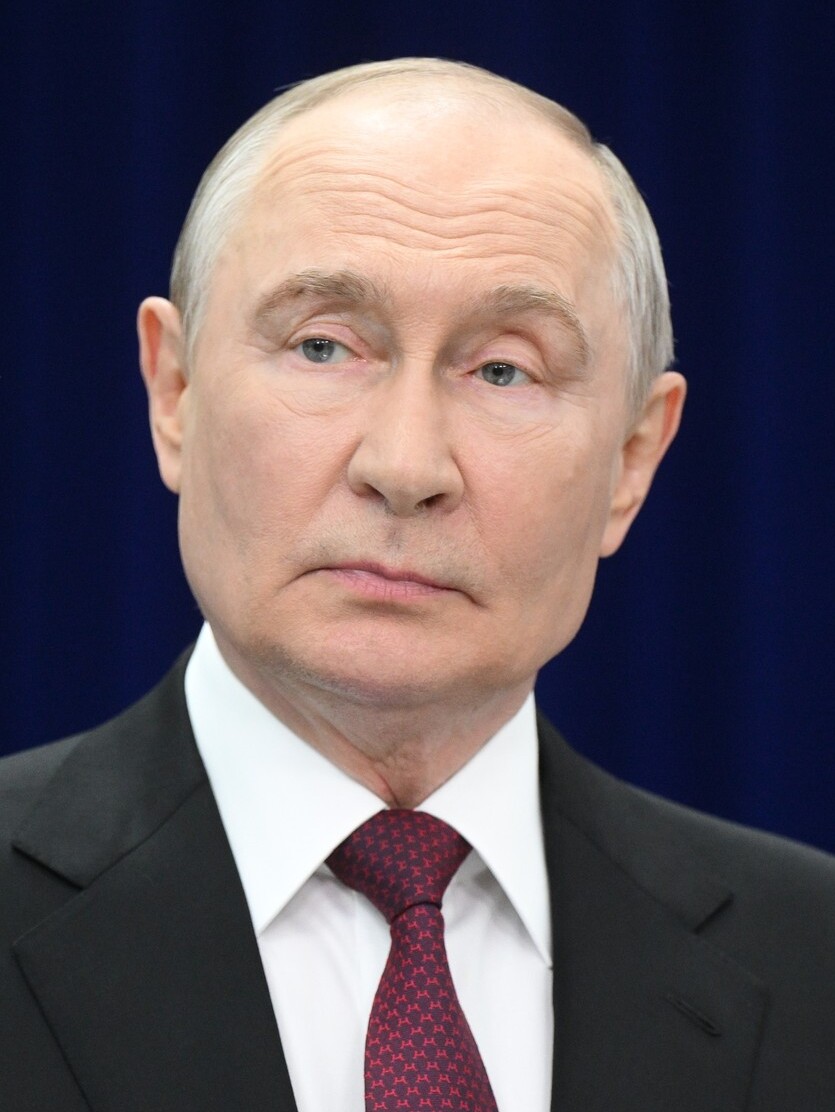
A Trump Doral G20 summit combines diplomacy with an unresolved ethics question. The host site is not a neutral convention center; it is a resort identified with the president and his business brand. A gathering of delegations, security teams and international media there would deliver prestige and attention to the property even if commercial arrangements are separated from presidential decision-making.
The venue also concentrates the theater of the meeting. Trump would be hosting Putin on American soil, at a site bearing his name, after an Alaska summit that did not end the war. That setting can amplify leverage if there is a prepared bargain. It can just as easily amplify failure if the gathering produces images without enforceable terms.
Who wins, who loses
Putin gains a path out of isolation. Simply attending would put him alongside major world leaders and recast him as a participant in negotiations rather than an absent target of sanctions. That benefit arrives before any Russian concession.
Trump gains a high-risk diplomatic stage. A concrete ceasefire or negotiating framework would reinforce his claim that personal engagement can unlock frozen conflicts. A second summit without progress would strengthen the opposite argument: that pageantry is substituting for leverage.
Ukraine gains access but faces sequencing risk. President Volodymyr Zelenskyy has said he is ready to meet Putin. The critical issue is whether Kyiv enters any Florida talks as a co-equal participant or is asked to respond to terms shaped elsewhere. Our coverage of the Trump–Zelenskyy meeting and energy-ceasefire discussion details what was—and was not—agreed.
Sanctions advocates face a test of leverage. Senator Lindsey Graham’s push for steep tariffs on countries buying Russian oil is designed to raise the cost of delay. If the invitation proceeds without parallel pressure, critics will say access has been offered too cheaply. If attendance is tied to measurable steps, Washington can argue that pressure and diplomacy are being used together. See our report on Zelenskyy’s readiness to meet Putin and the Graham sanctions debate.
The Putin ICC arrest warrant problem
The International Criminal Court issued an arrest warrant for Putin in March 2023 over the alleged unlawful deportation and transfer of Ukrainian children. Russia rejects the court’s jurisdiction and the allegations. The United States is not a party to the Rome Statute, so a Florida visit would not present the same treaty obligation that an ICC member state would face.
That does not remove the political problem. Welcoming Putin would draw protests and renewed scrutiny of how the United States balances accountability with negotiation. It would also force other G20 governments to decide whether their leaders will appear in the same room, attend selected sessions, or use the summit to confront him directly.
What the numbers say
- 2019
- The last year Putin attended a G20 leaders’ summit in person, in Osaka.
- 2022
- The year Russia began its full-scale invasion of Ukraine and Putin’s in-person G20 absence became part of the summit’s diplomacy.
- About 3 hours
- The length of Trump and Putin’s August 2025 Anchorage meeting, which ended without a Ukraine settlement.
- December 2026
- The scheduled Miami summit window, giving negotiators only a few months to turn an invitation into an agenda.
- March 2023
- The date of the ICC arrest warrant that continues to shadow Putin’s travel and diplomatic reception.
The numbers show the asymmetry in the offer. Putin can gain the symbolic value of a first in-person G20 appearance in seven years by accepting; Washington and Kyiv need substantive preparation to ensure the encounter produces more than that. A narrow Ukraine energy ceasefire is one possible deliverable, but it would require defined facilities, reciprocal obligations, monitoring and consequences for violations.
What happens next: three scenarios
- Putin accepts and a structured negotiation follows. Washington uses the months before December to define participants, sequencing and a limited deliverable—most plausibly an energy-infrastructure ceasefire. Zelenskyy attends or meets Putin in a format that preserves Ukraine’s direct role. The G20 becomes a negotiating milestone rather than the negotiation itself.
- Putin accepts, but the summit delivers only optics. Trump and Putin meet at Doral, repeat established positions and leave without enforceable terms. Moscow gains normalization, Trump gets the spectacle of engagement, and Ukraine absorbs the risk that public attention shifts from battlefield conditions to summit choreography.
- Putin declines or sends a deputy. Russia keeps diplomatic contact open while avoiding a setting it does not control. Washington then treats the rejection as evidence that Moscow is not prepared to move and may turn harder toward Graham-style tariffs, weapons support and allied pressure on Russian oil revenue.
The immediate indicators are straightforward: whether Moscow formally accepts; whether Ukraine is invited into a defined meeting format; whether the White House links attendance to a ceasefire or other measurable step; and whether the administration answers the ethics questions around Doral. Until those points are settled, the invitation is a consequential opening, not a peace agreement.
Sources
- The Wall Street Journal: Putin invited to the G20 summit at Trump’s Florida resort
- Reuters via WNCY: U.S. invites Putin to December G20 meeting, possible Trump summit
- U.S. Department of State: Secretary Rubio’s meeting with Russian Foreign Minister Lavrov
- Reuters: Kremlin and Peskov on Russia’s position before the Rubio–Lavrov meeting
Reporting cutoff: September 23, 2026, 5:40 p.m. Pacific time. Russia had not publicly accepted the invitation at publication. Official statements are attributed; assessments of leverage, winners, losers and scenarios are Signal Post News analysis.