World / France — France will put 70,000 security forces on the streets on Saturday, 10,000 more than last weekend, as it braces for a second wave of protests. Paris police have banned Sunday’s PSG–Lyon match and moved it to Monday, the Louvre and Art Basel Paris will stay shut, and Marseille and Lyon have banned demonstrations outright.
PARIS — France is preparing for Saturday the way a country prepares for a storm it has already seen make landfall once. Interior Minister Laurent Nunez said on Friday, October 23, that 70,000 security forces will be mobilised across the country for a fresh wave of protests — 10,000 more than the deployment that failed to prevent last weekend’s rioting and looting — backed by the specialist RAID and GIGN units, mounted police, helicopters, drones and anti-drone systems, with armoured vehicles and water cannon held ready and this week’s local curfews left in force.
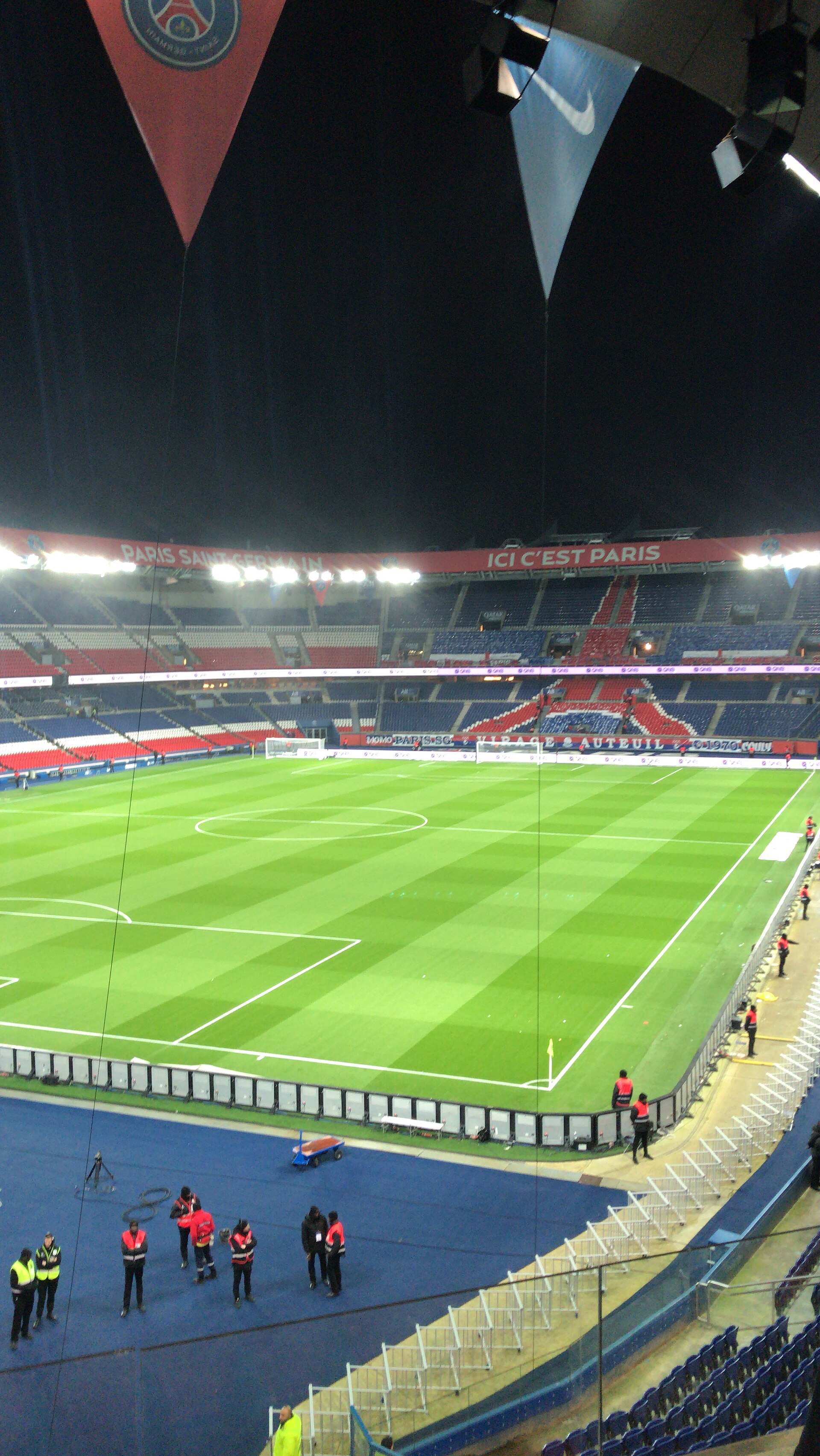
The scale of the operation is itself the headline. And its reach into ordinary French life was confirmed within hours: the Paris police prefecture issued an order prohibiting Paris Saint-Germain’s Ligue 1 match against Olympique Lyonnais at the Parc des Princes on Sunday, and the French league (LFP) moved the fixture — first against second in the table — to Monday, October 26 at 8:30 p.m. The Louvre will close on Saturday. Art Basel Paris, which had already shut its doors early, will remain closed all weekend. In Marseille and Lyon, France’s second- and third-largest cities, Saturday protests have simply been banned.
“We will let absolutely nothing pass”
Nunez set the tone after meetings on Friday involving President Emmanuel Macron, Prime Minister Sébastien Lecornu and senior security officials. “We will be uncompromising with rioters, looters and all those who commit acts of violence,” he told reporters, saying authorities had identified numerous online calls from hard-left groups encouraging attacks on public buildings. “Look at social media: there have been calls from the far-left to target public buildings. We are not talking about a nice protest,” he said in a separate briefing. “We are ready tomorrow to be extremely firm and not tolerate anything” — and, in the government’s fuller formulation, “extremely vigilant, extremely firm, and we will let absolutely nothing pass.”
Macron, who is due to chair a defence and security meeting and to meet student representatives for the first time later on Friday, has blamed what he called “seditious” ultra-left groups and vandals for last weekend’s violence — an allegation the far-left France Unbowed party has denied. The president said authorised demonstrations, such as those organised by trade unions, will still be allowed but may be rerouted to protect businesses. Paris police have authorised only a union demonstration in the capital on Saturday, rejecting requests from the main student union, UNEF, and from the Yellow Vest movement, the anti-establishment force that first emerged in 2018.
The unions and student groups are not accepting that distinction quietly. UNEF, whose rallies grew out of last month’s high-school protests against teacher shortages and shabby facilities, said its demonstrations would go ahead regardless and accused Macron of “trampling upon the freedom to protest.” Marylise Léon, general secretary of the CFDT, one of France’s largest union confederations, called the curbs counterproductive: “It’s not for the president to decide who can legitimately request to protest,” she told broadcaster TF1, arguing the government should answer the anger with concrete proposals rather than bans.
A football match as a pressure gauge
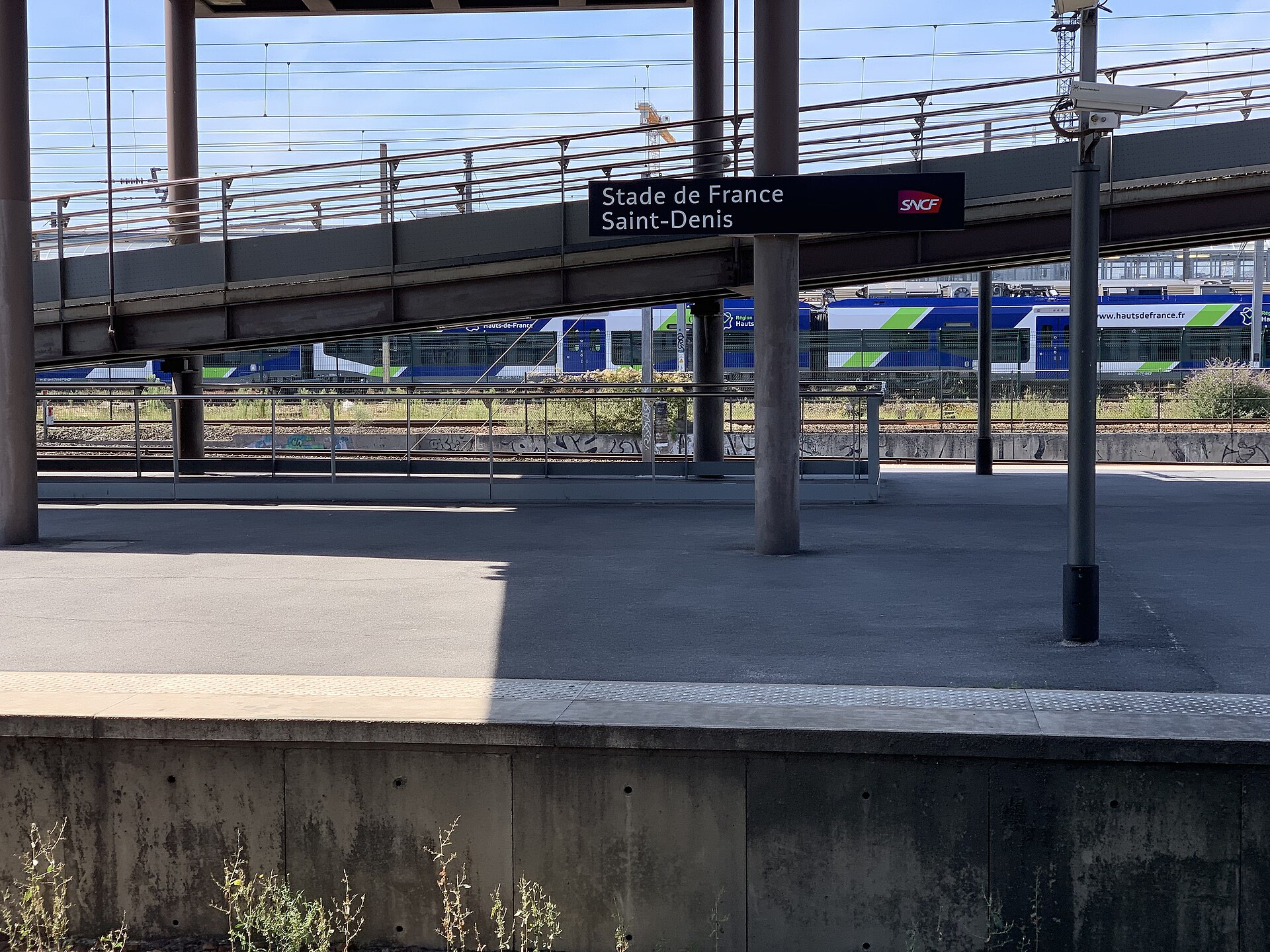
The clearest measure of how stretched the state expects to be is what it has cancelled. Sunday was supposed to hold two major sporting events in the Paris region at once: PSG–Lyon at the Parc des Princes in the south-west of the capital, and the NFL’s first regular-season game in France, the Pittsburgh Steelers against the New Orleans Saints at the Stade de France in Saint-Denis, about 10 kilometres (six miles) from the Place de la Bastille, where protests are expected to begin. Police concluded they could not cover both, plus a capital bracing for disorder, at the same time.
The domestic match is the one that moved. The LFP said it “acknowledges the order issued by the Prefecture of Police prohibiting the holding of the PSG–Lyon match, scheduled for Matchday 8 of Ligue 1, on Sunday, October 25, at 8:45 p.m.,” and had decided, in agreement with the broadcaster Ligue 1+, to reschedule it for Monday at 8:30 p.m. The NFL game, by contrast, has not been moved: the league’s international chief Peter O’Reilly said this week the NFL is “very confident in our operational and security plans,” organisers have cancelled a fan-zone event near the Bastille as a precaution, and Steelers quarterback Aaron Rodgers said on Friday he believed the NFL would have cancelled its first game in Paris if the situation were unsafe. The contrast is not lost on French fans: the American import, locked into transatlantic logistics months in advance, stays; France’s own top-of-the-table clash bends.
The sporting cost is real. Monday’s match brings together Ligue 1’s early pacesetters — reigning French and European champions PSG sit second after seven matches, while Lyon lead the table on 14 points, ahead of PSG on goal difference. It also now collides with Monday night’s Ballon d’Or ceremony in London: PSG’s nominees will be playing while the award is handed out, although the club’s two headline contenders, 2025 winner Ousmane Dembélé and Khvicha Kvaratskhelia, are both injured and could attend. PSG come into the weekend off a 4–2 Champions League win over Barcelona at the Parc des Princes that went ahead without incident on Tuesday — a reminder that the ground itself is not the problem; the calendar is. Elsewhere, Toulouse’s home match against Troyes was moved from Saturday to Sunday, and Ligue 2 fixtures in Saint-Étienne and Montpellier were shifted from Saturday afternoon to Saturday night at the request of local authorities. Marseille and Lille have already reported their official stores were looted last weekend.
Museums shut, shops urged to close, a country holding its breath
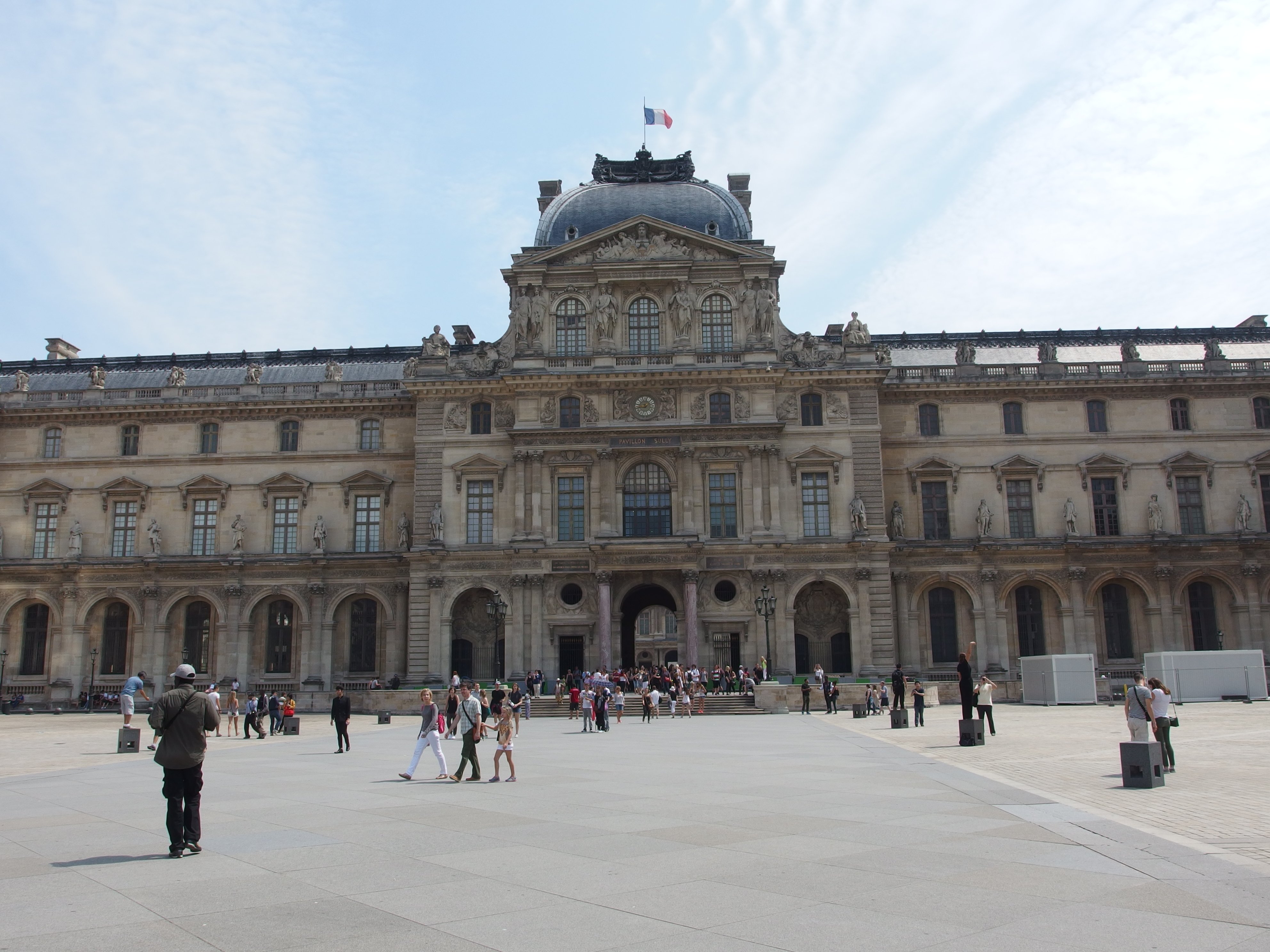
The closures extend well beyond sport. The Louvre and the Fondation Louis Vuitton will close on Saturday. Art Basel Paris — the international art fair that ended two days early on Friday — will remain shuttered throughout the weekend. The Marseille Chamber of Commerce has urged businesses there to shut on Saturday, after what business groups say were some 3,000 stores and businesses ransacked across the country last weekend. Justice Minister Gérald Darmanin has said around 2,700 people have been detained since last Saturday, with more than 1,000 brought before courts and fast-track trials already jailing more than 200.
Authorities are also watching Orléans, in central France, where Marine Le Pen’s far-right National Rally holds its annual congress this weekend and left-wing and anti-racist groups have announced counter-demonstrations. The unrest has lifted Le Pen’s poll ratings — she is the frontrunner for next year’s presidential election and has cast the disorder as evidence of a collapse in state authority — which gives Saturday a political charge far beyond crowd control.
Why this matters
France has been here before, and that is precisely the point. The Yellow Vest explosion of 2018 began, as this movement partly has, with the cost of living; the pension protests of 2023 filled the same boulevards. What is different this time is the speed with which protest, riot and state response are now cancelling the ordinary life of the country — its biggest football match, its most visited museum, its flagship art fair — within a single week, and the candour with which officials admit the first deployment was not enough. Last Saturday roughly 60,000 officers faced crowds the authorities put at about 550,000 nationwide; Nunez himself has acknowledged police “lost control” in some cities and that there was a “lack of anticipation.” Saturday’s answer is arithmetic: 70,000 officers, elite units, drones and armour.
The economics are tightening around the politics. Workers, students and unions are protesting budget cuts and demanding higher wages against high living costs; the government says it understands the anger but must contain rising borrowing costs. On Thursday the premium investors demand to hold French government debt over German bonds widened to its highest level in 15 years, and Moody’s was widely expected to announce a ratings action on France late on Friday. Every additional weekend of disorder makes the fiscal story harder to sell and the protest movement’s core complaint — that daily life has become unaffordable — harder to answer with austerity.
Both sides, stated plainly: the government argues that last weekend crossed the line from protest into organised looting and arson, that online calls to target public buildings justify bans and overwhelming force, and that protecting shops, museums and stadiums is protecting everyone’s France. The unions and student groups argue that the underlying grievances — teacher shortages, deteriorating public services, wages that no longer cover living costs — are legitimate, that the violence came from fringes they do not control, and that letting a president decide which protests are “legitimate” is itself a democratic problem that will pour fuel on the anger. Saturday will test both claims at once: whether a record deployment can keep authorised protest peaceful, and whether bans push the unauthorised kind into worse places.
What happens next
Three markers will tell the story of the weekend. First, Saturday itself: whether the single authorised union march in Paris stays peaceful, whether banned rallies in Marseille, Lyon and elsewhere assemble anyway, and whether the Orléans congress passes without a clash. Second, the government’s follow-through: Macron’s meetings with student representatives on Friday are his first direct attempt to defuse the school-and-university wing of the movement, and unions have already called a further nationwide day of strikes and protests for November 5 if they judge the answers empty. Third, Monday night at the Parc des Princes, where PSG and Lyon will play a match that was moved by a police order — under lights, in a capital that will by then know whether its biggest security operation in years worked.
Related coverage: France’s curfews after last weekend’s riots · Art Basel Paris closes early as protests loom · 550,000 march nationwide as town halls burn
Friday also brought a reminder of why the security build-up is so heavy: a gunman killed one person and wounded five in Trappes, west of Paris, in an attack France’s anti-terror prosecutors have taken over — a case the interior minister says may prove to be a terrorist crime with a racist motive.
Sources: Reuters, “France to mobilise 70,000 security forces for Saturday protest, interior minister says,” October 23, 2026; Reuters, “French league moves PSG-Lyon clash as Paris braces for fresh protests,” October 23, 2026; Reuters, “French businesses, events to close with more weekend protests expected,” October 23, 2026; USA Today, “Ligue 1 postpones PSG-Lyon match with more demonstrations planned in Paris,” October 23, 2026; Ligue de Football Professionnel statement, October 23, 2026.