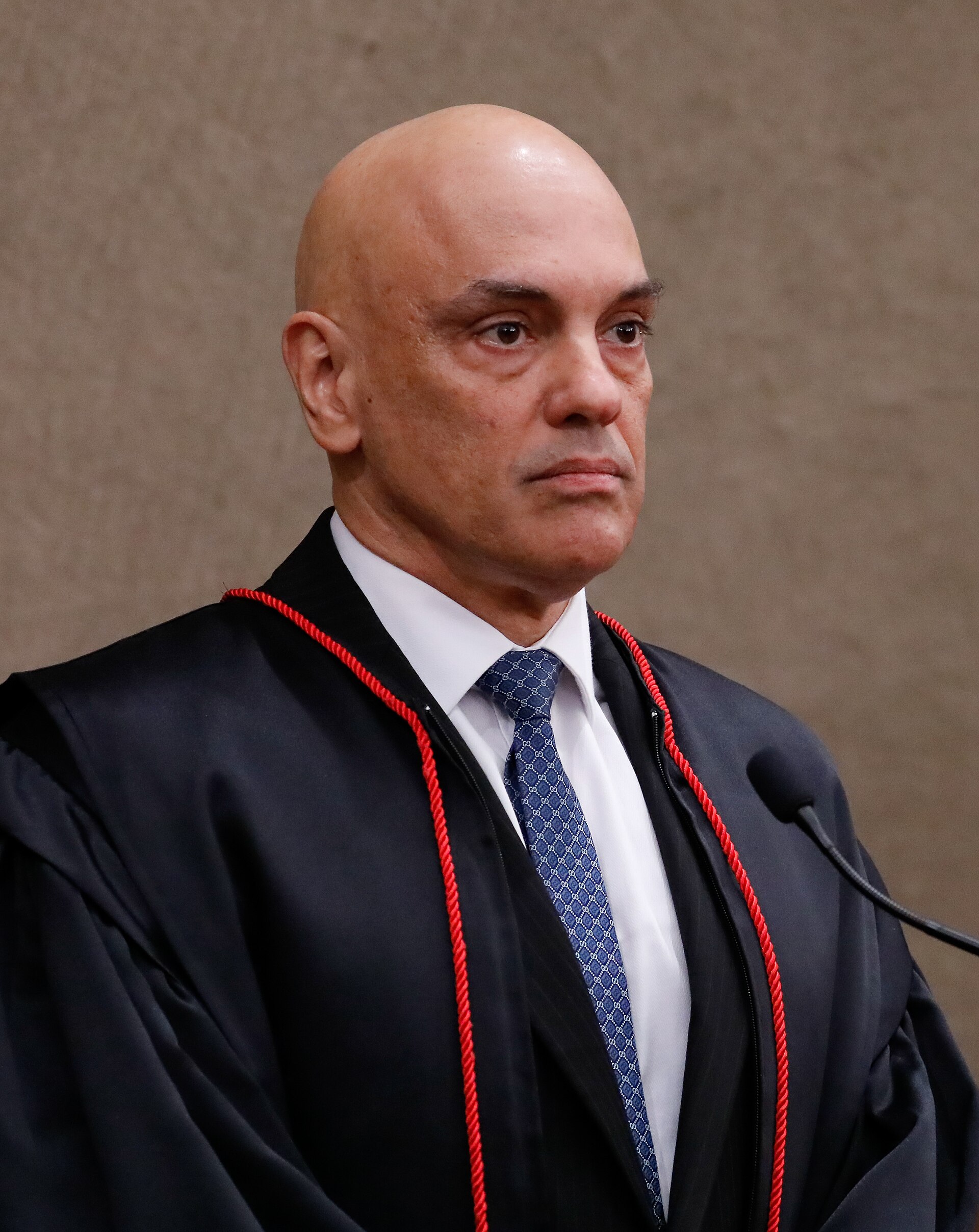
The Flávio Bolsonaro surrender passports order landed less than a day after he lost Brazil's presidency. On Monday, federal police stopped Senator Flávio Bolsonaro in the street outside the Brasília home of his father, former president Jair Bolsonaro, and told him to hand over his passports. Supreme Court Justice Alexandre de Moraes had barred him from leaving the country and ordered every passport he holds — Brazilian, diplomatic and foreign — surrendered within 24 hours, Brazil's public news agency Agência Brasil reported. The order was issued in a sealed Supreme Court inquiry into suspected money laundering, and it also forbids him any contact with Willer Tomaz, a lawyer linked to betting companies that police suspect were used to launder about £680 million. Bolsonaro said he would comply with the request — and, in the same breath, that he never planned to flee and would challenge the ruling.
Update — Tuesday, October 27: served on Monday, and says he will comply
Flávio Bolsonaro was served with the order on Monday, October 26, after visiting his father, and said in a video that he would comply with it while denying any plan to flee the country. By Tuesday morning, no confirmed report had appeared that he had physically surrendered the passports. His party, the PL, accepted the election result “under reservation” on Monday evening, and Folha de S.Paulo reported that advisers had urged him to drop the bid to annul the election in favour of a filing seeking Lula's disqualification.
What happened on the street in Brasília
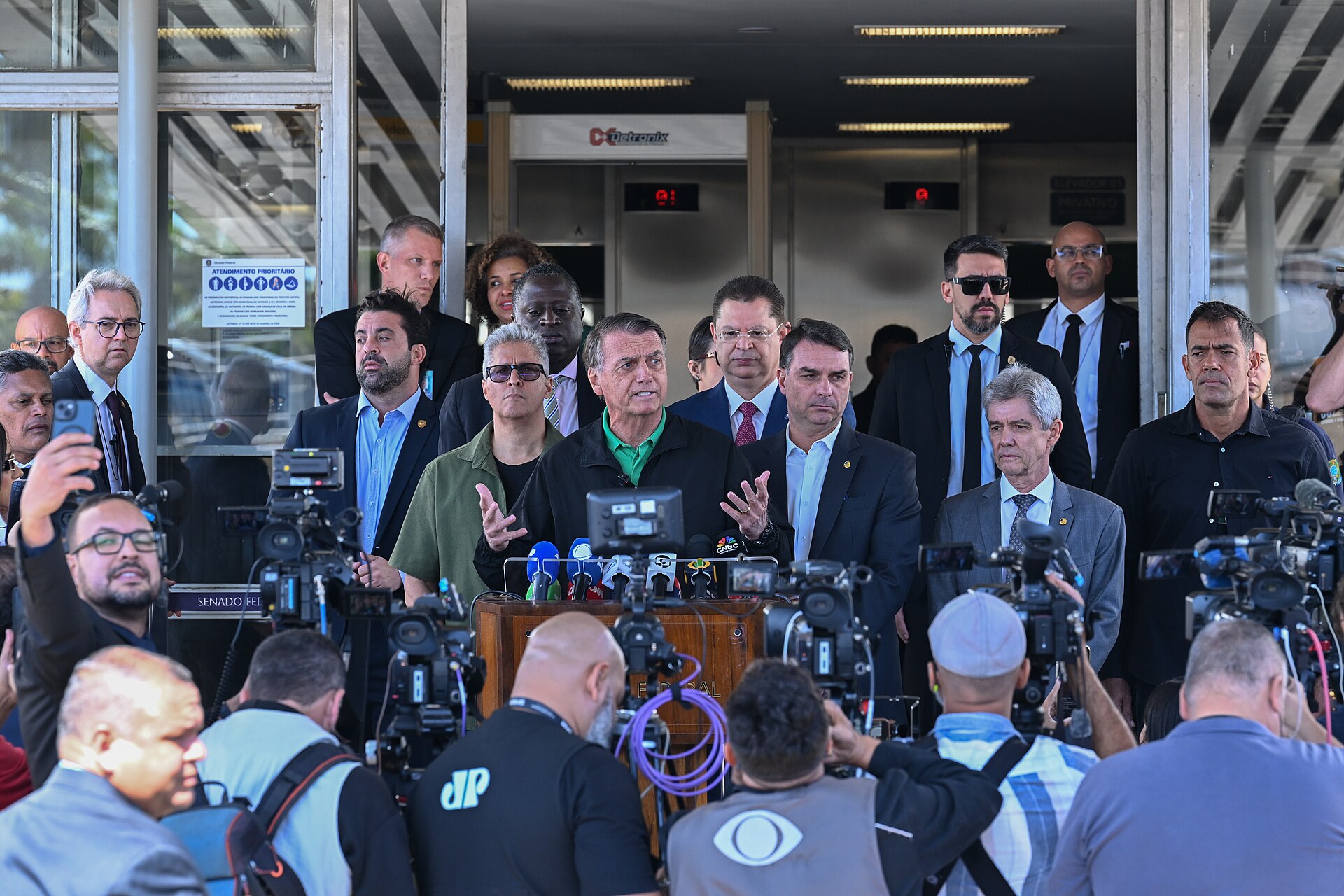
The sequence, as Bolsonaro himself told it in a video posted to social media on Monday, was brief and public. He had been visiting his father. As he left the house, federal police officers were waiting. “I was ordered right on the street to hand over my passports, and I'm also prohibited from leaving the country,” he said. Reuters reported that he told viewers he intended to comply with the request and denied planning to flee Brazil after Sunday's defeat. He said the order was based on remarks by his younger brother Eduardo Bolsonaro, who lives in self-imposed exile in the United States and said on a podcast last week that Flávio should leave the country if he lost the runoff to President Luiz Inácio Lula da Silva. “I never said that,” Flávio Bolsonaro said of any plan to leave.
Two precision points matter here. First, Reuters was careful to note that Bolsonaro claimed — without providing evidence — that the police request rested on a ruling by Justice Moraes, and that Brazil's Supreme Court and federal police did not immediately reply to requests for comment. Second, the fuller terms of the order come from Agência Brasil's reporting, carried by the Guardian: a confidential ruling by Moraes cancelling all of Bolsonaro's passports, including the diplomatic passport he holds as a senator and any passport of another nationality — he also holds an Italian passport — with a maximum of 24 hours to surrender them, and a ban on any contact with Tomaz. Reporting by G1 and CBN added that the ruling answered a petition from lawmakers Lindbergh Farias and Rogério Corrêa, who had argued there was a risk the senator could flee. Bolsonaro has said he will challenge the court's ruling.
The case underneath: a sealed money-laundering inquiry
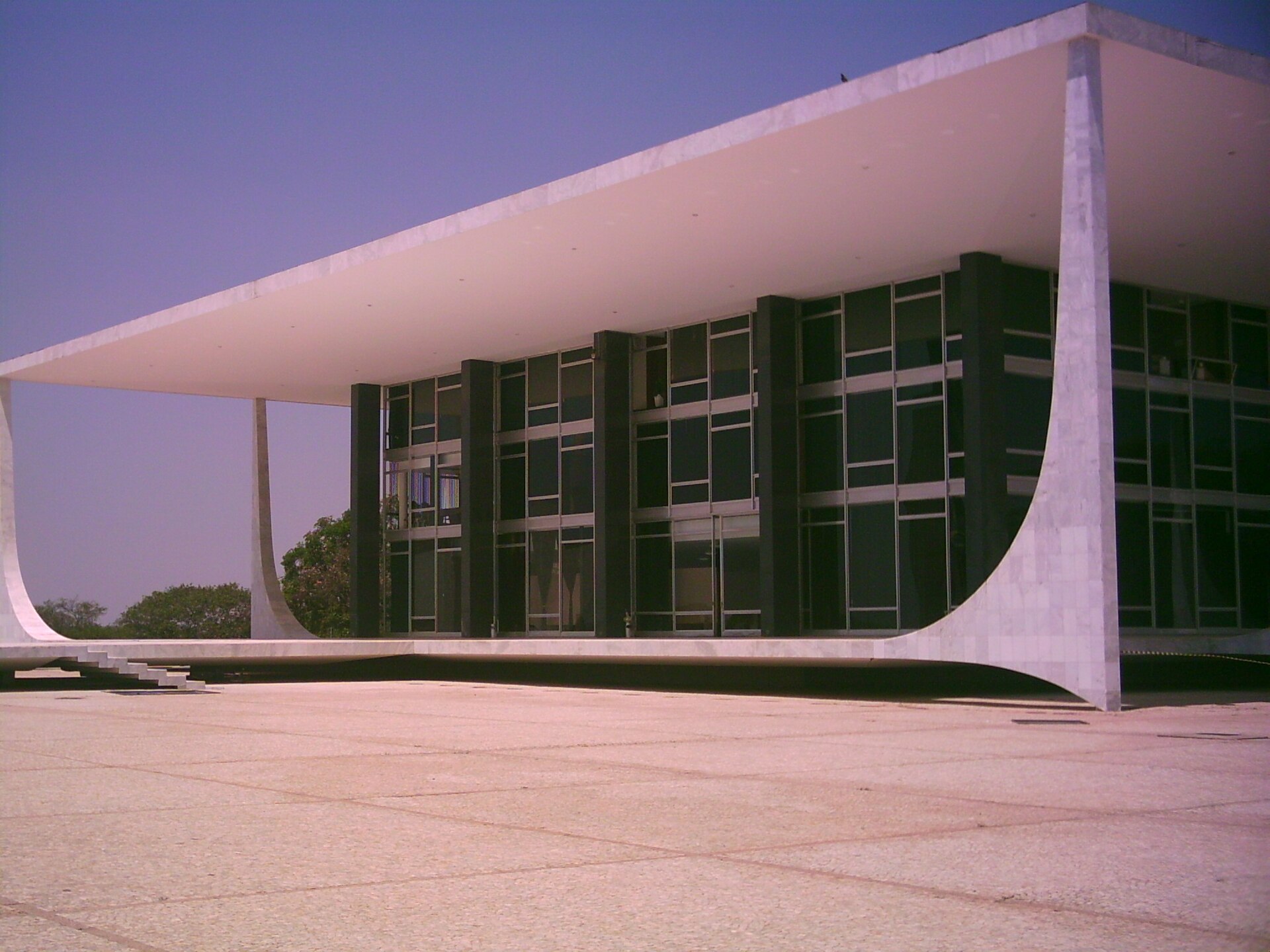
The passport order is a precautionary measure inside a Supreme Federal Court inquiry, known as Inquérito 4995, which allows a justice to impose temporary restrictions while an investigation continues; the court's published record describes the surrender and the requirement to obtain judicial permission before leaving the country in exactly those terms. The inquiry concerns a federal police investigation into suspected money laundering and illegal foreign-exchange transactions involving Bolsonaro and Tomaz, whose companies are linked to betting firms under scrutiny. According to the reporting, investigators found emails indicating Bolsonaro was registered as a “master user” of an account belonging to Alcazar Holdings, a Tomaz company — an allegation, not a finding. On Friday, three days before the runoff, Moraes had already blocked up to R$6 billion of Tomaz's assets and cancelled his passports, after police said Tomaz had travelled abroad since becoming a target.
Nothing in the verified reporting says Bolsonaro has been charged in this inquiry, and both he and Tomaz say they are friends who deny being business partners or committing any wrongdoing. The £680 million figure is the amount police suspect the betting-linked companies were used to launder; it has not been proven in court. Those distinctions are not legal niceties — they are the difference between a court restricting a suspect's movements during an investigation and a court punishing him, and this article keeps them separate throughout.
Why this matters
Brazil has seen this film before, from the other side of the family. Jair Bolsonaro refused to concede his 2022 loss to Lula, left for the United States before the transfer of power, was later convicted of attempting a coup and is now in custody — and his son has just run the same playbook's first act: defeat on Sunday, a refusal to recognise the result, a demand for annulment, and now a court moving to make sure he cannot leave. Whether or not Flávio Bolsonaro ever intended to board a plane, the court's logic is written in his family's recent history: the last Bolsonaro who lost an election to Lula spent the aftermath abroad, and a brother is on a podcast urging this one to do the same. Judges read newspapers too.
The deeper significance is institutional. A precautionary passport seizure against a sitting senator and defeated presidential candidate, issued under seal by the same justice who tried his father, will be read by half of Brazil as the judiciary protecting an investigation and by the other half as the judiciary harassing the opposition — and both readings will harden before any evidence in the inquiry is tested in public. That is the real stakes of Inquérito 4995: not one man's travel documents, but whether Brazil's courts can investigate the country's most polarising family without the investigation itself becoming the next round of the political war. The annulment fight over the runoff — Bolsonaro blames a two-hour voting extension that, awkwardly for his case, both campaigns had requested in different places — now runs in parallel with a criminal inquiry, and each will be used as ammunition in the other.
Both sides
The case for the order, as its supporters frame it: the measures are temporary, judicial and tied to a specific investigation, not to the election. Police say the co-investigated lawyer travelled abroad after becoming a target and had up to R$6 billion in assets frozen on Friday; a sitting senator with a second nationality, a brother publicly urging him to leave and a father who left the country after his own defeat presents, on paper, an obvious flight-risk file. Two lawmakers petitioned on exactly that ground. Supporters also note that Bolsonaro was not arrested, not charged in the reporting, and remains free to campaign, litigate and challenge the order — which he says he will do.
The case against, as Bolsonaro and his allies frame it: the timing is the argument. An order dated, on his account, to election Sunday itself, served in the street the morning after his defeat, looks — whatever its legal basis — like punishment arriving before any charge. He denies any intention to flee, points out that the flight-risk theory rests on his brother's podcast remarks rather than anything he said, and notes he was stopped leaving his father's home, not an airport. His party's position adds a further tension: on Monday night the Liberal Party formally acknowledged the electoral court's proclaimed result, saying the questions raised should be clarified “through a balanced and democratic political debate” — while its candidate still has not conceded personally. The party is walking toward acceptance; its candidate, now without a passport, is litigating.
What the numbers actually imply
Start with the margin, because it disciplines everything else. The electoral court's tally put Lula at about 51.8 percent of valid votes to Bolsonaro's 48.2 — a lead of roughly 4.4 million votes, on a two-hour voting extension that was granted after requests from both camps and that analysts quoted across the coverage, including Americas Quarterly's Brian Winter, judged could not plausibly account for a gap that size. That is why the annulment demand is widely read as a political instrument rather than a legal path: there is no arithmetic version of it that changes the winner. The passport order, by contrast, has immediate practical effect regardless of the election fight: a senator whose term ends early next year — after which he will be out of public office for the first time in 24 years — cannot leave Brazil, cannot speak to the lawyer at the centre of the inquiry, and must hand over even his Italian passport within a day. And the inquiry's own numbers are large enough to matter if they are ever proven: a suspected laundering flow of about £680 million through betting-linked companies, and R$6 billion of the lawyer's assets already frozen before a single charge in this case has been reported.
What happens next
The immediate test is mechanical: whether the passports are actually surrendered inside the 24-hour window, and what Bolsonaro's promised challenge argues — expect it to attack the flight-risk reasoning and the order's timing rather than the court's power to issue it. Watch, second, whether the Supreme Court or the federal police break their silence; at staging, neither had commented, and the first official word will either firm up the order's basis or expose how much of it rests on one man's video. Third, the concession question is now split in two: the party has acknowledged the result, the candidate has not, and a candidate who cannot leave the country has fewer theatrical options than one who can — Brasília will be watching whether the passport order quietly accelerates his acceptance of defeat or hardens the refusal into a longer siege. Finally, the inquiry itself: precautionary measures of this kind usually precede either charges or a quiet unwinding, and which of those arrives first will decide whether Monday's street stop is remembered as the opening of a major corruption case or as the most controversial footnote of Brazil's 2026 election.
Related coverage
Lula wins Brazil's presidential runoff against Flávio Bolsonaro · Flávio Bolsonaro wins Brazil's first round to set up the Lula runoff
Sources
Reuters, “Flavio Bolsonaro says Brazil federal police asked for his passports” (October 26, 2026) — reuters.com. The Guardian, “Brazil: defeated Flávio Bolsonaro ordered to surrender passports” (October 26, 2026), reporting Agência Brasil. New York Times, Brazil coverage (October 26, 2026). Court-record and inquiry details via the Supreme Federal Court's published record for Inquérito 4995, as summarised in the reporting above. This article attributes every contested claim to its source; the money-laundering allegations are under investigation and are denied by both men named.