Brazil election 2026 results
- Brazil election 2026 results
- Lula vs Bolsonaro 2026
- Brazil election runoff October 25
- Brazil congressional election 2026 results
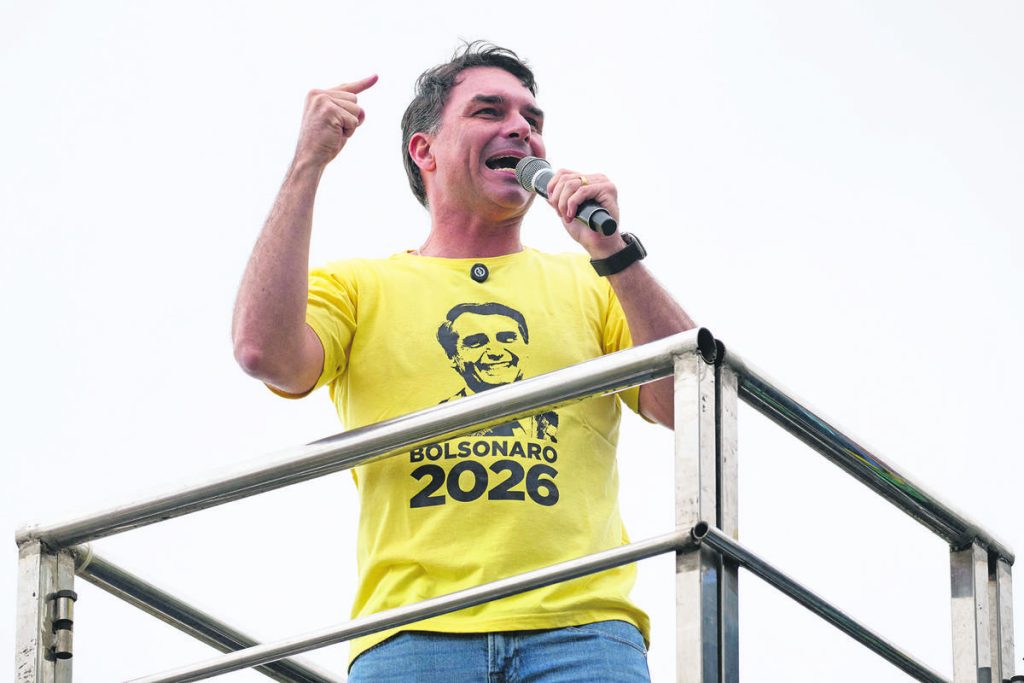
Brazil did not merely send its presidential contest to a second round on Sunday. It reordered the balance of power going into it. The late tally placed Bolsonaro near 47% of valid votes and Lula near 45%; The Wall Street Journal reported 47.3% to 44.8% with 98% counted, while The Times put the near-final shares at about 47% and 45.1% with 99.6% counted. Those are small source-to-source differences from a moving count, not a dispute about the outcome: neither cleared the 50% of valid votes required to win outright, and Bolsonaro finished first.
That last fact is historically weighty. Since Brazil returned to direct presidential elections in 1989, every candidate who led the first round has gone on to win the runoff. History is not destiny, especially across three volatile weeks, but Lula now has to do something no Brazilian presidential candidate has managed in that era: reverse the order between rounds.
Why this matters
The result turns what had been sold as a dead-even ideological rematch into an election Bolsonaro can plausibly lose only by mishandling his advantage. His lead is not enormous, yet it is paired with something more durable than a presidential vote: a conservative sweep in the simultaneous congressional and state elections. Michelle Bolsonaro and Carlos Bolsonaro won Senate seats, while Jair Renan and Renato Bolsonaro were elected to the lower house. If Flávio wins the presidency, he could enter office with the friendliest Congress available to a Brazilian right-wing president in years.
That changes the meaning of the runoff. Brazil is no longer choosing only between two executives. It is choosing between divided government under an 80-year-old Lula seeking a fourth term and a potentially unified conservative government led by the jailed former president's eldest son. Investors, Washington and Latin America's political parties will read the result as a signal about whether the region's rightward turn has become a governing bloc rather than a collection of isolated victories.
Brazil presidential election results today
Flávio Bolsonaro first round results and the valid-vote math
Blank and null ballots are excluded from Brazil's presidential majority calculation. Against that valid-vote denominator, Bolsonaro's approximately 47.3% left him less than three points shy of ending the race on Sunday. Lula's roughly 44.8% kept him alive but stranded him on the wrong side of both the margin and the expectations game.
The rest of the ballot fractured into small pieces: Augusto Cury of Avante took about 2.93%, Renan Santos of Missão about 2.29%, Ronaldo Caiado of the PSD roughly 2.25%, and Romeu Zema of Novo around 0.28%. Together they form a theoretically sufficient reservoir for either finalist. In practice, their voters are not interchangeable. Much of the anti-Workers' Party vote that flirted with Cury, Caiado or Zema is ideologically closer to Bolsonaro. Lula must therefore win a lopsided share of the minor-candidate electorate while also pulling abstainers back to the polls.
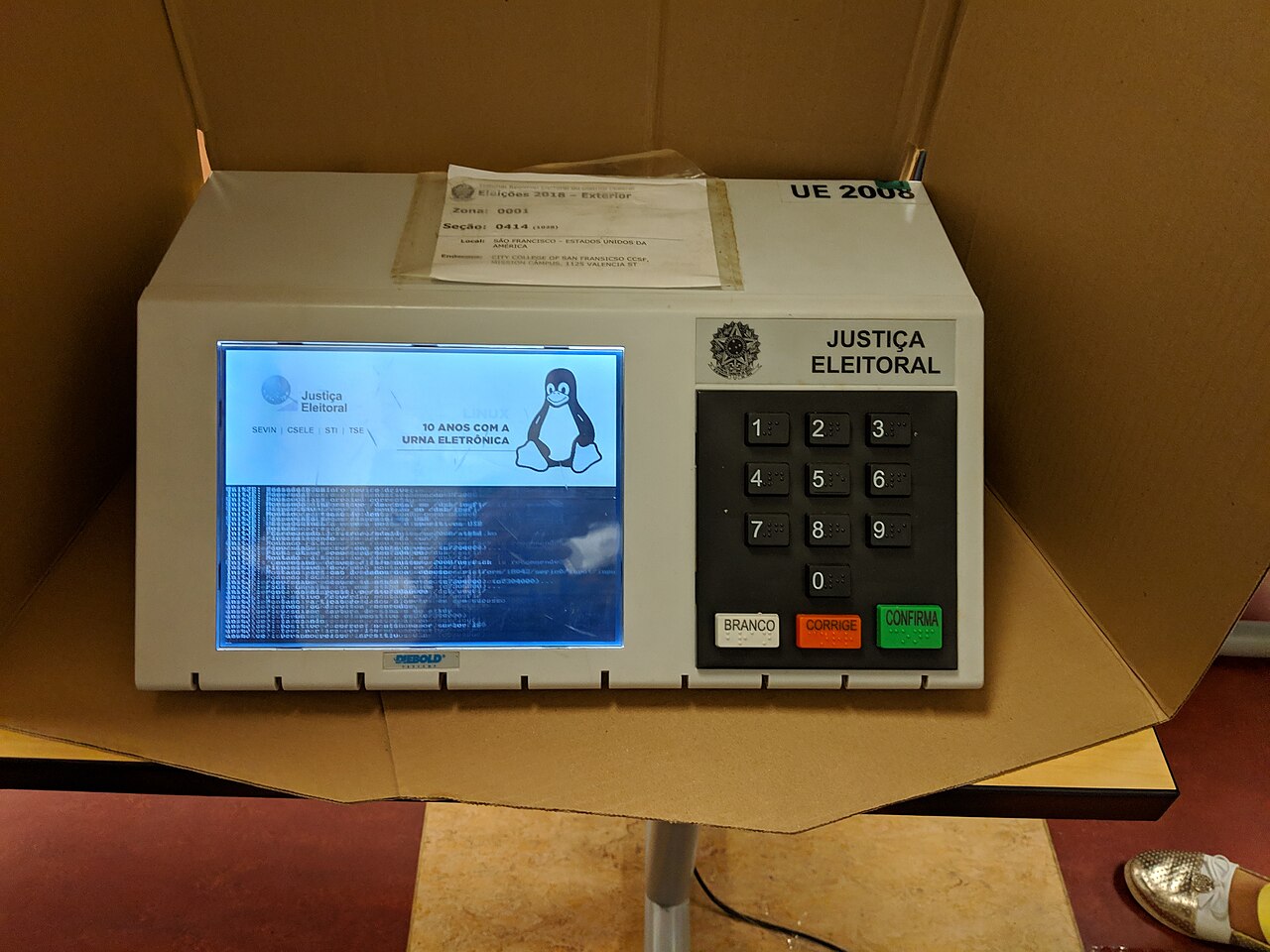
About 158.8 million Brazilians were eligible. Turnout was approximately 79% after voting from 8 a.m. to 5 p.m. Brasília time on electronic machines. A movement of even one percentage point in the runoff can mean more than a million votes, so the campaign's ground game now matters as much as its television message.
Bolsonaro beats polls in Brazil — and not by a rounding error
How the final surveys missed the direction
The most important analytical fact is not that one poll was wrong. It is that every major final poll leaned the same wrong way. Datafolha's eve-of-vote estimate had Lula at 45% and Bolsonaro at 42%. Quaest had Lula 46% to Bolsonaro 45%. CNT/MDA showed Lula at 47.8% and Bolsonaro at 42.1% of valid votes. The actual Flavio Bolsonaro percentage was about five points stronger than the most pessimistic of those final Bolsonaro estimates and nearly three points above even Quaest's number.
That systematic miss suggests more than ordinary sampling noise. Three forces may have overlapped: late strategic movement from smaller right-leaning candidates, social-desirability bias among voters reluctant to identify with the Bolsonaro name, and turnout models that underestimated the intensity of anti-Lula voters. The campaign's corruption arguments and cost-of-living message may also have hardened choices after pollsters had effectively closed their fieldwork.
None of those explanations is proved by the top-line count alone. Proper diagnosis will require precinct-level returns and pollster postmortems. But campaigns cannot wait for academic certainty. Lula must assume that the electorate is more hostile to his government than the surveys captured; Bolsonaro must avoid assuming that another hidden vote will automatically appear.
Why the Brazil vote count 2026 looked even more dramatic early
At 32% reported, Bolsonaro led 50.74% to 41.14%. That was a real count but a distorted national picture. Reuters reported that southern, Bolsonaro-leaning states were transmitting results faster, while Lula's northeastern strongholds were arriving later. As the geographic mix normalized, the gap narrowed sharply.
The lesson is basic but often forgotten on election night: a national percentage is only nationally representative when the reporting map is representative. Early returns told us Bolsonaro had mobilized the south; they could not yet tell us the final margin. The later count did. And although it denied him an outright victory, it still confirmed the deeper surprise.
How Brazil got here: from Lula's 2022 comeback to a Bolsonaro succession
In the 2022 first round, Lula led with 48.43%, then defeated Jair Bolsonaro in the runoff with 50.90%. That was a comeback of extraordinary political scale for a former president whose corruption convictions had been annulled, restoring his eligibility. Yet the narrow margin also showed that Bolsonarismo had survived the pandemic, institutional conflict and defeat.
Jair Bolsonaro later received a 27-year prison sentence for plotting to overturn the 2022 result. His conviction removed him from this ballot but not from Brazilian politics. Flávio, 45, a senator and the eldest son, became the movement's vehicle. He has pledged to pardon his father if elected, tying the election directly to the unfinished constitutional argument over 2022.
That inheritance is both Flávio's advantage and his risk. It gives him a loyal base, a national brand and an emotional story of grievance. It also ensures that critics will frame his candidacy as dynastic restoration rather than generational change. His task in the runoff is to keep the family coalition without frightening voters who rejected Jair's confrontational style.
Who benefits, who loses — and what critics will say
The beneficiaries
Flávio Bolsonaro is the obvious winner, but the larger beneficiary is the Brazilian right's institutional wing. The congressional results mean his coalition can campaign on governability, not only protest. Business groups that feared a fourth Lula term can now imagine tax, privatization and regulatory priorities moving with legislative support. Nu Holdings shares surged about 9% overnight as traders priced the right-wing outperformance, an early sign of the strong market reaction investors had prepared for.
Donald Trump's allies also gain. Flávio has emerged as an ally of the US president, and a Bolsonaro victory would add Brazil — Latin America's largest economy — to a broader wave of right-wing governments aligned with Washington. That could produce quicker cooperation on security and some trade questions, even as it raises concerns about ideological alignment replacing pragmatic diplomacy.
The losers and the critique
Lula is the night's clearest loser, but institutions that relied on his coalition are exposed too: organized labor, social movements, environmental advocates and public-spending constituencies. A conservative presidency with a friendly Congress could act faster than Jair Bolsonaro often could.
Critics of Flávio will argue that a pardon for his father would subordinate the rule of law to family loyalty, and that the congressional sweep creates too few checks on executive power. Critics of Lula will say his fourth-term project became an exercise in restoration without enough answer to household debt, high living costs, street crime and public debt above 82% of GDP. Both critiques contain political force. Neither eliminates the democratic legitimacy of Sunday's vote.
The campaign itself did little to resolve those substantive questions. Both frontrunners skipped the major television debates, and corruption scandals, economic anxiety and accusations of US meddling crowded out policy. Voters produced a clear order of finish without receiving a comparably clear governing program.
Lula vs Bolsonaro 2026: the October 25 runoff paths
What Bolsonaro must do
Bolsonaro's safest strategy is disciplined reassurance. He already has most of the right; he needs enough centrists to cross 50%. His election-night declaration — “Brazil has had enough…this is the end of the era of the Workers' Party” — thrills his base. His promise of a “modern government” must now be filled with credible economic personnel, fiscal rules and respect for institutions. The more the runoff becomes a referendum on pardoning Jair, the more room Lula has to revive fears about democratic backsliding.
He also needs to consolidate voters from Cury, Caiado and Zema without humiliating their leaders. Endorsements matter, but regional machines and congressional alliances matter more. A candidate already near 47% does not need reinvention; he needs to avoid giving uncertain voters a reason to stop him.
What Lula must do
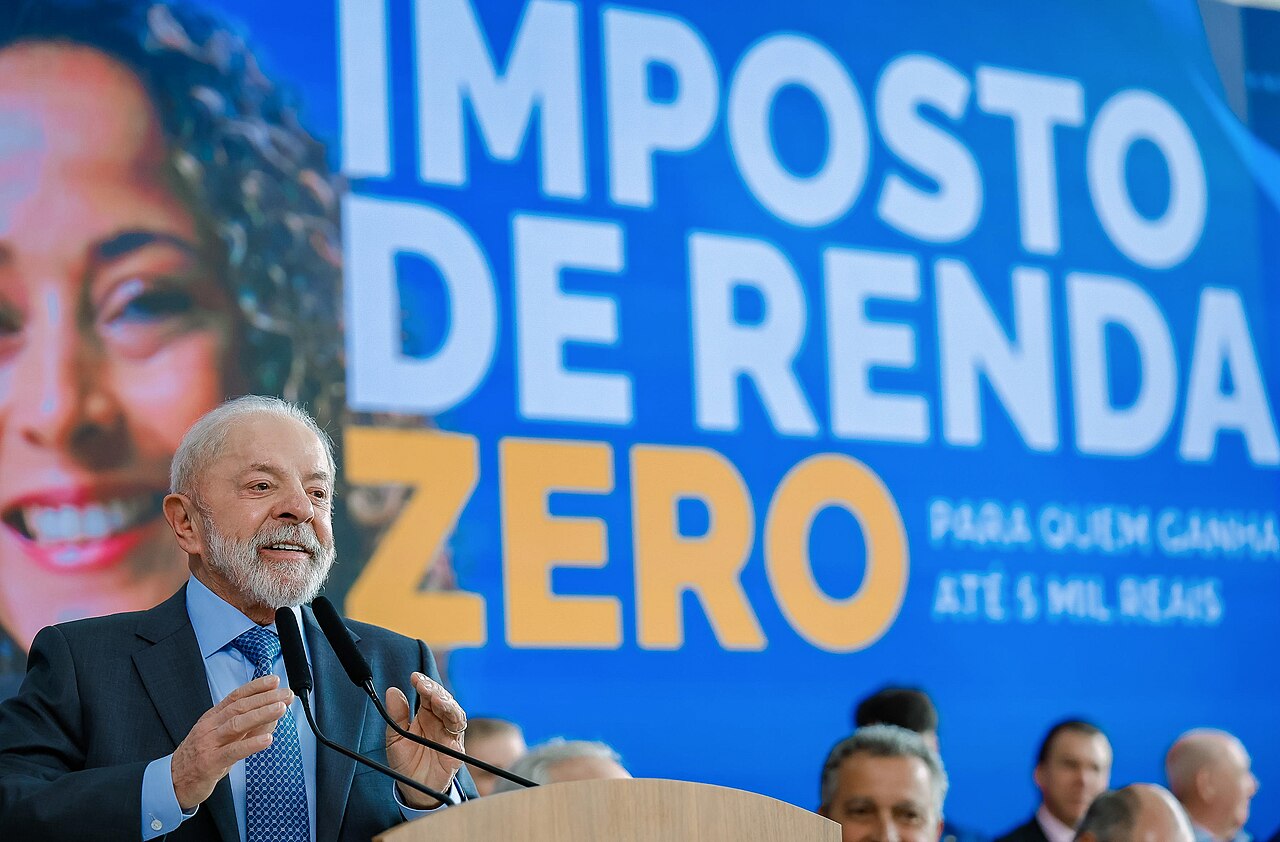
Lula's path is narrower and more demanding. He must maximize turnout in the northeast, recover working-class voters who moved right, dominate among the minor candidates' softer centrists and turn the congressional sweep into a warning against unchecked power. He also needs a candid economic message. Defending falling inequality and unemployment will not be enough for families who feel squeezed by food, credit and personal security.
“I confess I was convinced I would win in the first round,” Lula said, calling the result a “lesson in democracy” and the runoff “the ultimate test.” That admission can humanize him, but only if followed by course correction. Calling Bolsonaro an “uncertainty for Brazil” is a contrast, not a program.
Professor Oliver Stuenkel offered the bluntest assessment: “It is very hard to imagine Lula turning this around in the coming weeks. Flávio Bolsonaro is now the clear favourite to be Brazil's next president.” The historical record supports that judgment. The closeness of the race still cautions against treating it as a forecast carved in stone.
Markets, Washington and Latin America's rightward wave
Markets will initially reward the prospect of a more business-friendly presidency and a cooperative Congress. But the first rally is easier than the governing test. Brazil's public debt, lower growth forecasts and expensive credit require decisions that anger constituencies. Investors should distinguish relief at Lula's underperformance from evidence that Bolsonaro has a workable fiscal plan.
For US-Brazil relations, either outcome carries friction. A Flávio victory could improve White House access and security coordination, but Trump's closeness to the Bolsonaro family would magnify every sovereignty dispute. A Lula reelection could deepen trade and security clashes after a campaign already marked by allegations of outside interference. Washington's most durable interest is not a favorite candidate; it is a credible result accepted by both camps.
Regionally, victory would extend the run of right-wing candidates aligned with Trump and make Brazil the movement's anchor. Defeat would show that the wave has limits when confronting an incumbent left with deep regional loyalties. Either way, the Brazilian runoff will be read far beyond Brasília.
What comes next
The next three weeks will be less about discovering the electorate than sorting it. The first round has already shown who won the Brazil election 2026 opening contest, exposed a polling blind spot and handed the right a congressional advantage. The runoff will test whether Lula can make the election about democratic checks and household protection — or whether Bolsonaro can make it about fatigue with the Workers' Party and a clean transfer of the conservative mantle.
For readers following the campaign's progression, see our earlier Brazil election-day guide, our analysis of the deadlocked final polls, and our report on the US consular suspension during election security preparations.
The first round did not settle Brazil's presidency. It did settle the burden of proof. Bolsonaro enters October 25 needing to preserve a coalition that already looks like a majority. Lula enters needing to build one that the polls mistakenly told him he already had.