Ethiopian forces enter Aksum: Ethiopian federal troops and Tigray Peace Force fighters entered the ancient city of Aksum this week, the conflict monitor ACLED documented, in the latest widening of the Tigray offensive — while Eritrea denied a claim that its soldiers had been driven back toward the border with heavy losses.
Aksum / Federal troops are in the ancient city — and Eritrea calls the retreat story false
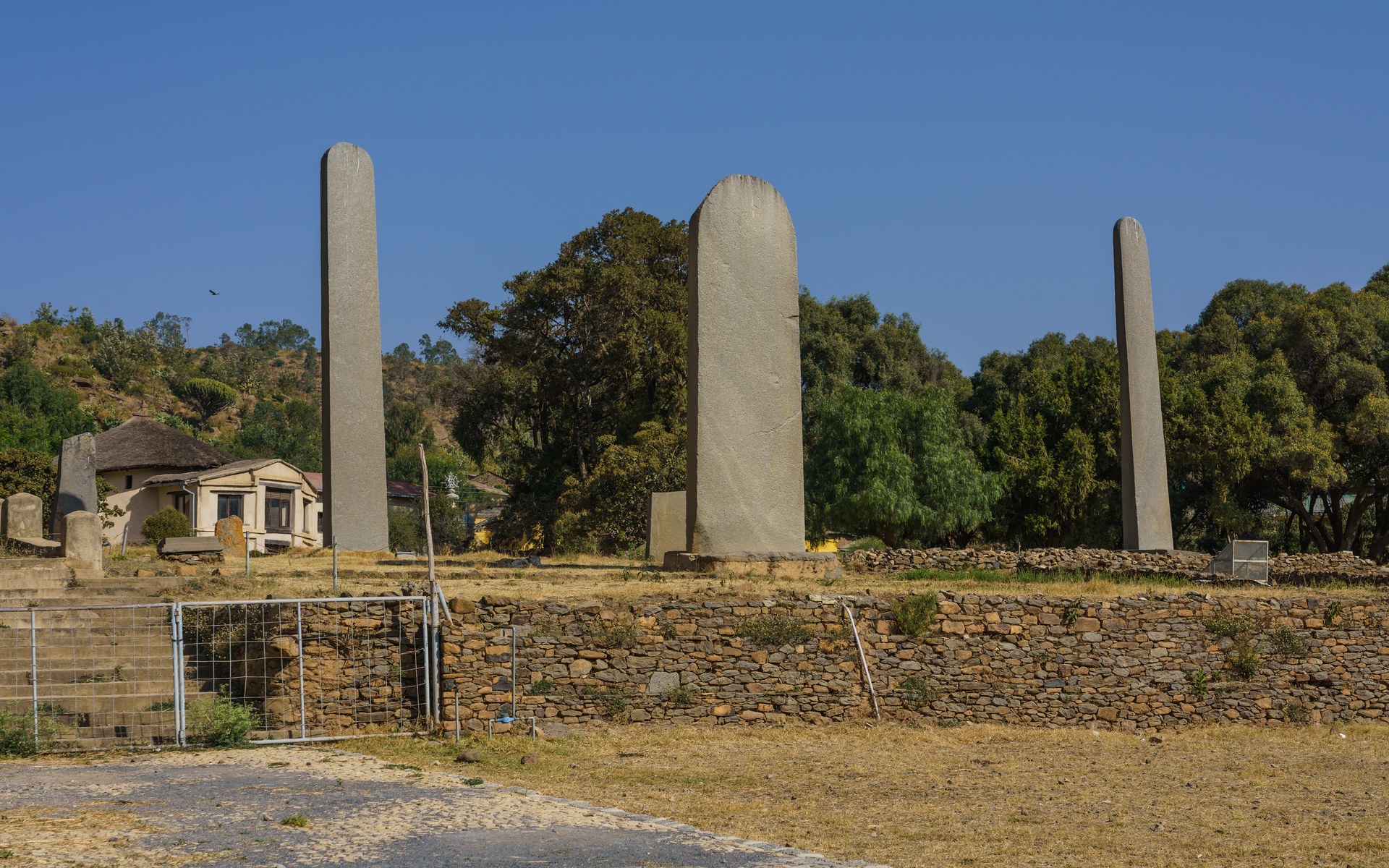
AKSUM — Ethiopian forces have entered Aksum, the ancient city in northern Tigray, as the federal government's offensive against its Tigrayan opponents widened toward the Eritrean border this week. The conflict monitor ACLED documented the entry of Ethiopian federal forces alongside fighters of the Tigray Peace Force, Al Jazeera reported on October 15, with rival Tigrayan fighters still holding positions in the mountains around the city. ACLED also recorded Eritrean forces withdrawing through the border town of Zalambessa and Ethiopian tanks and heavy weapons moving toward the Eritrean frontier on October 13. Reuters, citing six sources, had reported on October 13 that Ethiopian troops reached Zalambessa, the town that sits directly on the border crossing, as part of the counter-offensive. Taken together, the accounts describe an advance on two axes at once: deeper into Tigray's historic heartland, and north to the line where the last Ethiopia–Eritrea war began.
Track it live: Live global wars tracker · Africa wars tracker
What the monitors documented
Aksum is not a strategic prize in the ordinary sense — it is a small city whose value is symbolic and religious — but its capture marks how far the offensive has travelled since federal forces seized the regional capital, Mekelle, earlier this month in the fighting covered in our report on the fall of Mekelle. The Tigray Peace Force, the faction fighting alongside Addis Ababa, is a Tigrayan armed movement that broke with the TPLF leadership that governed the region after the 2022 peace deal; the Aksum operation therefore pits Tigrayans against Tigrayans as well as federal troops against their opponents, with the losing side falling back into the mountains that ring the city rather than surrendering it street by street. ACLED's account, as reported by Al Jazeera, is careful on the central point: it documents who entered the city, and it does not support any casualty total for the entry itself. No independent count of dead or wounded in Aksum has been published, and none is claimed in this report.
The second axis is the border. Reuters reported Ethiopian troops reaching Zalambessa on October 13, and ACLED recorded armor and heavy weapons moving toward the Eritrean border the same day. That movement matters because of where it points: Zalambessa was one of the front-line towns of the 1998–2000 Ethiopia–Eritrea war, a conflict that killed tens of thousands before a peace deal froze the border dispute rather than settling it. Ethiopian armor on that road is read in both capitals as a signal as much as a manoeuvre.
The claim, and the denial
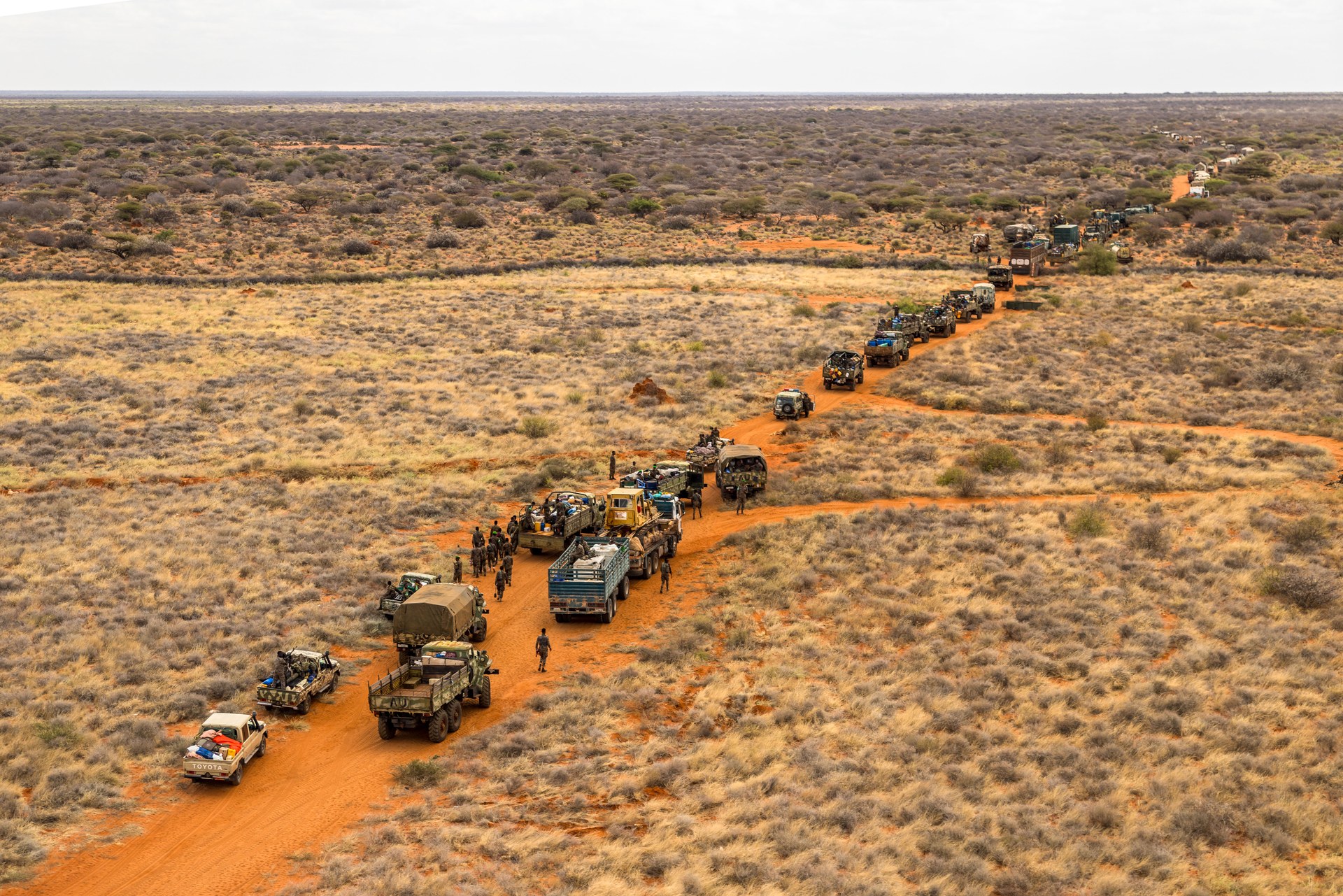
The sharpest dispute is over what happened to Eritrean forces in the path of the advance. Solomon Hailemariam, a spokesman for the Tigray Peace Force, claimed that Eritrean troops suffered heavy casualties and withdrew toward the border. Eritrea's information minister, Yemane Gebremeskel, denied the claim. Those are the two positions, and the evidence available publicly supports neither side's version in full: ACLED documented an Eritrean withdrawal through Zalambessa, which is consistent with troops pulling back, but a withdrawal is not the same thing as a rout, and no casualty figure attached to it has been verified by any independent source. Eritrea has acknowledged no losses. Readers should hold the claim exactly where the reporting leaves it — asserted by one belligerent, denied by the other, unproven either way.
The argument is not only about one week's fighting. Ethiopia has already taken its case to the United Nations, accusing Eritrea of an all-out invasion of Tigray, while Eritrean troops were reported entering Adigrat earlier in the escalation. Each side is building a public record in which the other is the aggressor — the standard prelude, in the Horn of Africa's recent history, to a confrontation that neither capital says it wants.
Zalambessa: a border town in the dark
For the people who live where the armies are facing each other, the argument over claims is secondary. AFP, reporting from Zalambessa on October 15, heard from residents who said the two armies had faced each other there and that the fighting at the town had stopped — but that Zalambessa has been without power and water for about a week. That is the civilian ledger of the escalation so far: not, on the accounts available, mass casualties in the border town, but a community cut off from electricity and water while soldiers decide its status from opposite ends of the street. It is also a reminder of the pattern across Tigray in this offensive, in which the gravest immediate harm to civilians has come through blackouts, displacement and the collapse of services around the fighting, rather than only from the fighting itself.
Why Aksum carries weight beyond the front line
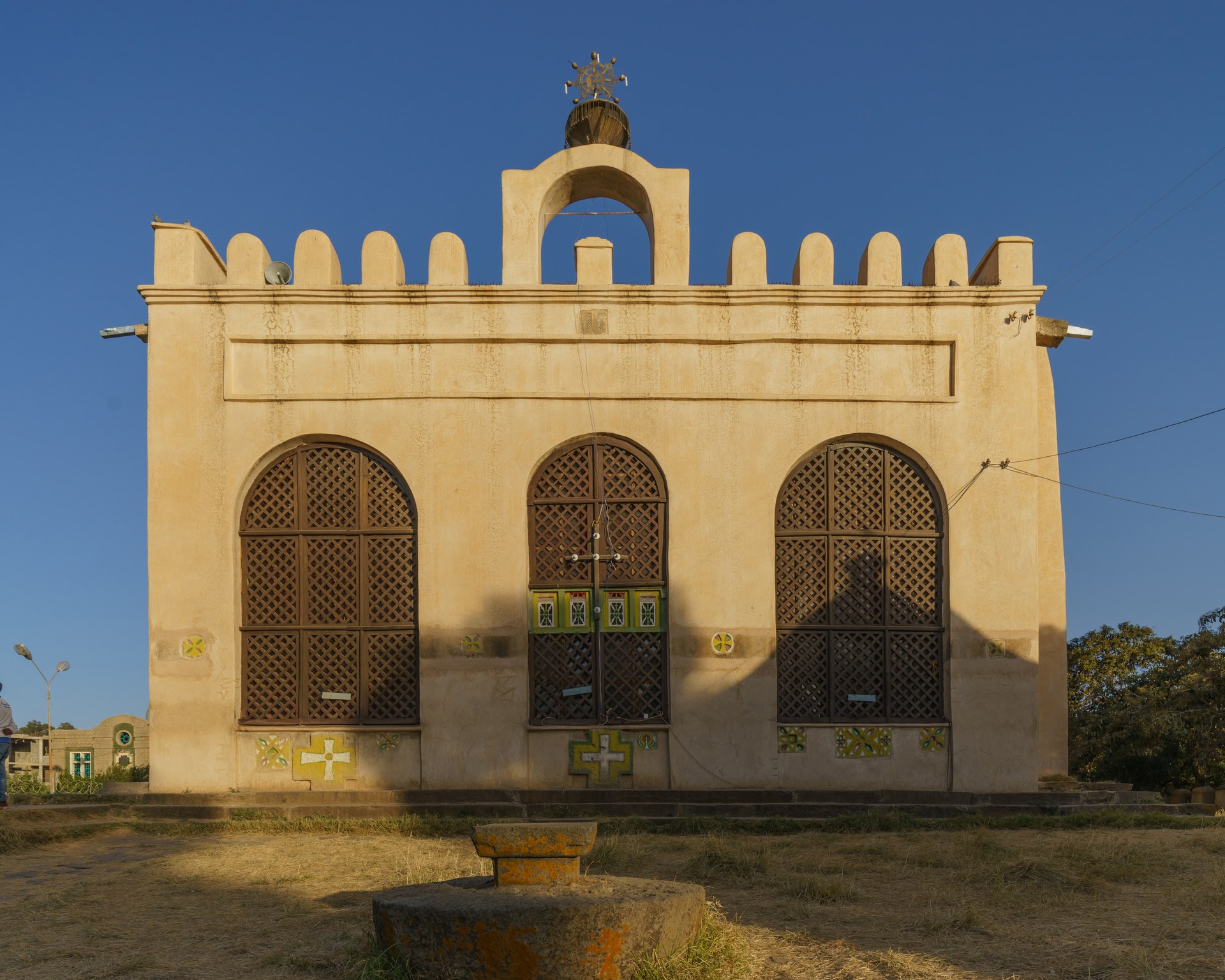
Aksum was the capital of the Aksumite Empire, one of the great powers of the ancient world, and its carved stelae are a UNESCO World Heritage site. Its church, St Mary of Zion, is where Ethiopian Orthodox tradition says the Ark of the Covenant rests, which makes the city one of the holiest places in Ethiopian Christianity. It also carries a darker recent history: in November 2020, early in the last Tigray war, witnesses and Amnesty International reported that Eritrean troops killed many civilians in Aksum over two days; Eritrea denied responsibility. That history is why an advance on Aksum — and any Eritrean role in the fighting around it — is received in Tigray as something more than a change of military control, and why both sides contest the narrative of what is happening there so fiercely. The 2022 Pretoria agreement that ended the last war required Eritrean forces to leave Tigray; whether they ever fully did was disputed for years, and the question sits underneath every claim and denial now being traded.
Why this matters
Three escalations are running at once. The first is inside Tigray: the federal government and its Tigray Peace Force allies are dismantling, town by town, the position of the TPLF-led forces that ran the region — Mekelle, then the Adwa and Sheraro axis under airstrikes, now Aksum. The second is between Ethiopia and Eritrea: whatever the truth of the casualty claim, Ethiopian armor moving to the border and Eritrean forces documented on Ethiopian soil describe two states sliding toward the direct clash both have spent two years avoiding, with Ethiopia's campaign for Red Sea access — directed at Eritrea's coast — poisoning relations in the background. The third is humanitarian and quiet: towns like Zalambessa losing power and water, in a region whose population has already endured one of the deadliest wars of this century between 2020 and 2022, in which credible estimates of the dead, from fighting, hunger and collapsed healthcare, run into the hundreds of thousands. A second full war layered on that damage is the outcome every outside actor says it is trying to prevent.
What happens next
Watch three things. First, the mountains around Aksum: if the rival forces there counter-attack, the city's capture becomes a siege story; if they melt away, the offensive's next objectives lie further north. Second, the border itself: whether Ethiopian armor halts at Zalambessa as leverage, or crosses into territory Eritrea claims — the step that would convert a Tigray war into an interstate one. Third, the diplomacy: the African Union brokered the 2022 deal in Pretoria, and Ethiopia has already carried its invasion accusation to the UN Security Council. Whether any mediator can get both capitals to separate their forces while the Aksum narrative is still contested will say a great deal about whether this widening has a ceiling. For the residents of Zalambessa, in the dark for a week, the ceiling cannot come soon enough.
Sources: Al Jazeera, October 15, 2026 (ACLED documentation of the Aksum entry, the Eritrean withdrawal through Zalambessa and the October 13 armor movement; Tigray Peace Force spokesman Solomon Hailemariam's casualty claim; Eritrean Information Minister Yemane Gebremeskel's denial); Reuters, October 13, 2026 (Ethiopian troops reach Zalambessa, six sources); AFP, October 15, 2026 (Zalambessa residents on the standoff and the week without power and water). The Tigray Peace Force casualty claim is unverified; no casualty total for the Aksum entry has been independently established.
Related: Ethiopian government forces seize Mekelle, Tigray capital · Ethiopia accuses Eritrea of all-out invasion at UN Security Council · Ethiopia Tigray airstrikes: Adwa, Sheraro and the fall of Mekelle