World · Ukraine · Türkiye · Black Sea
The working visit was billed as positioning. It ended with the Turkish president publicly rebuking both Moscow and Kyiv over attacks on civilian shipping, a pledge of generators for Ukraine's battered energy grid, an agreement to rebuild a safer grain corridor — and a possible Turkish seat at the November negotiating table.
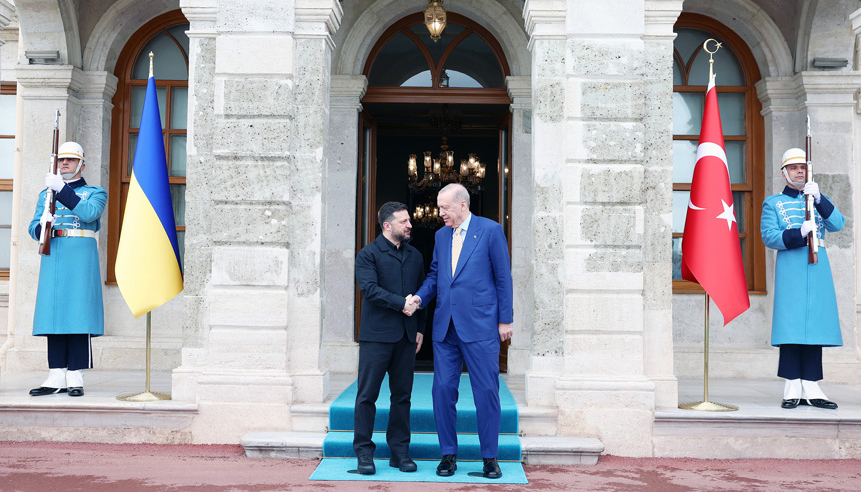
Turkish President Recep Tayyip Erdoğan on Saturday condemned attacks on civilian vessels in the Black Sea as unacceptable “under any circumstances, regardless of who carries them out or what justification is offered,” speaking at a joint press conference with Ukrainian President Volodymyr Zelenskyy at the Dolmabahçe office in Istanbul on October 31, after bilateral talks between the two leaders. Erdoğan urged Russia and Ukraine to “act responsibly” and said Ankara would keep talking to all sides to restore safe navigation in the Black Sea.
Track it live: Ukraine war map — live tracker
The outcome capped a visit that had been framed, before the two presidents sat down, as preparation and positioning. The road to the Istanbul meeting ran through Erdoğan's October 28 phone call with US President Donald Trump and Zelenskyy's own description of the trip as “important negotiations,” as Signal Post News reported in its preview of the road to the Istanbul meeting and the Black Sea agenda Zelenskyy carried to Dolmabahçe. What emerged went beyond positioning: a public Turkish rebuke aimed at both belligerents, and a set of practical agreements on shipping, energy and defence that give the November diplomatic calendar something concrete to work with.
“Serve no one's interests”: Erdogan condemns Black Sea attacks
“It is clear that attacks against civilian vessels and actions that further escalate tensions in the Black Sea serve no one's interests,” Erdoğan said at the Zelenskyy Erdogan press conference. Ankara, he disclosed, has already sent Moscow and Kyiv a proposal to end strikes on civilian ships — but neither side has acted on it. Talks aimed at restoring navigation safety would continue, he said, and he hopes to raise the matter with Russia as well. “Reaching an agreement on this issue would also give fresh impetus to efforts to secure lasting peace in Ukraine,” he added.
The Turkish president also welcomed the renewed diplomatic momentum behind US President Donald Trump's initiative, declaring that “there can be no losers in a just peace” and that Turkey stands ready to make every possible effort to pave the way for peace — noting that Turkey-hosted talks have shown tangible results can be achieved through diplomacy. The choreography behind the words matters: Erdoğan spoke by phone with Trump on Wednesday, October 28, and told him Turkey was ready to support efforts to revive the diplomatic process, three days before hosting the Ukrainian leader in Istanbul.
The condemnation lands against a months-long pattern of strikes on merchant shipping that has steadily raised the cost of moving anything by sea in the region — a pattern that includes the strike on a Liberian-flagged ship at the port of Odesa and dozens of other attacks on vessels whose only cargo was grain, ore or fuel. Erdoğan's formulation was deliberately even-handed: by condemning the attacks whoever carries them out, Ankara addressed Moscow and Kyiv in the same sentence — and reminded both that a Turkish proposal to stop them is already on the table, unanswered.
Zelenskyy's side: Black Sea security, the grain corridor and energy help
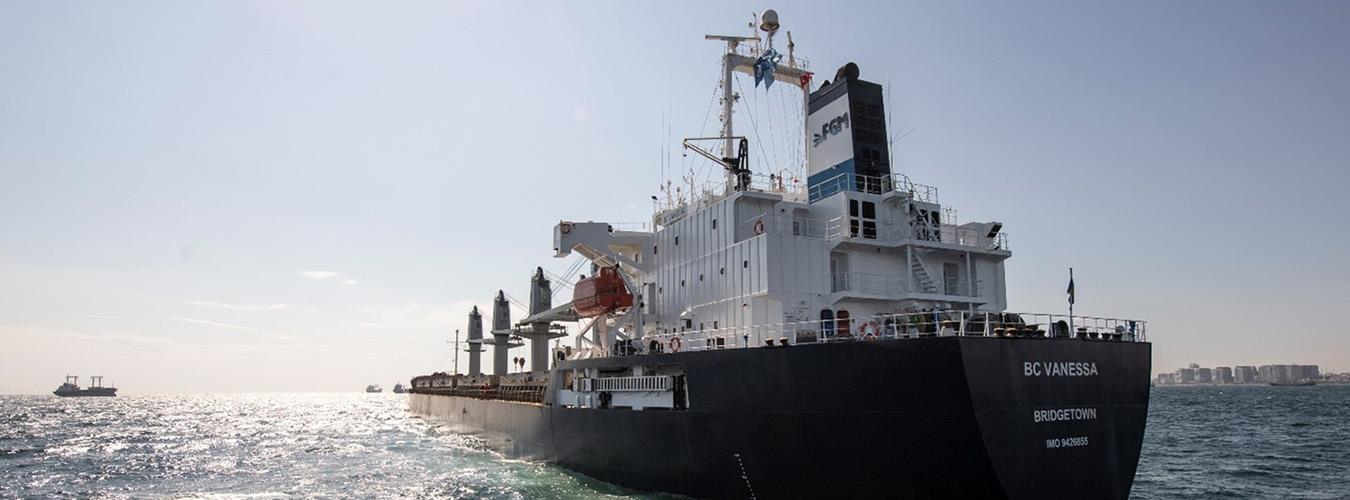
Zelenskyy accused Russia of making the situation in the Black Sea difficult — Kyiv's longstanding argument is that Russia has steadily worsened security in the sea since 2014 — and said a significant part of the conversation was devoted to Black Sea security. “We discussed with President Erdogan some ideas and proposals that can help. And I thank Mr. President personally for this dialogue,” he said. The two leaders agreed to work together on a more effective Black Sea grain corridor, the export route on which Ukraine's farm economy — and a significant share of the world's wheat and corn supply — depends.
The bilateral track produced its own deliverables. Turkey agreed to increase support to Ukraine's energy sector as Russian strikes on the grid intensify, with further generators and power-generating equipment expected to reach Ukraine as early as next week, and the leaders discussed joint defence projects. On peace formats, Zelenskyy said the two discussed the upcoming trilateral talks between US, Ukrainian and Russian negotiators expected in early November; Kyiv wants Europe — and potentially Turkey — involved, and the possibility of a meeting in Turkey itself was raised. “Strong decisions are needed for there to be peace,” Zelenskyy said, arguing that signals must be sent to Russia at all levels “that there is no alternative to peace and that support for Ukraine will continue.” After the talks, Zelenskyy was due to meet Ecumenical Patriarch Bartholomew. The meeting fell, by a coincidence both delegations noted, on International Black Sea Day — October 31.
Why this matters: a rebuke aimed at both capitals
Analysis: the most important word in Erdoğan's statement is the one implied rather than spoken — “both.” Turkey is the only NATO member that talks to both Moscow and Kyiv, guards the Bosphorus straits under the Montreux Convention, and has the most to lose from a militarised Black Sea. A shipping-safety agreement is the narrowest possible deal: it asks neither side to concede territory or to stop fighting on land, which is exactly why Ankara thinks it could be the first building block — as the 2022 grain initiative was, when a corridor for wheat became the war's only functioning diplomatic product. If even this fails, it signals how far the parties are from any larger settlement. If it succeeds, it hands the November trilateral format a ready-made early win before the negotiators even sit down.
Context and background: the Black Sea grain corridor
From the 2022 grain initiative to Ukraine's western-coast corridor
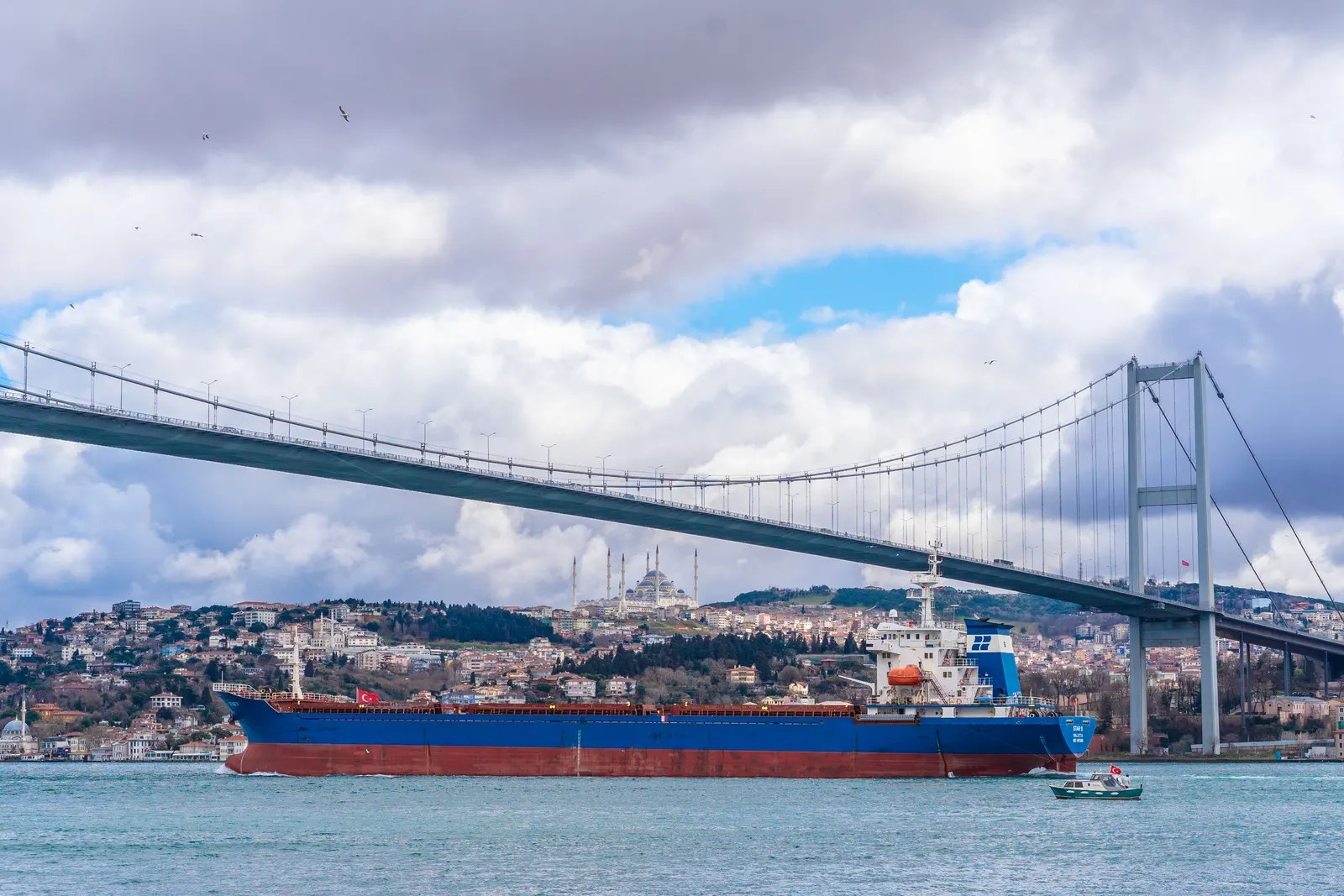
Turkey and the United Nations brokered the Black Sea Grain Initiative in July 2022, moving Ukrainian exports past the Russian blockade until Moscow withdrew from the arrangement in July 2023. Ukraine has since run a unilateral corridor hugging the western coast — through Romanian and Bulgarian waters — which has kept exports flowing but under constant threat: every vessel hit reprices war-risk insurance for the entire route, and the corridor's economics, not any single hull, are what Kyiv and Ankara are jointly defending.
570 vessels hit: the numbers behind Ankara's alarm
The figures explain the urgency in Erdoğan's language. Shipping data cited by the Financial Times, drawn from Ambrey and the International Maritime Organization, counts more than 570 vessels hit in the Black Sea this year; union figures reported by Reuters put confirmed Black Sea attacks at 570 so far this year, with 40 seafarers dead and hundreds wounded — alongside a record 28 attacks on vessels in the Gulf in the first 21 days of October alone. Ankara's warnings have been escalating in step: on October 28, Turkish Defence Minister Yaşar Güler warned both Moscow and Kyiv that Turkey reserved the right to pursue legal action if Turkish-flagged or Turkish-owned ships were targeted. Black Sea shipping security, in other words, is no longer an abstraction in Ankara — it is a legal threat with a date on it.
Multiple angles
Kyiv: equipment, corridor and a seat for Ankara
Ukraine leaves Istanbul with a public Turkish commitment on energy equipment at the moment Russian strikes on its grid are intensifying, a joint pledge to improve the corridor it depends on for export revenue, and a possible Turkish seat at the November table — a mediator Kyiv trusts, inside a format it fears could otherwise be arranged over its head.
Ankara: shipping, brand and trade
Turkey protects three things at once: its own shipping and straits, its mediator brand — burnished again by a week in which Erdoğan spoke to both Trump and Zelenskyy — and its trade ambitions with both belligerents, which a permanently militarised Black Sea would strangle.
Moscow and Washington
Moscow, which has said its negotiating position is unchanged, is being told by a partner it still trades with that attacks on civilian shipping carry a cost — and that the bill may eventually arrive as Turkish legal action. Washington gets its initiative publicly blessed by the one leader who spoke to both Trump and Zelenskyy in the same week. Critics will note that Erdoğan has called these attacks unacceptable before — including at the UN General Assembly in September — without changing behaviour at sea, and that Turkey's shipping proposal has so far been ignored by both sides. That critique is fair. It is also, after Saturday, a testable proposition rather than a talking point.
What happens next: Ukraine peace talks November 2026
Four things will show whether Istanbul produced substance. First, whether Russia responds to Ankara's shipping proposal — any answer, even a counter-proposal, would be the first movement on the file. Second, whether the early-November trilateral acquires a confirmed date and format: the Abu Dhabi window of November 6–10 has previously been discussed by Kyiv in connection with the trilateral talks Abu Dhabi November planning, and Turkey has now been floated as a possible venue. Third, whether Turkish energy equipment actually ships next week, as pledged. Fourth — the simplest metric of all — whether attacks on civilian vessels pause or continue. The honest test of Istanbul is not the warmth of the handshake but hulls: if ships keep being hit, the condemnation joins a long list of statements the war absorbed.
Conclusion
Erdoğan's Istanbul statement will not end the war, and neither president pretended otherwise. But the Erdogan Zelenskyy Istanbul meeting produced the rarest commodity in this conflict's diplomacy: a narrow, checkable proposition — stop hitting civilian ships — backed by a named mediator with channels to every capital, a corridor agreement, an energy pledge with a delivery date, and a November format that now has two candidate venues. Turkey mediation between Ukraine and Russia has promised much before and delivered prisoner exchanges and one grain deal. This time, the deliverable can be counted in hulls that arrive safely — or do not.
Sources
- AFP — “Erdogan takes Russia, Ukraine to task over Black Sea attacks” (October 31, 2026): Erdoğan's condemnation of attacks on civilian vessels as unacceptable under any circumstances, the call to act responsibly, and Turkey's unanswered proposal to Moscow and Kyiv.
- Reuters via Devdiscourse — “Erdogan says attacks on commercial vessels in Black Sea unacceptable”: Erdoğan's remarks at the joint press conference, including “no losers in a just peace” and the fresh impetus a shipping agreement would give peace efforts.
- Reuters via Devdiscourse — “Zelenskiy says he discussed upcoming peace talks with Erdogan”: Zelenskyy on the early-November trilateral talks, European and Turkish involvement, and the signals that must be sent to Russia.
- Reuters — dockworkers strike report (October 30, 2026): the union figures of 570 confirmed Black Sea attacks this year, 40 seafarers dead and hundreds wounded, and the record 28 Gulf vessel attacks in the first 21 days of October.
- Europesays — Ukrainian reports from Istanbul: the agreement to work on a more effective Black Sea grain corridor, increased Turkish support for Ukraine's energy sector with equipment expected next week, and joint defence projects.
This article is based on AFP and Reuters reporting of October 31, 2026, from the joint press conference at Dolmabahçe, Reuters reporting of October 30, 2026, for the shipping attack figures, and Ukrainian reports carried by Europesays. Quotations are as published by those sources. Analysis is by Signal Post News.