Business · Technology · Delivery · Mergers
The $65-a-share deal folds America's grocery-delivery technology leader into its restaurant-delivery leader. It will not close until late 2027 at the earliest — and antitrust regulators, grocers, restaurants and delivery workers all get a say before it does.
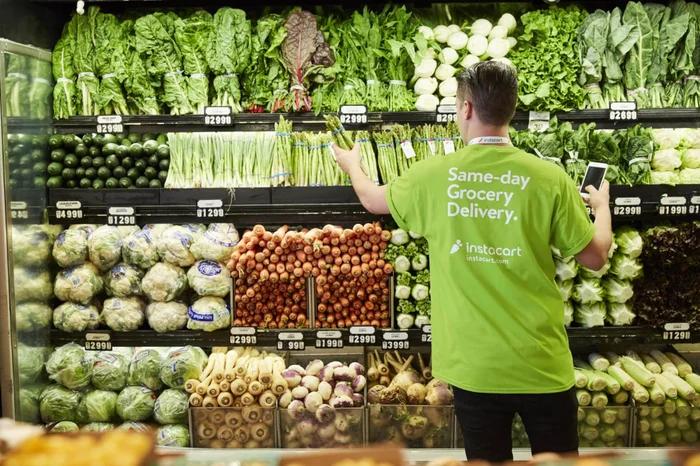
SAN FRANCISCO, October 31, 2026 — DoorDash buys Instacart for $17 billion under a deal announced on Thursday, October 29, that would unite the dominant US restaurant-delivery network with the dominant grocery-delivery technology platform. The agreement values Instacart — legally Maplebear Inc. — at $65 a share, a 26% premium to its October 22 closing price, the last trading day before reports of a transaction surfaced. At least 75% of the price will be paid in cash, funded from DoorDash's reserves and new debt backed by a 364-day bridge facility committed by JPMorgan Chase. Instacart's board approved the deal unanimously, and holders of about 19% of its shares have agreed to vote for it. It is DoorDash's largest acquisition by far, and one of the biggest consumer-internet mergers of the decade.
The deal, in numbers
Instacart shareholders can elect $65 in cash, 0.3372 DoorDash shares, or a mix of $48.75 in cash plus 0.0843 DoorDash shares, with stock capped at 25% of the total consideration. The termination fees signal how seriously both sides take the regulatory road: Instacart would owe DoorDash $650 million if it walks away, and DoorDash would owe $1.25 billion if the deal dies under specified circumstances. The companies expect to close at the end of 2027 or in the first half of 2028 — an unusually long runway that itself concedes the antitrust review ahead in the United States, Canada and Israel. Until closing, the two operate entirely separately. Instacart cancelled its November 5 earnings call and suspended guidance after signing; its final standalone quarter showed gross transaction value of $10.528 billion, up 15% year over year, on 91.4 million orders, up 10%.
The consumer pitch is consolidation of the two memberships: DashPass and Instacart+ holders will pay one fee instead of two, which DoorDash says will save customers an estimated $100 million a year, and Instacart's shoppers gain access to more than 50,000 additional stores beyond the nearly 100,000 already on its platform. DoorDash says it will keep Instacart's brand, app and enterprise technology products, and that local grocers will remain free to work with any delivery platform — a no-exclusivity promise clearly drafted with regulators in mind. The deal also caps a long courtship: the two companies discussed a combination in 2021 that would have valued Instacart at $40 billion to $50 billion, near its pandemic-era private peak of about $39 billion. At $17 billion, DoorDash is buying the same company for less than half that mark — a measure of how far grocery delivery's pandemic valuations have fallen, and of why Instacart, which also held talks with Uber, chose a deal now. This newsroom tracked the run-up in its report on Instacart exploring a sale, and set out the first terms in its initial coverage of the $17 billion agreement; this article examines what the merger would actually change.
Why this matters
Delivery is becoming a single utility, and this deal asks whether that is efficient or dangerous. DoorDash already holds more than two-thirds of the US food-delivery market, according to Bloomberg figures cited in coverage of the deal. Instacart is not mainly a delivery fleet — it is the software layer inside America's grocery industry: the storefronts, fulfilment tools and retail-media advertising business that hundreds of grocers, including many who compete with each other, run on. Combine the two and one company touches the restaurant order, the grocery order, the advertising sold against both, and the worker who carries them. For grocers, the promise is reach and technology they could never build alone; the fear, voiced whenever platforms consolidate, is dependence — fees, ranking and customer data controlled by a single gatekeeper who also competes for the same shopper. For restaurants already on DoorDash, a grocery giant sibling changes little directly, but strengthens the platform they negotiate with. For consumers, the honest summary is: one membership and wider selection now, pricing power questions later.
Context: a decade of consolidation
The deal is the logical end of a consolidation arc: Uber's purchase of Postmates, DoorDash's acquisitions of Caviar and Finland's Wolt, Instacart's own rise as the grocers' collective answer to Amazon — each step concentrating volume to make thin delivery margins work. The strategic backdrop is the real prize: Walmart and Amazon, which own their stores, warehouses and delivery networks outright. A combined DoorDash–Instacart is the independent sector's counterweight — every local grocer and restaurant on shared rails. Whether regulators see a counterweight or a monopolist is the $17 billion question, and the 2027–28 closing timeline, the no-exclusivity pledge and the brand-retention promises are all pre-emptive answers to it. New York City's Department of Consumer and Worker Protection criticised the merger within a day of its announcement and vowed to keep enforcing delivery-worker protections regardless — an early sign that the political fight will be about workers as much as prices.
Multiple angles: workers, grocers and the sceptics
Delivery workers sit at the sharpest point of the deal. Instacart told its shoppers nothing changes immediately, and legally that is true until closing. But consolidation historically means one algorithm setting pay, batching and deactivation rules for a larger share of the work available in a city — which is why worker groups and city regulators reacted first. Grocers are split between chains deep in Instacart's enterprise ecosystem, who gain a stronger partner against Walmart, and independents who fear becoming tenants. Sceptics in the market note the price itself: a 26% premium for a company whose growth has normalised to the mid-teens, bought mostly with debt, by a buyer whose own multiple assumes flawless integration across a two-year regulatory wait. Supporters answer that grocery is the largest retail category in America still under-penetrated online, and that whoever owns its rails owns a generation of commerce.
What happens next
The Hart-Scott-Rodino review in the US, and parallel reviews in Canada and Israel, will define the next year; the Federal Trade Commission's posture toward platform roll-ups is the single largest variable in the deal. Watch for state attorneys general and city worker-protection agencies joining the argument, for grocers negotiating long-term Instacart contracts as insurance, and for Uber — the spurned bidder — responding with its own grocery push. If the deal clears, the visible changes arrive in order: one membership, cross-listed stores, unified advertising — and then the harder questions about fees that only a combined company's pricing power can answer.
Related coverage: DoorDash Buys Instacart Deal Worth $17 Billion Reshapes Grocery Delivery · Reports Say Instacart Explores Sale in Reported Talks With Uber and DoorDash
Sources
- PYMNTS (October 29, 2026) — DoorDash to acquire Instacart in a deal worth $17 billion; one membership fee for DashPass and Instacart+ members; 50,000 additional stores; Instacart's prior talks with Uber.
- Connect Money (October 29, 2026) — $65 a share, a 26% premium; at least 75% cash; shareholder election options; JPMorgan bridge facility; closing expected late 2027 or first half of 2028; the 2021 talks valuing Instacart at $40–50 billion.
- Retail Dive (October 29, 2026) — Instacart's brand, app and enterprise technology to be retained; companies operate separately until closing; unanimous Instacart board approval.
- USA Today (October 29, 2026) — What the acquisition means for users; DoorDash's share of the US food-delivery market above two-thirds since 2024 (Bloomberg); estimated $100 million a year in member savings.