The Bessent warns Zelenskyy Starlink dispute broke into the open on NBC's Meet the Press on Sunday, October 18, 2026. Treasury Secretary Scott Bessent called President Volodymyr Zelenskyy's claim that Washington ordered limits on Ukraine's Starshield satellite service "very reckless" and said Zelenskyy "should be very careful about making statements like this that aren't true" — hours after Zelenskyy told the same programme the order to slow the service came from the American government, and that US intelligence sharing had also been blocked for a period, leaving Kyiv blind to incoming Russian ballistic missiles for three days.
A Treasury secretary told an allied wartime president to watch his words on live television — over a satellite network neither capital fully controls
Track it live: Ukraine war map · Live Global Wars tracker
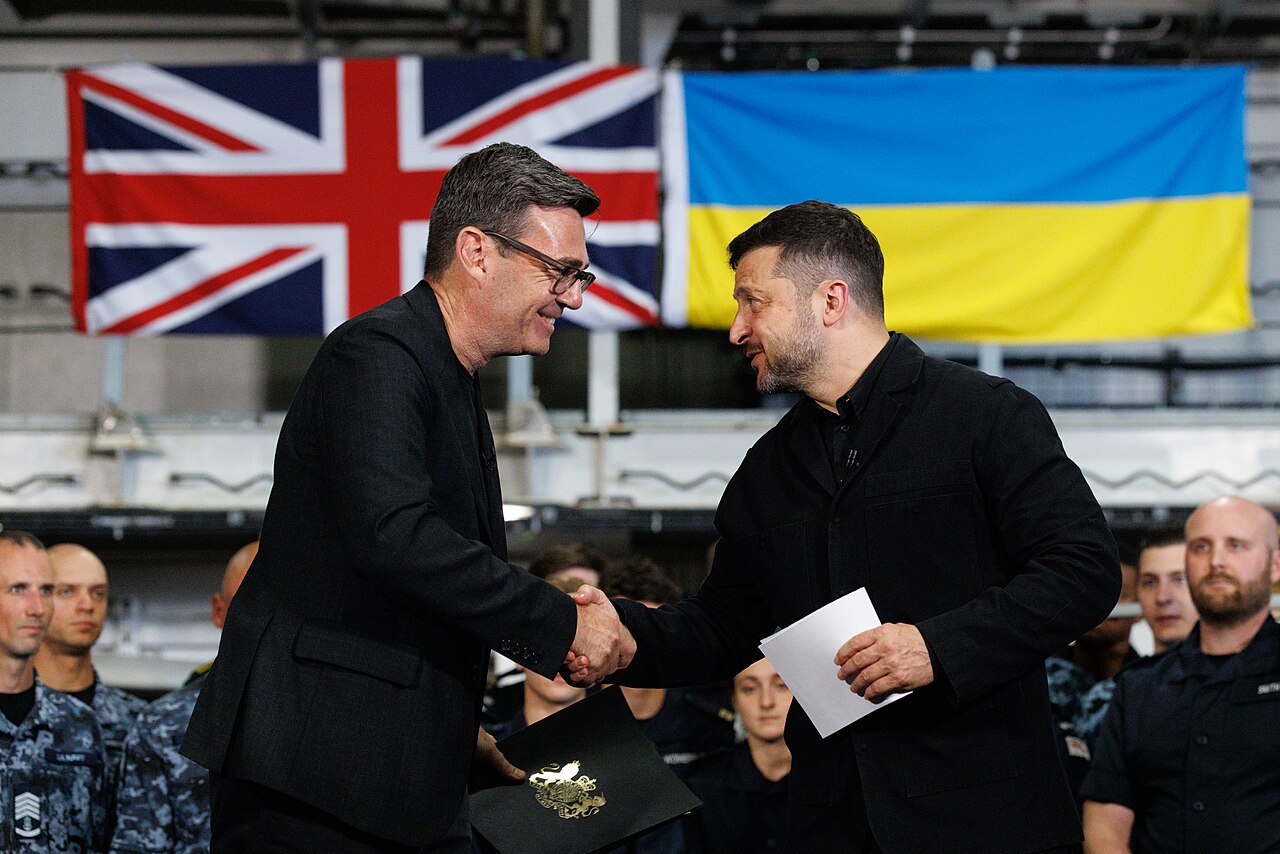
WASHINGTON — The warning was delivered calmly, which made it land harder. Asked on NBC's Meet the Press whether anyone in the Trump administration had ordered restrictions on the Starshield satellite service Ukraine's military depends on, Treasury Secretary Scott Bessent replied that President Donald Trump and Secretary of State Marco Rubio "have categorically said that no one under the Trump administration did that, and I think it is very reckless for President Zelenskyy to make such a charge." Then he added the sentence that will follow this story all week: "President Zelenskyy should be very careful about making statements like this that aren't true."
Zelenskyy, interviewed earlier in the same programme by moderator Kristen Welker, had been just as direct in the other direction. "Of course the message came from government," he said, while conceding he did not know which official or agency sent it. Ukraine's generals and government believe, he said, that it was "the message from American government to limit this speed, and technically SpaceX did it" — and that the service remains capped at about 100 mph, a limit Ukrainian officials say took effect overnight Tuesday into Wednesday and was only partially lifted later on Wednesday. Zelenskyy also said US intelligence sharing "was blocked for some period of time" before being restored, leaving Kyiv without American warnings of Russian ballistic missile strikes for three days.
Pressed on how the disruptions happened and why the intelligence flow stopped, Bessent did not offer an alternative explanation. "Again, I don't know anything about that, but we've been very clear," he said. And when Welker pressed him on whether Washington still considers Ukraine an ally, he sidestepped — the United States provides "three different things to Ukraine. So that's what you do for an ally" — and, pushed for a direct answer, replied: "I'm not the secretary of state. I'm not the president."
Three accounts of the same slowdown
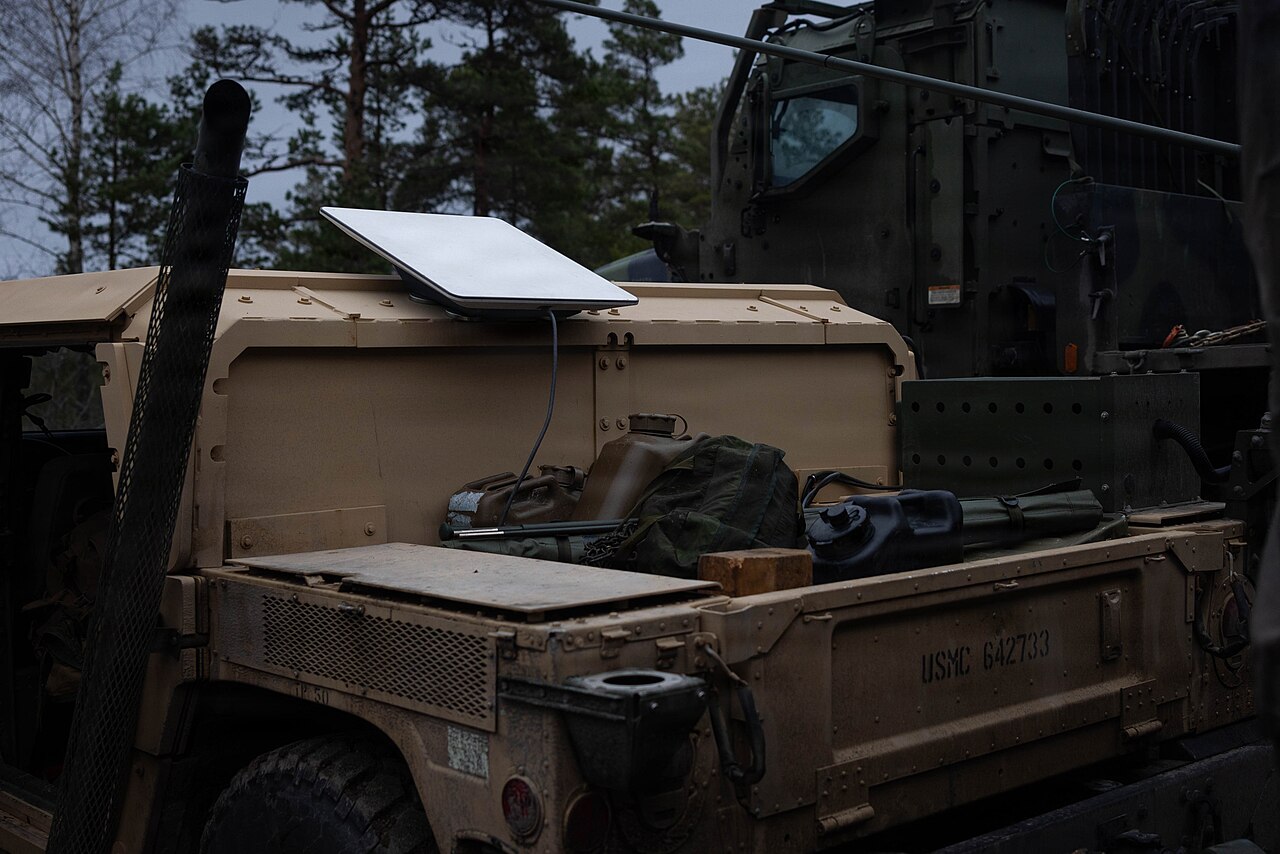
The dispute now has three incompatible versions on the record. Kyiv's: the speed limit arrived from the American government and SpaceX implemented it. The White House's: nobody in the administration ordered any such thing — Trump told reporters on Friday, in comments reported by The Hill, "I didn't do that. No, we didn't do that at all," and said last week, "Well, I don't know if it was anybody because it wasn't me, and I don't think it was Elon. And from what I understand, it's the same as it's always been." And Elon Musk's: whatever happened, the decision was never his company's to make. "Starshield systems are owned and controlled by the US government," Musk wrote on X last week. "Any limits on speed or usage are decided by the US military and ultimately POTUS."
Hovering over all three is a fourth account, reported by Reuters and cited by Newsmax on Sunday: two US officials and a Western official told Reuters the order to restrict Starshield came from inside the White House. That reporting has not been confirmed by the administration — it is, in substance, what Bessent was on television to deny — and Signal Post News treats it as attributed reporting, not established fact. What is not in dispute is the underlying event: Ukrainian officials across multiple statements this week have described a real degradation of the service their forces use to fly interceptor drones against Russian attack drones and to resupply front-line troops, at the moment Russia's autumn strike campaign on Ukraine's energy grid is intensifying.
A second front in the same interview: diesel and sanctions
The Starlink clash was not the only friction in Sunday's programme. Zelenskyy used his interview to call Trump's October 9 diesel deal with Vladimir Putin and the waiving of the Lindsey Graham sanctions act "very dangerous," arguing the moves strengthen Putin, will not lower US fuel prices — which he tied to Iran's blockage of the Strait of Hormuz — and risk erasing the questions of Russian gas and frozen Russian assets altogether. Bessent, in the Daily Caller's account of his appearance, pushed back on that front too: he said no sanctions were lifted on Friday and that the only thing lifted was the embargo on Russian diesel, and he turned the argument toward Europe, saying Zelenskyy "does not criticize his European partners" even though "the Europeans are financing the Russian war machine."
Read together, the two exchanges describe an alliance arguing about leverage in public. Washington's position, as Bessent performed it, is that American support is real, substantial and not to be questioned on television. Kyiv's position, as Zelenskyy performed it in the same hour, is that support which can be slowed, capped or briefly switched off without explanation is itself a fact his public is entitled to hear stated plainly. Both men were speaking past each other to third audiences: Bessent to an American public and a president who prizes loyalty; Zelenskyy to European capitals he wants to hold the sanctions line, and to Washington itself.
Why this matters
Tone is not a side issue in this alliance; it is the mechanism. Ukraine's air defence now runs on American-controlled infrastructure at two separate layers — intelligence feeds that warn of ballistic launches, and a satellite network, owned by the US government and operated by a private company, that its interceptor drones fly on. A speed cap measured in miles per hour sounds technical. Translated, it is a decision about which Ukrainian drones can catch which Russian drones, taken somewhere inside a chain of command that, after a full week of questions, still has no named owner. When the president of the country under attack says the order came from Washington and a cabinet secretary answers by warning him to be careful rather than by explaining what happened, the unanswered technical question becomes a political one: is the cap a glitch, a bureaucratic act, or a pressure instrument? Each possibility carries a different war.
There is also a pattern Kyiv will not have missed. This is the second time in eight days that a senior American official has publicly corrected Zelenskyy within hours of his remarks, and it lands in the same week as the sanctions waiver, the diesel deal, and the intelligence blackout Zelenskyy described. Ukraine's supporters in Congress — the Graham act passed with bipartisan backing — now have a Treasury secretary on record disputing an allied president's account of American conduct, and a Reuters-sourced account pointing the other way. Somebody's version will not survive scrutiny, and the correction, when it comes, will matter more than Sunday's warning.
Monday update: Kyiv says the failures are continuing — and that it can prove the cap is deliberate
The argument did not cool overnight. On Monday, Zelenskyy reported on Telegram that Starlink terminals were still cutting out at speeds of 130–161 km/h (about 80–100 mph) on different sections of the front, with failure reports arriving from multiple sectors. That followed remarks to reporters on Saturday — delivered in WhatsApp audio messages and reported by Bloomberg, Axios and The Times — in which he said Ukrainian tests showed terminals holding their connection at 180 km/h inside the European Union but dropping at about 161 km/h once back inside Ukraine. "We have the relevant logs and evidence to prove this," he said. "The conclusion is clear: the restrictions are in effect within Ukraine but do not apply within the European Union. In other words, this is a planned operation."
Washington's answer also sharpened over the weekend. Secretary of State Marco Rubio said on Saturday: "We had nothing to do with it. Nobody ordered that Starlink speed to be slowed down. It sorta happened." Rubio also said Starshield was not available to Ukraine — a claim Yahoo Finance noted sits uneasily beside a late-2024 Pentagon contract that expanded Ukraine's Starshield access from roughly 500 to about 3,000 terminals. None of the three public accounts has moved. What has changed is that Kyiv now says it holds test data — and that the dispute is no longer about whether something happened to the link, but about who ordered it and whether the evidence will ever be produced.
What happens next
Three tests arrive quickly. First, the factual one: whether any US agency, SpaceX, or the Ukrainian general staff produces a technical account of the Tuesday-Wednesday restriction that matches one of the three public versions. Second, the congressional one: whether the lawmakers behind the sanctions act ask the administration, on the record, who ordered the Starshield limits and why intelligence sharing stopped for three days. Third, the battlefield one, which waits for no inquiry: Russia launched 76 attacks on Ukraine's energy, oil and gas infrastructure in the week after Trump's ceasefire announcement, by Zelenskyy's count, and every night of that campaign is flown against defences that depend on the very link Washington and Kyiv spent Sunday arguing about. The alliance has survived louder rows than this one. But alliances run on the assumption that the help, once given, is not itself a subject of negotiation — and that is precisely the assumption now being negotiated, in public, at about 100 miles per hour.
Related coverage: Trump denies ordering the Starlink cut and Ukraine's thousand-drone wave on Russia.
Sources
- CNBC (Oct 18, 2026): Bessent warned Zelenskyy to "be careful" in public statements about US support; Trump and Rubio "categorically" denied anyone in the administration ordered Starlink restrictions; Bessent called the charge "very reckless" and said Zelenskyy "should be very careful about making statements like this that aren't true"; Musk's X post that Starshield is owned and controlled by the US government and limits are decided by the US military and ultimately POTUS; Trump's denial.
- Newsmax (Oct 18, 2026): Bessent's Meet the Press remarks in full, including "I'm not the secretary of state. I'm not the president" on the ally question and "I don't know anything about that" on the intelligence stoppage; Zelenskyy's "of course the message came from government" and the ~100 mph cap; Ukrainian officials' account of the Tuesday-Wednesday restriction and partial restoration (via Axios); Reuters reporting, citing two US officials and a Western official, that the order came from inside the White House; Zelenskyy's three-day intelligence blackout account.
- Daily Caller (Oct 18, 2026): Zelenskyy's "very dangerous" characterisation of the diesel deal and sanctions waiver, his Hormuz argument on US prices and the frozen-assets concern; Bessent's response that no sanctions were lifted on Friday, only the diesel embargo, and his criticism that Europeans are financing the Russian war machine.
- Capital / Sky News and AP syndication (Oct 18, 2026): Zelenskyy's wider Meet the Press interview, including the "historic mistake" warning on the US siding with Russia and the sanctions-waiver criticism (covered in full in Signal Post News's earlier Meet the Press article).
- Bloomberg, Axios and The Times (Oct 17–19, 2026): Zelenskyy's Saturday remarks to reporters — the EU/Ukraine speed-test comparison, the "planned operation" conclusion and the logs-and-evidence claim; his Monday Telegram report that terminals were still failing at 130–161 km/h on sections of the front; Rubio's Saturday denial ("It sorta happened") and his Starshield-access claim, with Yahoo Finance's note on the late-2024 Pentagon Starshield contract.