Health · Bangladesh · Dengue · Outbreak
October killed 173 people — more than September's 148 and more than the first five months of the year combined many times over. With 133,367 admissions, hospitals in Dhaka are receiving patients already in shock, and experts say the outbreak is unlikely to ease significantly before December.
Track it live: Live outbreak tracker
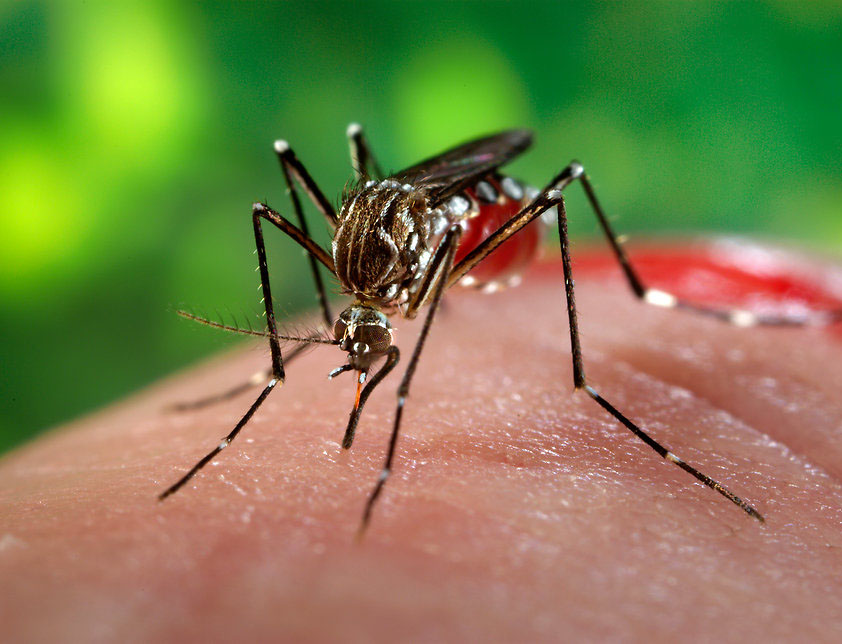
DHAKA, October 31, 2026 — The Bangladesh dengue death toll has reached 418 after October became the deadliest month of the year, health ministry figures reported by Reuters show — a slow-building emergency that has now killed more people than dengue managed in the whole of last year, with two months of 2026 still to run. October alone recorded 173 deaths, surpassing September's 148, and the year's hospital admissions have passed 133,000. Experts warn the outbreak is unlikely to ease significantly before December — a timeline that makes this October, arriving after the traditional monsoon peak, the number that should worry anyone watching how dengue seasons are changing.
The numbers
The Directorate General of Health Services (DGHS) daily update for the 24 hours to 8am on October 30 recorded 3 new deaths and 1,262 new hospital admissions — all three deaths in Dhaka division — taking the cumulative toll to 418 deaths and 133,367 cases, with 6,236 patients in hospital and 126,713 recovered and discharged. The day's admissions split across the country: Dhaka 435, Chattogram 268, Barishal 182, Khulna 131, Rajshahi 112, Mymensingh 75, Rangpur 48 and Sylhet 11. The monthly curve is the story in a single line: from January to May, dengue killed five people in total. Then June recorded 13 deaths, July 36, August 43, September 148 and October 173 — a season that did not peak with the monsoon but kept climbing after it. All figures in this report are DGHS and health-ministry figures, attributed as such; The Business Standard and BDJam reported the same DGHS numbers independently of Reuters' analysis.
Hospitals under pressure
At Dhaka's Shaheed Suhrawardy Medical College and Hospital, 279 dengue patients were in treatment after 67 new admissions in a single day. Its director, Mirza Golam Sarwar, described the pattern that frightens clinicians: “We are getting many patients in shock. Their blood pressure is sometimes too low to measure, and their oxygen levels are dropping.” Doctors say many patients arrive only after severe complications have set in — dengue's danger window opens as the fever breaks, and a patient who waits at home through the early symptoms can reach a ward already in the plasma-leakage phase that kills. Late presentation is turning a treatable illness into an intensive-care emergency, ward by ward.
Why repeat infections are deadlier
Medicine specialist ABM Abdullah attributes the severity to two compounding factors: delayed diagnosis and treatment, and repeat infections. All four dengue serotypes are circulating in Bangladesh, and a second infection with a different strain carries a well-documented higher risk of severe disease — the immune response to the first infection can worsen the second. Reuters met the human version of that statistic in Dhaka: Faisal Ferdous, 33, diagnosed with dengue in 2017, again in 2024, and again earlier this month; this time both he and his wife needed hospital treatment, contracted after days spent at a hospital where their five-year-old son was being treated for an unrelated illness. In a country where dengue has circulated for years, a growing share of each season's patients are second- or third-time infections — which means the same number of cases can produce more deaths than it used to, and the severity curve can steepen even before the case curve does.
A double epidemic
The dengue surge is not the only emergency in those wards. Bangladesh is simultaneously battling the world's worst measles outbreak, which Reuters now reports has killed more than 1,200 people — this newsroom's earlier coverage put the toll at 1,147 at its publication, in its report on the measles outbreak; the current figure here is Reuters' updated “more than 1,200,” and the two tolls must not be conflated. Two outbreaks at once means the same hospitals, the same staff and the same exhausted families fighting on two fronts — and a child admitted with one illness, as the Ferdous family's case shows, is exposed to the other in the building meant to cure him.
Why this matters
Put 2026 in its three-year frame and the nature of the failure changes. In 2023, Bangladesh suffered the worst dengue year on record: 321,179 hospitalisations and 1,705 deaths. Last year brought roughly 102,000 cases and just over 400 deaths. This year's 418 deaths have already passed the whole of 2025's toll with two months left — yet stand at roughly a quarter of catastrophic 2023. That is not a freak spike; it is a slow-burn systems failure, a bad-but-not-worst year grinding a health service that never got to recover. And the timing carries the climate signal in the data: the deadliest month arriving in October, after the monsoon peak, matches what entomologist Kabirul Bashar of Jahangirnagar University describes — mosquitoes keep emerging from breeding sites created by earlier rainfall, changing rainfall and humidity patterns are extending the Aedes breeding season, and transmission will probably persist through November with significant improvement unlikely before December. Dengue in Bangladesh is shifting from a seasonal emergency to a near-year-round condition, and health systems built for a season are being asked to fight a climate.
Context: a vaccine that is not there yet
Bangladesh has not yet introduced a dengue vaccine; authorities are considering one as a longer-term measure. For now the tools are the unglamorous ones: eliminating the standing water where Aedes mosquitoes breed, early testing when fever strikes, and presenting at hospital before the danger window rather than during it. The gap between that advice and the wards' reality — patients arriving in shock — is where this year's deaths are concentrated.
What happens next
On Bashar's assessment, transmission persists through November and relief is a December story at the earliest — meaning the year's final toll will be set by how quickly fevers are tested and treated in the next four weeks, and by whether breeding-site clean-up can dent a mosquito population still emerging from monsoon water. The vaccine question will move from consideration toward decision if 2027 threatens a third consecutive heavy year. And the double-epidemic strain — dengue on top of the world's worst measles outbreak — is the number to watch beyond the toll itself: a system can surge for one emergency. Bangladesh is being asked to surge for two, indefinitely.
Related coverage: Bangladesh Measles Outbreak: 1,147 Dead in the World’s Worst Outbreak, and the Vaccination System Failed First · Congo Ebola Cases Pass 10,000 in Fastest-Growing Outbreak Ever Recorded, With 4,887 Dead
Sources
- Reuters (October 31, 2026) — Bangladesh recorded its highest monthly dengue death toll of the year in October — 173 deaths against September's 148 — with the year's toll at 418 deaths and more than 133,000 admissions; experts warn the outbreak is unlikely to ease significantly before December; the measles toll at more than 1,200.
- The Business Standard, reporting DGHS data (October 30, 2026) — The DGHS daily update: 3 deaths and 1,262 admissions in 24 hours; cumulative 418 deaths and 133,367 cases; 6,236 in hospital; the divisional split of new admissions; historical comparison with 2023 and 2025.
- BDJam, reporting DGHS data (October 30, 2026) — Independent corroboration of the DGHS cumulative figures and the monthly death curve from January to October.