Zelenskyy seeks new talks: Kyiv has sent Washington its proposals for meetings with Steve Witkoff and Jared Kushner in the coming days.
Zelenskyy Asks Witkoff and Kushner for New Talks Within Days

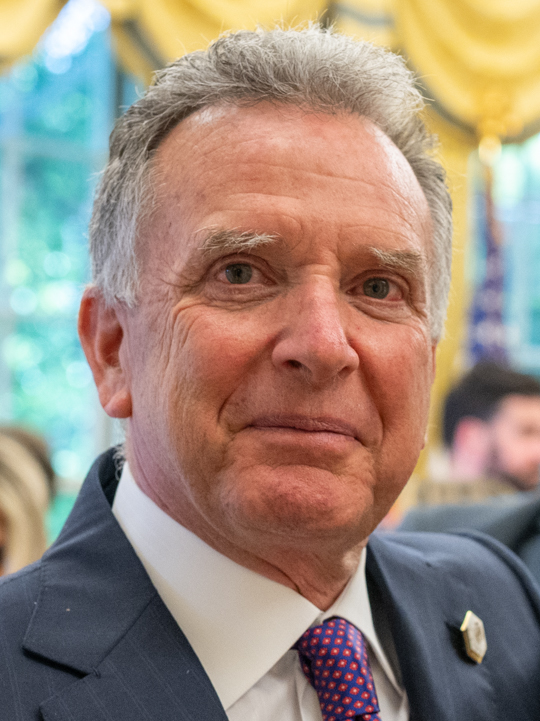
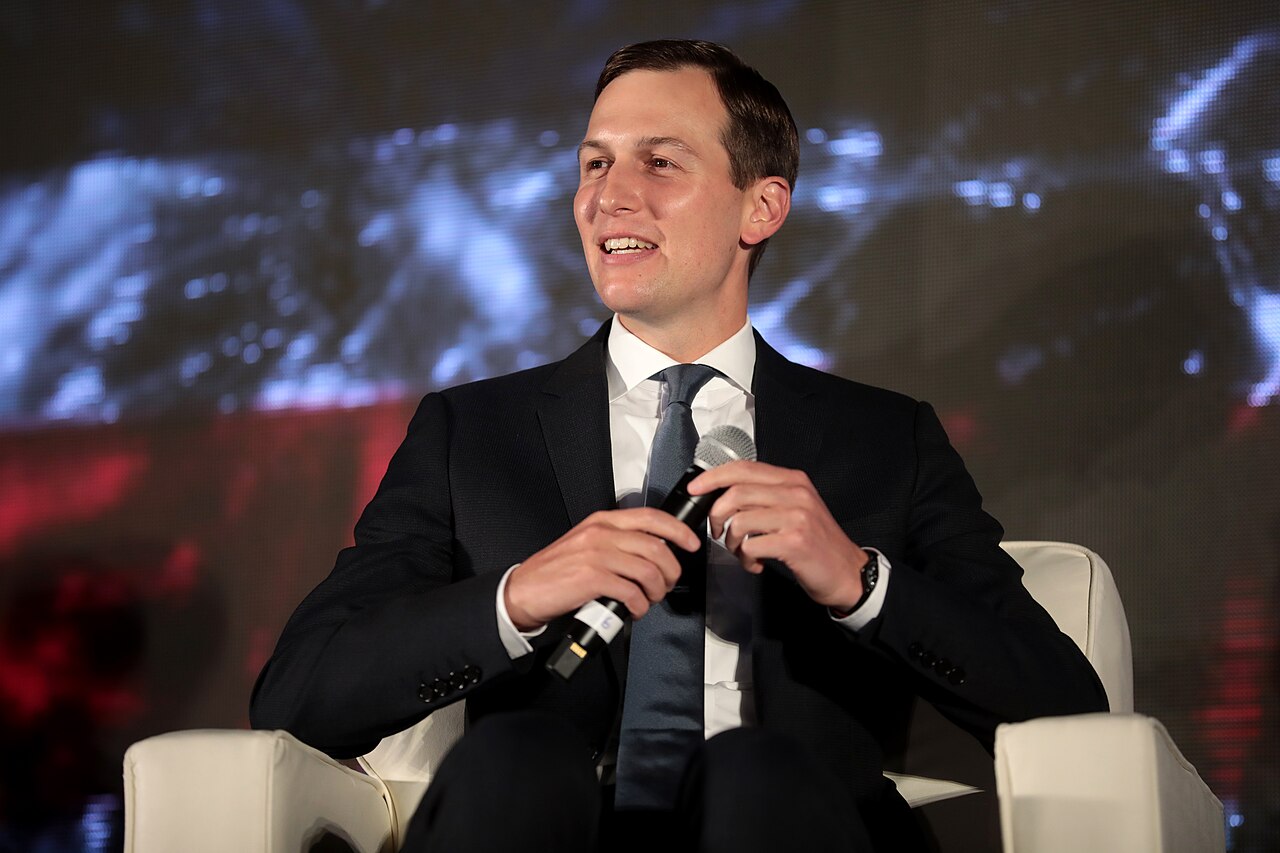
Ukrainian President Volodymyr Zelenskyy said on Tuesday that he has proposed new talks in the coming days with US envoys Steve Witkoff and Jared Kushner, as Washington steps up its effort to bring Kyiv and Moscow back to the negotiating table, Reuters reported. The proposal, delivered in Zelenskyy's nightly video address, is the first concrete diplomatic move from Kyiv since last week's talks in the United States — and since a night of Russian ballistic-missile strikes that Ukraine says it received no advance warning about.
Track it live: Live Ukraine war map and tracker
"Our team has sent the American side the relevant proposals regarding possible next meetings and conversations," Zelenskyy said, adding that Kyiv is ready to meet in the coming days and that he passed the proposal to Witkoff and Kushner through his team. In the same address, he said Ukraine supported President Donald Trump's proposed energy truce as long as Russia observed it — a condition that, on the evidence of the past 48 hours, remains the hardest part of the arrangement.
Why this matters
The proposal matters because of where it lands in the sequence of the past week. Kyiv has spent days publicly angry about a US-backed deal allowing Russian diesel exports — a deal Zelenskyy called a gift to Putin (see our report: Zelenskyy blasts Trump's Russia diesel deal) — and about reports that Washington threatened to cut intelligence sharing to pressure Ukraine into halting its strikes on Russian refineries. A Ukrainian president who felt ambushed could have frozen the Americans out. Instead, he is asking for the next meeting, on a timetable of days rather than weeks, and publicly attaching his name to Trump's energy truce. That is a deliberate choice: whatever Kyiv thinks of the diesel deal, it is signalling that the channel to Washington is worth more than the argument — and that the fastest route to stopping the missiles still runs through Witkoff and Kushner.
What the envoys told Kyiv last week
Tuesday's proposal follows talks in the United States last week at which, according to Reuters, Witkoff and Kushner told a Ukrainian delegation that the deal allowing Russian diesel exports was aimed at drawing Moscow back to negotiations. That explanation is the administration's central claim about the deal: that it is leverage, not concession — a goodwill step designed to give the Kremlin a reason to return to the table and, eventually, to accept wider terms. Ukrainian officials have treated the claim with open scepticism, noting that the exports resume whether or not Russia negotiates. Zelenskyy's new proposal can be read as Kyiv testing the claim in public: if the diesel deal really was about restarting talks, here is the invitation to prove it.
Moscow's answer, so far
Russia has not publicly accepted or rejected the invitation. On Tuesday, Kremlin spokesman Dmitry Peskov said contacts about the energy ceasefire Trump announced on Sunday were continuing, but that Moscow had nothing more to say for now — the same formula the Kremlin used a day earlier. Russia's defence ministry said its forces had not hit Ukrainian energy targets in their latest overnight attacks, a claim Kyiv disputes in part: Ukrainian officials say energy sites were hit earlier in the week, and Zelenskyy has accused Russia of violating the truce within hours of its announcement (see Russia violates the energy ceasefire, Zelenskyy says). The Kremlin has separately rejected Zelenskyy's idea of a 60-day ceasefire to allow a Ukrainian presidential election, saying it wants an overall peace deal instead, while indicating Putin would order no attacks on election day itself.
Trump's position on Tuesday
Trump, for his part, used Tuesday to push back on two of Kyiv's sharpest complaints. He said the United States continues to share intelligence with Ukraine and is working with both capitals to end the war — a direct response to the report, first carried by the Financial Times and disputed in Kyiv, that Washington had threatened an intelligence cut-off, and to Ukraine's statement that it received no warning before ballistic missiles hit the capital on Monday night (see our report: Ukraine says it got no warning before Kyiv strikes). Asked about the diesel deal and whether its proceeds could fund more Russian bombs, Trump sidestepped, saying the deal was "not for us" and that the fuel was being released into the world market. He said both Putin and Zelenskyy want the war to end, but that there is a great deal of hatred between them and they do not know how to get there — a framing that places the obstacle in the relationship rather than in either capital's terms.
The battlefield behind the diplomacy
None of this is happening in a quiet week. Overnight Monday into Tuesday, Russian strikes killed four people in a Kharkiv apartment building and wounded 41 in the city, killed at least one person in the Kyiv region's Fastiv district, and wounded 14 when a drone hit an educational institution in Rivne, according to Ukrainian officials and AP reporting; UN aid officials said residents were killed and dozens injured across Kyiv and Kharkiv. Russia's defence ministry said it struck military-industrial, logistics, railway and port targets and a vessel carrying military cargo, and said its air defences downed 604 Ukrainian drones — figures that, like Kyiv's, could not be independently verified in full. Secretary of State Marco Rubio warned last week that the war sits at a "dangerous stalemate" in which escalation could spill into neighbouring NATO countries. That is the pressure under which the proposed meeting would take place: every side says it wants talks, and the attacks continue in the meantime.
Who gains, who waits
For Kyiv, a fast meeting converts a grievance into an agenda: Ukraine arrives with its own proposals already sent, rather than reacting to an American plan drafted around the diesel deal. For Washington, accepting quickly would let the administration argue the diesel move worked — Moscow's enemies are asking for talks. For Moscow, the calculus is colder: the Kremlin gains time and diesel revenue either way, and Peskov's "contacts are continuing" keeps every option open without conceding a date, a venue, or a term. European capitals, which imposed a new round of sanctions on Russia this week and whose foreign policy chief Kaja Kallas publicly doubted Moscow would honour any truce, are the audience least convinced — and the ones who would have to underwrite any security guarantees a deal contains.
What happens next
Three signals will show whether Tuesday's proposal is a real opening or another exchange of statements. The first is speed: Zelenskyy asked for days, and a named date from Washington would mean the channel is live. The second is the energy truce itself: if Russian target lists keep avoiding energy infrastructure — and Ukrainian strikes on refineries stay paused — the narrow ceasefire becomes the first verifiable building block since the process restarted. The third is Moscow: a Kremlin statement that goes beyond "contacts are continuing" — a delegation, a venue, an agenda — would be the first evidence that the diesel deal bought what Washington said it bought. Until then, the confirmed facts are these: Kyiv has asked, Washington has been told, and Moscow has not yet answered.