Novoshakhtinsk refinery drone strike
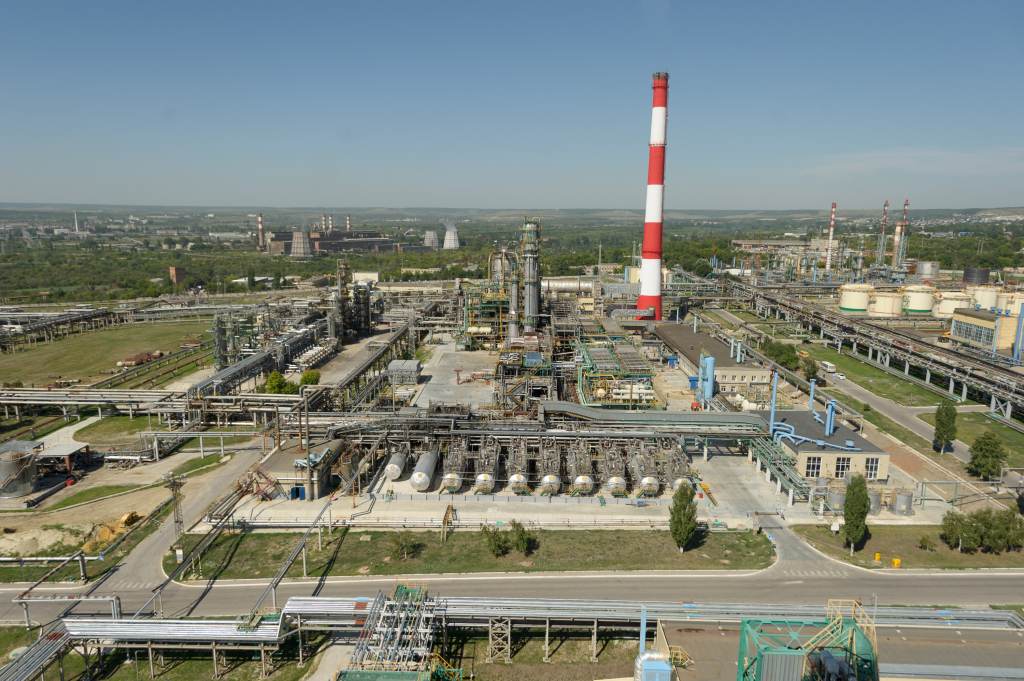
A Ukrainian drone strike forced Russia's Novoshakhtinsk oil refinery to suspend operations temporarily after damage overnight, according to Reuters, adding another export-oriented fuel plant to the growing list of Russian energy assets disrupted by Kyiv's long-range campaign. Rostov regional governor Yuri Slyusar said roughly 50 drones were destroyed over the region. The refinery can process about 5 million metric tons of crude a year — around 100,000 barrels a day. Ukraine had not publicly claimed the strike when this report was prepared, and the duration of the shutdown remained unclear.
What happened overnight
A refinery knocked offline in Rostov
Reuters reported that the Novoshakhtinsk plant, in Russia's southern Rostov region near the Ukrainian border, halted operations after the attack damaged equipment. The facility is focused heavily on exports, so even a temporary interruption can affect both refinery throughput and the movement of petroleum products. Officials did not provide a complete public damage assessment, and no independently verified timetable for repairs was available.
The scale of the wave
Slyusar said air defenses destroyed about 50 drones over Rostov. Russian authorities separately claimed that 592 drones were intercepted across the country during the wider overnight wave. That national figure has not been independently verified and should be treated as a wartime claim, not an established count. Reports also described reciprocal Russian strikes on Kyiv and Odesa, underscoring that attacks on energy and urban infrastructure are unfolding on both sides of the conflict.
Why this matters
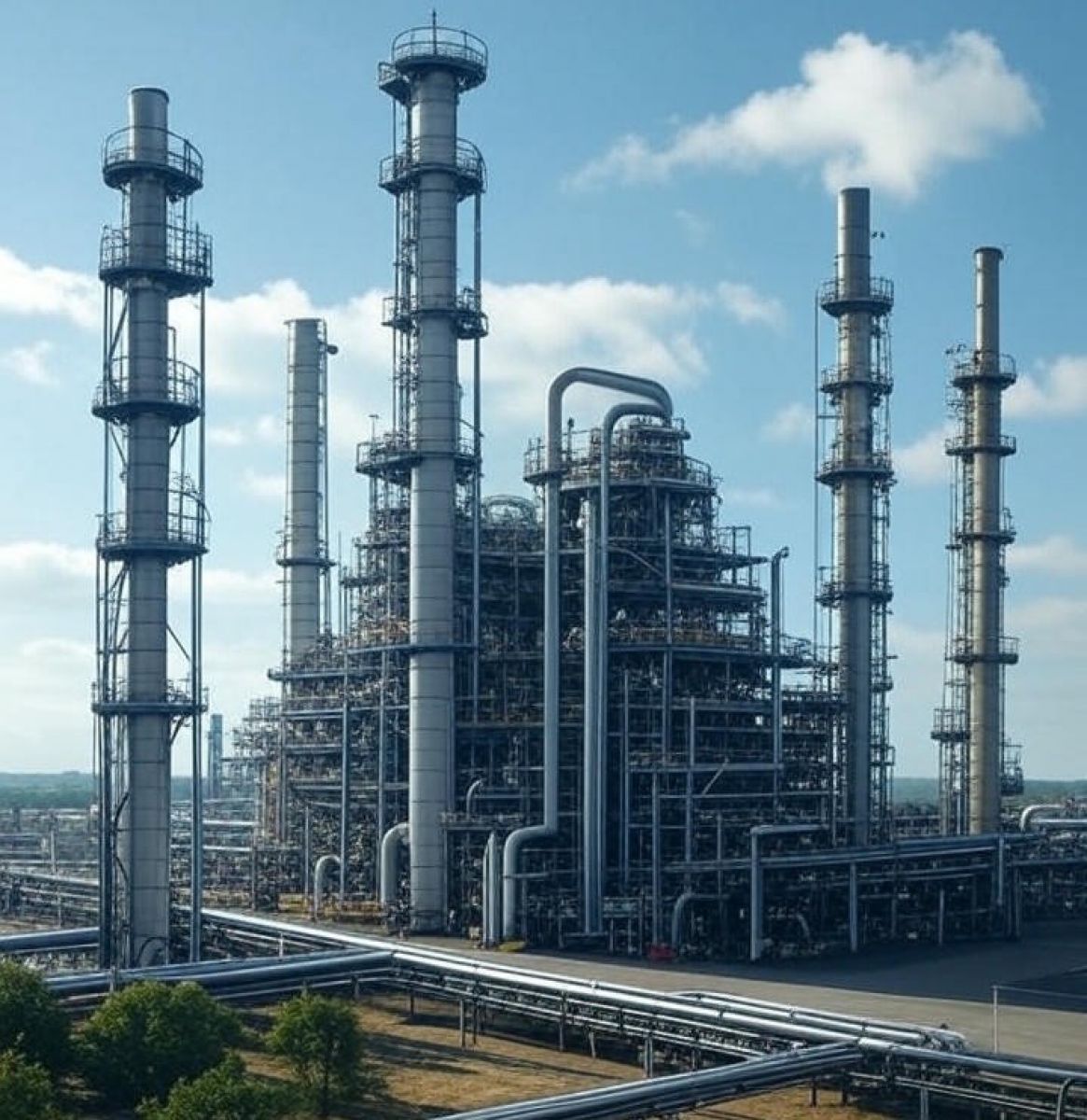
Ukraine's refinery campaign has developed into a second economic front: rather than only striking military positions near the line of contact, Kyiv has sought to degrade the system that converts Russian crude into gasoline, diesel and jet fuel. The logic is cumulative. A single 100,000-barrel-a-day plant represents only a fraction of Russia's refining base, but simultaneous maintenance problems, repeated drone damage and precautionary shutdowns can tighten regional supply, complicate exports and force operators to reshuffle crude between plants.
The arithmetic is consequential but not automatic. Nameplate capacity does not equal lost production; utilization rates vary, damaged units may return quickly, and Russia can redirect some crude or products. The strategic effect therefore depends on the length of the Novoshakhtinsk outage and whether other refineries remain offline at the same time.
The strike also lands during discussion of a possible energy ceasefire around the United Nations. Kyiv has argued that reciprocal limits on attacks against power and fuel infrastructure could reduce civilian harm before winter. That diplomatic context may shape each side's public messaging, but it does not independently prove the attack's intended political purpose.
Background: how we got here
Novoshakhtinsk has been attacked before, making the refinery both an economic target and a test of Russia's ability to defend fixed infrastructure. The wider strike geography has expanded well beyond border regions. In recent weeks, Ukrainian drones have been reported over refineries and industrial facilities from Ufa to Perm, while Russia has continued large-scale missile and drone attacks on Ukrainian cities and energy systems.
For more on that widening range, see Signal Post News's report on the Perm refinery and Ulyanovsk defense-plant strikes. The diplomatic track is covered in Zelenskyy's energy-truce offer and our analysis of refinery pressure around the Trump–Zelensky U.N. meeting.
Multiple angles — who gains, who loses, what critics say
Ukraine's calculation
Kyiv can impose costs with comparatively inexpensive drones, stretch Russian air defenses across a vast territory and pressure fuel logistics without trying to hold ground. If repeated strikes constrain refining, Ukraine may also reduce resources available to Russia's military and export economy.
Russia's calculation
Moscow can disperse defenses, accelerate repairs, reroute crude and frame attacks on energy sites as evidence for continued strikes against Ukrainian infrastructure. It also retains far greater missile and drone capacity and has repeatedly used that advantage against Ukraine's grid and cities.
Critics' arguments
Critics warn that attacks on energy infrastructure can raise fuel prices, create environmental hazards and invite retaliation against systems civilians depend on. Supporters answer that refineries support military logistics and state revenue. International humanitarian law turns on the specific target, expected military advantage and proportionality; public information is not sufficient here for a definitive legal judgment.
What remains uncertain
The exact drone type, the intended target within the complex, the full extent of damage and the likely shutdown duration are unknown. Open-source images and official claims can establish that an incident occurred without proving every operational detail.
What happens next
The key indicators are whether Novoshakhtinsk resumes partial production, whether other Russian refineries reduce runs, and whether either government accepts a reciprocal energy-strike limit. Repair time, product-export data and regional fuel prices will show whether this is a short disruption or part of a broader supply squeeze. Further strikes near Moscow or Yaroslavl would indicate that the campaign is continuing to widen.