Kyiv drone strike kills boy
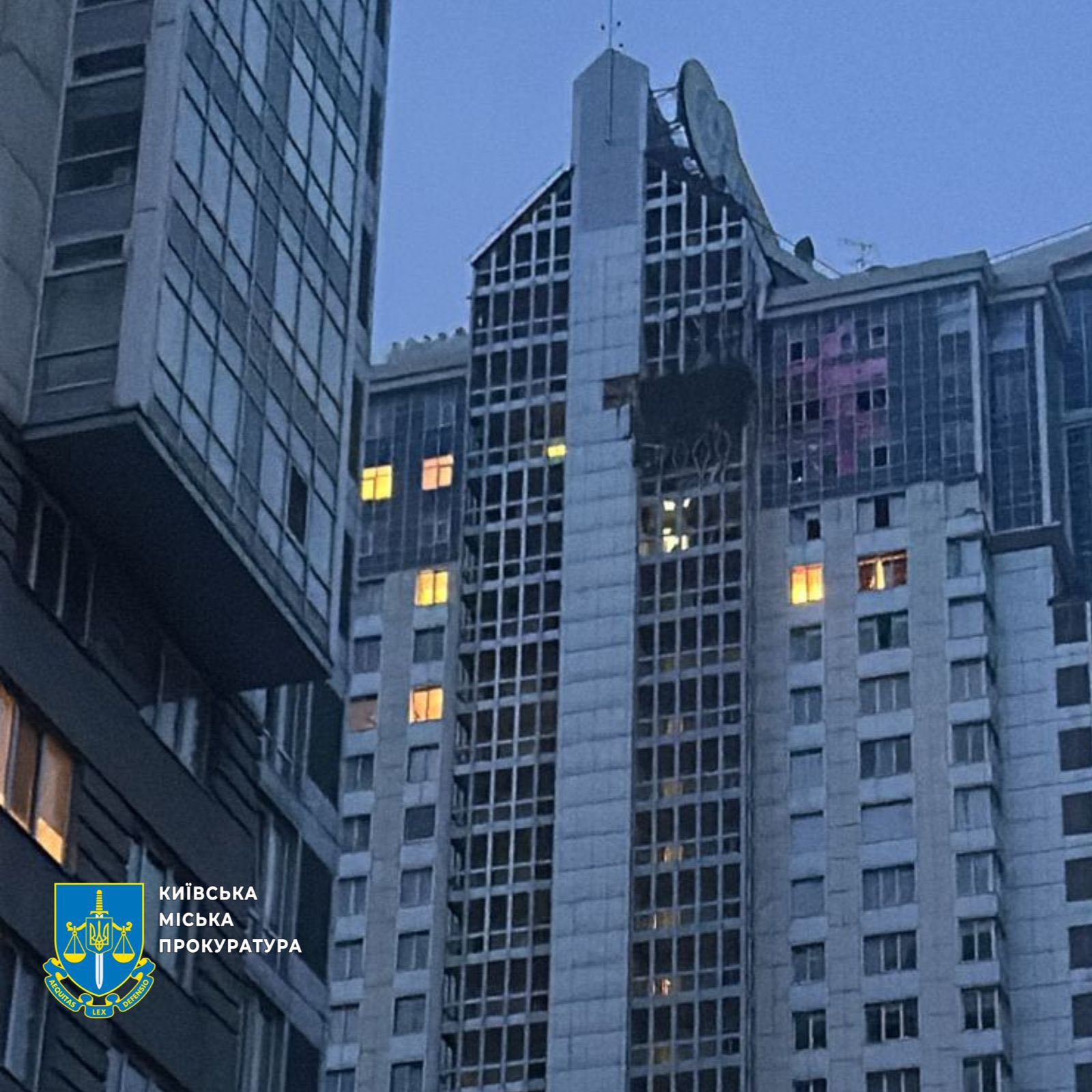
The Kyiv drone strike that kills a boy is, by now, a story Ukraine wakes to with sickening regularity — but that does not make it routine. On Friday morning, September 25, 2026, a Russian drone slammed into a 16-storey residential building in Kyiv's central Pechersk district, killing a 14-year-old boy and injuring at least seven other people, Ukrainian police said. A Reuters journalist heard the explosion near the heart of the capital. Hours later the casualty count grew beyond the city: in the southern Odesa region, governor Oleh Kiper said one person was killed and another injured in a series of what he called "massive" Russian strikes on a residential area and logistics premises belonging to a postal operator.
What happened on Friday morning
A tower block in Pechersk
The details, as reported by police and emergency services, are precise and bleak. The drone hit the residential tower in the Pechersk district — one of Kyiv's most central neighbourhoods, home to government buildings as well as ordinary apartment blocks. Fourteen years old. Seven or more wounded. Emergency crews worked the scene through the morning. Separately, Ukraine's emergency services said one person was injured in the overnight attack on the capital and that fires had broken out in non-residential buildings in two city districts. The Russian defence ministry, for its part, said on Friday that its forces had carried out overnight drone strikes on Ukrainian defence industry facilities, logistics centres and vessels used by Ukraine's armed forces — the standard framing Moscow applies to these barrages. Russia denies deliberately targeting civilians in the war it started with its full-scale invasion in 2022. The 16-storey building in Pechersk, whatever its official classification, was someone's home.
Odesa hit "massively"
While Kyiv absorbed the morning's blow, the southern port region of Odesa was coming through a night of what governor Oleh Kiper described as "massive" Russian strikes. One person was killed and another injured, Kiper said, in attacks that hit a residential area and logistics premises of a postal operator — a detail that will sound familiar to anyone who has followed Russia's long campaign against Ukraine's logistics and communications infrastructure.
Why this matters
The drone war has entered a new phase
Reuters notes that Russia has been attacking Kyiv and its surroundings in recent weeks with near-constant barrages of faster and higher-flying drones that are harder to intercept. That single sentence carries the whole strategic story. Russia is not merely continuing its bombing campaign; it is upgrading it. Jet-powered and higher-altitude drones compress the engagement window for Ukrainian air defences, and the results are measured in bodies: the night before the Pechersk strike, Russia launched 295 drones at Ukraine in one night, per Ukraine's Air Force, of which 267 were downed. Read that number the right way: a ~90 per cent interception rate is a remarkable military achievement — and it still left 28 drones getting through, with hits recorded at 16 locations, including Kyiv, Zaporizhzhia and railway infrastructure in the Poltava region. Saturation is the tactic. Overwhelm the interceptors, and some weapons will always leak through.
Children keep dying in this war
The 14-year-old boy in Pechersk is not an isolated tragedy. On September 20, a Russian drone attack on the Kyiv region killed four people, including three children — a mother and her two three-year-old children among them. When children die in strikes on residential buildings, the military-necessity debate stops being abstract. Every assessment of Russia's campaign must now reckon with a pattern, not incidents.
Background: how we got here
Forty-eight hours of escalation
Friday's strike did not come out of nowhere. On the night of September 23–24, Kyiv endured three waves of ballistic missiles — including Zircon anti-ship missiles, Iskander-M, S-400 and KN-23 systems — alongside drone attacks. Two people were killed and at least eight wounded, a maternity hospital was damaged and a textile factory destroyed, according to mayor Vitali Klitschko and the National Police. On the same night, a Russian strike on a vegetable storage facility in Stara Hnylytsia in the Kharkiv region killed six workers and wounded twelve more; prosecutors preliminarily identified the weapon as a Banderol cruise missile. Kyiv has also been hit at its digital infrastructure — data centres struck in blackouts earlier in the week. The pattern is escalation across target sets: energy, logistics, communications, and, whether intended or not, the homes people sleep in.
The interceptor race
There is genuine news on the defensive side. President Volodymyr Zelensky, in New York for the UN General Assembly, announced a new Patriot system acquisition — without naming the supplier, the quantity or the delivery timeline — and reported that Ukraine's intercept rate against ballistic missiles overnight on September 24 reached 60 per cent, up from 29 per cent in July. If accurate, that is a doubling of effectiveness in two months, and it explains why the battle is shifting to faster drones: ballistic missiles are getting harder to land, so Moscow is leaning on weapons that fly differently. The war over Ukrainian skies is an arms race measured in percentages.
Multiple angles — who gains, who loses, what critics say
Russia's calculation
From Moscow's perspective, the nightly barrages serve three purposes: degrading Ukraine's military logistics (the defence ministry's stated target set), eroding civilian morale ahead of winter, and forcing Ukraine to burn through scarce interceptors. Whether the civilian toll is intended or incidental, its political effect is real — and it is the effect Zelensky is counting on when he shows it to Western leaders.
Ukraine's calculation
For Kyiv, every strike on a residential building is evidence presented to the world: at the UNGA this week, Zelensky is converting rubble into arguments for more air defences and more sanctions pressure on Moscow. The announced Patriot acquisition is the immediate fruit of that diplomacy. Ukraine also continues its own deep-strike campaign inside Russia (see our companion report on the Perm refinery strikes) — the war is now a two-way air war, and Kyiv wants the world to see both directions.
What is still uncertain
We do not yet know the exact type of drone that hit the Pechersk tower, nor whether the building was the intended target or was struck by debris or a malfunctioning weapon — a recurring ambiguity in drone warfare. Reuters could not independently verify every claim in the immediate aftermath, and casualty figures in the first hours of an attack are frequently revised. What is not uncertain: a 14-year-old boy is dead, and a residential building in central Kyiv was hit.
What happens next
The calendar is the enemy now. Ukraine's winter runs from late October through March, and Russia has spent every autumn of this war trying to cripple the power grid before the cold arrives. The upgraded drone fleet — faster, higher, harder to stop — is the instrument for that campaign. The variables are the interceptors (how many Patriots and other systems arrive, and when), the diplomacy (the United States is, per Al Jazeera, stepping up efforts to de-escalate even as the bombs fall), and Ukraine's own deep-strike campaign, which is designed to make Russia pay an economic price for every night of terror. None of those variables favours a quick end. For the residents of the Pechersk tower, the war's next phase arrived this morning, without warning, at a 16-storey building that was supposed to be safe.
Sources: Reuters — "Russian drone hits central Kyiv killing a child, injuring at least seven people, Ukrainian officials say" (Sept 25, 2026); OSNT.IN daily intelligence brief (Sept 25, 2026); Reuters — Kyiv region drone attack, Sept 20, 2026.