Trump waives Russia sanctions: President Donald Trump signed an executive order on Friday, October 16, 2026, waiving many of the sanctions, restrictions and duties in the Lindsey O. Graham Sanctioning Russia and Iran Act — the Russia sanctions law he himself signed in September — two days before its central penalties were to take effect.
Washington / The sanctions were signed, scheduled — and shelved
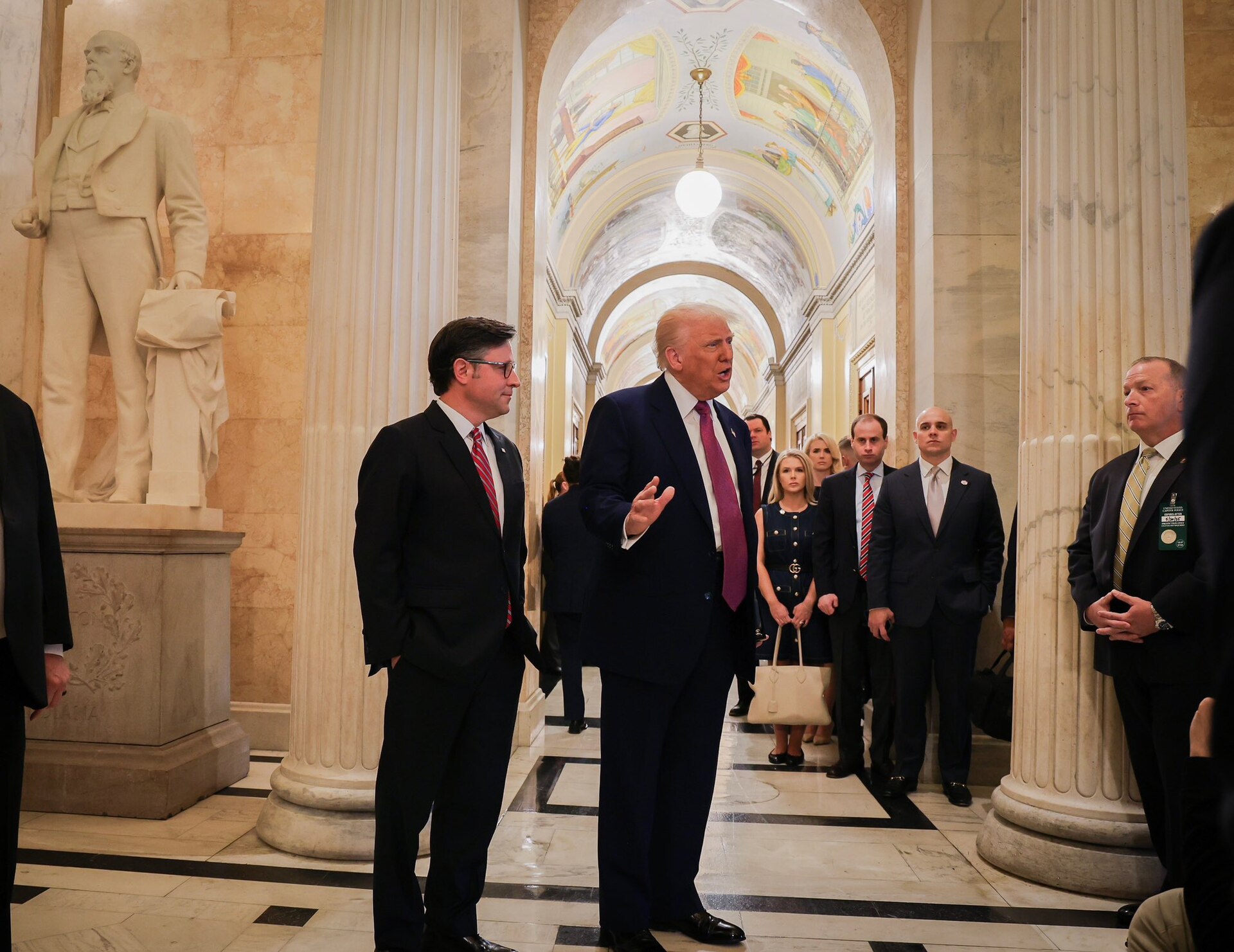
WASHINGTON — President Donald Trump signed an executive order on Friday waiving many of the sanctions, restrictions and duties Congress wrote into the Lindsey O. Graham Sanctioning Russia and Iran Act of 2026 — the tough Russia sanctions law he himself signed on September 18 — two days before its central penalties were to take effect on October 18. In the order, Trump waives Russia sanctions under the Graham Act by invoking the law's national-interest waiver authority, certifying to Congress that issuing the waiver at this time serves the national interests of the United States. The order gave no detailed reason beyond that certification, and it sets no expiry date: the waivers stay in place until the president, or the secretary of state in consultation with the Treasury and the Trade Representative, decides further action is appropriate. The law itself is not repealed. Its penalties now sit on a shelf in Washington — written, voted for by overwhelming bipartisan majorities, signed — and, for the moment, deliberately unused.
Track it live: Live global wars tracker · Ukraine war map · Live oil price tracker
What the waiver actually pauses
The Graham Act, named for the late South Carolina senator Lindsey Graham, a longtime advocate of tougher pressure on Moscow who died in July, was built around one lever: Russia's energy income. As Reuters and CNN reported, its central trade provision would have imposed tariffs of up to 100 percent, within 30 days, on goods entering the United States from the five largest importers of Russian crude oil or gas, and on countries that knowingly bought Russian oil or gas after the law took effect or helped Russia evade sanctions. Reporting on the order's text added a second, larger number: a tariff increase of up to 500 percent on Russian goods themselves. The act also carried sanctions and restrictions aimed at Russian officials, institutions and the energy trade that funds the Kremlin's war in Ukraine. Friday's order waives the application of those sanctions, restrictions and duties, using the waiver power in Section 115 of the act, which lets the president suspend provisions if he certifies to Congress that doing so is in the national interest. Analysts at India's Global Trade Research Initiative noted that monitoring does not stop: the U.S. Trade Representative continues to track Russian energy purchases, so the tariff threat remains available as leverage even while it is not being collected. Other, older U.S. sanctions on Russia are not touched by this order and remain in force.
How the week built to Friday night
The waiver did not arrive in isolation, and its timing is the story as much as its text. A week earlier, the administration announced a deal to buy Russian diesel — more than 300,000 tons immediately, with larger volumes to follow, according to the president's own figures — to ease fuel shortages and pump prices ahead of the November midterm elections. Lawmakers objected in writing, twice. A bipartisan group of 12 senators, including six Republicans, wrote on October 13 calling the diesel deal a betrayal of U.S. allies and demanding that Trump enforce the Graham Act instead; a further bipartisan appeal from lawmakers followed on October 15, arguing that a fifth Russian winter campaign against Ukraine was the moment to apply maximum pressure, not release it. In Brussels on Thursday and Friday, President Volodymyr Zelenskyy was asking European leaders for at least 70 billion euros in further support, warning that the diesel deal sends cash back to Moscow and describing Russia's peace language as a performance rather than a negotiation. Trump, in a television interview on Thursday, called Ukraine's resumed strikes on Russian oil refineries a disgrace and said he finds Zelenskyy harder to deal with than President Vladimir Putin. On the ground, the war the sanctions were meant to squeeze did not pause for any of this: Russian attacks across nine Ukrainian regions on Friday killed at least eight people, wounded about 60, hit two shopping centres and cut power to more than a million people, Ukrainian officials said, in the latest wave of strikes on the energy grid as winter approaches.
The reaction: fury in Congress, relief in Moscow and in energy markets
The criticism crossed party lines within hours. Representative Don Bacon, a Nebraska Republican, wrote that the president is prolonging the war, not ending it. Senator Richard Blumenthal, a Connecticut Democrat who helped draft the bill, said the waivers have nothing to do with national security. Senator Elizabeth Warren called the move a failure of leadership against strong bipartisan support for Ukraine, and Representative Don Beyer argued it defies the clear intent of a law designed to punish Russia for its war. On the other side of the ledger, Kirill Dmitriev, who heads Russia's sovereign wealth fund, welcomed the waiver publicly as an important moment and said economic cooperation serves both countries. Inside the Republican Party the picture was not uniform: Senator Darline Graham, the late senator's sister, who was appointed to his seat and championed the law, noted in debate this week that the act deliberately gives the president tools he may choose to use or not — the waiver authority Trump used on Friday is written into her brother's bill, not slipped around it. In India and China, the two largest buyers of Russian crude and the countries with the most exposure to the 100 percent tariff provision, the order removes an immediate trade shock; Indian trade analysts cautioned that the relief is temporary by design, because a waiver that can be withdrawn at any time is also a standing source of pressure in every future negotiation.
Why this matters
Sanctions are a promise about the future: they work when the target believes the pain will arrive on schedule and get worse. The Graham Act was Congress's attempt to make that promise automatic — overwhelming votes in both chambers, a fixed 30-day clock, penalties aimed not at Russia directly but at the customers whose purchases keep its war funded. Friday's order converts that automatic promise back into a discretionary one. From the administration's side, the argument is coherence: Washington cannot credibly threaten 100 percent tariffs on countries buying Russian diesel in the same month it buys Russian diesel itself to hold down American fuel prices, and a China tariff truce running into January would have made the top-five importer list awkward to enforce evenly. Supporters of the waiver also note, correctly, that the legal authority was Congress's own design — the waiver clause exists precisely so a president can sequence economic pressure around diplomacy and domestic conditions. From the critics' side, the counter-argument is about what Moscow learns: the Kremlin has now watched a sanctions law pass with resounding majorities, be signed, and then be suspended by the same hand 48 hours before it bit, alongside a diesel purchase, public criticism of Kyiv's refinery campaign, and reported strains over intelligence sharing and Starlink access. European leaders drew the opposite conclusion in Brussels the same week, preparing a 22nd EU sanctions package and insisting theirs will only tighten unless Russia stops the war. The transatlantic sanctions front — for four years a single, if imperfect, instrument — is now visibly two instruments playing different tempos.
The numbers, in context
Put the figures side by side and the choice sharpens. The paused penalty was up to 100 percent on goods from the five biggest buyers of Russian oil and gas, and up to 500 percent on Russian goods — numbers large enough that, applied on October 18, they would have repriced trade with India and China overnight and fed straight into U.S. import prices weeks before an election fought partly on fuel costs. Against that sits the diesel deal's arithmetic: hundreds of thousands of tons now, millions within months, bought because American prices are the administration's most urgent political problem. And against both sits the battlefield ledger from the same Friday: at least eight dead, about 60 wounded, more than a million people losing power in nine regions, and a Ukrainian air-defence force that, as CNN reported this week, has run out of Patriot interceptors — the one system that reliably stops ballistic missiles. Sanctions debates are usually about money. This one is about sequence: which pressure arrives first, the economic pressure on Russia that Congress scheduled for October 18, or the military pressure on Ukraine's power grid that is already arriving nightly. Friday's order answers that question for now, and the answer is that Ukraine's winter comes first.
What happens next
Four tests will show whether the waiver is a pause or a policy. First, the waiver's own tripwire: it ends when the administration decides further action is appropriate, so any Russian escalation large enough to change Washington's politics — a mass-casualty strike, a collapse of the diesel arrangement — can reactivate the full Graham Act without a new vote. Second, Congress: Beyer and others are already arguing the law must be rewritten to remove the discretion they now regret granting, and the senators behind the October 13 letter have demanded enforcement in writing; a Congress that passed this bill overwhelmingly has tools, from oversight to appropriations riders, if it chooses a fight with its own president weeks before midterms. Third, Brussels: if the EU's 22nd package lands while the U.S. waiver stands, Europe becomes, for the first time in this war, the stricter sanctions power — a reversal with its own diplomatic consequences for Zelenskyy's funding ask. Fourth, the monitoring file: the Trade Representative's continued tracking of Russian energy purchases means every cargo India, China or others lift from October 18 onward is being recorded against a tariff that exists on paper. Kyiv's position, stated in Brussels, is that concessions fund the war; Moscow's stated position, through Dmitriev, is that cooperation serves both sides. The waiver holds both claims in suspension — which is, depending on your side of this argument, either statecraft or drift. What it is not is finished.
Sources: Reuters, October 17, 2026 (executive order waiving many sanctions, restrictions and duties under the Graham Act days before effect; up-to-100-percent tariffs on the five largest importers of Russian crude or gas; India's concerns); CNN, October 16, 2026 (waiver as Ukraine ties worsen; lawmaker reactions including Bacon, Beyer, Blumenthal and Warren; Dmitriev welcome; EU preparing a 22nd sanctions package; Patriot interceptor shortage); USA Today, October 16, 2026 (order undermining the bipartisan legislation; October 13 letter from 12 senators; diesel deal context); New York Post, October 16, 2026 (500 percent Russian-goods provision waived; waiver duration language; diesel volumes; Darline Graham remarks); Wall Street Journal, October 16, 2026 (waiver of most sanctions in the bipartisan bill; 30-day deadline expiring Sunday); Global Trade Research Initiative analysis via The Hindu BusinessLine, October 17, 2026 (Section 115 waiver; continued USTR monitoring; no fixed expiry). Casualty and power figures for Friday's strikes on Ukraine are Ukrainian officials' figures as reported by Al Jazeera on October 17, 2026. The executive order's certification language is quoted from the order as released by the White House.
Related: Trump signs the Graham Act: the toughest Russia sanctions bill in years (October 4) · Ukraine War, Day 1696 briefing · Ukraine runs out of Patriot missile interceptors