Russia drone missile attack Ukraine: in one night, October 16–17, 2026, Russia fired 332 attack drones plus ballistic missiles, cruise missiles and sea-launched Kalibrs at Ukraine; air defences downed or suppressed 293 targets, but strikes at 22 locations killed a Kherson ambulance driver and injured 24 people nationwide.
Ukraine / 293 targets downed — and the night still got through
KHERSON, Ukraine — Russia launched one of the largest single-night air attacks of the autumn against Ukraine on Friday evening and into Saturday morning — 332 attack drones alongside ballistic missiles, cruise missiles and sea-launched Kalibrs — and by the time Ukraine's Air Force published its tally at 8 a.m. on Saturday, October 17, air defences had shot down or suppressed 293 of the incoming targets. The ones that got through hit 22 locations. In the southern city of Kherson, a Russian air strike killed one person and injured 19 others, regional governor Oleksandr Prokudin said on Telegram. The person killed was an ambulance driver. A child was among the injured. In Zaporizhzhia, five more people were injured when a residential area was hit, bringing the night's confirmed toll to one dead and 24 injured — the second massive overnight barrage in two days, landing in the same hours that Washington was waiving the new Russia sanctions Congress had just passed.
Track it live: Live global wars tracker · Ukraine war map
What came down over Ukraine overnight
The attack began at about 6 p.m. on Friday, October 16, according to the Ukrainian Air Force account reported by Ukrinform, and it was built in layers. Iskander-M and KN-23 ballistic missiles were launched from Russia's Voronezh and Rostov regions and from occupied Crimea. Kh-22 and Kh-32 cruise missiles were fired from aircraft over Crimea. Four Kalibr cruise missiles came from a ship near Novorossiysk in the Black Sea. Around and beneath the missiles flew 332 attack drones — Shahed-type drones, 31 of them jet-powered, plus S-8000 Banderol drones and Gerbera and Parodiya decoys designed to soak up radar attention and interceptor fire. The drones were launched from Oryol, Bryansk, Kursk and Primorsko-Akhtarsk in Russia, and from occupied Donetsk and Hvardiiske in Crimea.
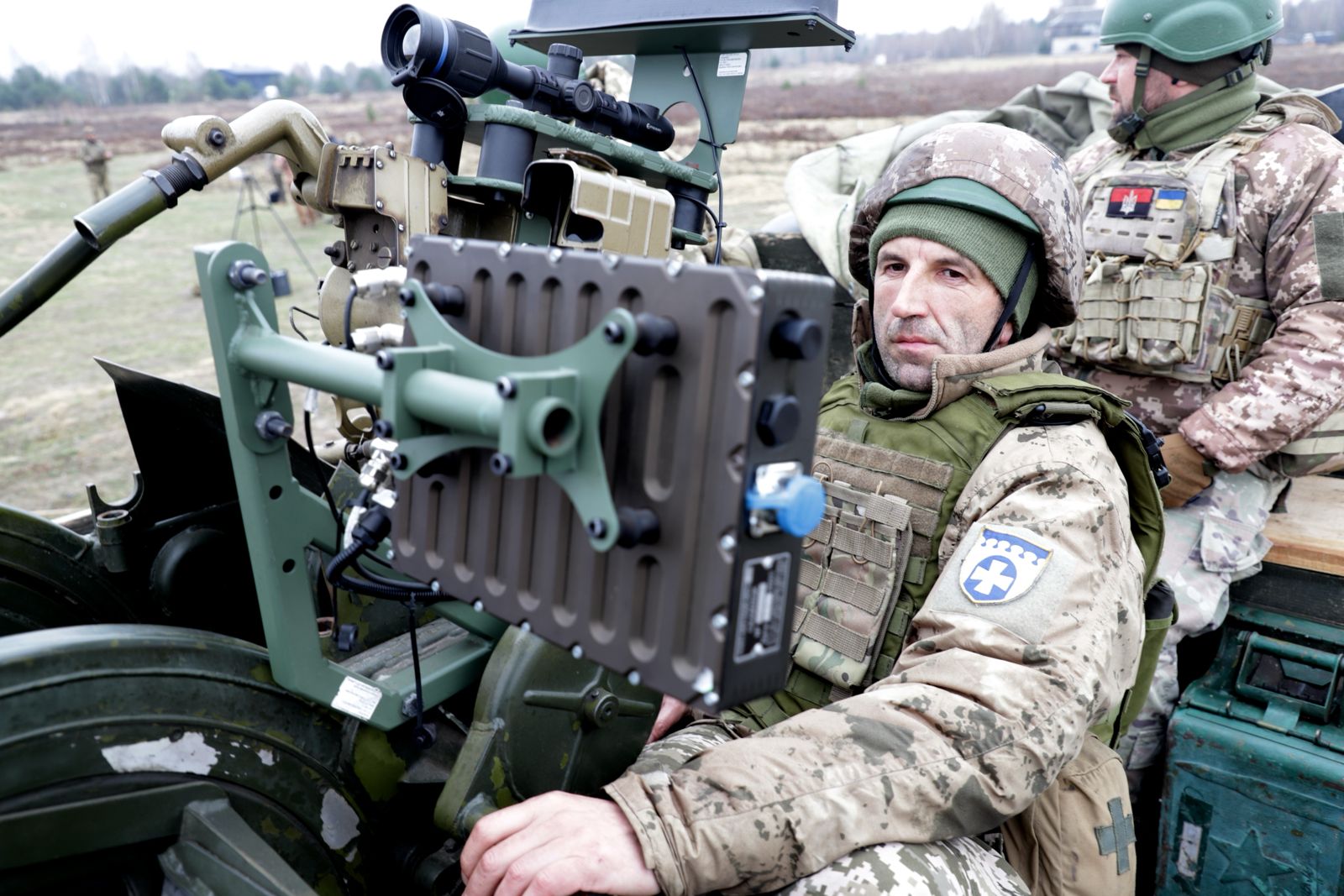
By 8 a.m. Saturday, the Air Force said, aviation, anti-aircraft missile troops, electronic-warfare and drone units and mobile fire groups had shot down or suppressed 293 aerial targets: all four Kalibr missiles and 289 drones, including 23 of the jet-powered Shaheds. Strikes were recorded at 22 locations and falling debris at three more, and the attack was still not over — several Russian drones remained in Ukrainian airspace as the tally was published, and morning air-raid alerts in Kyiv and other regions warned of a continuing ballistic-missile threat, including launches aimed at Zaporizhzhia and Kryvyi Rih. One detail in the Air Force's own numbers deserves attention: the 293 figure accounts for the Kalibrs and the drones. It lists no interception of the Iskander-M ballistic missiles or the Kh-22/32 cruise missiles — the fastest, hardest weapons in the package appear to have flown through.
Kherson: the ambulance driver
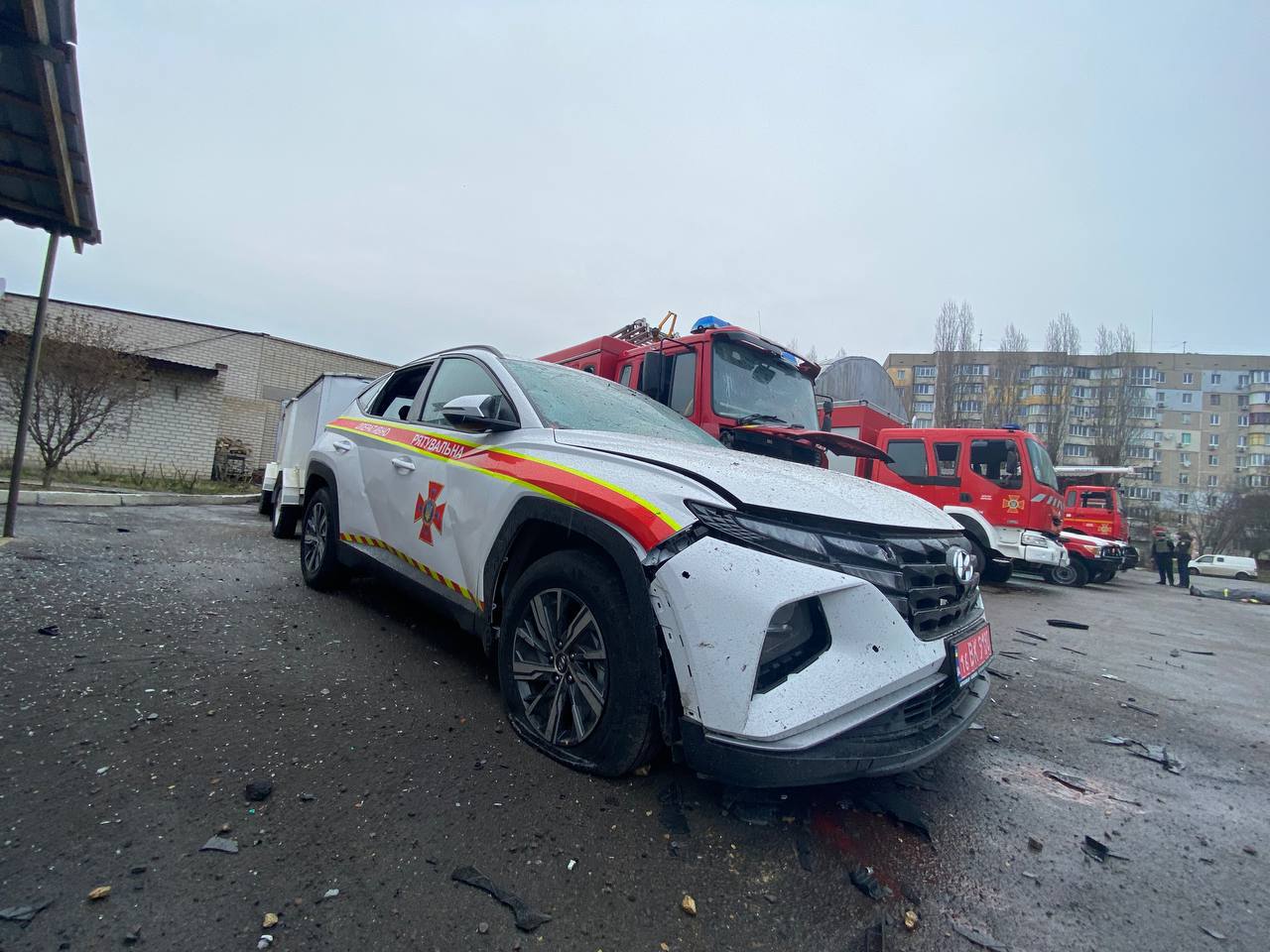
Kherson sits on the west bank of the Dnipro River, directly across the water from Russian positions, and it has lived under near-daily shelling and drone attack since Ukrainian forces liberated it in November 2022. Saturday's strike was reported by Governor Prokudin and carried by Reuters: one person killed, 19 injured. Ukrainian public broadcaster Suspilne added that the ambulance driver who died was a man in his sixties, and that several of the injured included a family with an infant. Prokudin said a child was among the wounded. An ambulance driver is not a bystander to this war's machinery; he is part of the thin system that keeps a frontline city functioning — the person who drives toward the last strike while the next one is being prepared. His death, in a strike on a city where emergency crews say they are routinely targeted, is the human centre of a night otherwise measured in hundreds of projectiles.
Zaporizhzhia and the wider target set
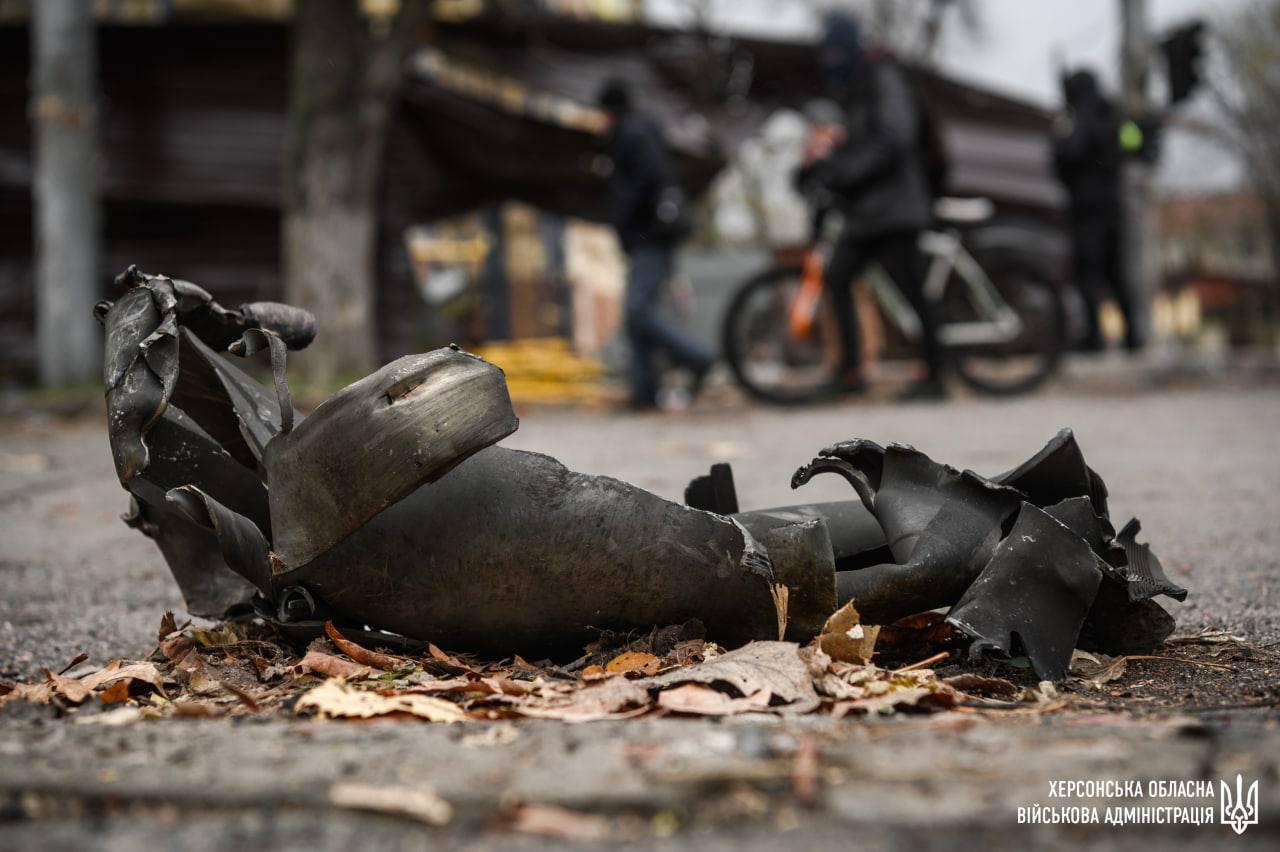
In Zaporizhzhia, in the southeast, five people were injured in an attack on a residential area that damaged multi-storey apartment buildings and set parked cars on fire, regional head Mykhailo Semikin said; earlier Ukrainian reporting put the injured there at two before the count rose. Russia's Defence Ministry, for its part, said its forces carried out a "massive strike" against metallurgical plants, a transformer-manufacturing facility and energy infrastructure in Kryvyi Rih, Zaporizhzhia and Zhytomyr, and claimed Russian air defences destroyed 610 Ukrainian fixed-wing drones over Russian territory, occupied Crimea and the Black Sea. Those Russian figures are claims by a belligerent ministry and could not be independently verified; Ukraine did not publish a matching account of a drone operation on that scale. What both sides' statements agree on is the shape of the night: a massed Russian strike package against Ukrainian cities and industry, and a Ukrainian defence that stopped most of the drones and none of the reported ballistic missiles.
Why this matters
Start with the arithmetic, because the arithmetic is the strategy. Ukraine stopped 293 of roughly 340 incoming weapons — about 88 percent of the drones and every sea-launched cruise missile — and the night still produced a dead ambulance driver, 24 injured civilians, burning apartment blocks and impacts at 22 locations. That is the saturation problem in one night: a defence can perform at a level that would have been extraordinary in 2022 and still leak enough explosive tonnage to hurt people in several cities at once. Russia is no longer trying to overwhelm Ukrainian air defence with quality; it is overwhelming it with mixture — cheap decoys to draw fire, jet-powered Shaheds that fly faster and higher than the originals, and a small number of ballistic missiles reserved for the targets that matter most, fired in the knowledge that Ukraine's stock of high-end interceptors is the scarcest resource in the country. Kyiv said this week that it has effectively run out of Patriot interceptors, the only system it fields that reliably kills ballistic missiles. Saturday's tally — Kalibrs downed, ballistic missiles unaccounted for — is exactly what that shortage looks like in print.
The timing compounds it. This was the second consecutive massive night: Friday's wave killed at least eight people, wounded about 60 and cut power to more than a million people across nine regions. The UN Human Rights Monitoring Mission reported on Friday that September was one of the deadliest months of the war for civilians — at least 328 killed and 2,105 injured, 85 percent higher than September 2025 — and that the first two weeks of October were "among the deadliest periods for civilians in years," with repeated attacks on energy infrastructure as winter approaches. Nearly 3.6 million Ukrainians remain displaced inside the country. A campaign that pairs nightly mass strikes with attacks on the power grid is not only a military operation; it is pressure on the decision every Ukrainian family makes about whether to stay or leave before the cold arrives. And it unfolded on the same day President Trump waived the Graham Act sanctions on Russia two days before they were to take effect, and a day after Ukraine announced it was "done" honouring the informal pause on striking Russian refineries. The military escalation and the diplomatic unravelling are now running on parallel tracks, each feeding the other: Kyiv argues sanctions relief removes the only pressure that works, Moscow reads the waiver as room to continue, and the strikes themselves become the argument each capital uses against the other's position.
Context: a city, a river, and a three-year siege in all but name
Kherson was the first major city Russia captured in 2022 and the only regional capital Ukraine has taken back, liberated in November 2022 when Russian forces withdrew across the Dnipro. The withdrawal did not end the city's war; it converted it. From positions on the far bank, Russian forces have shelled Kherson's streets, markets, hospitals and bus stops ever since, and in the past two years have added persistent FPV drone attacks on individual vehicles and pedestrians — a campaign residents and investigators describe as a "human safari." Saturday's air strike fits the older, heavier pattern: not the harassment fire of a normal Kherson day, but a massed national barrage in which the city was one target among many. Zaporizhzhia, Kryvyi Rih and Zhytomyr — the cities Russia's ministry named — span the southeast, the centre and the northwest, which is the point of a 332-drone package: no region gets to treat the war as someone else's problem, and repair crews, medics and air-defence batteries cannot be concentrated where the last night's damage fell.
What each side says
Ukraine's account is that the strikes are a systematic campaign against civilian life and the energy system that sustains it — terror, in President Zelenskyy's repeated word — and that the only adequate responses are more interceptors, more sanctions pressure and continued Ukrainian strikes on the Russian oil industry that funds the war. Russia's Defence Ministry describes its operations as strikes on military-industrial and energy targets, and Moscow has consistently denied intentionally targeting civilians, despite the UN-verified civilian toll rising month after month. Between those positions, the independently checkable facts of Saturday night are narrower and harder: 332 drones were launched, 293 targets were neutralised, at least 22 locations were hit, an ambulance driver in Kherson is dead, and 24 people were injured. Independent verification of battlefield claims on both sides remains difficult, and the toll may rise as rescue work continues.
What happens next
Three things will decide whether Saturday night becomes the template for the autumn. First, interceptors: Ukraine's ability to answer ballistic missiles depends on deliveries it does not control, and every night like this one consumes drone interceptors, gun ammunition and electronic-warfare capacity that must be replaced at industrial pace. Second, the grid: if the nightly packages keep finding energy infrastructure at 22 locations a night, the winter the UN is warning about arrives early, and displacement — already at 3.6 million internally — grows again. Third, the politics: the sanctions waiver in Washington, the resumed refinery strikes from Kyiv and the collapse of the energy pause have removed the few restraints that existed a week ago. The most likely near-term scenario is more nights like this one, at this scale, while both capitals test whether escalation changes the other's negotiating position before winter does it for them. Kherson, as ever, will hear about it first — from across the river, and from the ambulances still running toward the sound.
Related coverage: Ukraine War, Day 1696 briefing · Ukraine says it is out of Patriot interceptors · Trump waives the Russia sanctions Congress passed
Sources
Reuters, October 17, 2026 — Russian air strike on Kherson kills one person, injures 19, governor Prokudin says (ambulance driver killed, child among injured). Ukrinform via Ukraine's Air Force, October 17, 2026 — overnight attack composition (332 UAVs, Iskander-M/KN-23, Kh-22/32, four Kalibr), 293 targets downed or suppressed, hits at 22 locations. Anadolu Agency, October 17, 2026 — one killed, 24 injured nationwide; Zaporizhzhia five injured (Semikin); Russian Defence Ministry "massive strike" statement and 610-drone claim. Suspilne via Sweden Herald, October 17, 2026 — driver in his sixties, family with infant injured. UN Human Rights Monitoring Mission in Ukraine, October 16, 2026 — September civilian casualties (328 killed, 2,105 injured) and October trend.