Slovakia Russia consultations: Slovakia will restart its intergovernmental commission with Russia in Moscow, resuming a formal channel that has been frozen since the full-scale invasion of Ukraine.
Politics / Europe — the Russian–Slovak intergovernmental commission will sit down in Moscow for the first time since 2022, with gas, oil and nuclear energy at the top of Bratislava’s agenda
Track it live: follow the war and the diplomacy moving around it on our live wars tracker.
What Bratislava announced
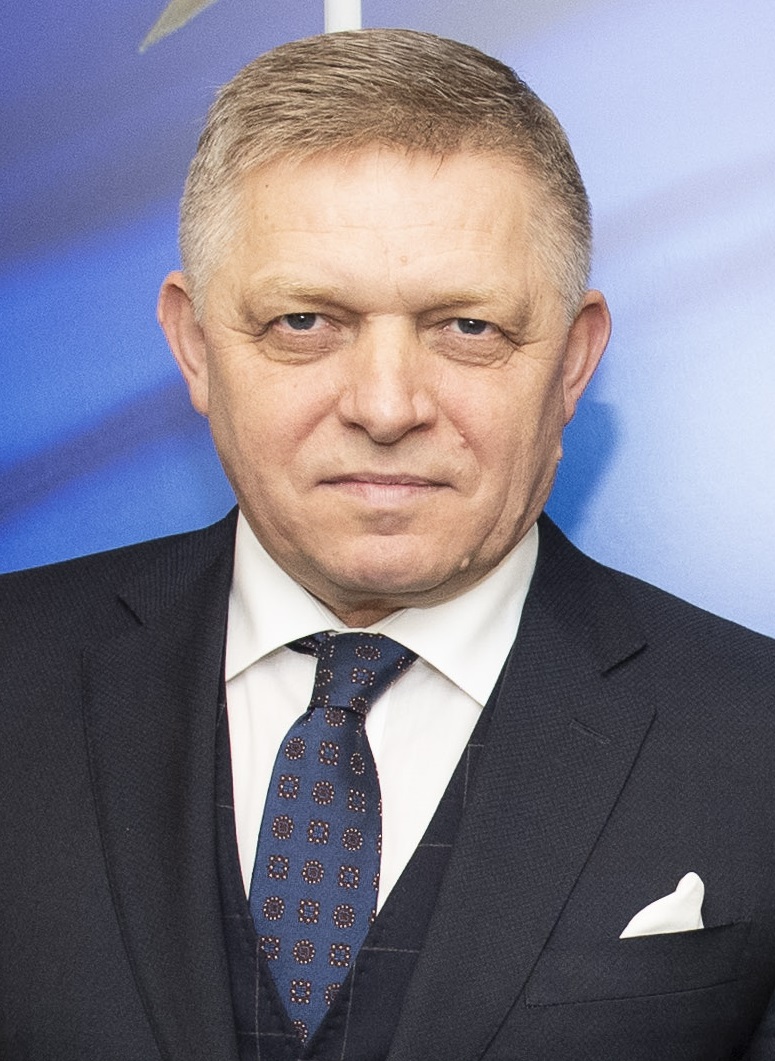
The announcement came from the Slovak Foreign Ministry late on Tuesday, and its wording was careful in both directions at once. The commission — the standing Russian–Slovak intergovernmental body for economic, scientific and technical cooperation — will hold a session in Moscow on October 26, according to the ministry statement reported by Reuters. It will be the first meeting of the body since Russia’s full-scale invasion of Ukraine in 2022; the commission last met in Bratislava on November 12, 2021, before the invasion froze the format. The stated focus is broad on paper — energy including nuclear issues, farming, the environment, sports and culture — but the ministry left no doubt about the priority. “The fundamental topic will be energy and the possibility to cooperate in securing supplies of strategic resources,” it said, adding that the Slovak side is interested in gas supplies and in the continuation of oil supplies.
At the same time, the ministry framed the restart inside Slovakia’s existing alliances rather than against them. Slovakia, it said, bases its approach on its membership of the European Union and NATO and on keeping those commitments — but it wants room for dialogue alongside them. That dual framing is the whole story in miniature: Bratislava is not announcing an exit from the Western consensus, and it is not hiding the meeting either. It is publicly rebuilding a bilateral channel to Moscow that most of its allies dismantled after 2022, and it is doing so in the open, on the record, with energy supplies as the stated reason.
The groundwork was laid over the summer. According to Politico’s reporting, summarised in the sources below, Slovak Foreign Minister Juraj Blanar agreed in an August 20 video call with the Russian co-chair of the commission, Valery Falkov, that a meeting would be held. Blanar has described Slovakia’s approach as pursuing a policy in all directions and pragmatic cooperation in the Slovak national interest — the doctrine Bratislava now cites for the Moscow session.
The date problem: October 26 or November 25?
Readers deserve the discrepancy stated plainly, because the sources do not fully line up and this article will not pretend otherwise. The latest statement is the Slovak Foreign Ministry’s announcement of October 20, reported by Reuters on October 21: the commission will meet in Moscow on October 26. TASS, in its own headline report, corroborates October 26 independently, calling it the commission’s first meeting in five years.
But Politico’s background reporting tells a more tangled scheduling story. A Russian government note dated September 10, cited by Politico, initially proposed October 26–27 for the session. Then, on October 14, Prime Minister Fico himself said the meeting was scheduled for November 25. Six days later, his own foreign ministry announced October 26 — the date from the Russian note, not the date from the prime minister. As of publication, no source in this package withdraws the November 25 date or explains the change. The October 26 date is therefore reported here as the latest official statement, corroborated by two wires — not as an uncontested fact. If the session slips to November, or if a second session is what November 25 referred to, that will be reported when a source says so. The meeting, it should be stressed, has not happened yet: nothing in this article describes an agreement, an outcome or a deal, because there is none to describe.
What is actually on the agenda — and what is only proposed
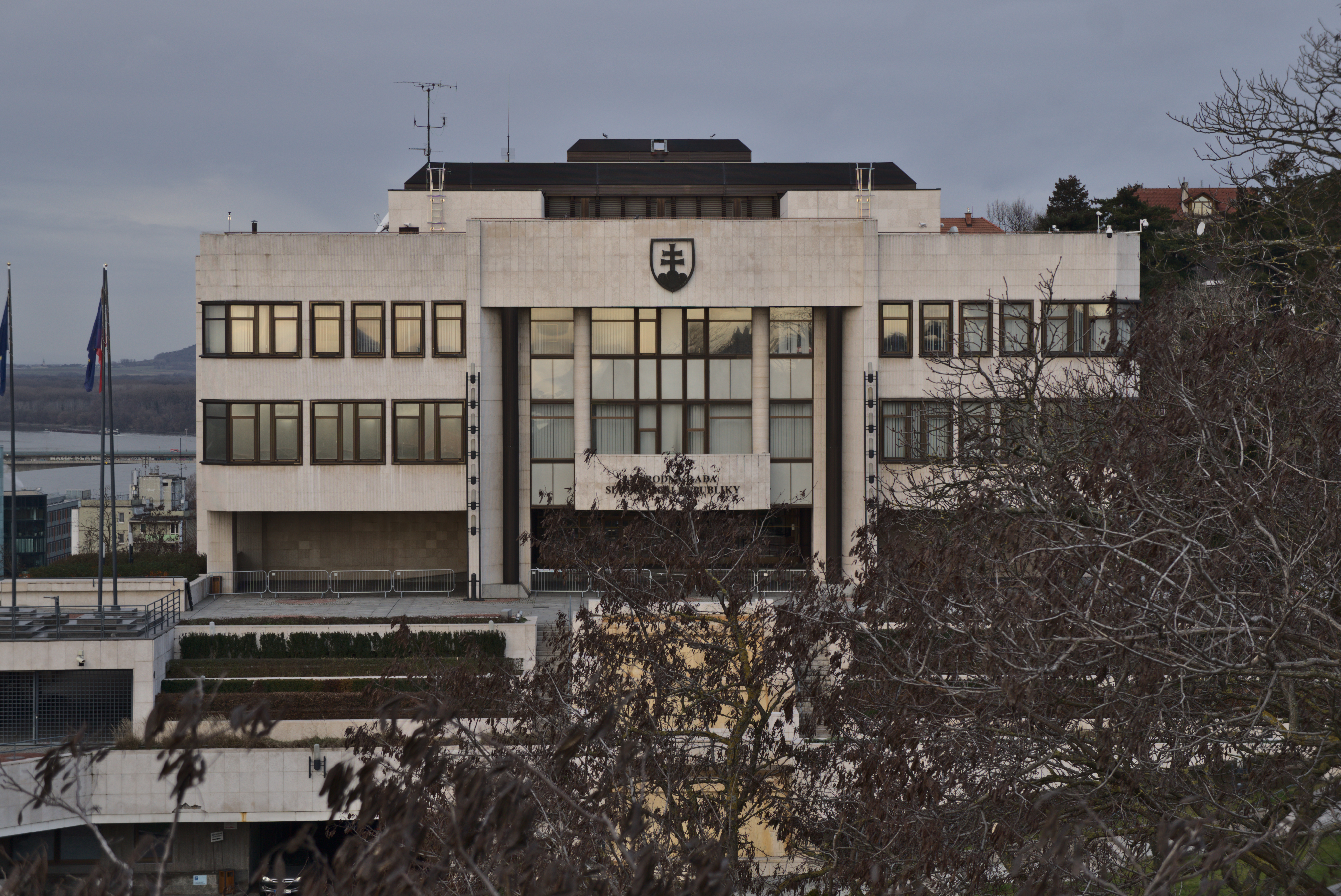
Two different documents describe this meeting, and they are not the same document. The Slovak Foreign Ministry’s own statement names energy, including nuclear energy, as the fundamental topic, alongside farming, the environment, sports and culture, with Slovak interest specified on gas supplies and the continuation of oil supplies. That is Bratislava’s agenda, stated by Bratislava.
The wider list comes from the Russian side. Politico’s summary of the Russian government note reports that the agenda may also include nuclear fuel, oil supplies through the Druzhba pipeline, and the treatment of Russian athletes. Those items are attributed here to the Russian document, as Politico reported it — they are proposals recorded in a note, not agreed agenda items confirmed by both governments, and certainly not outcomes. The distinction matters most on nuclear fuel and Druzhba: both touch the physical systems Slovakia’s energy supply runs on, which is precisely why a Russian note listing them and a Slovak statement confirming them would be two very different things. Only the first has happened.
Why energy drives everything
Slovakia buys Russian oil and gas, and Reuters’ background is blunt about the clock now running on that fact: the European Union’s plan requires stopping Russian gas purchases by late 2027. That is a plan and a requirement set by the EU, per Reuters — not a ban already in force, and not a supply that has already ended. Between now and that deadline, Slovakia’s government has to answer a practical question its allies mostly answered by substitution: where does a landlocked country that built its supply around Russian deliveries get its gas and oil, on what timetable, and at whose price?
Bratislava’s answer, visible across this year, is to negotiate the transition rather than simply receive it. Earlier this year an interruption in oil supplies became a political fight in itself: Fico blamed Ukraine for the interruption, while Kyiv said it was caused by Russian attacks. That dispute is the commission’s real backdrop. The pipeline politics of this war run in every direction at once — the same weeks have seen Ukraine striking Russian oil infrastructure even as a separate Trump–Putin diesel arrangement was being discussed, as this site reported in its coverage of Ukraine’s strike on the Rostov oil terminal and the diesel deal — and a small importing country sitting at the end of the Druzhba line experiences each of those moves as a supply event, not an abstraction.
Fico’s road back to Moscow
Robert Fico is a populist nationalist now in his fourth term as prime minister, and Reuters notes that his views stand out inside the 27-member European Union — a distinctiveness that has sharpened since the defeat of the pro-Russian Hungarian leader Viktor Orban in April’s election removed the ally whose positions most often overlapped with his. Fico has criticised EU sanctions on Russia, and he has made repeated trips to Moscow, including in May this year. The commission restart is therefore not a sudden turn. It is the institutional version of a posture Fico has held personally for years: keep the memberships, keep the commitments on paper, and keep a direct line to the Kremlin open anyway.
That posture has a history longer than this government. The commission itself is a pre-war artefact — a standing body from the era when EU member states routinely ran bilateral economic commissions with Russia, last convened in Bratislava in November 2021, three months before the invasion made such formats politically radioactive across most of Europe. Reviving it does not restore 2021. It does something narrower and more deliberate: it gives Bratislava and Moscow a scheduled, staffed, agenda-carrying table again, of the kind where energy contracts, nuclear fuel questions and pipeline disputes are actually worked on rather than merely denounced or defended in public.
The other side: why allies and Kyiv see it differently
The critical view, held across much of the EU and in Kyiv, starts from the war rather than the gas bill. On that reading, every normalisation channel opened to Moscow while Ukraine is under attack weakens the collective pressure the EU has tried to maintain since 2022, and a commission session in Moscow — photographed, minuted, agenda and all — is worth more to the Kremlin as a signal of European division than any single gas discussion is worth to Bratislava. The earlier oil-interruption dispute shows how quickly the friction surfaces: where Fico blamed Ukraine for interrupted supplies, Kyiv attributed the interruption to Russian attacks, and the two accounts cannot both be right. Critics also note the direction of travel inside the EU: with Orban’s defeat in April, the bloc’s internal dissent on Russia policy has narrowed, and Slovakia’s restart makes Bratislava the outlier in a way it was not when Budapest stood beside it. The enlargement dimension cuts the same way — the EU has been pressing ahead with Ukraine’s accession track, as covered in this site’s report on the EU opening Ukraine’s accession clusters, and a member state reopening bilateral business with Moscow sits uneasily next to that project.
Bratislava’s reply, as the ministry stated it, is that dialogue is not endorsement: Slovakia bases its approach on EU and NATO membership and on keeping those commitments, and wants room for dialogue in addition — not instead. Fico’s government would add the householder’s argument: governments that cannot keep homes heated and factories supplied do not stay governments for long, and the late-2027 EU deadline makes the supply conversation unavoidable rather than optional. Both arguments are presented here as their holders make them. What neither side disputes is the fact at the centre: the channel was closed in 2022, and Slovakia is reopening it.
Why this matters
A commission session sounds like the dullest instrument in diplomacy, and that is exactly why it matters. Summits are theatre; commissions are plumbing. The formats that actually move gas volumes, nuclear fuel deliveries and pipeline schedules are staffed, recurring and technical — and the decision to restart one is a decision about what kind of relationship a state intends to have in two years, not what it says this week. Slovakia is an EU and NATO member placing a bet that the post-2022 freeze is not permanent, that the late-2027 gas deadline will require negotiated arrangements rather than a clean break, and that being early to the table is worth the criticism of being at it at all. The war’s own trajectory is the other half of that bet, and it is tracked day by day in this site’s Ukraine War Day 1700 briefing.
There is a second-order effect inside the EU. Unanimity-based decisions — sanctions renewals, accession steps, energy rules — depend on no member state deciding that its bilateral interests outrank the common line often enough to matter. Slovakia has not broken the common line in any vote described in these sources. What it has broken is the convention that the line is the whole policy. If the Moscow session produces even a modest technical arrangement on supplies, every other capital with a Russian energy legacy will study it; if it produces nothing beyond photographs, the criticism will have been spent on a meeting. Either result teaches the other 26 members something about where the consensus actually ends.
What the numbers say
The arithmetic of this story is mostly dates, and the dates tell it cleanly. The commission last met on November 12, 2021. The invasion came in 2022, and the format slept for what TASS counts as five years. The Russian note proposing a revival is dated September 10. Blanar and Falkov agreed a meeting would happen on August 20 — before the note’s proposed dates were public. Fico named November 25 on October 14. His ministry named October 26 on October 20. Four dates, two governments, one meeting that has not yet occurred: the sequence shows a negotiation about the negotiation, conducted partly in public, and it is why this article carries both October 26 and November 25 rather than quietly choosing one.
The structural numbers are just as plain. Slovakia is one of 27 EU members, led by a prime minister in his fourth term, buying Russian oil and gas under an EU plan that requires the gas purchases to stop by late 2027. Every element of the commission’s stated agenda — gas, oil continuation, nuclear energy — maps onto a supply line that either has a deadline on it or a war across it. That, more than any summit rhetoric, is the pressure under which the Moscow table is being set.
What happens next
Three scenarios cover the plausible range. First, the session happens on October 26 as announced, produces a technical readout on energy cooperation, and the channel settles into the recurring rhythm it had before 2022 — the outcome Bratislava’s statement is written to suggest. Second, the date slips to November 25, the date Fico himself gave on October 14, whether because the October plan was the Russian proposal rather than the agreed schedule or because the two sides are running parallel tracks that have not yet merged; the discrepancy in the record makes this scenario impossible to rule out from the sources available. Third, the meeting happens and is overtaken by the war — another supply interruption, another strike on energy infrastructure, another EU decision that moves the deadline politics faster than the commission can talk. In all three, the questions to watch are the same: whether both governments afterwards confirm the same date and the same agenda, whether nuclear fuel and Druzhba appear in an agreed readout or only in Russian accounts of one, and whether any EU partner responds formally rather than anonymously. Until the session sits, everything else — including any claim of a deal — is ahead of the evidence.
Sources
- Reuters, October 21, 2026 — “Slovakia to restart consultations with Russia in new break with EU allies” (Slovak Foreign Ministry statement of late Tuesday October 20: commission session in Moscow on October 26; first meeting since the 2022 full-scale invasion; energy including nuclear, farming, environment, sports and culture; ministry quote on energy and securing supplies of strategic resources; Slovak interest in gas supplies and continuation of oil supplies; EU/NATO commitments framing; Slovakia buys Russian oil and gas; EU plan requires stopping Russian gas purchases by late 2027; Fico’s sanctions criticism, the oil-interruption dispute and his repeated Moscow trips including in May; Orban’s April defeat): reuters.com
- TASS, October 21, 2026 — headline report that the Russian–Slovak intergovernmental commission will hold its first meeting in five years in Moscow on October 26 (independent corroboration of the October 26 date; no URL supplied in the reporting package for this item).
- Politico, October 15, 2026, background reporting (cited via reporting summary) — Russian government note dated September 10 initially proposing October 26–27; Fico’s October 14 statement that the meeting was scheduled for November 25; Blanar’s August 20 video call with Russian co-chair Valery Falkov agreeing to hold a meeting; Blanar’s policy-in-all-directions position; the commission’s last meeting in Bratislava on November 12, 2021; Russian-note agenda items including nuclear fuel, Druzhba oil and the treatment of Russian athletes: Politico reporting summary (scoopfeeds.com)