Ukraine EU accession talks: the European Union opened the internal market and competitiveness clusters with Kyiv on Tuesday, after Hungary dropped its veto in exchange for a minority-language law.
Hungary Steps Aside: Ukraine's EU Talks Move Two Big Steps Forward
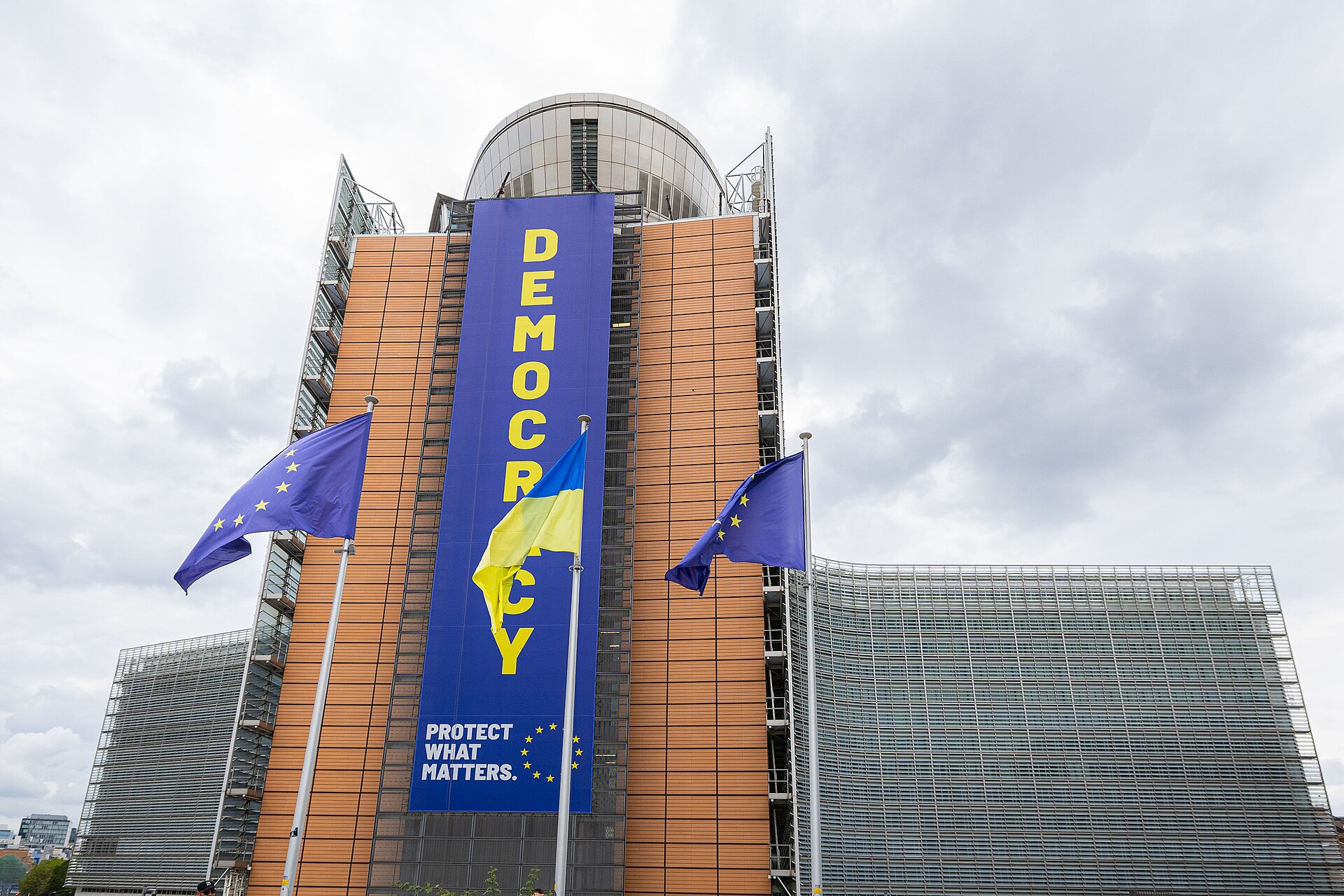
Ukraine took a formal step closer to European Union membership on Tuesday, as the EU opened accession negotiations with Kyiv on two more thematic clusters — the internal market, and competitiveness and inclusive growth — at an accession conference in Luxembourg, the Council of the EU confirmed. The step had been blocked for months by Hungary, which dropped its objections after Ukraine's parliament passed legislation on Monday expanding the rights of Hungarian speakers and other minorities to be educated in their native language, Reuters reported.
Track it live: Ukraine war map · live war tracker
What was actually opened in Luxembourg
The internal market cluster is the economic core of EU membership: nine negotiating chapters covering the free movement of goods, services, workers and capital, plus common rules on competition, financial services, company law and consumer protection. The competitiveness and inclusive growth cluster adds eight more chapters, among them taxation, economic and monetary policy, industry, digital transformation, employment, education, research and customs, according to the Council's press release. The EU also set the benchmarks Ukraine must meet before those chapters can be provisionally closed, and stressed that accession remains a merit-based process, with Kyiv's alignment to EU law monitored throughout.
Ireland's Minister of State for European affairs, Thomas Byrne — Ireland currently holds the rotating Council presidency — called the decision another milestone on Ukraine's membership journey and said it demonstrated Ukraine's resilience and determination to keep reforming in extremely difficult circumstances. With Tuesday's openings, four of the six clusters are now on the table: the fundamentals cluster, covering the judiciary and democratic institutions, opened in June 2026, and the external relations cluster followed in July. Moldova, whose bid is tied to Ukraine's, opened the same two clusters on Tuesday as well.
The law that moved Budapest
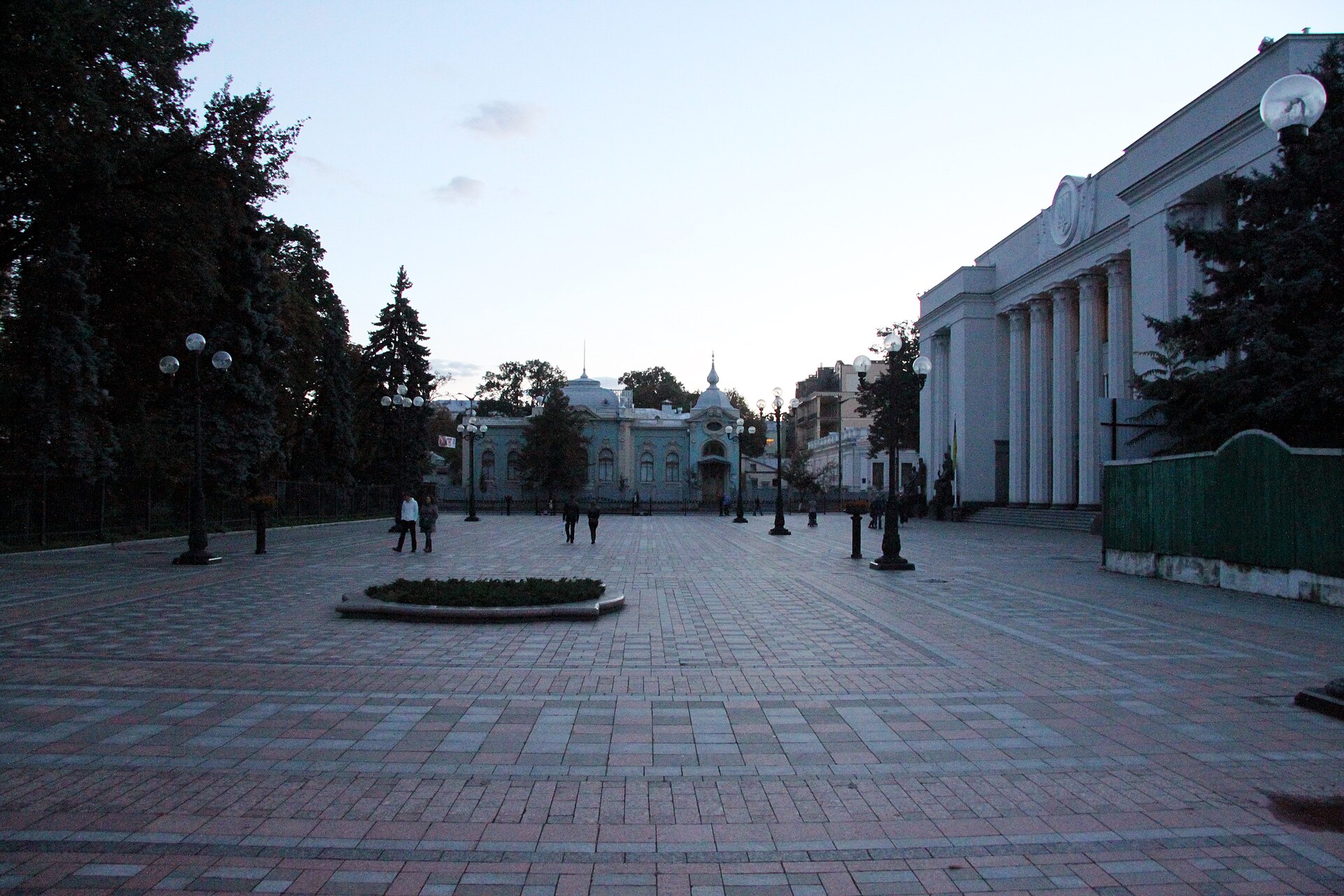
Hungary's price for stepping aside was specific and long-standing: stronger protections for the ethnic Hungarian minority concentrated in Zakarpattia, Ukraine's westernmost region, and in particular the right to schooling in Hungarian. Budapest had held up further cluster openings repeatedly since July, Reuters reported, until Kyiv's parliament passed the minority-language education law on Monday. Ukrainian and Hungarian diplomats then moved quickly: Foreign Minister Andrii Sybiha met his Hungarian counterpart in Luxembourg on Monday and the two sides agreed on next steps in their bilateral commitments, while diplomats worked to arrange a first bilateral meeting between President Volodymyr Zelenskyy and Hungarian Prime Minister Péter Magyar on the sidelines of an EU summit this week — no date has been set, Euronews reported.
Zelenskyy publicly welcomed the outcome, thanking EU leaders and member states in a post on X and urging the bloc to open the remaining two clusters by the end of the year. European Council President António Costa also welcomed the decision and said he looked forward to opening all remaining clusters as soon as possible.

Why this matters
Accession talks are the war's other front. Ukraine applied for EU membership days after Russia's full-scale invasion in February 2022, and the bid has always carried a double meaning: a reform programme in peacetime language, and a geopolitical statement that Ukraine's future lies inside the European order whatever happens on the battlefield. Every cluster opened while Russian missiles are still falling on Kyiv — the capital was struck for a third consecutive morning on Wednesday — is Brussels restating that statement in procedural form. Procedure is not symbolism here: the internal market cluster is where membership stops being a flag and starts being a legal order, binding Ukraine's courts, regulators and customs service into the single market's rulebook years before any accession treaty is signed.
The Hungarian episode also teaches the process's central lesson, which cuts both ways. Unanimity gives every member state a veto at every stage, so a bilateral grievance — minority schooling in one border region — can hold up a continental decision affecting two candidate countries, since Moldova's identical step waited on a dispute it plays no part in. But the same unanimity made the concession legible and tradable: Kyiv knew exactly what Budapest wanted, paid it in legislation rather than rhetoric, and collected two clusters within a day. Expect that pattern to repeat. The two clusters still shut — the green agenda, and resources, agriculture and cohesion — are widely considered the hardest, because Ukrainian agriculture is big enough to unsettle farm politics and subsidy budgets across the bloc, and opening them will require further unanimous votes at which any capital can name a new price.
The numbers, in context
Four of six clusters open sounds like two-thirds done; the honest reading is narrower. The six clusters group 33 of the 35 negotiating chapters, and opening a cluster starts the work rather than finishing it — chapters close only provisionally, only against benchmarks, and only by unanimity, and a closed chapter can be reopened if reforms slip. The timeline is measured in years even for frontrunners: the process is designed so that the hardest files — agriculture, budget contributions, free movement of labour — come last. What Tuesday changes is not the distance to membership but the direction of travel and the cost of reversing it: with the internal market chapters open, Ukrainian businesses, exporters and regulators now align to EU rules in real time, which is precisely why the step matters to Moscow's war aims even though no Russian government reaction to it was published in the sources checked for this article.
Who gains, who pushes back
Kyiv gains momentum and a deliverable to set beside a hard week of strikes, stalled energy-ceasefire claims and an awkward American diesel deal with Moscow: on the same day, Zelenskyy was preparing to take his case to London, arguing Europe should hold a harder line than Washington. Budapest gains a concrete win for its minority constituency and preserves its veto for later rounds. Moldova gains by association. The sceptics are quieter but real: governments that worry about absorbing a large, war-damaged agricultural economy, and officials in Brussels who note that opening clusters is the cheap part — the bill, in farm subsidies and cohesion funds, arrives with the chapters still closed. Ukraine's own reformers, meanwhile, will hold Kyiv to the law it just passed: a minority-rights statute adopted to unlock a veto will be monitored by the same Commission that now tracks every chapter.
What happens next
Three things to watch. First, whether the Zelenskyy–Magyar bilateral happens at this week's EU summit, and whether it converts a transactional truce into a working relationship — Hungary can halt the process again at the next unanimous step. Second, whether the remaining two clusters open by year-end, as Zelenskyy asked: the Commission considers Ukraine technically ready for both, so any delay will be political, not procedural. Third, the benchmarks themselves: the Commission's monitoring of the newly opened chapters will produce the first hard evidence of whether wartime Ukraine can align its market law at the speed the ceremonies imply. None of it ends the war, and none of it was presented as doing so. It does something slower and, in the long run, possibly harder to undo: it writes Ukraine into Europe's legal future while the fighting over its physical future continues.
Related coverage: Zelenskyy in London: Burnham pledges missiles and 'rock-solid' support · Kyiv hit for a third morning as Balakovo drone attack kills one · Zelenskyy seeks new talks with Witkoff and Kushner
Sources: Reuters; Council of the EU; Brussels Signal; The Insight International (Euronews/AP reporting).