Day 1700 / The interceptors are paid for — and still sitting unsigned
Track it live: Live Ukraine war map
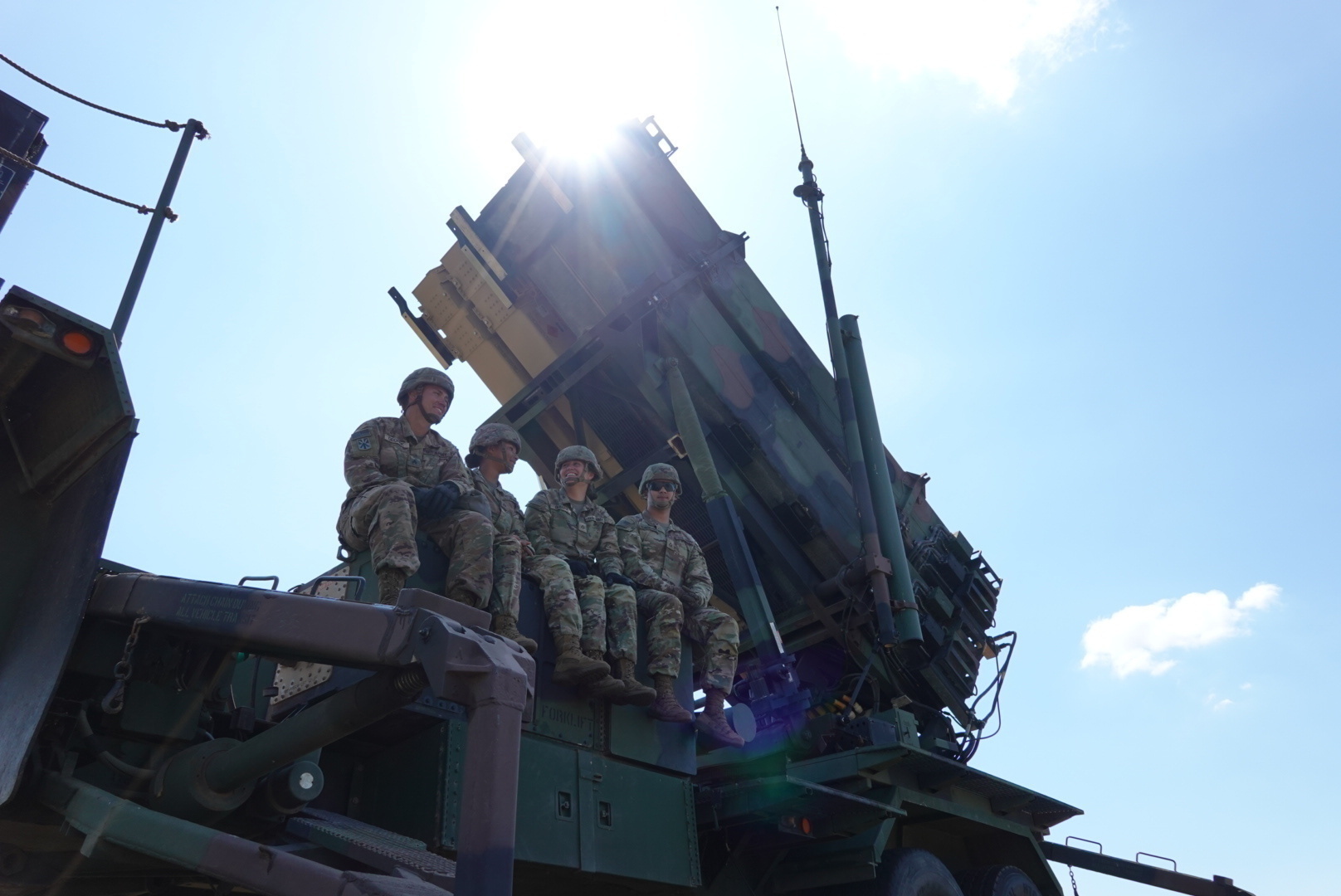
One signature: the PURL interceptors Kyiv says are being held
The argument is about a mechanism designed to remove arguments. Under the Prioritised Ukraine Requirements List — PURL — European governments pay the United States for American weapons Ukraine needs most, starting with Patriot interceptors for the ballistic-missile defence of its cities. The money, on Kyiv's account, has been paid. The missiles have not moved. Zelenskyy told US senators on Monday that the United States is deliberately delaying the deliveries while they await the signature of Defense Secretary Pete Hegseth, according to Washington Post reporting of the Ukrainian presidency's remarks. Reuters, reporting separately on Tuesday, likewise noted that Hegseth had yet to authorise delivery of the latest PURL package purchased by NATO allies. Several European states, Kyiv says, are ready to go further and transfer Patriot interceptors from their own stocks — but those transfers, too, require US approval, because the systems and missiles are American-made and export-controlled. One capital's hesitation therefore freezes several capitals' generosity at once.
Kyiv's reading of the delay is political. Ukrainian officials have linked it to pressure over Ukraine's deep strikes on Russian energy infrastructure, and Reuters reported that Washington had threatened to halt the PURL mechanism to press Kyiv to stop those strikes after President Donald Trump announced a Ukraine–Russia energy ceasefire. The White House has not confirmed any such linkage, and the sequence matters: the interceptor dispute has escalated in the same month that Trump has courted Moscow and relations between Kyiv and Washington have visibly deteriorated.
Rubio's 45 minutes: 'nothing being deliberately denied'
Washington's answer came on Tuesday in two voices. The first was private, then promptly public: Secretary of State Marco Rubio held a 45-minute call with Zelenskyy on October 20. Zelenskyy, in a post thanking Rubio afterwards, said the two discussed ballistic-missile interceptors, early warning of Russian attacks, and the Starlink and Starshield satellite services he said needed to be restored. Rubio then gave the public version as he began a trip to India, acknowledging that a batch of PURL interceptors may not have been delivered but denying any political intent: "I think the important takeaway is that there has not been some deliberate political directive to go out and harm Ukraine," he told journalists, in remarks reported by Reuters. "There's nothing being deliberately denied to Ukraine." The New York Post's account of the call carried the same denial. Both sides agree the interceptors have not arrived; they disagree only about why — deliberate leverage, in Kyiv's telling, or process, in Washington's.
Oslo, then Moscow: the peace track restarts
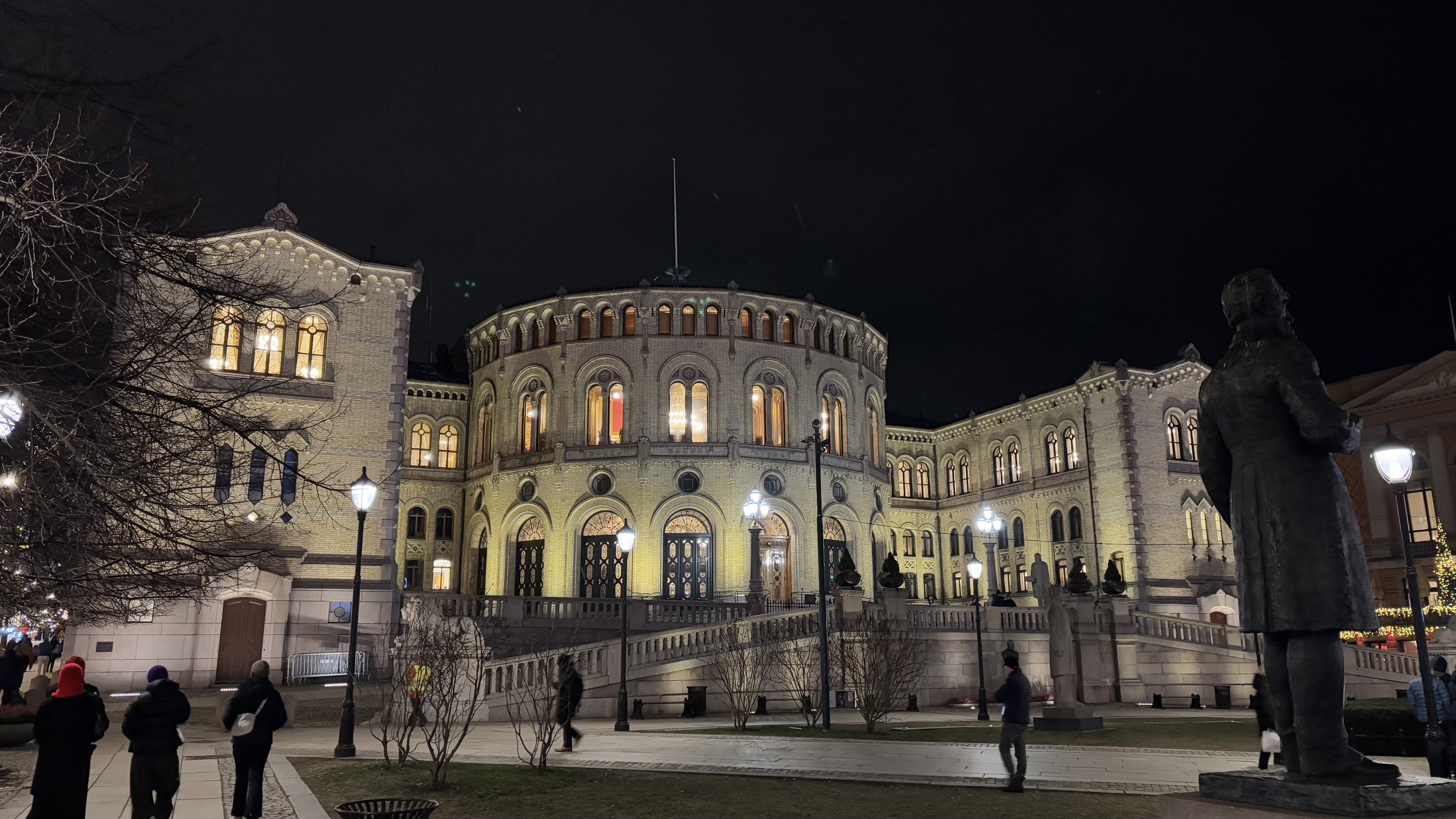
While the interceptor argument ran, the diplomatic track quietly restarted. Zelenskyy is meeting US envoy Steve Witkoff and European allies in Oslo, after which Witkoff is expected in Moscow to present an updated peace proposal to President Vladimir Putin. Jared Kushner, part of the US negotiating circle, is reportedly ill and may not attend in person. Trump, meanwhile, widened the frame again: he said he would meet both Putin and China's Xi Jinping — with or without Zelenskyy — presenting the diplomacy partly through the lens of denuclearisation and his November trip to China, according to ANI reporting carried by Latestly. For Kyiv, the "with or without" formulation is the sentence that stings: Ukraine has insisted since 2022 that nothing about Ukraine be settled without Ukraine, while the administration's framing treats the war increasingly as one agenda item inside a great-power conversation about nuclear arsenals and trade.
The war underneath: four dead in Kyiv region, half a million in the dark
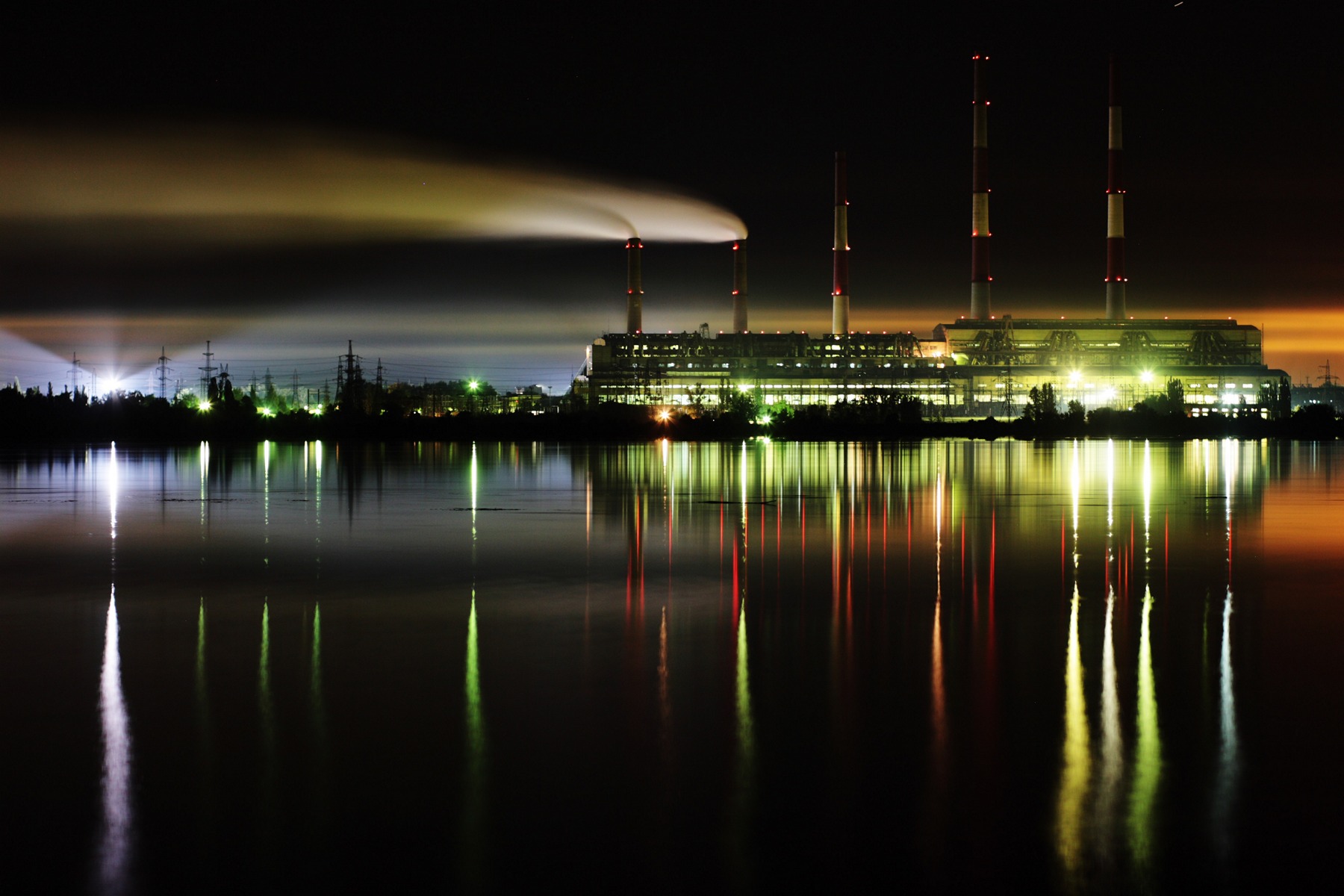
None of this diplomacy slowed the war it is meant to end. Ukrainian officials reported at least four people killed and 27 wounded in the Kyiv region in Russian missile and drone attacks over the past day, via the Daily Brief's October 20 roundup. Zelenskyy said the previous day's energy barrage had left more than 500,000 people without electricity, heat or water — the recurring autumn pattern, now in its third iteration, of striking the grid as temperatures fall. The comparison that frames the stakes: each successive winter campaign has begun earlier and hit a grid with less spare capacity than the year before, which is precisely why the interceptor argument at the top of this briefing is not an abstraction. Patriot missiles are the only Ukrainian system that reliably intercepts the ballistic missiles aimed at power stations; every week of delay in October is measured, in November, in megawatts and in cold apartments.
The ledger: Ukraine's claimed Russian losses to October 20
Ukraine's Ministry of Defence published its running tally of Russian combat losses as of October 20, 2026, and the Day 1700 edition is worth reading as Kyiv presents it — while remembering it is one side's count, which Russia does not confirm and independent analysts treat as an upper bound. The General Staff claims cumulative Russian personnel losses of 1,568,720, up 1,560 in the past day; 12,425 tanks (+9); 51,359 artillery systems (+42); 571,571 unmanned aerial vehicles (+1,578); and 164,871 vehicles and fuel tanks (+293), per the ministry's release at mod.gov.ua. The daily increments tell their own story about the war's changing shape: drones now account for the overwhelming majority of claimed equipment losses — 1,578 UAVs in a single day against nine tanks — a ratio unimaginable in 2022, mirroring Ukraine's own dependence on the same technology.
Why this matters
Day 1700 matters because it exposes the design flaw at the heart of the West's new support model. PURL was built to answer a political problem — American reluctance to keep funding Ukraine directly — by letting Europe pay. But payment was never the only gate: the weapons are American, the export licences are American, and, on Kyiv's account, the release signature is one American official's. Europe can write the cheque and still not control the delivery. That is why this dispute will outlast this batch of missiles. If the delay is process, as Rubio insists, it is process of a kind that functions exactly like leverage — and both sides know it. Washington's defenders make a real point: interceptor stocks are finite, US and allied needs compete for the same production lines, and no official has produced a written order to harm Ukraine. Kyiv's counter is equally concrete: the missiles were bought for a war that is happening now, the winter campaign has already begun, and a signature withheld is indistinguishable, from under a bombardment, from a decision. The Oslo–Moscow track sharpens the dilemma. A peace proposal carried to Putin while Ukraine's air defences wait on Washington will be read in Moscow as a measure of American patience — and in Kyiv as a reason to fear that the proposal's terms were shaped by the same pressure as the missing interceptors. Trump's denuclearisation framing cuts both ways in the same fashion: it offers Putin a grand bargain worth having, which could end the war, on a timetable and in a format — with or without Zelenskyy — that could also settle Ukraine's future over its head. The number to hold onto is the simplest one in this briefing: 500,000 people without heat, light or water after one day's strikes, on Day 1700, with the coldest months still ahead. Whatever is decided in Oslo and Moscow, it will be decided against that clock.
What happens next
Four tests arrive within days. First, the signature: if PURL interceptors move after the Rubio call, Washington's "process" account gains credibility; if another week passes, Kyiv's leverage account will harden into the European consensus. Second, Oslo and Moscow: whether Witkoff's updated proposal is published, leaked or buried — and whether Putin engages it or pockets it — will show if the peace track is real. Third, the grid: Ukraine's nightly interception figures and outage counts will measure the energy campaign's pace as October ends. Fourth, the Trump–Putin–Xi triangle: confirmation or silence on the proposed meetings, ahead of the November China trip, will tell Kyiv whether it is a party to the diplomacy or a subject of it. This briefing returns tomorrow for Day 1701. Yesterday's edition is here: Ukraine War, Day 1699 briefing, and the series archive includes the Day 1697 briefing.
Sources: Ukraine Ministry of Defence, Oct. 20, 2026 (total Russian combat losses tally); New York Post, Oct. 20, 2026 (Rubio–Zelenskyy call; "nothing deliberately denied"); Reuters via The Business Standard, Oct. 20, 2026 (Rubio India remarks; Hegseth yet to authorise PURL package); Washington Post reporting of Zelenskyy's remarks to US senators, via the Ukrainian presidency, Oct. 19–20, 2026 (PURL delay; European Patriot transfers pending US approval); Latestly / ANI, Oct. 2026 (Trump on meeting Putin and Xi, with or without Zelenskyy); Daily Brief, Oct. 20, 2026 (Kyiv region casualties; Oslo/Witkoff meeting; Kushner illness). Related on Signal Post News: Ukraine War, Day 1699 briefing · Ukraine War, Day 1697 briefing.