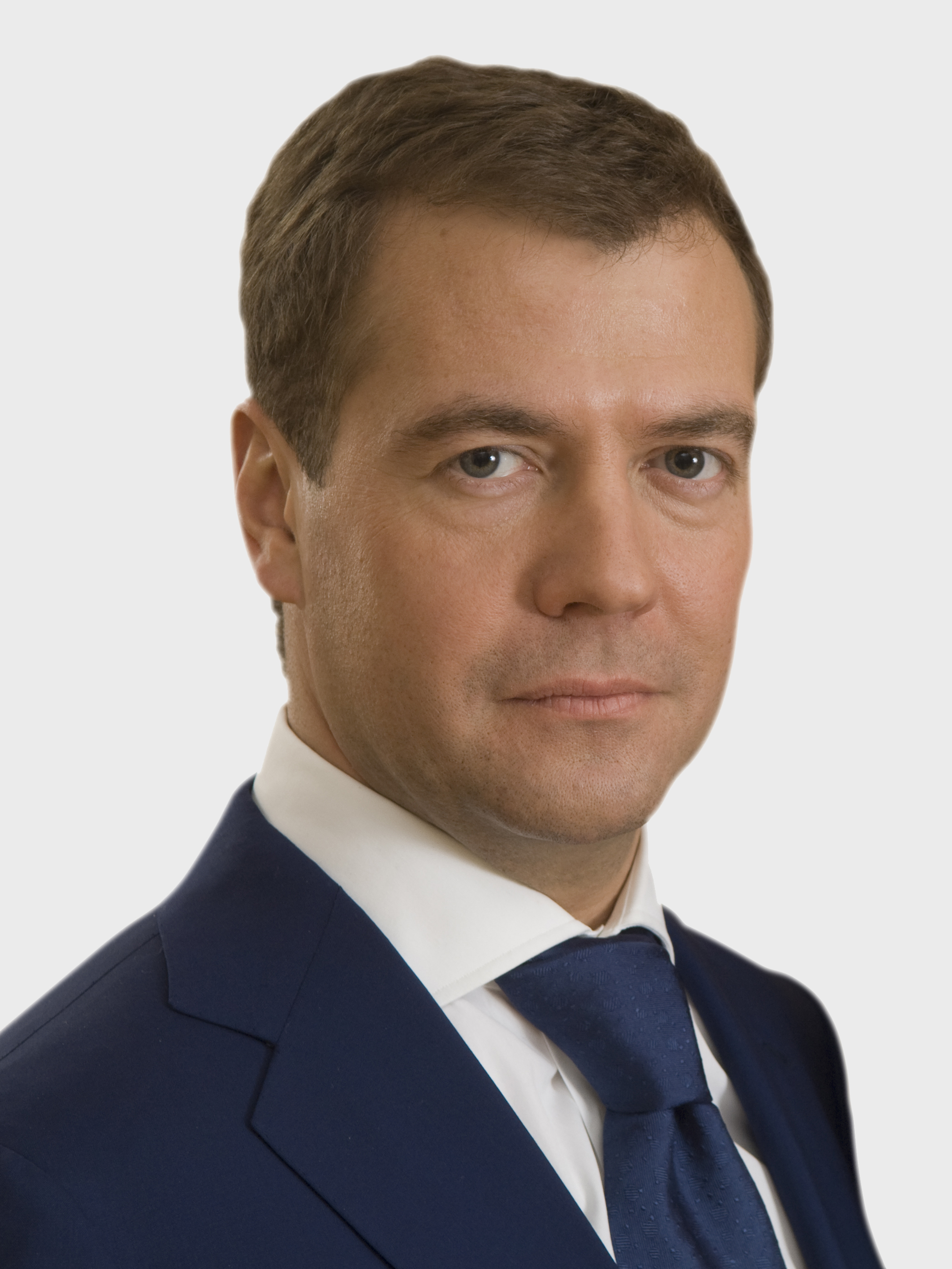
Dmitry Medvedev has told Donald Trump, in public, exactly which two officials to call if he wants Volodymyr Zelenskyy dealt with. In a long post published on the Russian platform Max on Sunday, October 25, the former Russian president and current deputy chairman of Russia’s Security Council urged the American president to summon the Secretary of War and the director of the CIA and instruct them to take care of what he called an “unfortunate little problem” — adding, in the translation carried by British reporting, that “the how, where and by what means are irrelevant.” British and American outlets, from the Daily Mail and The Sun to The Daily Beast, read the post for what it appears to invite: an American-ordered assassination of Ukraine’s president. Medvedev himself never used that word. What he wrote was quite deliberate enough without it, and it landed days before Ukraine, Russia and the United States are due to sit down for a new round of trilateral peace talks in November.
Track it live: Ukraine war map · Live Global Wars tracker
What Medvedev actually wrote
The post is a list of grievances dressed as advice. Medvedev argued that Zelenskyy does more damage to Trump’s real interests than the fallout from Trump’s disputes with Venezuela, Cuba and Iran combined. He accused the Ukrainian president — in insults that reporting has translated variously as a “festering green parasite,” a “twitchy little bloodsucker” and a “fat green fly” — of holding a major grudge against Trump, of being openly disrespectful to his administration, of pestering Washington for money and weapons, of turning European leaders against the White House, and of rejecting every proposal to end the war. Then came the passage that carried the post around the world. “American history itself offers a solution,” he wrote. “All he has to do is summon the secretary of war and the CIA director and tell them to take care of this ‘unfortunate little problem.’ … The how, where and by what means are irrelevant.” A second translation, published by RBC-Ukraine, renders the same passage as an instruction to “correct this unfortunate misunderstanding,” with “the method, place, and manner” not mattering. The wording differs by translator; the meaning readers took from it does not.
Two things in the post need to be stated plainly, because Medvedev’s framing depends on blurring them. First, his factual allegations — that Zelenskyy and his circle misappropriated American aid, and that Ukraine’s leadership deliberately tried to drag the United States and NATO into a nuclear confrontation — were published without evidence, and no evidence accompanied them in any of the reporting. They are claims by a senior official of the country invading Ukraine, made in a post whose purpose is to poison a relationship. Second, this was a social-media post by Medvedev personally, not a Kremlin policy statement, and no endorsement of it by President Vladimir Putin or his spokesman had been reported when it spread. RBC-Ukraine reported that Washington, Kyiv and the CIA had not responded. That silence is itself part of the story, and it is where the post’s real function becomes clear.
Why this matters
Medvedev has spent the years since Russia’s full-scale invasion as the Kremlin system’s licensed provocateur — the senior figure who says the things the foreign ministry cannot, from nuclear threats against European capitals to contempt for Western leaders by name. Most of his posts are aimed at frightening Europe. This one is aimed somewhere else entirely: at the single relationship on which Ukraine’s war effort depends, at the exact moment that relationship is already strained. In the past two weeks Trump has said Zelenskyy should have settled the war long ago, suggested it may be time for him to “get somebody else to negotiate,” struck a diesel deal with Russia that Kyiv publicly blasted as a gift to Putin, and presided over disputes about delayed air-defence interceptors and throttled satellite coverage — a rift we have been reporting as it widened, including in Zelenskyy’s attack on the diesel deal and the visit of Ukrainian negotiators to Washington. Medvedev’s post slots directly into that crack. It does not ask Trump to do anything Moscow expects him to do. It tells Trump’s own supporters, in Trump’s own idiom, that Zelenskyy is humiliating their president — and then it names the machinery of the American state as the remedy.
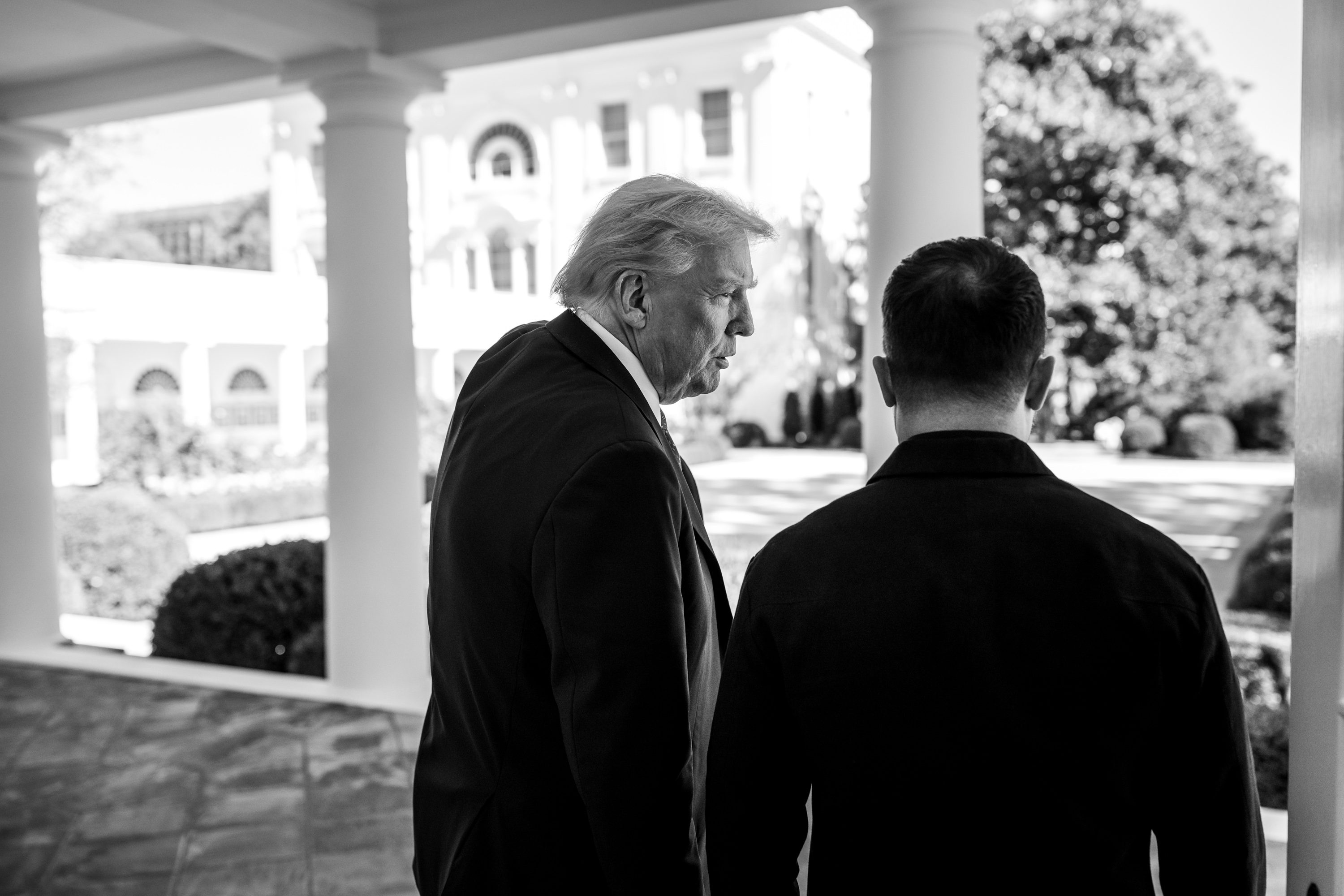
That is why the post matters more than its author’s usual theatre. A call like this, from a former Russian president, does three kinds of work at once. For Moscow, it normalises the idea that Ukraine’s elected leader is a problem to be “corrected” rather than a counterpart to be negotiated with — days before talks in which, as Zelenskyy himself has put it, territorial questions can only be settled at leadership level. For Washington’s domestic argument, it hands every critic of continued aid a Russian-endorsed version of their case, gift-wrapped in anti-Zelenskyy language. And for Kyiv, it raises the personal stakes around a president who has already survived, on Ukrainian officials’ past accounts, multiple Russian attempts on his life in the war’s first year: the suggestion is no longer only that Russia might act, but that America should. Each audience is meant to hear it slightly differently, which is the mark of a post written to travel — and travel it has, through Ukraine’s own media, Russia’s, Britain’s tabloids and America’s overnight press within a day.
The timing is the argument
Nothing about the date is accidental. Ukraine, Russia and the United States have agreed in principle to resume trilateral talks in November — the framework covered in our reporting on the November trilateral track — after Steve Witkoff’s shuttle between Oslo and St. Petersburg, where Putin freed the detained American teacher Stephen Hubbard. Zelenskyy said on Ukrainian television on Sunday that the November meeting can take up technical questions through working groups, but that territory “must be addressed at a leadership level.” A negotiation whose hardest question can only be settled by Zelenskyy personally is a negotiation Medvedev’s post is designed to devalue in advance: if Washington can be persuaded that Zelenskyy is the obstacle rather than the interlocutor, then every Ukrainian refusal at the table becomes, in the telling Moscow wants, one man’s vanity rather than a country’s position. The post is best read as an opening brief against the talks, filed in public, in the opposing capital’s language.
How we got here
Medvedev’s reinvention is one of the stranger arcs of the war. The man who held the presidency from 2008 to 2012 as Putin’s placeholder, and who was once photographed as the modernising, iPhone-carrying face of a more liberal Russia, has since 2022 built a second career on escalation rhetoric — threatening nuclear strikes, celebrating missile attacks and insulting Western leaders in terms no serving foreign minister could use. Analysts who follow his channels treat the posts as sanctioned venting rather than policy: they mark the outer edge of what the Russian state is willing to have said, while the Kremlin keeps formal distance. Sunday’s post follows that pattern, but with a new target discipline. Earlier posts threatened Europeans with consequences from Russia. This one invites consequences for Zelenskyy from America — a shift from deterrence to wedge-driving that reflects how completely the war’s diplomatic centre of gravity has moved to Washington. It also follows a week in which Ukraine’s long-range strikes on Russian energy and defence plants — the campaign behind Kyiv’s refusal to stop hitting refineries, which Medvedev lists among Zelenskyy’s offences — have given Moscow a fresh reason to argue that the Ukrainian leader, personally, is the escalation risk in the room.
Who gains, who loses — and what critics say
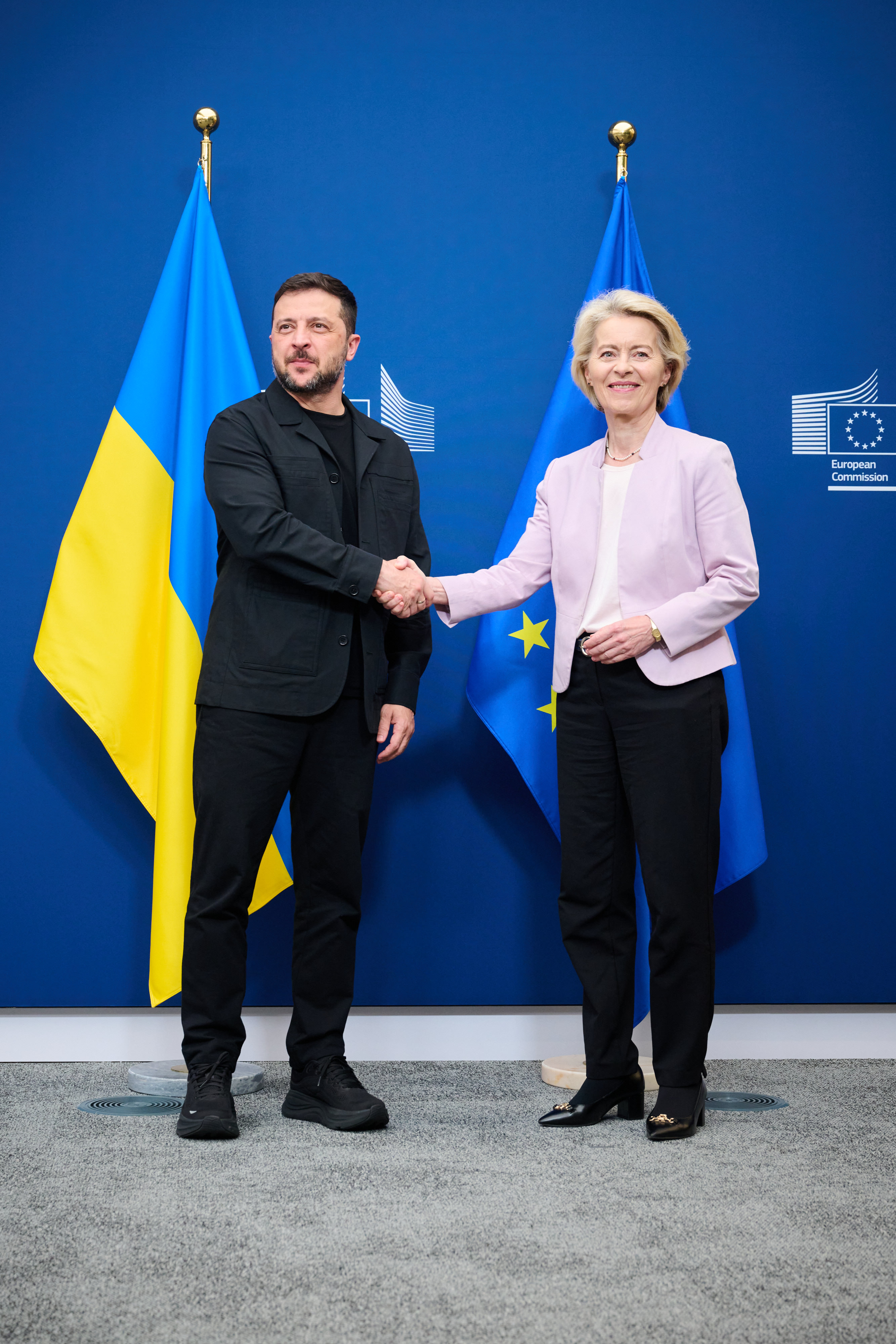
On a narrow reading, Moscow gains if the post is even half-believed in Washington: it costs nothing, it cannot be walked back by the Kremlin because the Kremlin never said it, and it reinforces the argument — already heard from the White House itself this month — that the talks are stuck because of one man in Kyiv. Kyiv loses either way it responds. A furious reply elevates a social-media post into a diplomatic incident; silence lets the framing stand unchallenged in the American news cycle. European governments, cast in the post as Zelenskyy’s manipulated chorus, lose a little standing in Washington each time the suggestion is repeated. The clearest losers, though, may be the November talks themselves: a process that requires all three capitals to treat each other’s leaders as legitimate counterparts does not benefit from a former Russian president publicly inviting one counterpart to eliminate another. Critics of Medvedev in Ukraine and the West made the obvious point within hours — that a state which has spent four years trying to decapitate Ukraine’s government by force is now asking Ukraine’s main backer to finish the job — while defenders of the post in Russian media presented it as a joke in the register Medvedev often uses. The translations leave room for that argument about tone. They leave very little room about the officials named, or about what “the method does not matter” is doing in the sentence.
What happens next
The immediate test is whether anyone in authority touches it. If the White House is asked about the post and brushes it aside, the episode closes as rhetoric; if any senior American voice repeats its premise — that Zelenskyy himself is the problem — Moscow will count the post a success regardless of the CIA line’s fate. Kyiv’s likely course is the one it has taken with Medvedev before: treat him as a propagandist beneath presidential reply, and let the foreign ministry or Ukrainian media carry the rebuttal. The larger question rides on November. The trilateral talks are supposed to move from technical groups to leaders on the questions only leaders can settle. Medvedev has now told the world, in advance, that his side’s second-most-senior security official regards one of those leaders as a problem to be corrected by foreign intelligence services. Whether that is bluff, positioning or genuine preference, every delegation in the room will have read it — and the man it targets will be sitting at the table, which is precisely the point of having written it.
Sources
Dmitry Medvedev, post on the Max platform, October 25, 2026 (the primary source: the grievance list against Zelenskyy, the Venezuela/Cuba/Iran comparison, and the instruction to summon the Secretary of War and the CIA director; wording as translated in the reporting below). RBC-Ukraine, reporting on the post, October 2026, via subsequent reporting citing its translation (“correct this unfortunate misunderstanding”; “the method, place, and manner do not matter”; grievances including refinery strikes and alleged misuse of US aid; no response from Washington, Kyiv or the CIA). The Moscow Times, reporting on the post, October 2026 (independent Russian-language confirmation of the post and its contents). Daily Mail, “Former Russian President Medvedev tells Trump to ASSASSINATE Zelensky for ‘damaging his interests’,” October 25, 2026 — via syndication (the “take care of this ‘unfortunate little problem’” translation, the “festering green parasite” and “twitchy little bloodsucker” insults, and the Venezuela/Cuba/Iran comparison). The Daily Beast, “Putin Goon Issues Bloodthirsty Plea to Trump,” October 26, 2026 — via Opera News syndication (American confirmation and interpretation of the post). The Sun, Ukraine war reporting, October 26, 2026 — thesun.co.uk (independent British confirmation of the Medvedev call in its October 26 war coverage). Ukraine Brief, “Medvedev urges Trump to use Pentagon and CIA to remove Zelenskyy,” October 26, 2026 — ukrainebrief.com (fullest single rendering of the post’s argument). Reuters, October 21, 2026, and Washington Examiner, October 2026 (background: the agreed-in-principle November trilateral talks and Zelenskyy’s Hudson Institute and Ukrainian-television remarks on leadership-level territorial questions). Al Jazeera and Washington Examiner, October 19-20, 2026 (background: Trump’s “somebody else to negotiate” remarks outside the White House).