Ukrainian negotiators visit US
Ukrainian negotiators visit USZelensky urges Trump pressure RussiaUkraine US talks FridayUkraine peace talks 2026Zelensky Pryluky visitUkraine Russia ceasefire negotiationsTrump Ukraine security guaranteesWitkoff Kushner Ukraine envoys
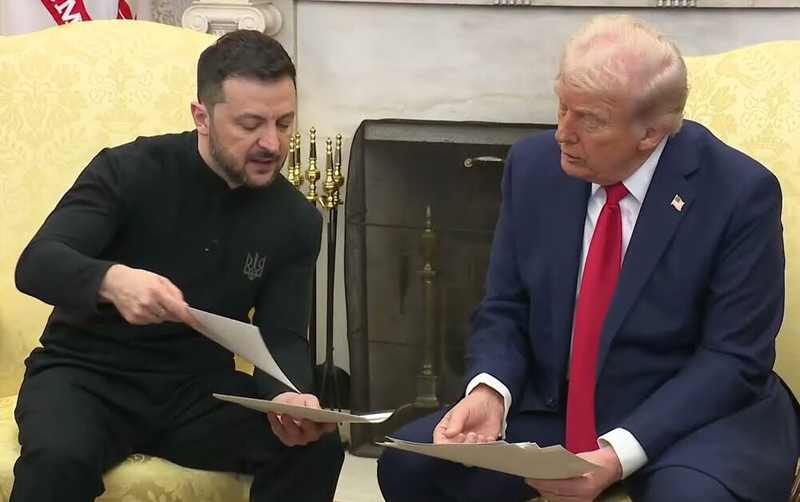
PRYLUKY, Ukraine — Ukrainian negotiators visit US officials on Friday and Saturday for another attempt to move a stalled diplomatic process, President Volodymyr Zelenskyy said Thursday during a visit to Pryluky. He publicly urged President Donald Trump to apply more pressure on Russia and questioned the logic of pursuing economic arrangements with Moscow while describing diplomacy as blocked.
“One cannot, on the one hand, negotiate with the Russians about future economic projects, whilst on the other hand say that we find ourselves in some sort of... diplomatic stalemate.”
President Volodymyr Zelenskyy, speaking in Pryluky, as reported by Reuters
Reuters reported the timing of the visit but did not specify where in the United States the meetings will occur. Zelenskyy's statement also did not, in the cited report, announce a breakthrough, a signed agenda or confirmed Russian participation in the Friday-Saturday discussions. Those omissions matter: this is an effort to shape the next round, not evidence that the central disputes have narrowed.
Why this matters
Zelensky urges Trump pressure Russia at a sensitive point in the process
The immediate significance is that Kyiv is taking its case directly to the administration that has the most leverage over both the scale of Western support and the architecture of any U.S.-brokered talks. Zelensky's appeal links two tracks that Washington may prefer to manage separately: negotiations over ending the war, and possible future economic engagement with Russia.
For Ukraine, pressure is a way to try to prevent diplomacy from becoming a timetable for concessions. For the Trump administration, keeping economic channels open could be presented as leverage or as an incentive for a settlement. For Russia, parallel economic discussions may offer a reason to remain engaged even while its territorial demands remain unacceptable to Kyiv. Each side therefore sees the same diplomatic machinery differently.
The trip also tests whether the parties can turn recurring contact into decisions. Meetings can reduce the risk of misunderstanding, clarify red lines and prepare technical work. They can also become a substitute for political choices when the core questions — territory, enforcement, sanctions and security guarantees — remain unresolved.
From the Zelensky Pryluky visit to the US negotiating table
The Ukraine US talks Friday follow a deadly attack and a public appeal
Zelensky spoke during a visit to Pryluky after a deadly Russian attack there, according to Reuters. The setting gave his diplomatic message a wartime frame: negotiations were being discussed not in abstraction, but against the continued human cost of the conflict. Signal Post News is not independently confirming details of the Pryluky attack in this article; the point relevant to the diplomatic story is the context in which he made the remarks.
The schedule is precise — Friday, October 9, and Saturday, October 10 — but the substance is less defined publicly. Reuters reported that Ukrainian negotiators would travel to the United States. It did not report a meeting city, and this article does not infer one. It also did not identify a final package ready for signature.
Ukraine peace talks 2026: Abu Dhabi, Geneva and another proposed format
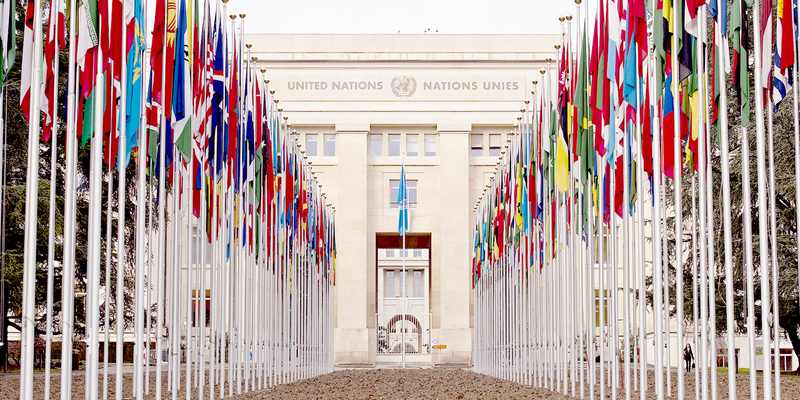
The coming meetings follow U.S.-brokered rounds in Abu Dhabi and Geneva in January and February 2026. Those contacts established a pattern of repeated engagement, but the persistence of war and incompatible territorial positions shows the limits of process alone. A negotiating channel can remain active while the military contest and political demands remain far apart.
EA WorldView reported that the United States had proposed a trilateral meeting with Ukraine and Russia in the United Arab Emirates by the end of October. Devdiscourse also reported Zelenskyy's account of a proposed three-party format in the UAE. The proposal is best understood as a possible next step rather than a confirmed summit: venue, participation and terms would still require agreement.
What each side wants — and where the talks could break
Ukraine Russia ceasefire negotiations still face a territorial wall
Russia has stated a demand for full control of the Donbas. Ukraine refuses to cede territory. Those are not drafting differences; they go to sovereignty, security and the domestic legitimacy of any settlement. A ceasefire can freeze a line without settling legal ownership, but even that approach raises disputes over monitoring, violations, force posture and whether a pause would become permanent.
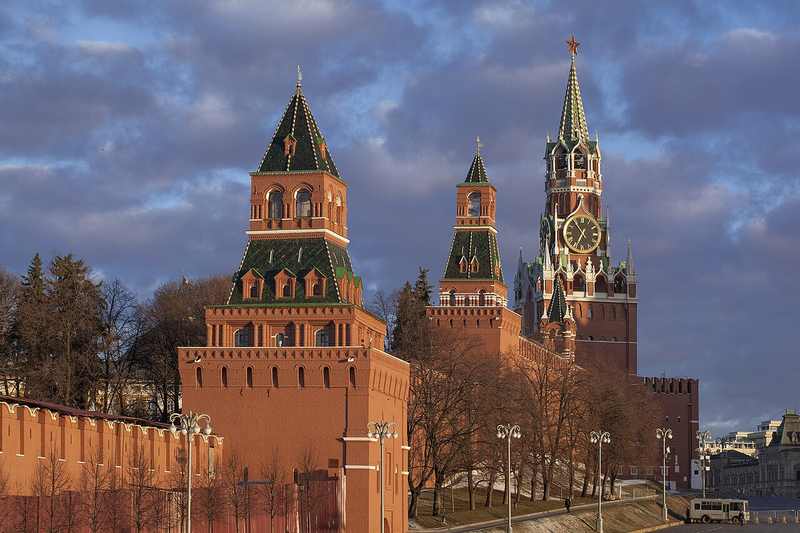
Moscow's stated rationale is that control of the territory it claims is central to its war aims and its security conception. Kyiv's stated rationale is that compelled territorial surrender would reward force, leave citizens under occupation and create a precedent for another attack. Neutral analysis requires holding both stated positions in view while recognizing that their legal and political foundations are sharply contested.
Trump Ukraine security guarantees and the enforcement problem
For Kyiv, a ceasefire without credible security guarantees could be a pause rather than an end. The phrase Trump Ukraine security guarantees therefore covers the hardest practical questions: who would monitor a line, what would happen after a breach, how quickly support could resume, and whether guarantees would survive changes in political leadership.
For Washington, an enforceable framework would have to balance deterrence against the danger of open-ended commitment. For Moscow, Western-backed guarantees can be portrayed as embedding Ukraine more deeply in a hostile security structure. The negotiating challenge is to design obligations that are strong enough to reassure Ukraine, limited enough for the United States to sustain and acceptable enough for Russia to sign.
Witkoff Kushner Ukraine envoys and the value of parallel channels
EA WorldView identified Steve Witkoff and Jared Kushner as envoys in the diplomatic effort. The Witkoff Kushner Ukraine envoys channel could give the White House a direct line for testing proposals and sequencing incentives. Direct access can accelerate decisions; critics may also worry that a compact channel reduces transparency or sidelines institutions with technical expertise.
That tension is not unique to this war. Leader-driven diplomacy can break logjams, but agreements survive only when military, legal, economic and monitoring details are translated into institutions. A small negotiating team can open the door. It cannot, by itself, supply the enforcement architecture behind it.
Who benefits, who loses and what critics will watch
Kyiv gains access; Washington gains leverage; Moscow gains options
Ukraine benefits if the visit keeps its priorities at the center of U.S. policy and produces clearer commitments. The United States benefits if it can convene the parties and show that its economic and security leverage can generate movement. Russia benefits from any process that offers sanctions relief, economic opportunity or recognition of its role without requiring an immediate reversal of its battlefield position.
The potential losers are equally visible. Ukraine loses if urgency for a deal becomes pressure for unilateral territorial concessions. Russia loses if talks become a vehicle for coordinated new pressure without reciprocal incentives. The United States loses credibility if it promises a trilateral process that never materializes or offers guarantees it cannot enforce.
Critics of Trump's parallel economic discussions with Russia are likely to argue that prospective projects reward Moscow before a settlement. Defenders may counter that incentives are a standard negotiating tool and that refusing to discuss a postwar economic relationship removes leverage. Zelensky's quoted criticism directly challenges Washington to explain how the economic and diplomatic tracks fit together.
The numbers: a short timetable against a long list of disputes
Two days of talks, three proposed parties, four central problem sets
The public timetable can be reduced to two days of U.S. meetings and a reported goal of a three-party session by the end of October. But at least four broad problem sets sit beneath those numbers: territory, ceasefire monitoring, security guarantees and economic or sanctions arrangements. Each contains multiple decisions that normally require legal text, technical plans and political approval.
This is why meeting counts are a poor measure of progress. A single session that resolves sequencing may matter more than several rounds that restate positions. Conversely, a busy diplomatic calendar can create an appearance of momentum while leaving the underlying gap untouched. The meaningful data points after Saturday will be changes in stated positions, agreement on a format and evidence of concrete follow-up.
What happens next
Three scenarios after the Friday and Saturday meetings
Scenario one: a trilateral track takes shape. The U.S. and Ukrainian teams agree on an agenda, and Russia accepts further discussions by the end of October. That would be procedural progress, not a peace agreement, but it could create working groups on ceasefire mechanics and economic sequencing.
Scenario two: bilateral coordination improves without Russian participation. Kyiv and Washington could clarify shared positions on security guarantees and pressure tools while the proposed three-party format remains unconfirmed. That outcome would strengthen coordination but could also harden opposing camps.
Scenario three: talks expose a widening gap. If Washington prioritizes economic engagement or rapid compromise while Kyiv holds firm on territory, the visit could end with public disagreement. Russia might then wait for further pressure on Ukraine rather than modify its own demands.
The prudent reading is neither breakthrough nor failure in advance. Zelensky has announced a visit and made a pointed public appeal. The test comes after the meetings: whether the parties publish a shared next step, whether Russia accepts a format, and whether any proposal addresses enforcement rather than relying on broad political assurances.
Sources and verification
The timing and quotation are attributed to Zelensky's public statement as reported by Reuters. The proposed trilateral format and envoy details are attributed to EA WorldView and Devdiscourse. No U.S. meeting location is stated because the cited reporting did not provide one.
- Reuters, October 8, 2026 — Zelensky's announcement, Friday-Saturday timing, Pryluky remarks and call for greater pressure on Russia.
- EA WorldView — context on prior rounds, the proposed trilateral meeting and U.S. envoys.
- Devdiscourse — additional reporting on Zelensky's account of the proposed UAE format.