Iraq Turkey oil gas agreement
What Ankara and Baghdad agreed to negotiate
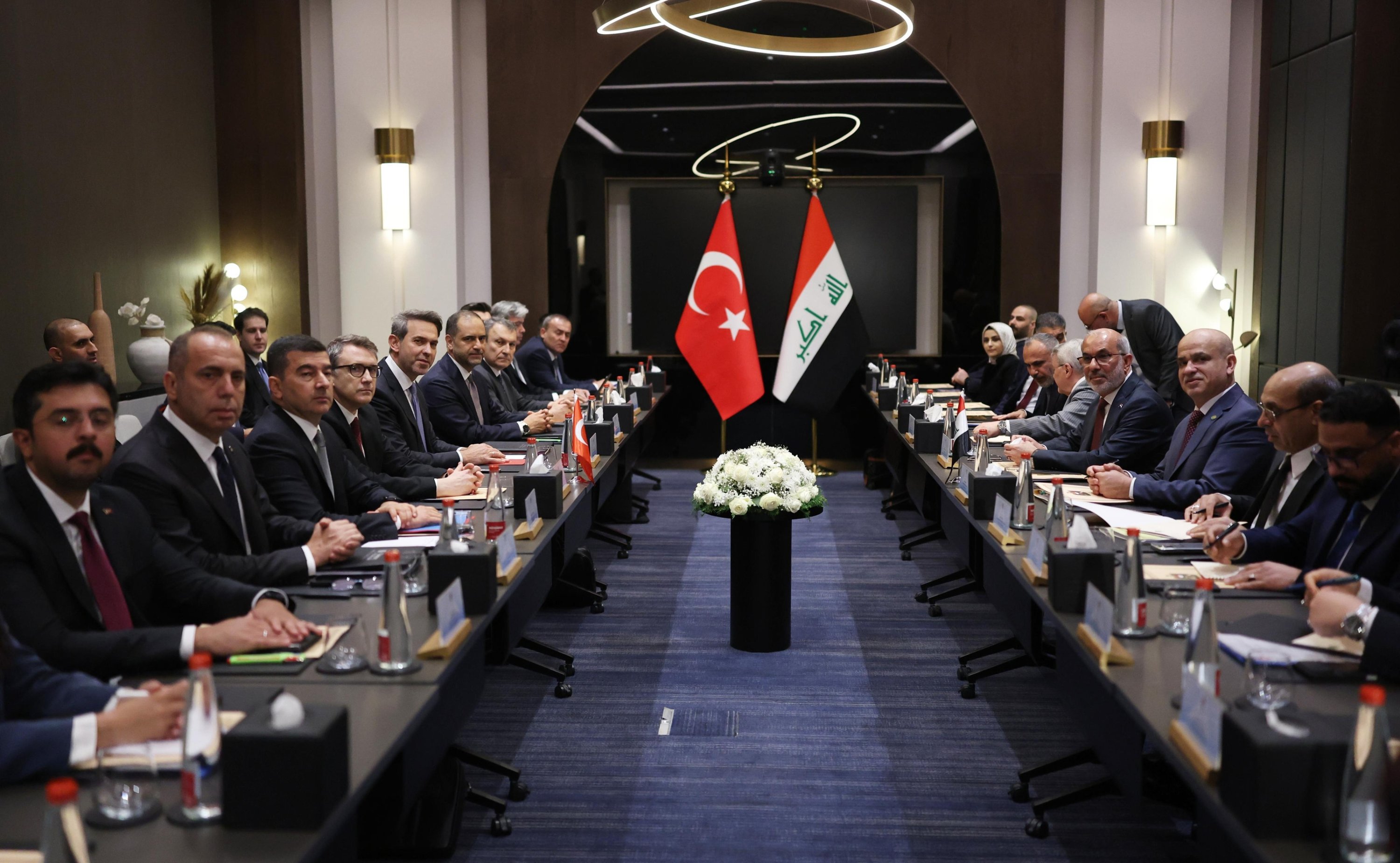
Iraq’s Oil Ministry described the October 2 session as the first expanded meeting to formally open negotiations on a long-term framework. The breadth is deliberate. Bayraktar said joint working groups would cover oil and gas infrastructure, exploration and production, oil trade, refining, petrochemicals and electricity. The parties also created two technical committees: one for investment in oilfields and another for oil infrastructure.
That structure gives the talks a practical test. A declaration of partnership is easy; field terms, tariffs, quality specifications, pumping obligations, financing and dispute resolution are not. The committees must translate ministerial ambition into projects that companies can price and governments can enforce. For the Iraq Turkey framework agreement 2026 process, their first work products will matter more than the ceremony.
The Iraq Türkiye energy deal starts with an interim bridge
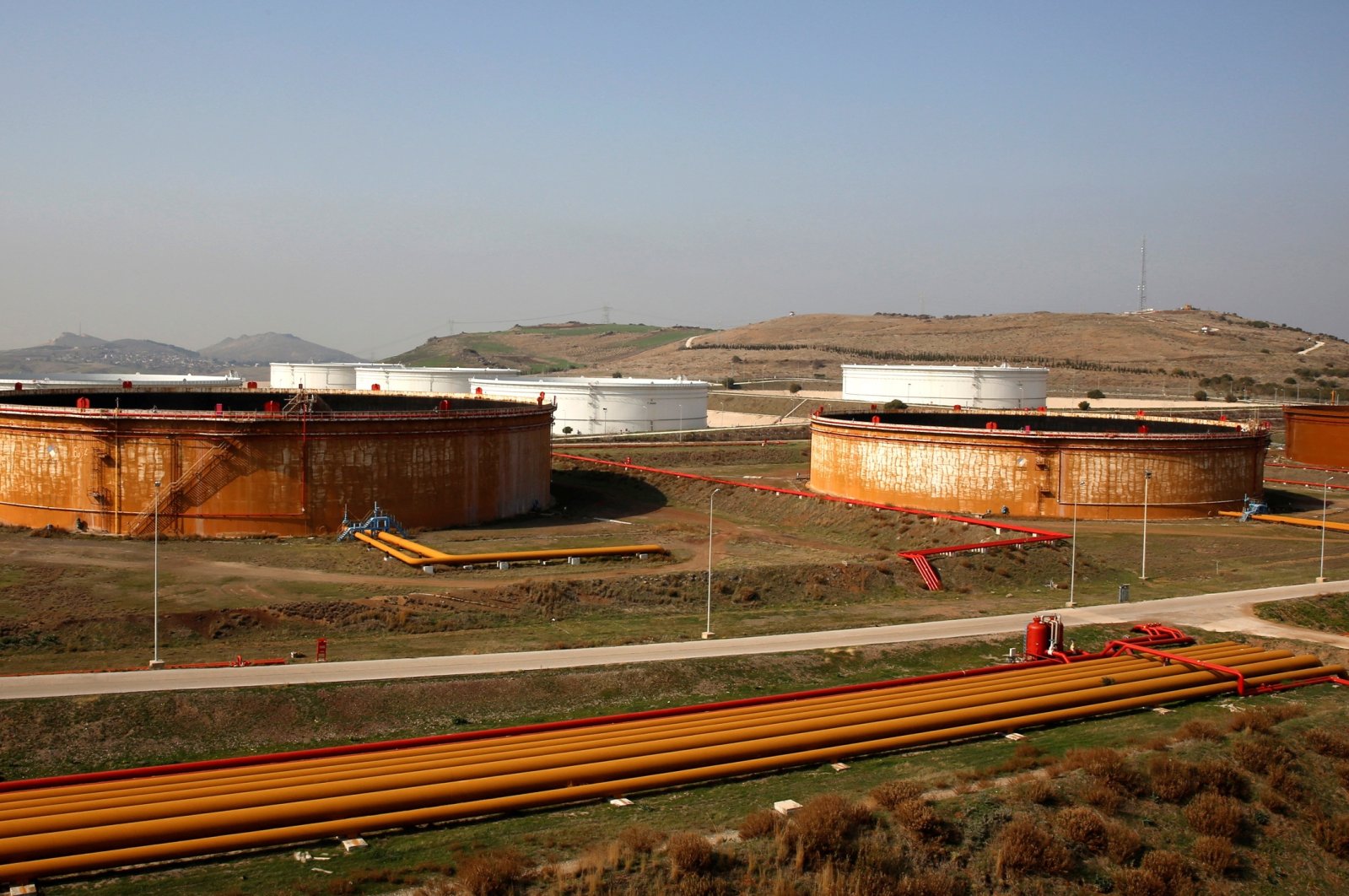
The new negotiation rests on an agreement already signed. On August 1, state pipeline operator BOTAŞ, Iraq’s State Organization for Marketing of Oil, or SOMO, and North Oil Company signed a one-year arrangement allocating at least 750,000 barrels a day through the Iraq–Türkiye pipeline to the port of Ceyhan. The BOTAŞ SOMO oil deal is a bridge: keep crude moving while the governments bargain over a wider and longer-lived system.
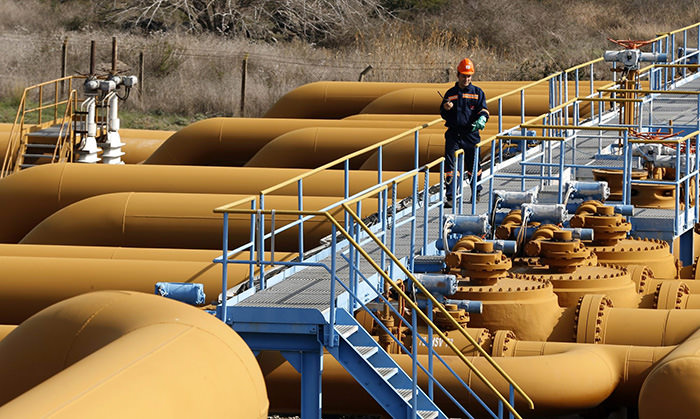
The allocation is ambitious because it is not the same as actual throughput. The two-line network has a nameplate capacity of roughly 1.5 million bpd, but Turkish data put recent flows around 170,000 bpd. That gap is the central fact of the negotiation. It means the route has enormous spare physical capacity, but it also shows that politics, field output, commercial terms and security can matter more than pipe diameter.
Why this matters now
For most of the modern oil era, Iraq’s scale was also its vulnerability. More than 3.3 million barrels a day normally left through southern Gulf terminals, making the country heavily dependent on a maritime route exposed to the Strait of Hormuz. The northern line to Ceyhan is Iraq’s only active crude-export outlet outside those terminals. A working second corridor does not replace the south; it changes the cost of a disruption there.
That insurance is being assembled during the U.S.–Iran war energy crisis, not in a quiet planning cycle. The International Energy Agency has released 325 million of 400 million pledged emergency barrels, while the G7 agreed on October 3 to release a further 100 million barrels of diesel and crude. Those interventions are extraordinary, but they buy time rather than create permanent transport capacity. A reliable land route to the Mediterranean would do something stock releases cannot: alter the geography of supply.
Diesel is the acute pressure point. Ukraine’s strikes on Russian refineries have tightened an already stressed global middle-distillate market, while conflict around Hormuz raises freight, insurance and availability risks. Our analysis of the G7 release of European diesel reserves explains why refiners cannot treat spare crude as an immediate substitute for finished fuel. A northern Iraqi barrel reaching Ceyhan would still need to be processed, but it would arrive on the Mediterranean side of the chokepoint.
A Hormuz alternative oil route—if the engineering follows
Ankara is pitching a larger project: extend the Kirkuk–Ceyhan system south to Basra, raise capacity and offer Gulf producers a stronger alternative to Hormuz. The strategic logic resembles the UAE’s Abu Dhabi–Fujairah bypass, which moves crude to an export point outside the strait. But the Iraqi version would be longer, costlier and politically more complex because it would cross the country and plug southern production into a northern corridor.
The caution is essential: Baghdad’s October 2 statement did not endorse the Basra extension, approve financing or set a construction timetable. The Basra Ceyhan pipeline extension is a Turkish proposal discussed in the diplomacy around the meeting, not a joint commitment. Treating it as a settled project would confuse Ankara’s desired end state with the agreement actually under negotiation.
How the Kirkuk-Ceyhan pipeline became strategic again
The route is not new. Iraq and Türkiye have managed crude transport under a decades-old bilateral arrangement, with northern fields feeding pipelines across the border to Ceyhan. Its strategic value rose and fell with wars, sanctions, sabotage, maintenance and the balance of power among Baghdad, Ankara and the Kurdistan Regional Government.
The most recent rupture lasted two and a half years. Exports stopped in 2023 after an international arbitration dispute over crude marketed independently by the Kurdistan Region. The shutdown stranded northern production and exposed unresolved questions: who controls the oil, who receives the revenue, who signs contracts, and who bears legal liability when federal and regional claims collide. Limited flows resumed in September 2025, but reopening steel did not settle the politics running through it.
That history explains why Baghdad is careful. Iraq oil exports via Turkey offer diversification and cash, but the route also gives Ankara transit leverage and places Kurdistan Region equities inside a bilateral state-to-state bargain. Producers in the region need predictable payments and contract recognition; Baghdad wants federal control over exports; Türkiye wants throughput and legal certainty. A durable agreement must align all three, not merely set a target at a ministerial meeting.
What the numbers really say
750,000 bpd is meaningful—but it is not yet flowing
The interim target equals roughly 23% of Iraq’s normal 3.3-million-plus-bpd exports through southern terminals. If achieved, it would be large enough to diversify revenue materially, supply Mediterranean refineries and give Baghdad bargaining power during a Gulf disruption. It is also only half the system’s 1.5-million-bpd nameplate, leaving room for future growth on paper.
But the starting point is approximately 170,000 bpd. Reaching 750,000 means adding about 580,000 bpd—more than quadrupling the recent flow. Baghdad therefore owns the barrels and the diversification need, while Ankara owns the transit infrastructure and Mediterranean outlet. Each has leverage; neither can produce the headline volume alone. The shortfall strengthens Türkiye’s case for investment while giving Iraq grounds to demand firm performance terms before surrendering long-term flexibility.
The emergency-stock comparison adds perspective. At 750,000 bpd, the corridor would move 22.5 million barrels in a 30-day month. The IEA’s 325-million-barrel release is equivalent to more than fourteen such months. Yet emergency stocks are finite and one-time; pipeline capacity can move crude every day for years. The proposed corridor is smaller than the crisis response in the short run and potentially far more consequential over the long run.
Who gains, who resists and where the leverage lies
Iraq energy cooperation Turkey: the winners
Baghdad gains export resilience and a second pricing outlet. Fewer barrels hostage to southern terminals means less fiscal exposure to a single maritime chokepoint. Ankara gains transit revenue, infrastructure utilization and a stronger claim to be the energy hub between Middle Eastern producers and European buyers. European refiners gain access to Iraqi crude delivered into the Mediterranean, reducing sailing time and the operational risk attached to Hormuz.
Turkish contractors and Turkish Petroleum could also benefit if the oilfield-investment committee produces service or equity opportunities inside Iraq. The wide agenda—upstream production, trade, refining, petrochemicals and electricity—allows both governments to package concessions across sectors rather than fight over one transit tariff.
The stakeholders with reasons to push back
The Kurdistan Region has the most immediate concern. A framework that centralizes sales and transport without protecting producer contracts and revenue transfers could turn the pipeline into another instrument of federal pressure. Gulf producers may be cautious about helping create a competing outlet that shifts commercial influence north. Iran has a broader strategic reason to dislike any corridor designed explicitly to reduce the leverage conferred by Hormuz.
Critics also point to asymmetry. Iraq needs dependable diversification urgently; Türkiye can wait while collecting political and commercial concessions. Baghdad’s silence on the Basra proposal may therefore be strategic rather than indecisive. It preserves options—Ceyhan, a possible Syrian route to Baniyas, and other corridors—while the technical committees test what Ankara will actually finance and guarantee.
The Iraq Ceyhan refinery changes the product map
A separate plan reported through SOMO in September calls for a joint refinery at Ceyhan that would process Iraqi crude for export to European markets. That is more than an add-on. A pipeline exports feedstock; a refinery exports higher-value products and can be configured for the diesel-heavy needs of nearby buyers.
If built, the Iraq Ceyhan refinery could turn Türkiye from a transit country into a processing partner and give Iraq a share of margins beyond the wellhead. It could also reduce Europe’s dependence on longer-haul diesel cargoes at a moment of severe market strain. The commercial risks are substantial: construction cost, product yields, financing, sanctions exposure and the need for stable crude supply. A refinery starved by pipeline politics would become an expensive monument to an agreement that never matured.
Three paths from Ankara
Scenario one: a framework is signed in 2027
The technical committees agree on tariffs, investment protections, volume ramps and dispute rules; Baghdad, Erbil and producers reach workable revenue arrangements; and the interim 750,000-bpd allocation becomes a staged delivery obligation. In this case, the corridor starts changing Iraq’s risk profile before any Basra extension is built. The refinery could advance as the anchor customer for dependable northern flows.
Scenario two: the pipe works, but the grand bargain shrinks
Both sides may settle for incremental throughput and project-by-project cooperation. That would still be useful. A route carrying 300,000 to 500,000 bpd reliably is strategically stronger than a nominal 1.5-million-bpd line carrying only 170,000. The Basra idea could remain on a feasibility shelf while oilfield investment and electricity links move first.
Scenario three: talks stall
Commercial terms, Kurdistan Region objections or financing disputes could freeze the framework when the one-year interim arrangement expires. In that outcome, the unused capacity becomes evidence of political constraint rather than optionality, and Baghdad keeps most of its export exposure in the south. Ankara would retain leverage over a route whose economics depend on Iraqi volumes it cannot compel.
What to watch next
The next credible signals will not be another broad communiqué. Watch for written outputs from the two committees; a schedule for moving beyond roughly 170,000 bpd; binding capacity and tariff commitments; the Kurdistan Regional Government’s response; and any financing mandate for the Ceyhan refinery. A formal feasibility study for a Basra connection would be the first sign that the Hormuz-bypass idea has crossed from advocacy into engineering.
The G7’s 100-million-barrel fuel release shows the urgency. Emergency barrels can dampen a shock. They cannot decide where the next generation of oil infrastructure runs. The Ankara talks matter because Iraq and Türkiye are attempting to answer that larger question while the cost of getting it wrong is visible every day in Hormuz and in Europe’s diesel market.
Sources
- Shafaq News via Hatha Alyoum, “Iraq, Turkiye advance draft Ceyhan oil export deal,” October 2026
- Bosphorus News, reporting on the Ankara energy talks and proposed Basra–Ceyhan extension
- Famagusta Gazette, citing Türkiye’s Energy and Natural Resources Ministry on the working groups and pipeline proposal
- Reuters via TradingView, background on northern Iraqi exports, actual throughput and the August interim agreement
- Daily Sabah, background on the bilateral pipeline agreement and September 2025 restart
- Iraq Oil Ministry statement of October 2, 2026, quoted in the Shafaq News report above.