iraq turkiye oil gas deal
What opened in Ankara
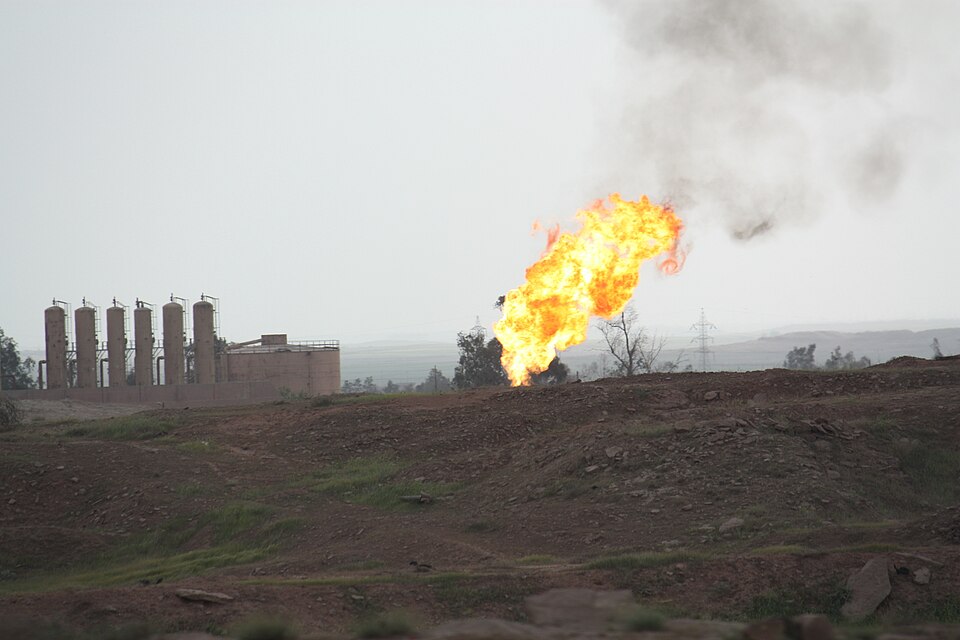
Iraqi Oil Minister Basim Mohammed Khudair al-Abadi led Baghdad’s delegation, while Turkish Energy and Natural Resources Minister Alparslan Bayraktar led the host side. According to the accounts released after the meeting, the agenda covered oil and gas infrastructure, upstream development, petrochemicals, energy trade and the mechanisms needed to coordinate a longer-term relationship. Al-Abadi called the discussion “very productive.”
The composition of the Iraqi delegation made the session more than a ceremonial visit. Deputy Minister for Extraction Naseer Aziz Jabbar attended alongside the directors general of SOMO, North Oil Company, Oil Projects Company and Oil Pipelines Company, as well as officials responsible for economics, legal affairs, contracts and petroleum licensing. That lineup brought the commercial, engineering and legal offices capable of turning a political declaration into transport terms and investable projects.
Two joint technical committees now carry the immediate burden. One will examine investment in oilfields; the other will focus on oil infrastructure. Their job is to convert a broad Iraq Turkiye framework agreement oil agenda into the details that determine whether barrels move: pipeline integrity, pumping schedules, quality rules, tariffs, metering, payment, liability and dispute resolution. The framework will be real only when those details survive contact with budgets and contracts.
Why this matters
Iraq is a major exporter with a narrow exit. Roughly 3.3 million to 3.5 million barrels a day leave the country, with the vast majority passing through southern terminals near Basra. That concentration is efficient when the Gulf is calm and dangerous when it is not. A disruption around the Strait of Hormuz could delay cargoes, raise insurance and freight costs, or restrict access to the route on which most Iraqi export revenue depends.
A dependable Iraq oil exports Turkey route would not replace Basra. It would give Baghdad options. Even a smaller northern outlet could protect a portion of revenue, improve scheduling flexibility and give SOMO another market-facing point at Ceyhan. That is the strategic difference between spare pipe on paper and a corridor operators can use during a crisis.
For Türkiye, the payoff is transit income and influence. Greater throughput would make Ceyhan more important to Mediterranean refiners and strengthen Ankara’s role between Middle Eastern producers and European buyers. For Europe, the value is diversification rather than energy independence: Iraqi crude arriving at a Mediterranean terminal avoids the long voyage from the Gulf through Hormuz and around the Arabian Peninsula.
The timing also matters because a northern Iraqi route would intersect a wider contest over chokepoints and sanctions. Signal Post News has tracked how tanker attacks around Hormuz have changed shipping risk and why Hormuz pressure can reach fuel prices far from the Gulf. Those risks do not prove a Basra–Ceyhan line will be built. They explain why Ankara is marketing the idea now and why Baghdad has reason to study it carefully.
The numbers: allocation, capacity and actual flow
The 750,000-bpd bridge
On August 1, BOTAŞ, Iraq’s State Organization for Marketing of Oil and North Oil Company signed a one-year pipeline arrangement. The Reuters-based account published by Egypt Oil & Gas described transit capacity of at least 750,000 barrels a day through the Iraq–Türkiye system to Ceyhan. The agreement followed July meetings between Turkish President Recep Tayyip Erdoğan and Iraqi Prime Minister Ali al-Zaidi and was designed to operate while the broader framework was negotiated.
That figure is commercially meaningful. At 750,000 bpd, the line could carry 22.5 million barrels in a 30-day month. Against Iraqi exports of roughly 3.3 million to 3.5 million bpd, the allocation represents around one-fifth of national export volume. Moving that much consistently would create a genuine second outlet, not a symbolic one.
But allocation is not throughput. The two-line system has a nameplate capacity of about 1.5 million bpd, while Turkish data cited in the same report put current movement around 170,000 bpd. Reaching 750,000 would require approximately 580,000 additional barrels each day—more than quadrupling the present flow. The gap reflects the central challenge: installed capacity does not by itself supply oil, settle ownership disputes, fund repairs or create bankable commercial terms.
How Kirkuk–Ceyhan became a political pipeline
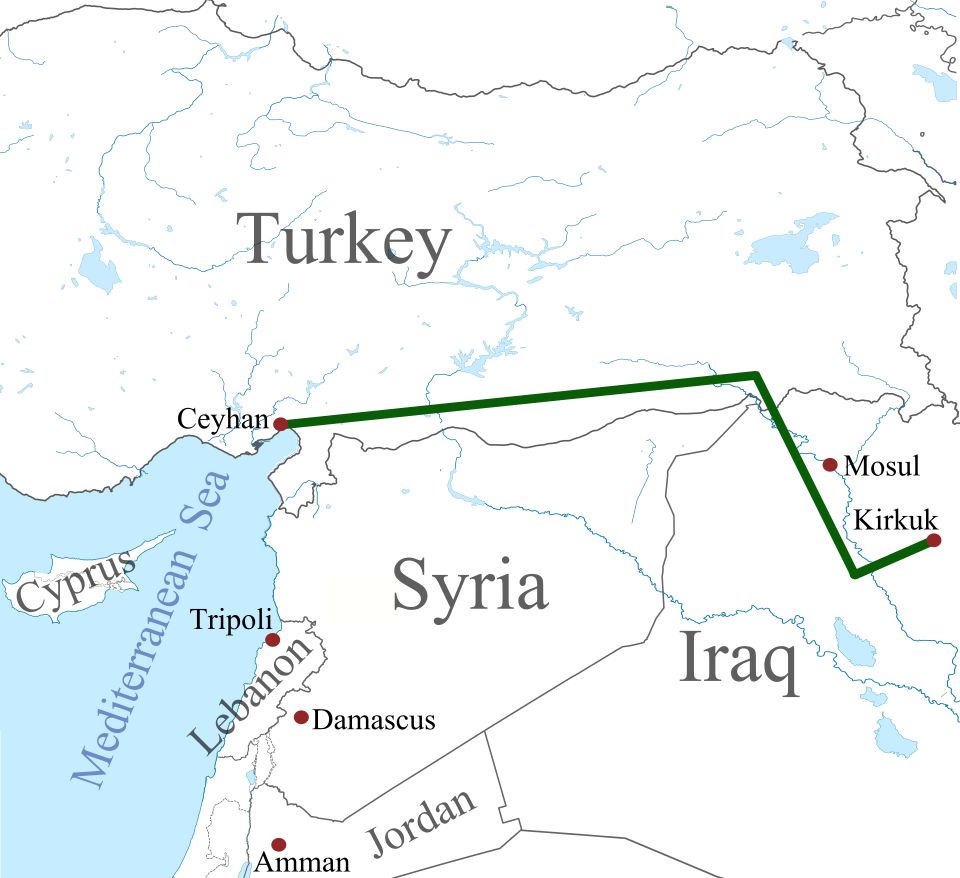
The corridor has never been only an engineering asset. It crosses borders, connects fields controlled through competing federal and regional claims, and ends at a terminal under Turkish jurisdiction. Every barrel therefore carries several negotiations at once: between Baghdad and Ankara, between Baghdad and the Kurdistan Regional Government, and between public authorities and the companies that produce, market and transport crude.
The modern rupture began in March 2023. Flows were halted after an international arbitration ruling awarded Iraq about $1.5 billion in a dispute over unauthorized Kurdish exports through Türkiye. The shutdown stranded roughly 450,000 bpd of Kurdistan Region exports and turned the line into leverage in arguments over federal authority, producer contracts, revenue sharing and transit liability.
The stoppage showed that oil can be physically available yet commercially immobile. Producers need payment assurances; SOMO needs clear title to exported crude; Baghdad insists on federal control; the Kurdistan Regional Government needs a durable revenue arrangement; and Türkiye wants protection from a repeat of the legal exposure that produced the arbitration award. A framework that ignores any one of those interests could raise flows temporarily without making them dependable.
That history also explains Baghdad’s caution. Diversification is valuable, but dependence can shift rather than disappear. Replacing near-total reliance on southern terminals with excessive reliance on a single northern transit state would create a different vulnerability. The strongest arrangement would make Ceyhan a credible second route while preserving Iraqi control over sales and limiting unilateral interruptions.
The Basra gambit: strategic logic, enormous execution risk
Bayraktar has proposed extending the Kirkuk–Ceyhan corridor south to Basra and increasing capacity, presenting it as a Strait of Hormuz alternative pipeline. The idea is easy to understand. Instead of sending southern barrels from Gulf terminals toward the strait, Iraq could move some production north overland to the Ceyhan oil export terminal and load tankers directly in the Mediterranean.
What was agreed is much narrower. Baghdad’s statement after the October 2 talks did not endorse the Basra Ceyhan pipeline proposal. It included no route, cost, financing model, capacity commitment, environmental review or timetable. The extension is Türkiye’s proposal, not a jointly approved project. Any headline that treats construction as settled runs ahead of the evidence.
The distance alone implies a major undertaking. A south-to-north connection would have to integrate high-volume fields and gathering systems, cross multiple provinces, secure pumping power, protect the line and connect reliably with the existing network. Engineers would need to determine how much of the old system can be rehabilitated, where entirely new sections are necessary and whether capacity figures refer to theoretical pipe diameter or sustained operating performance.
Financing could be even harder. A project this strategic would require clarity on ownership, transit tariffs, long-term ship-or-pay commitments and who bears cost overruns. Lenders and contractors would assess security, political changes, sanctions exposure and the legal relationship between federal exports and regional production. If governments expect private capital, they must offer contracts durable enough to survive changes in cabinets and oil prices.
Iraqi domestic politics are another gate. Southern producing provinces may support redundancy but still demand jobs, revenue and local benefits. Federal actors will resist terms that appear to hand Ankara too much control over Iraqi export infrastructure. Kurdish parties will scrutinize any framework that affects northern fields without guaranteeing contract treatment and predictable payments. A technically elegant route can stall if the distribution of money and authority is politically unacceptable.
Who benefits—and who loses leverage
Potential beneficiaries
Iraq gains resilience if Ceyhan becomes a reliable second outlet. More routing options could reduce the fiscal shock from a Gulf disruption and strengthen SOMO’s ability to schedule cargoes for different markets. Türkiye gains transit revenue, infrastructure use and geopolitical weight as an energy bridge. European refiners gain another source of Mediterranean-delivered crude at a time when governments and buyers are reassessing concentration risk.
Turkish energy companies could benefit if the oilfield-investment committee opens new projects. The Baghdad side has discussed expanding Turkish companies’ participation in Iraqi oil and gas. That does not establish specific awards, and it does not confirm any particular expansion by Turkish Petroleum. It does show why upstream access and pipeline terms are being negotiated together: concessions in one part of the relationship can unlock agreement in another.
Those whose bargaining position could weaken
The Kurdistan Regional Government could lose leverage if Baghdad and Ankara design a federal corridor that moves northern oil while narrowing Erbil’s control over marketing and revenue. Yet Kurdistan’s producers also need the line. That produces a complicated incentive: they can resist unfavorable terms, but a prolonged shutdown leaves crude stranded and investment impaired.
Iran’s strategic leverage would also be diluted at the margin by any route deliberately built to avoid Hormuz. The effect should not be exaggerated. A 750,000-bpd corridor would be important for Iraq but small relative to total flows through the strait. A future Basra connection could matter more, but only after years of engineering, finance and politics. For now, it is a signal that exposed producers are looking for alternatives.
Türkiye gains leverage as well as revenue. If Iraq relies on Ceyhan during a crisis, Ankara’s decisions about tariffs, operations and access become more consequential. Baghdad therefore has reason to insist on transparent tariff formulas, minimum availability, neutral metering and enforceable dispute mechanisms. A diversification route works only if it is dependable when political relations are strained.
What Europe sees in Ceyhan
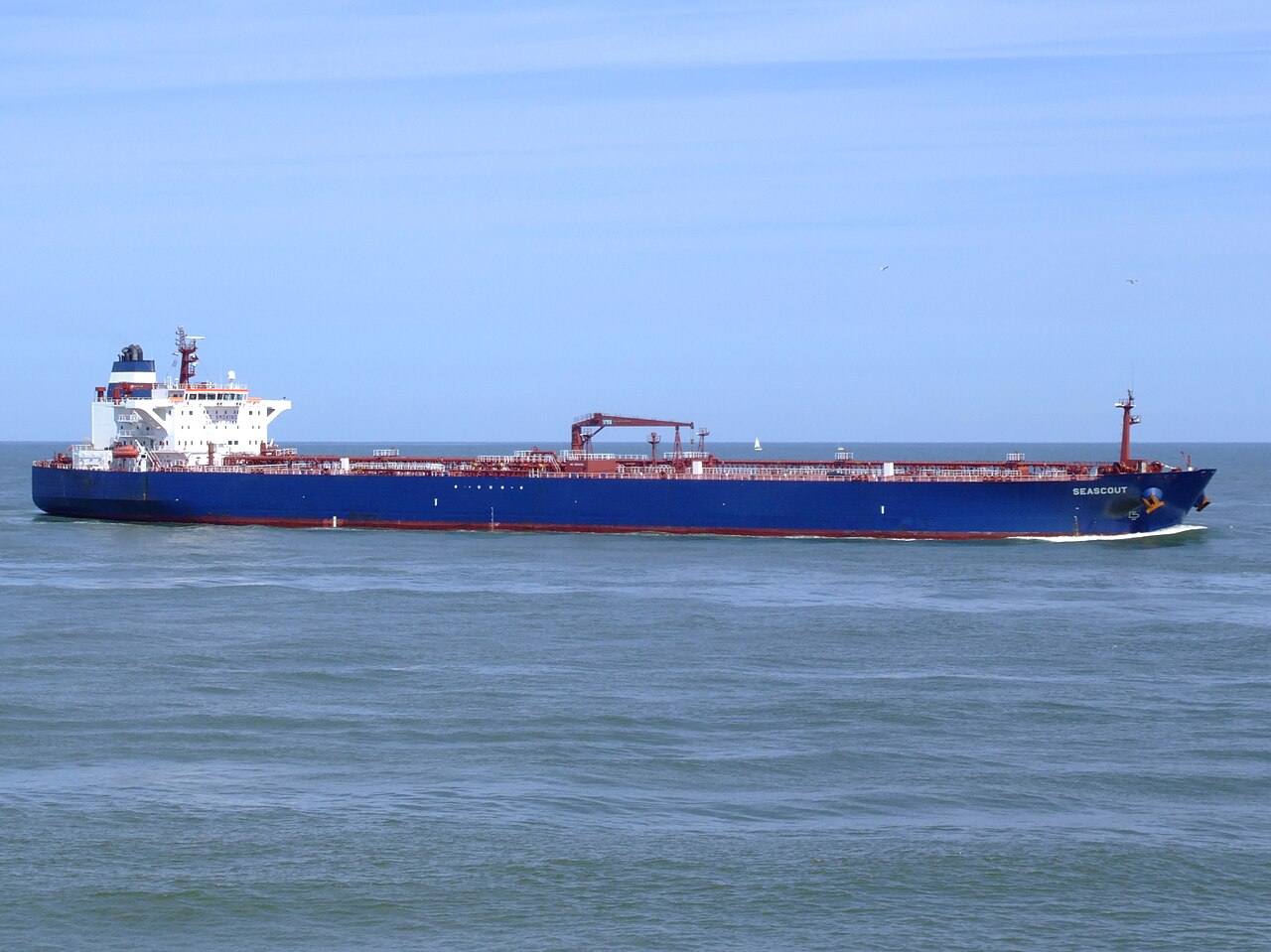
European energy security is increasingly about the route as much as the resource. A buyer may have access to ample global crude yet still face a shock when tankers are delayed, insurance premiums jump or a chokepoint becomes unsafe. Iraqi barrels at Ceyhan would arrive on the Mediterranean side of Hormuz, reducing one layer of maritime exposure.
That does not guarantee lower prices. Crude grades, refinery configuration, freight, tariffs and competition determine the delivered cost. Nor would a northern route insulate Europe from a global oil shock; prices respond to the marginal loss of supply anywhere. The narrower benefit is operational: more cargoes available from a nearby terminal give refiners options during disruption.
The same logic appears in Europe’s interest in alternative suppliers and transport networks. Our analysis of the Lukoil-linked diplomacy surrounding U.S.–Russia and Ukraine talks shows how ownership, sanctions and route security increasingly overlap. Ceyhan’s appeal is that it can diversify both origin and geography, provided the contracts remain usable during political stress.
What the two committees must solve
Oilfield investment
The upstream committee must identify which fields can supply additional volumes, on what schedule and under which commercial model. It must distinguish barrels already produced but constrained from export from new production that requires drilling and investment. Without that distinction, a 750,000-bpd target can become a number disconnected from deliverable supply.
Participation by Turkish companies could bring capital, services or operational partnerships, but the terms will matter. Iraq has to weigh speed against control, local benefit, fiscal return and consistency with its existing licensing structure. Investors will want confidence that payments and export access will continue if Baghdad–Erbil disagreements return.
Oil infrastructure
The infrastructure committee faces a chain rather than a single pipe: field gathering, storage, pumping, metering, border handoff, the Turkish segment and Ceyhan loading. Capacity is only as strong as the weakest link. A system advertised at 1.5 million bpd may sustain far less if a pump station, damaged section or commercial bottleneck limits the whole route.
Its early milestones should be measurable: a technical integrity assessment, a maintenance plan, verified current capacity, staged flow targets and a common method for publishing throughput. Those steps would tell markets more than another promise to cooperate. They would also reveal whether reaching 750,000 bpd is mainly an operational challenge or a political-commercial one.
Three timeline scenarios
Fast track: pressure turns the framework into contracts
A serious escalation around Hormuz would increase the value of every bypass barrel. Baghdad and Ankara could accelerate committee work, agree on tariffs and volume ramps, and prioritize repairs that lift flows well before any Basra extension. The one-year arrangement could become the bridge to a longer treaty with binding performance terms.
Middle path: incremental gains, grand project deferred
The most plausible near-term outcome may be a smaller but reliable increase. If flows rise from roughly 170,000 bpd toward 300,000 or 500,000 bpd, Iraq still gains meaningful redundancy and Türkiye earns more transit revenue. The Basra link could remain under study while the parties prove that the existing corridor can operate predictably.
Stall: political terms defeat physical capacity
The framework could slow if Baghdad, Erbil and producers cannot settle revenue and contract questions, or if Iraq and Türkiye cannot agree on tariffs and liability. In that case, the system’s large nameplate capacity would remain underused and the August one-year deal could expire without a durable successor. The central lesson of 2023 would repeat: steel cannot move disputed barrels.
What to watch next
The first test is whether the committees publish specific assignments and deadlines. Watch for a staged plan to move above roughly 170,000 bpd; verified maintenance and pumping work; clarity on the 750,000-bpd obligation; and terms that protect both federal marketing authority and the commercial viability of northern producers.
The second test is the language around Basra. A feasibility study, route survey, financing mandate or procurement process would show that Türkiye’s proposal is becoming a shared project. Repeated political references without those steps would show that it remains strategic messaging.
The third test is Iraqi domestic consent. Any framework durable enough to support new investment must survive arguments over federalism, regional contracts and the distribution of transit benefits. The heavyweight delegation in Ankara showed capacity to negotiate. It did not remove the need to build a coalition at home.
The deal’s significance therefore lies in the gap between what exists and what could exist. Iraq and Türkiye already have a pipeline, an interim arrangement and technical committees. They do not yet have a fully utilized corridor or an approved Basra bypass. Closing the first gap would improve energy security quickly. Closing the second would reshape Iraq’s export geography—but only after engineering, financing and politics turn a Turkish proposal into an Iraqi decision.
Sources
- Bosphorus News, reporting on the October 2 Ankara meeting, the framework agenda and Türkiye’s Basra–Ceyhan proposal
- Shafaq News via Hatha Alyoum, reporting on the two technical committees, export-capacity talks and the August interim agreement
- Egypt Oil & Gas, Reuters-based reporting on the BOTAŞ–SOMO–North Oil Company arrangement, nameplate capacity and recent flows