France Seizes Shadow Fleet Tanker DF Peak as Russia Cries Piracy
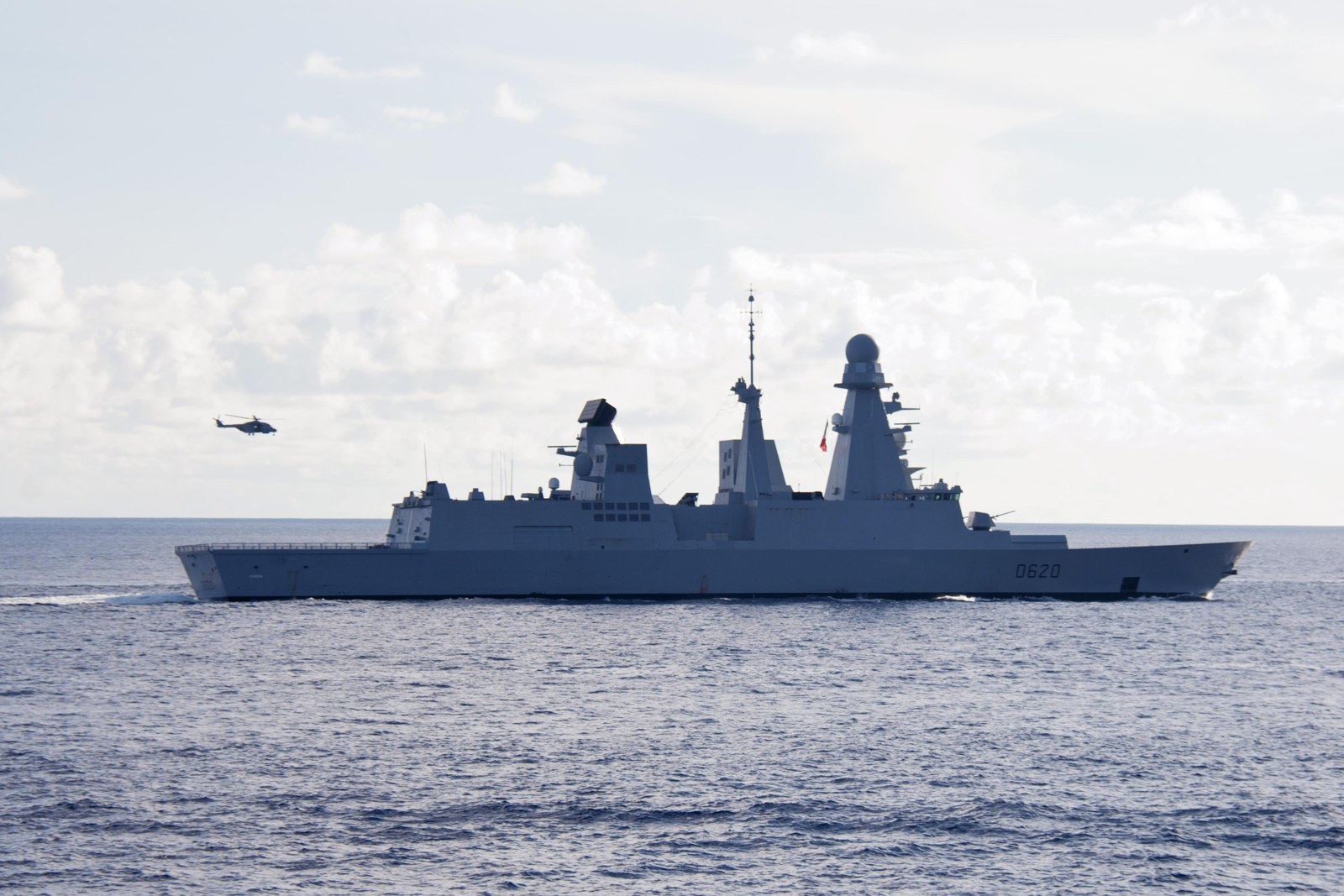
France seizes shadow fleet tanker DF Peak in the middle of the Indian Ocean — that is the short version of an operation President Emmanuel Macron announced himself on X on Monday evening, posting video of French personnel descending onto the vessel from helicopters. The tanker was intercepted about 450 nautical miles south of Réunion, the French overseas territory east of Madagascar, on suspicion of sailing under a false flag and taking part in illicit fuel transport for Russia.
Track it live: Live war tracker — follow the Ukraine war, the Middle East and other active conflicts as they develop.
By Tuesday, the diplomatic row was fully formed. France said the boarding was lawful sanctions enforcement against a ship that has sat on the European Union's sanctions register since 2024. Russia's embassy in France, quoted by the state news agency RIA, called the same operation piracy and a blatant violation of international law, said Paris had not notified Moscow, and said it was trying to establish whether any Russian citizens were among the crew. Both accounts cannot be settled from the public statements alone — what is not in dispute is the sequence of the boarding, the ship's identity, and where it is going next.
What happened south of Réunion
The DF Peak previously sailed under the name Kaliningrad and was most recently flagged from Benin, in West Africa. It has been listed on the EU sanctions register since June 25, 2024, according to maritime reporting on the seizure, and French officials suspect it is one of the ageing, thinly documented vessels that move Russian hydrocarbons outside Western insurance, classification and tracking systems.
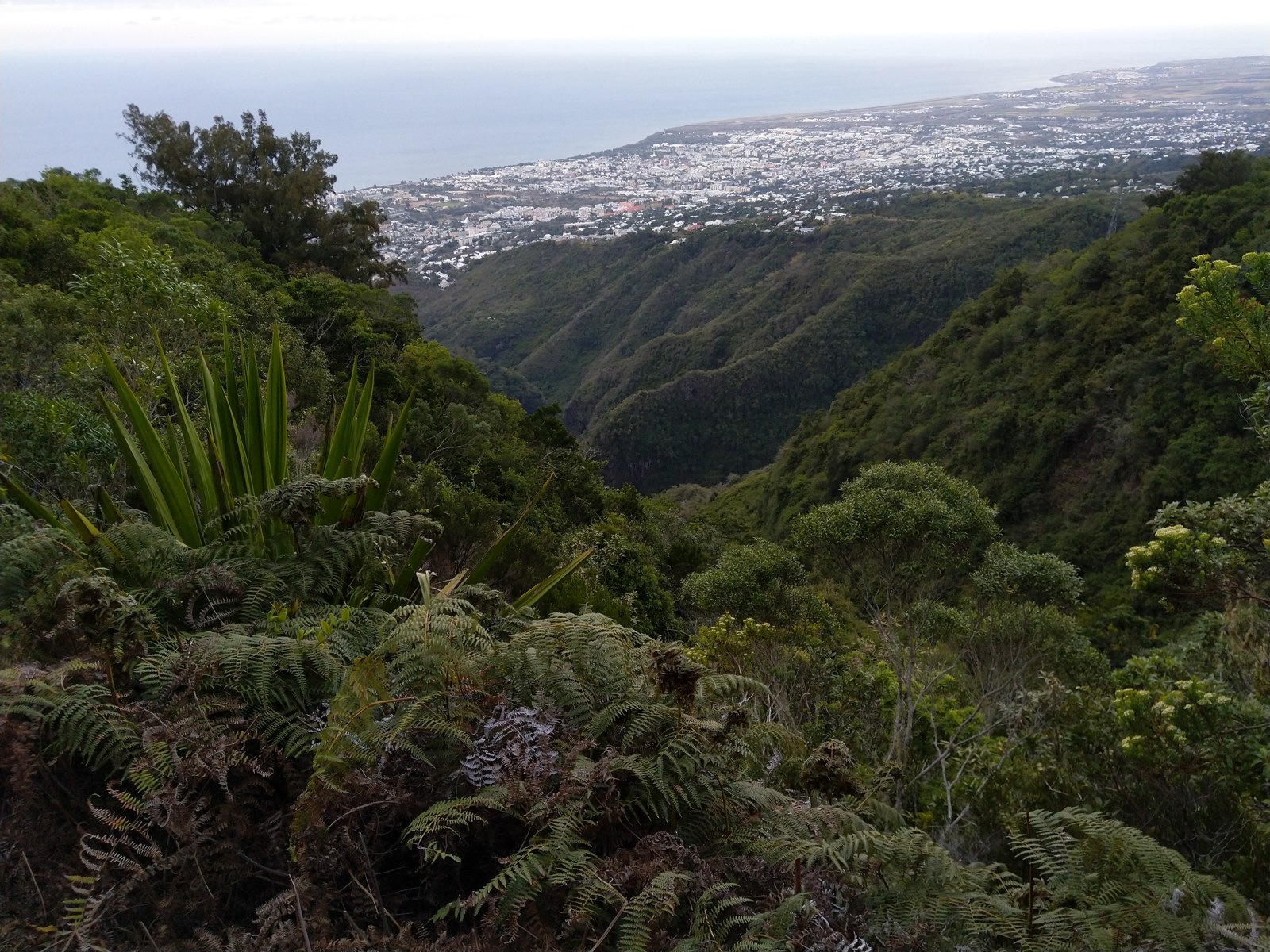
French army spokesperson Colonel Xavier Rival told reporters that inspectors who boarded the ship still had doubts about the flag it was flying, so the vessel was ordered to proceed to Réunion by decision of the public prosecutor, where the case can be examined in detail. Reports from the operation put 21 crew members aboard, remaining on the ship under French military supervision while it sails, under escort, toward an anchorage off the island. The file has been referred to the maritime prosecutor in Saint-Denis, Réunion's capital.
Paris framed the legal basis as the right of visit under Article 110 of the UN Convention on the Law of the Sea, which allows a warship to board a foreign vessel on the high seas when there is reasonable ground to suspect it is stateless or not entitled to the flag it flies. That distinction matters: France is not claiming a general right to seize sanctioned cargo anywhere. It is claiming that a ship whose nationality papers do not hold up loses the protection those papers normally provide — and that sanctions enforcement can then follow.
A pattern, not a one-off: France's fifth seizure since 2024
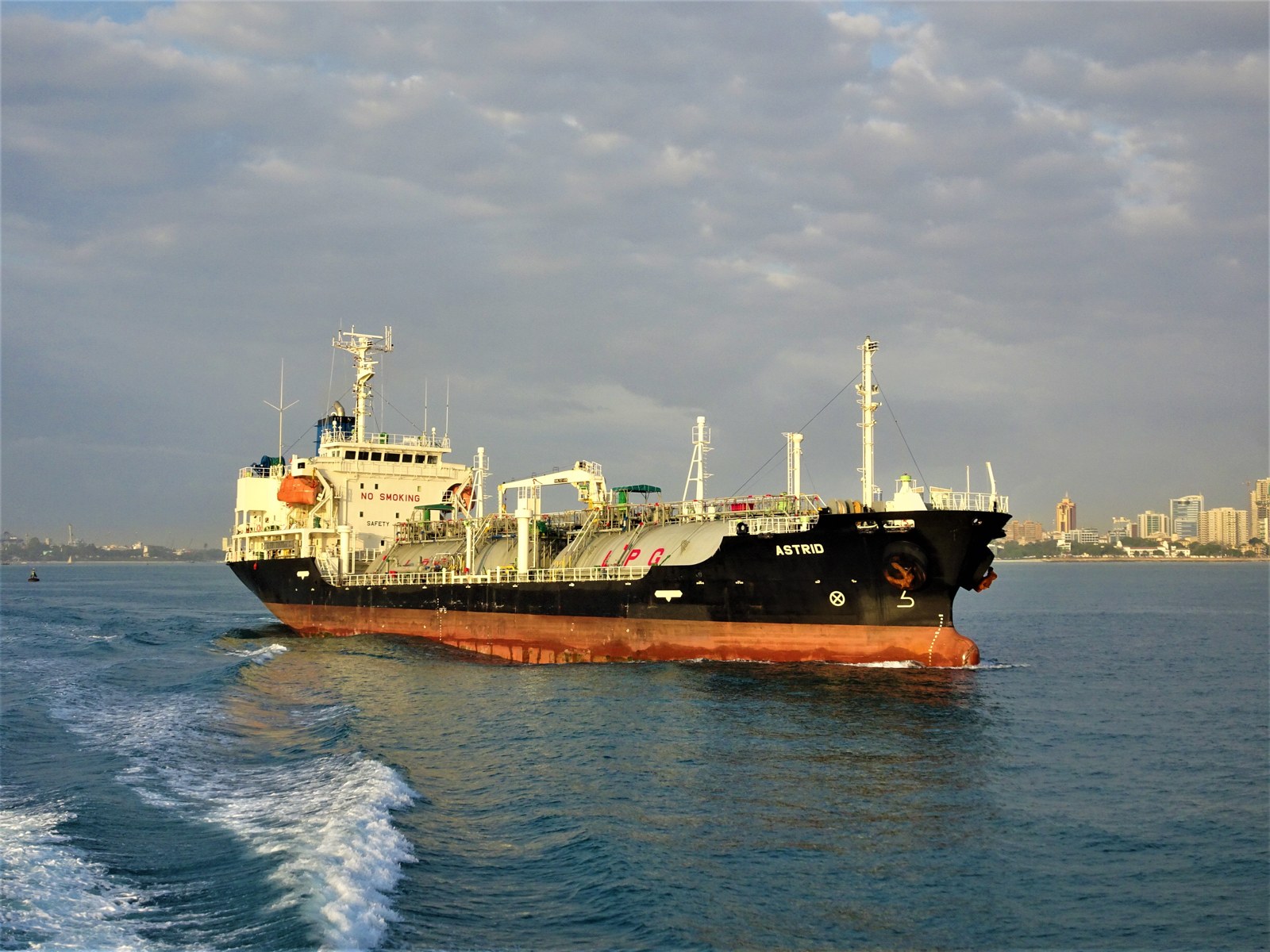
Reuters noted that the DF Peak is at least the fifth Russian-linked tanker France has seized since 2024. Earlier cases followed the same script in European waters: the tanker Grinch, boarded in the Mediterranean in January after leaving Murmansk under a Comoros flag, was released only after paying fines reported in the millions of euros; the Boracay was detained off France's west coast in October; and in February French helicopters supported Belgian forces boarding the Ethera in the North Sea. Britain has been running a parallel effort — see our coverage of how the UK hit Russia with 31 new shadow-fleet sanctions — and Washington has sanctioned vessel networks of its own, including the 17 Iran shadow-fleet vessels targeted by the U.S. Treasury.
The DF Peak case extends that pattern in one important way: geography. The earlier seizures happened in the Mediterranean, the Channel approaches and the North Sea — close to European ports, courts and coast guards. This one happened 450 nautical miles from the nearest French territory, in an ocean where Russian-linked cargoes move between the Gulf, India and East Asia far from European patrols. Boarding there is a statement that the enforcement perimeter is not just Europe's coastline.
Why this matters
Start with the money. Oil revenue remains the single largest funder of Russia's war in Ukraine, and the shadow fleet is the plumbing that keeps that revenue flowing despite the G7 price cap and EU embargoes. Maritime analysts count more than 700 vessels linked to the trade under European sanctions alone. Every boarding that ends in fines, weeks of detention or a frightened insurer raises the operating cost of the whole fleet — freight rates for sanctioned cargoes rise, buyers demand deeper discounts, and a share of the margin that used to reach the Kremlin is burned off in friction instead. That is the theory of sanctions enforcement by interdiction: you do not have to stop every barrel if you can make every barrel more expensive to move.
Set against that is the legal and escalation risk, which Russia is now pressing in public. If boarding a falsely flagged tanker on the high seas becomes routine, Moscow can respond in kind or in parallel — harassing Western-linked shipping, detaining vessels in waters it controls, or simply declaring the practice unlawful and treating each new case as a diplomatic incident, as it has here. Shipping lawyers also note the precedent cuts both ways: the same Article 110 logic that lets France visit a stateless tanker could be cited by other states against ships whose paperwork Western governments consider perfectly regular. France's answer, so far, is procedural discipline — a prosecutor, a port, an examination — designed to make each seizure look like law enforcement rather than naval coercion.
There is also a timing contrast worth noticing. On Monday, the United States temporarily eased sanctions on sales of Russian diesel, because the war in the Middle East has disrupted supplies and driven prices up ahead of the November midterms — a reminder that sanctions policy is being pulled in two directions at once. Washington is loosening one valve for price relief while Paris tightens another for enforcement. Both moves are about oil; they point in opposite directions, and tanker markets will price the confusion. Readers following that side of the story can check live oil price forecasts alongside the war tracker.
Who benefits, who loses
France and the EU gain enforcement credibility: a sanctions list that is never physically enforced is, over time, just a list. Ukraine gains if Russian export friction rises even slightly, at a moment when its own campaign against Russian refining capacity — most recently the strike on the Omsk refinery, Russia's largest — is trying to squeeze the same revenue from the production side. The losers, in the first instance, are the DF Peak's operators and charterers, who face detention costs and a prosecutor's file, and the wider shadow-fleet market, which must price a wider enforcement map. Russia loses a talking point if the flag case holds up in a French court; it gains one if the examination falters, which is why the piracy language arrived within hours — the legal narrative is part of the contest, not an afterthought.
Critics of interdiction, including in the shipping industry, make a narrower point that deserves a hearing: ageing tankers operating outside mainstream insurance are an environmental hazard wherever they sail, and piling legal risk onto them without a plan for the ships themselves does not remove that hazard. A seized tanker still has to be anchored, crewed, insured against accident and eventually disposed of — costs that now land, at least temporarily, on Réunion.
What happens next
The immediate next step is documentary, not naval: examiners in Réunion will work through the DF Peak's flag registration, ownership chain, cargo papers and voyage history, and the maritime prosecutor in Saint-Denis will decide whether the case proceeds as a flag violation, a sanctions case, both, or neither. The Grinch precedent suggests the realistic menu: detention measured in weeks, fines measured in millions, then release — unless prosecutors find grounds to hold the vessel longer. Watch three things. First, whether Russia's piracy claim moves from an embassy statement to a formal legal filing or a reciprocal boarding. Second, whether other EU states copy the Indian Ocean reach, or whether this remains a French specialty built on its overseas territories. Third, the oil market's shrug-or-flinch reaction: a single tanker is a rounding error in global supply, but a credible campaign against 700 listed vessels is not, and traders know the difference.
For now, a tanker that used to be called Kaliningrad is sailing slowly toward a French island it never intended to visit, with 21 crew aboard and two governments telling opposite stories about what the law allows. The documents, examined in Saint-Denis, will decide which story survives.
Sources
Reuters (Oct 13, 2026), France seizes another 'shadow fleet' tanker; Russia decries 'piracy' — the boarding south of Réunion, Colonel Rival's statement, the fifth-seizure count and the U.S. diesel easing. Reuters (Oct 13, 2026), Russia calls French seizure a violation of international law, RIA reports — the Russian embassy's piracy statement via RIA and Macron's X post. Particle News summary of the French operation (EU listing as Kaliningrad, Article 110 basis, 21 crew, Saint-Denis prosecutor) and Asal Media (French navy boarding, EU sanctions list, 700+ vessels).