SANCTIONS · SHADOW FLEET · UKRAINE
World / Europe
UK Hits Russia With 31 New Sanctions on Shadow Fleet and Disinformation
Britain's latest package reaches beyond conventional oil tankers to a developing LNG fleet, while pairing economic pressure with penalties over alleged torture, child indoctrination and influence operations.
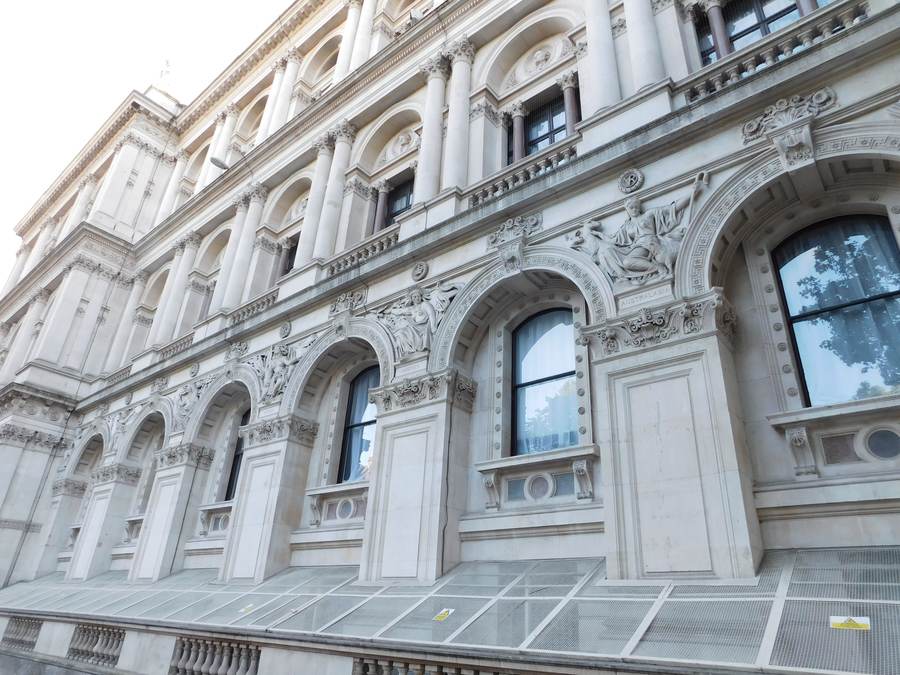
LONDON — The UK sanctions Russia package announced on October 1 adds 31 measures against a mix of ships, people and entities that Britain says help finance or enforce Moscow's war in Ukraine. The list covers 23 individuals and entities and eight vessels, including ships linked to a developing liquefied-natural-gas shadow fleet, four Georgian nationals accused of advancing pro-Kremlin narratives, and officials tied to abuses in Russian-occupied Ukrainian territory.
The breadth is deliberate. London is trying to attack three systems at once: the export revenue that supports the Russian state, the coercive machinery used in occupied territory, and the information networks that seek to normalize the occupation. That makes the package more than another list of blocked names. It is an attempt to treat money, violence and propaganda as connected parts of the same war effort.
Under the measures, the 23 designated people and entities face asset freezes, trust-services sanctions and director-disqualification sanctions; designated individuals also face UK travel bans. The eight ships face shipping and trade restrictions. Britain's government says it has now imposed more than 3,400 Russia-related designations since the full-scale invasion began in 2022.
UK Russia sanctions ships in a changing shadow fleet
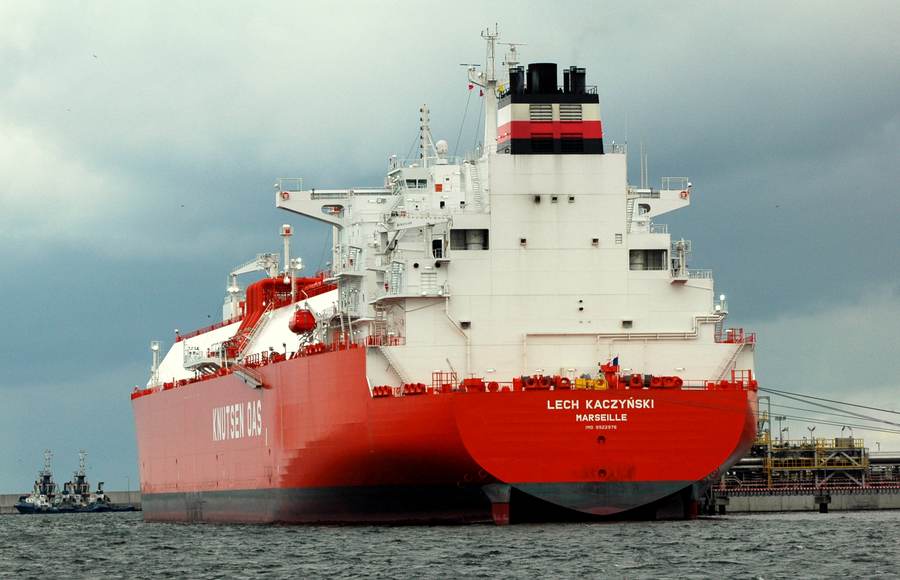
The maritime component covers three alleged shadow-fleet vessels, two ships that provide them with bunkering services and three Russian-owned ice-class vessels. British officials say some of the ships entered service as recently as July, evidence that Moscow is still acquiring or repurposing tonnage as Western restrictions close around older networks.
Oil tankers have dominated the sanctions debate because crude exports are easier to track and have long supplied the largest pool of hydrocarbon revenue. The focus on LNG signals the next phase. Gas cargoes require specialized ships, terminals and long-term commercial relationships. That makes the fleet smaller and more technically demanding — but also gives enforcement authorities a narrower set of insurers, owners, ports and service providers to scrutinize.
The UK says it has already sanctioned nearly 600 tankers used to evade Western restrictions. In June, British forces intercepted the vessel SMYRTOS, an unusually physical demonstration that shadow-fleet policy is moving beyond paperwork. Still, designating a hull is only the beginning. Ships can change flags, managers, registries and trading patterns; the real test is whether banks, insurers, ports and maritime-service companies consistently refuse to support them.
A carve-out for Japan and South Korea
The announcement also extends targeted, time-limited licensing arrangements covering LNG transportation for Japan and South Korea. That is not a contradiction so much as an admission of how sanctions coalitions work: pressure on Russia must be calibrated against the energy security of partners that cannot replace supply overnight.
Japan has pledged more than $20 billion in financial, humanitarian and reconstruction assistance to Ukraine, according to the British government. South Korea announced another $100 million package in July 2026. Giving those partners a managed transition window reduces the risk that sanctions fracture the coalition they are meant to strengthen.
But exceptions create their own enforcement burden. Licenses must be narrow enough to prevent sanctioned cargoes or intermediaries from using legitimate trade as cover. The policy will therefore be judged not only by which vessels are listed, but by whether authorities can distinguish a controlled energy-security exemption from a new route for sanctions evasion.
Torture and Ukrainian children move to the center of the package
Eight people were designated over alleged arbitrary detention, torture and ill-treatment of Ukrainian civilians. Britain describes those acts as part of a wider system of repression in occupied areas that includes enforced disappearance and the denial of justice. Seven more people were targeted for roles in the indoctrination and militarization of Ukrainian children, including children deported by Russian authorities.
The UK estimates that about 6,000 Ukrainian children have been forcibly relocated to a network of so-called “re-education” camps. It says millions of children living under occupation are exposed to propaganda programs that can include weapons handling and drone training. Those claims make the sanctions personal: they aim to attach legal and financial consequences to officials operating systems of control, not only to senior figures in Moscow.
The timing also follows Russian-organized elections in occupied Ukrainian territories earlier in September. Ukraine's foreign ministry described those votes as being held “at gunpoint” and said they could not alter the internationally recognized status of Donetsk, Luhansk, Zaporizhzhia, Kherson or Crimea. Russia rejects Western descriptions of the territories as unlawfully occupied and has defended its annexation claims, which are not recognized by most countries.
Disinformation is being treated as security infrastructure
Seven individuals in the package, including four Georgian nationals, are accused of spreading pro-Kremlin disinformation. British officials say the activity ranged from legitimizing Russia's occupation of Ukrainian territory to serving in Russian-installed authorities in occupied South Ossetia.
The government estimates that the Kremlin spends about £1.3 billion a year on information manipulation. That figure matters because it frames influence operations not as random commentary but as a funded capability. Bot farms, coordinated accounts and aligned media can reach across borders cheaply, erode trust in institutions and create the impression that established facts are merely partisan claims.
Sanctions are an imperfect tool against speech networks. An asset freeze can disrupt financing and travel, but it cannot erase content already circulating or stop a new account from appearing. The value is cumulative: exposing operators, constraining their commercial relationships and giving platforms and financial institutions a clearer risk signal.
Why this matters: one package, three pressure points
The strategic logic is strongest when the three elements reinforce one another. Export revenue gives the Russian state resources. Repressive officials impose control in occupied territory. Disinformation networks attempt to justify both. Sanctioning only ships would leave the political architecture untouched; sanctioning only officials would leave the revenue stream running.
The numbers also reveal the limits. Thirty-one new measures are a small addition to more than 3,400 UK designations, and the nearly 600 sanctioned tankers show how quickly maritime networks can expand. Sanctions are not a switch that turns off an economy. They raise transaction costs, slow procurement, narrow access to reputable services and force riskier workarounds. Their effect depends on enforcement by many governments and private companies over time.
Pressure is increasing as the battlefield cost rises. Britain says Russia fired more than 3,100 jet-powered drones into Ukraine in September, exceeding August's previous wartime record. It also says drone and missile strikes in the week before the announcement killed at least 44 civilians and injured 315. The sanctions package is therefore designed less as retrospective punishment than as an effort to reduce the capacity for the next wave of attacks.
Who gains, who loses
Ukraine gains diplomatic reinforcement and a broader accountability record. Britain strengthens its claim to leadership on shadow-fleet enforcement. Commercial operators that already follow sanctions may benefit if tougher action reduces the price advantage enjoyed by opaque competitors.
The immediate costs fall on the listed individuals, entities and vessels, but they also spread to owners, charterers, insurers, ports and traders asked to determine whether a transaction is prohibited. Japan and South Korea gain time through the LNG licenses, while accepting closer scrutiny of supply chains.
Moscow's likely response is adaptation. The Russian state can shift ownership, seek non-Western services, rename or reflag ships and move information work through new entities. Critics of sanctions point to that resilience and to the risk of rerouted trade. Supporters answer that evasion is not proof of failure: every extra intermediary, opaque transfer and higher insurance premium is a cost imposed on the war economy. Both points can be true.
What happens next
Three questions will determine whether the measures bite. First, will ports, insurers and flag registries act quickly enough to isolate the designated ships? Second, will allied governments identify successor companies and vessels before the network can settle into a new pattern? Third, will financial institutions connect the human-rights and disinformation designations to the people and entities that enable them?
The government says international sanctions have deprived Russia of nearly $500 billion in funding for its war effort, though the precise counterfactual — what Moscow would otherwise have earned — is necessarily difficult to measure. The more useful near-term indicators will be observable: denied port calls, lost insurance, delayed cargoes, higher shipping costs and new ownership changes after the designations.
Minister for Europe Lord Wood of Anfield said Britain was targeting both revenues and those responsible for abuses against Ukrainian civilians, including children. The credibility of that promise now rests on follow-through. A long sanctions list can communicate resolve; coordinated enforcement determines whether it changes behavior.
Related Signal Post News coverage
Sources
- Reuters — “UK's latest Russia sanctions target ships and disinformation networks” (October 1, 2026)
- UK Foreign, Commonwealth & Development Office — “New UK sanctions target Kremlin war chest, propagandists and torturers” (October 1, 2026)
- Western Morning News — “UK announces 31 new sanctions against Russian propagandists and torturers” (October 1, 2026)
World Desk analysis · Published October 1, 2026Back to all stories
Disclosure: Signal Post News may earn a commission from qualifying purchases made through links on this page, at no extra cost to you. Learn more.