War · Ukraine · Diplomacy
Ukraine’s president told CNN that a security framework negotiated between Washington and Moscow — potentially covering all of Europe — could be dangerous and divide the continent into spheres of influence. He learned of it days before talks in Abu Dhabi, on a call with the two Americans preparing them.
Track it live: Ukraine war map — live tracker
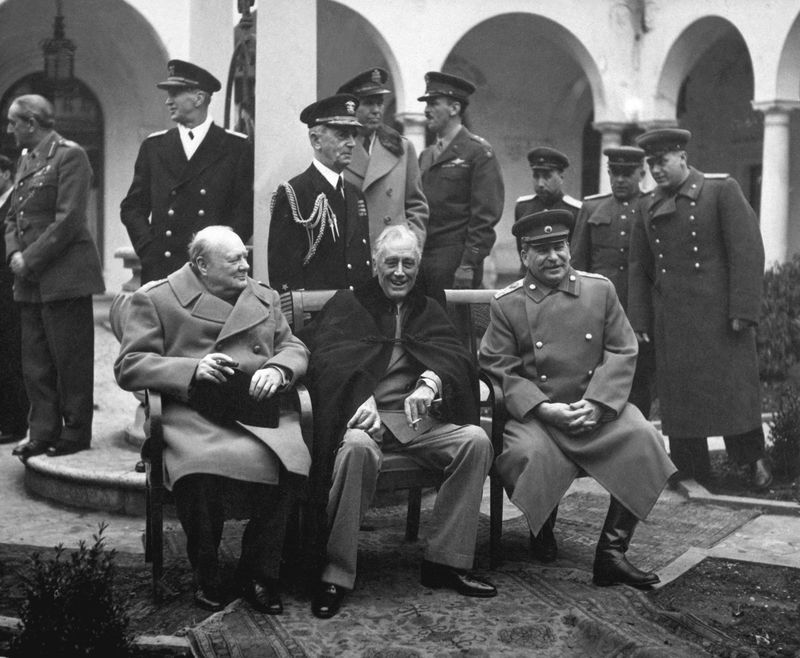
KYIV, November 6, 2026 — President Volodymyr Zelenskyy has warned that a new European security framework floated by President Donald Trump — a possible agreement with Russia that Trump says “might involve all of Europe” — could be dangerous and could divide the continent into spheres of influence, invoking the most loaded analogy available to a Ukrainian leader: “We don’t want to have Yalta 2.0. We don’t want to be divided by Russia.” Zelenskyy made the remarks in an interview with CNN’s Jake Tapper on Friday, reported by CNN the same day, after learning of the proposal on a Thursday phone call with Jared Kushner and US special envoy Steve Witkoff as they prepared US-mediated talks between Ukraine and Russia in Abu Dhabi on November 10–11. The warning sets up the central argument of the coming week: Washington is beginning to talk about the architecture of a post-war Europe, while Kyiv — backed publicly on Friday by the European Union’s foreign policy chief — insists the sequence is wrong and the guest list too short: end the war first, guarantee Ukraine second, and let no arrangement about Europe be made without Europe and Ukraine in the room.
What Zelenskyy said
Zelenskyy’s objection, as he stated it to CNN, was as much about order and authorship as about content — because on content, by his own account, there is still almost nothing to object to. He said he did not know many details of the potential new security framework, but warned that a deal between Russia and Europe would not be simple and could potentially be dangerous. “For me, it’s not simple and it can be dangerous,” he said, adding that discussions to end the war in Ukraine must come first, and security guarantees second. Summaries of the same interview published by Kyiv Post and European outlets carried the two lines that gave this story its headline: “We don’t want to have Yalta 2.0,” and “We don’t want to be divided by Russia.” Zelenskyy also restated the positions Kyiv will carry into Abu Dhabi: Ukraine supports a full ceasefire, or a limited truce covering energy and maritime targets, but Moscow has shown no readiness for either; and on territory, “We are not ready to leave Donbas, to give our territory.” In his daily address the same Friday, Zelenskyy separately warned that Russia is preparing another attack on Ukraine’s energy infrastructure and bridges — the warning covered in our report on Zelenskyy’s warning of new Russian strikes on bridges and energy — a reminder that the diplomacy is proceeding under active fire, not after it.
The meeting that started it: Dmitriev at the White House
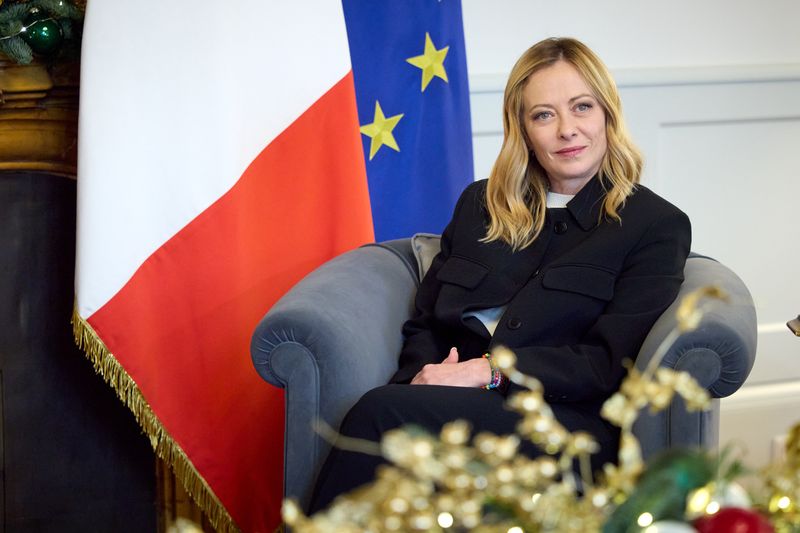
The proposal surfaced publicly on Thursday, when Trump met privately at the White House with Kirill Dmitriev, President Vladimir Putin’s special envoy and the head of Russia’s sovereign wealth fund, who was in Washington for an event at which First Lady Melania Trump hosted representatives from Kyiv and Moscow and presented them with personal letters for Putin and Zelenskyy. Afterwards Trump predicted a major agreement extending beyond Ukraine: “It’s going to involve more than Ukraine, and I could even say it might involve all of Europe. It’s going to be a big, beautiful agreement, and everyone’s going to be thrilled.” Kushner subsequently said Washington was working on a broader European security framework ahead of the Abu Dhabi talks, and posted about practical arrangements for the negotiations. The Associated Press, via Military.com, corroborated the meeting and the outlines on Friday, and recorded the two reactions that define the proposal’s current status: European Commission spokesperson Paula Pinho played down expectations, and Kremlin spokesman Dmitry Peskov said on Friday that Moscow had no details and that Russia had received no European ideas on security guarantees. In other words, the “framework” at this hour is a presidential sentence, an envoy’s post, a European shrug and a Kremlin non-answer — which is exactly why the fight over its meaning has started before any text exists.
Europe answers the same day
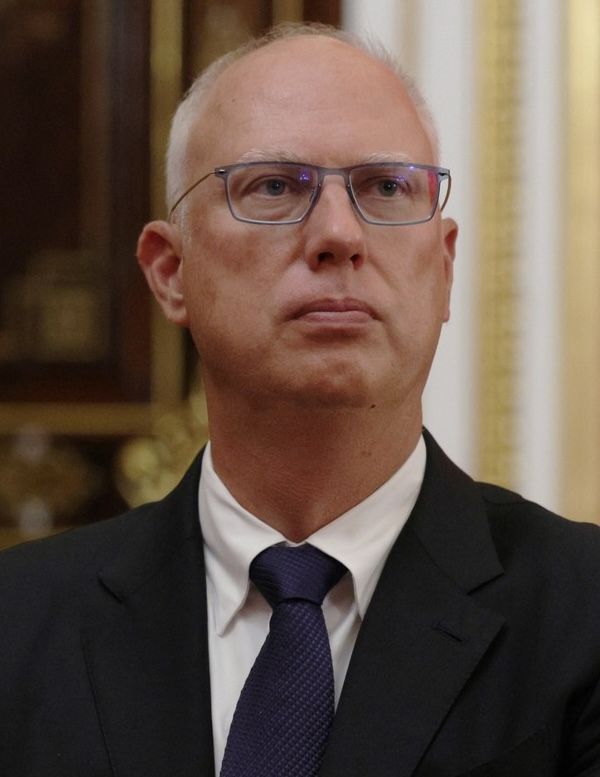
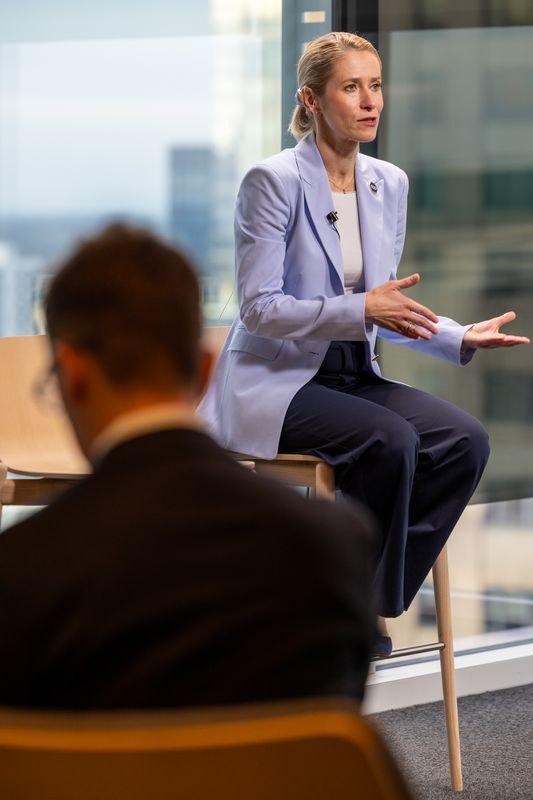
Kyiv was not left arguing alone. In Warsaw on Friday, EU foreign policy chief Kaja Kallas said Putin has no veto over European security — a sentence aimed at the premise of any Washington-Moscow framework as much as at Moscow itself. Ukrainian Foreign Minister Andrii Sybiha insisted that any settlement must involve Ukraine and Europe. Those two statements, delivered within hours of the CNN interview airing, are the diplomatic counterweight to Thursday’s White House optics: whatever is discussed in Abu Dhabi, Europe’s institutions are signalling that a framework initialled by two capitals and presented to the other thirty will be contested, not ratified. That contest is not merely procedural. European governments are being asked to fund and man much of any post-war security arrangement for Ukraine; a framework they did not help design is one they may decline to underwrite, which would hollow it out from the start.
Why ‘Yalta’ is not a casual word
Context matters here, because the analogy is doing real political work. The February 1945 Yalta Conference, at which Churchill, Roosevelt and Stalin settled the shape of post-war Europe, is remembered very differently on the continent’s two halves. In much Western memory it was pragmatic wartime statecraft conducted with an ally whose armies already occupied the ground in question. In Polish, Baltic and Ukrainian memory it is the moment their countries’ futures were traded in a room they were not in — the original sin of the sphere-of-influence order that followed. When a Ukrainian president says “Yalta 2.0” in an American television interview, he is speaking simultaneously to Washington (do not repeat it), to European capitals (this is your history too) and to his own public (we see the risk and we name it). Signal Post News covered Zelenskyy reaching for a related warning in October, in our report on the Abu Dhabi peace-talks track and Ukraine’s Patriot shortage; Friday’s remarks are a new and specific development, tied to a specific new proposal, and they are sharper because the proposal now has a venue, a date and a Russian envoy’s White House visit behind it.
Why this matters
Strip away the analogy and three concrete stakes remain. First, sequencing is leverage: if a Europe-wide framework is negotiated in parallel with the war’s end, every concession in one track can be traded against the other, and Kyiv fears its territory and its guarantees becoming currency in a larger bargain about NATO’s borders, sanctions and Russian reintegration. Second, authorship is durability: the post-1945 order lasted, for better and worse, because the states living under it were eventually bound into it; an arrangement announced about Europe, without Europe, starts life with a legitimacy deficit that Moscow could exploit for decades. Third, the Dmitriev channel itself matters: Russia’s envoy is an investment-fund chief, not a foreign-ministry negotiator, and the framework talk runs through the Kushner-Witkoff channel rather than through the State Department or NATO — a structure that prioritises deal-making speed and economic reintegration themes, and that allies experience as opacity. None of this proves the framework is a spheres-of-influence carve-up; Trump’s defenders can fairly note that a durable peace may require some wider European security conversation, that Russia has demanded one for years, and that talking about architecture is not the same as conceding it. Peskov’s own non-committal response undercuts any claim that a deal is already struck. But the burden of proof in alliance politics sits with the proposer, and on Friday the proposer had offered no text, no map and no European co-author.
Who gains, who loses
If the framework talk matures into a genuine negotiation with Ukraine and Europe at the table, Washington gains the grand-bargain ending Trump wants, Moscow gains the continent-level hearing it has sought since before the invasion, and Kyiv gains guarantees embedded in something larger than a bilateral promise. If it matures instead as a two-capital outline presented for ratification, the losers are predictable: Ukraine, whose core demands (no territorial concession imposed, guarantees before architecture) would be subordinated; the front-line European states, whose security is the architecture’s subject; and, on a longer horizon, Washington itself, whose alliances run on the premise that allies are consulted before their futures are drafted. The immediate gainer from the ambiguity alone is Moscow: a week in which the argument is about process in the West is a week not spent on the battlefield facts Zelenskyy raised the same day — damaged power plants, threatened bridges, and a capital arguing about blame for the dark, as our report on Zelenskyy and Klitschko trading blame over Kyiv’s darkness describes.
What happens next
The Abu Dhabi talks of November 10–11 are now carrying more than their agenda. Watch four things: whether any framework document, however sketchy, is tabled or briefed to European capitals before the talks open; whether Kallas’s “no veto” line hardens into a formal EU position or softens into Pinho’s lower-key downplaying; whether the Kremlin moves from Peskov’s “no details” to publishing its own architecture demands, which would tell us how seriously Moscow takes the opening; and whether Kyiv’s sequencing demand — ceasefire or energy/maritime truce first, guarantees second, architecture third — is adopted as the talks’ working order or quietly inverted. Eighty-one years after the original conference, the word “Yalta” still ends arguments in Europe. The next four days will show whether it has started one that changes how this war ends.
Should a European security framework be negotiated with Ukraine and Europe at the table from the start — or can Washington and Moscow draft the outline first and bring the others in later? Follow Signal Post News for continuing coverage of the Abu Dhabi talks, the war in Ukraine and the diplomacy around them, and share your view in the comments.
Sources
CNN, November 6, 2026 (Jake Tapper interview: Zelenskyy says the security deal floated by Trump could potentially be dangerous; and CNN’s report “Trump teases ‘big, beautiful’ European security deal after meeting Putin envoy”); Associated Press reporting via Military.com, November 6, 2026 (Trump-Dmitriev White House meeting, Kushner framework post, European Commission spokesperson Paula Pinho downplaying expectations, Kremlin spokesman Dmitry Peskov: no details, no European ideas received); Kyiv Post and europesays summaries of the CNN interview published November 7, 2026 UTC (“Yalta 2.0” and “divided by Russia” lines; Kallas in Warsaw: Putin has no veto over European security; Foreign Minister Andrii Sybiha: any settlement must involve Ukraine and Europe). Photos: Wikimedia Commons, as credited in the captions.