War · Ukraine · Russia
Kyiv woke on Friday to its worst energy crisis of the war — no power, no water for hours, no heating with temperatures near freezing — and within hours its two most famous leaders were blaming each other in public. President Volodymyr Zelenskyy said the city had failed to prepare. Mayor Vitali Klitschko said the government had starved the city of air defence and blocked its own resilience plan. Both cannot be wholly right, and for 3 million people the argument itself is now part of the emergency.
Track it live: Ukraine war map — Live Global Trackers
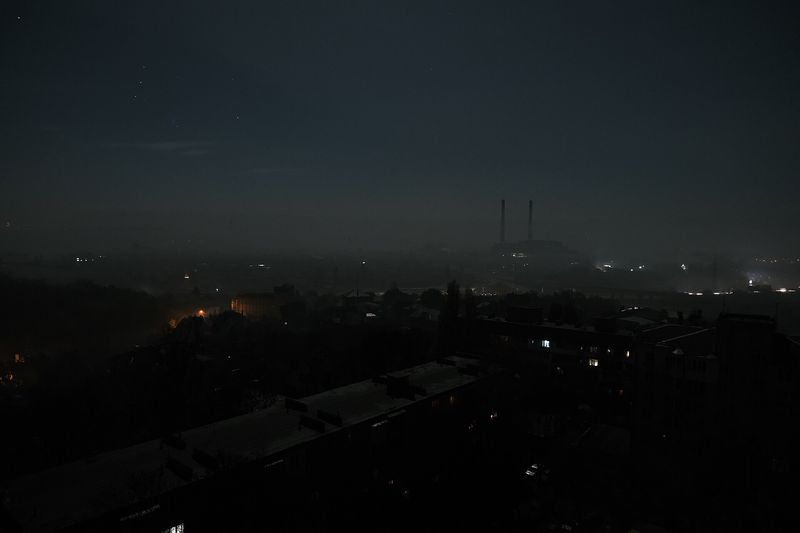
Kyiv, Ukraine — The Zelenskyy Klitschko Kyiv blackouts row began, as the worst political rows in wartime usually do, with a fact nobody disputes. Russian strikes have plunged Kyiv into darkness on a scale residents say they have not seen before in nearly five years of war: unprecedented power and water outages across a capital of more than 3 million people, city-wide water cuts lasting hours and arriving more frequently than in prior years, street lighting almost completely out, the metro repeatedly halted, and centralised heating still not returned even as temperatures hover near freezing. People are cooking, charging phones and reading by generator light and torches. That much, the president and the mayor agree on. Everything after it — who failed, who blocked whom, and who should have protected the city — they spent Friday contesting in public, in statements less than an hour apart.
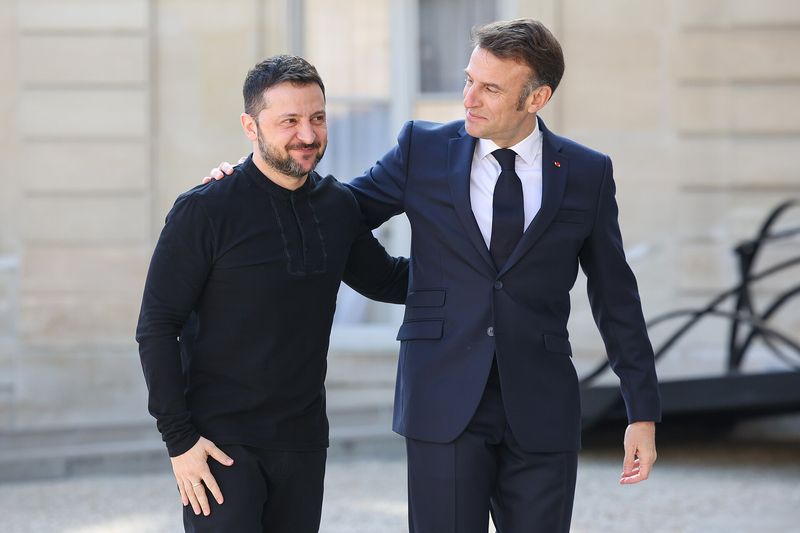
Zelenskyy went first. Writing on X on Friday, he called the situation “extremely serious” and said Kyiv now had the worst energy situation in the country. The darkness, in his telling, was the product of two things at once: “the consequences of the failure to implement decisions at the city level on preparations for the heating season, as well as of this Russian operation against Ukraine’s energy infrastructure.” The order of that sentence was the message. Russia’s operation was named second. The city’s preparation was named first.
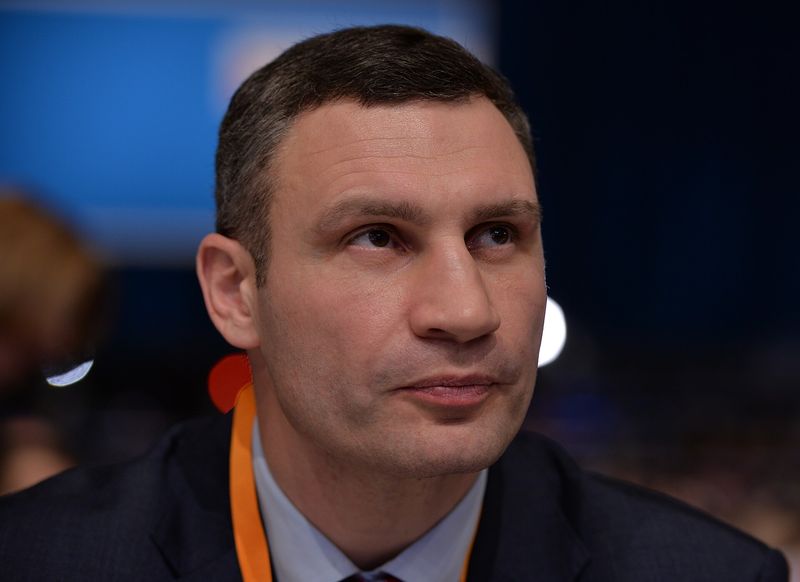
Klitschko answered within the hour, in a video address that was as direct as anything he has said about the president during the war. The government, he said, had “cynically” dragged its feet approving the city’s resilience plan, amid “constant manipulations” that were “effectively destroying Kyiv.” And he put the military point at the centre of his defence: without air defence for key facilities, he argued, their “restoration, stable operation, and very existence is under major question.” In other words, a mayor can buy generators and repair substations, but he cannot shoot down a ballistic missile. Only the state — and its Western-supplied air defences — can do that.
What each man is actually claiming
Strip away the adjectives and the two cases are precise, testable, and aimed at different parts of the same failure. Zelenskyy’s charge is about preparation: decisions taken — or, he says, not implemented — at city level before the heating season. Heating seasons in Ukraine are planned months ahead. Boilers are serviced, fuel is stockpiled, backup generation is positioned, shelters and water systems are checked. If a capital enters November without its centralised heating restored and with backup systems that cover only a fraction of demand, the president’s argument runs, that is a municipal failure that no air-defence battery can excuse, because some level of strike damage was entirely foreseeable. Russia has attacked Ukraine’s energy grid every autumn and winter of this war. Preparing for it was the city’s job.
Klitschko’s case is about protection and permission. In an interview with the public broadcaster Suspilne, released on Thursday — the day before the public clash — he said his requests for a meeting had gone unanswered, and that the president had approached former officials about leading Kyiv’s military administration, a body that sits alongside the elected mayor’s office in wartime. On Friday he added the operational claims: that the government had delayed approving the city’s resilience plan, and that key facilities lack the air defence that only the national command can allocate. His numbers, given in a separate interview about generators, underline the scale problem. Kyiv needs roughly 2 gigawatts of power. The city has installed 104 generators and small power plants totalling about 16 megawatts to keep water supplies backed up — vital, and less than one percent of what the city consumes. A mayor’s tools, Klitschko’s argument implies, were never sized for a missile campaign against a capital’s entire grid.
Both cases contain a truth the other side would prefer to skip. Preparation genuinely is a municipal responsibility, and Kyiv’s heating and backup shortfalls are real and measurable. Air defence genuinely is a national responsibility, and Ukraine is short of air-defence weapons against the fast missiles and drones Russia is now using in volume — a shortage documented in strike after strike this autumn, including the overnight barrage of 227 drones that cut power in seven regions hours before the two men spoke. Signal Post News’ separate report on that barrage sets out the overnight strike facts in full: Russia fires 227 drones at Ukraine overnight, power cut in seven regions. This article is about what happened next, when the damage turned into a political fight.
A feud that predates the blackouts
Nobody in Kyiv politics mistook Friday for a first argument. The Zelenskyy–Klitschko feud is one of the longest-running subplots of wartime Ukraine, and understanding it explains why a dispute about generators escalated to public accusations within sixty minutes. Klitschko, a former world heavyweight boxing champion, has been mayor of Kyiv since 2014 — five years before Zelenskyy, a former comedian, won the presidency in 2019. Each man arrived with a national profile earned outside politics, a personal mandate, and a power base the other does not control. In peacetime that produced friction. In wartime it has produced a structural rivalry, because Kyiv is simultaneously a city with an elected mayor and the seat of a government fighting an existential war, and the boundary between those two authorities has never been clean.
The rivalry has broken into the open before, most sharply over civil defence. After three people were killed at a locked air-raid shelter earlier in the war, the question of who was responsible for the capital’s shelters — city, district, or state — became a national controversy and a proxy fight between the two camps. The pattern established then repeated on Friday: a lethal or dangerous failure, an immediate dispute over which level of government owned it, and two leaders addressing the public — and each other — through statements rather than around a table. Klitschko’s Suspilne remark that his meeting requests have gone unanswered, if accurate, suggests the private channel that might have contained Friday’s row has not been functioning. Neither side has produced a record of those requests, and Signal Post News reports the claim as Klitschko’s.
There is also a constitutional oddity hanging over both men. Wartime elections are prohibited under martial law, which means both leaders are serving beyond the terms voters originally gave them — Zelenskyy beyond his five-year presidential term, Klitschko deep into a mayoralty that began in a different political era. Neither faces an imminent ballot-box verdict. That does not make the feud academic. It makes reputation, and the judgment of a cold and darkened city, the only verdict available — which is precisely why both men moved so fast to assign blame before the other’s version hardened.
The city underneath the argument
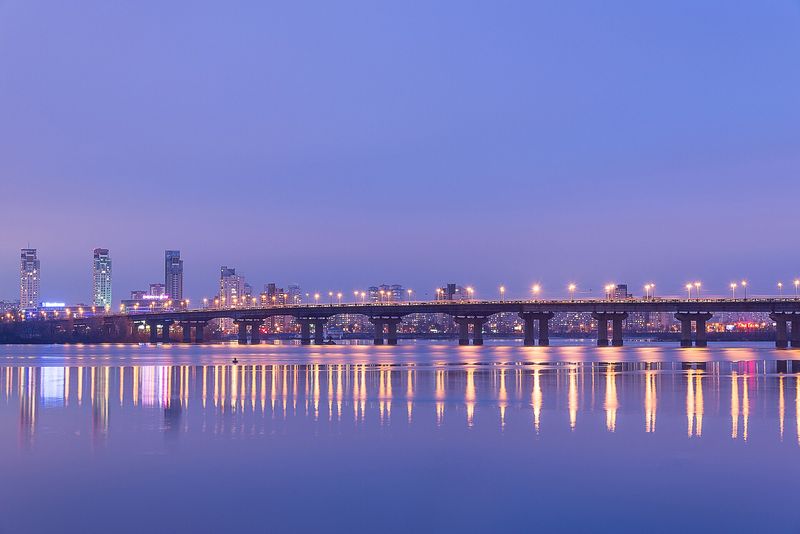
While the statements flew, the physical facts in Kyiv kept compounding, and they deserve recording separately from either man’s framing. The bridges across the Dnipro have come under attack for the first time in Russia’s nearly five-year war — a development with consequences beyond any single night’s damage, because the crossings bind the city’s two banks together for ambulances, repair crews, fuel and food as much as for commuters. Damage linked to the strikes, including to the Southern Bridge, has hampered a metro system already frequently halted by outages. Street lighting is almost completely out, according to Klitschko’s account of the generator and lighting situation. Water outages are city-wide, lasting hours, and more frequent than in prior years. Centralised heating — the system that keeps Soviet-era apartment blocks habitable through a Ukrainian winter — has still not been returned, with temperatures near freezing.
Each of those facts cuts both ways politically, which is why the feud is so hard to settle rhetorically. A halted metro and dark streets are, in part, the direct product of strike damage no mayor could have prevented. Unrestored heating in November is, in part, a preparation question no missile can fully answer. Residents experiencing all of it at once are unlikely to grade the two failures separately — and both leaders know it. The political risk is shared even when the blame is not.
Why this matters beyond Kyiv
The first reason is military. Russia’s energy campaign is a strategy, not a series of accidents: by striking generation, substations and now river crossings as winter arrives, Moscow is testing whether cold and darkness can do what its ground offensives have not — break a capital’s functioning and its politics at the same time. A public split between the president and the mayor of the capital is, from that perspective, not a side effect of the campaign. It is one of its objectives. Every hour Ukraine’s leaders spend contesting blame is an hour demonstrating the friction the strikes were designed to produce. That does not mean either man should stay silent about genuine failures. It means the argument itself now has a strategic cost, whoever wins it.
The second reason is practical, and it is about air defence arithmetic. Ukraine is short of interceptors for the fastest threats, and every allocation is a choice: a battery defending a power station is not defending a front-line city, an arms depot or another region’s grid. Klitschko’s demand for air defence over key Kyiv facilities is reasonable in isolation and impossible to grant in full in aggregate — seven regions lost power in a single night this week. Zelenskyy’s government owns that impossible arithmetic, which is the strongest version of the mayor’s case. But the president owns a counter-question that is equally hard to dodge: if strikes on the grid were certain to come, why was the capital’s own resilience — heating, backup generation, water — not further ahead when they arrived? That is the strongest version of his.
The third reason is about what winter does to timelines. In summer, a power dispute can smoulder for weeks. In November, with heating unrestored and temperatures falling, every political question becomes an emergency question on a deadline set by the weather. A resilience plan approved late is not an abstraction; it is measured in cold apartments. A meeting that does not happen is not a protocol snub; it is a repair decision that does not get coordinated. The feud’s real danger is not embarrassment. It is delay, compounding nightly, in a city of 3 million people who cannot wait for its leaders to finish arguing about whose delay it was.
Who wins, who loses
In the short term, neither man wins. Zelenskyy has the larger platform and the first word, and his preparation charge lands on verifiable ground — the heating is, in fact, not back. But a president blaming a mayor during a national emergency also absorbs a share of the public’s anger by proximity: he is the head of the state that could not keep the capital lit, and voters under martial law have long memories. Klitschko, for his part, has the boxer’s instinct for the counterpunch and the stronger single line — no air defence, no functioning facilities — but he has run Kyiv for more than a decade, and a decade is a long time to plead that the city’s fragility is someone else’s fault. His claim that the president has sounded out replacements to lead the capital’s military administration also raises the stakes for him personally: if the government moves to sideline the elected mayor mid-crisis, the feud stops being rhetorical and becomes a fight over who governs Kyiv at all.
The clearer losers are easier to name. Kyiv’s residents lose if the dispute slows approvals, repairs or air-defence decisions by even a day. Ukraine’s Western partners, watching a capital’s leadership feud in public while being asked for more interceptors and winter aid, are handed a complication none of them needed. And Russia, which loses nothing from the argument, gains the spectacle it paid for in missiles. The only actor who could convert the feud into something useful is whichever leader first trades a public point for a private meeting — because the substantive questions underneath the rhetoric, heating timelines, generator coverage, bridge repair and battery allocation, are all solvable, and none of them will be solved on X or in a video address.
What happens next
Three things will show, quickly, whether Friday was a venting of pressure or the start of a deeper rupture. The first is the resilience plan: if approval and implementation now move visibly faster, both sides can claim the argument worked. If it stalls again, Klitschko’s central factual charge gains weight with every cold night. The second is the military administration question. Klitschko has put on record that the president approached former officials about leading it; any actual appointment would confirm the feud has become institutional, and would be read in Kyiv as the government reaching for direct control of the capital. The third is the sky. Another mass strike on Kyiv’s grid — and this autumn’s pattern says one is coming — will test both men’s Friday claims against fresh damage, in public, with no time to prepare statements.
Underneath all three sits the number that should discipline everyone involved: 2 gigawatts needed, 16 megawatts of city-installed backup for water, heating still off, in a capital of more than 3 million people, at the edge of winter. The Zelenskyy Klitschko Kyiv blackouts feud will be remembered, if it is remembered, as the week Kyiv’s leaders argued in the dark. What the city needs from both of them is considerably simpler than an argument won. It needs the lights back — and it needs them back before the cold, rather than the politics, decides how this winter is remembered.
Reporting based on Reuters reporting from Kyiv on November 6, 2026, the public statements of President Volodymyr Zelenskyy and Mayor Vitali Klitschko, and Klitschko’s interview with Suspilne. Strike and outage claims are attributed to the officials and outlets that reported them.