Key topics: Zelensky ready to meet Putin · Graham Sanctions Act tariffs Russia · Trump tariffs Russian oil buyers · Ukraine Russia energy ceasefire UNGA
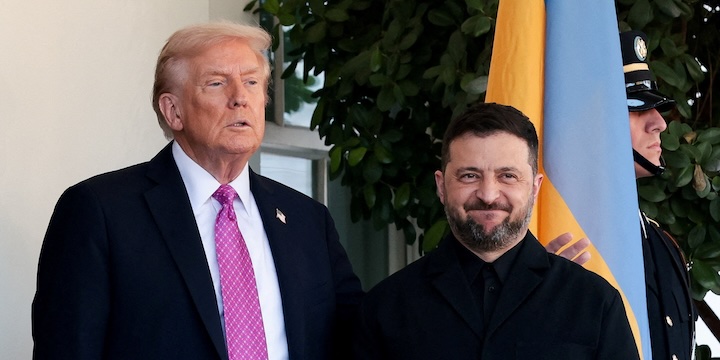
UNITED NATIONS — Zelensky ready to meet Putin was the clearest diplomatic message to emerge after Ukraine’s president met Trump for about 40 minutes on the sidelines of the U.N. General Assembly in New York. The sharper policy request was economic: Zelenskyy urged Trump to use tariff powers created by the Graham Sanctions Act against countries that continue buying Russian energy.
“I’m very thankful to the Americans,” Zelenskyy said while discussing the law. “I hope the president will use this instrument.” Trump replied that the measure gave him “enormous new tariff authorities” and added: “And, if necessary, I will have to use them.” The gap between those statements is the central issue. Zelenskyy is trying to turn Trump’s conditional “if necessary” into a decision taken now.
On negotiations, Zelenskyy made his availability explicit. “I’m ready,” he said. “I’m ready anytime.” He then framed the contrast this way: “You hear from Ukraine, ‘Yes’ ... and we don’t hear from Russia.” That declaration does not create a summit, settle an agenda or guarantee compromise. It does give Kyiv a concise answer to claims that it is blocking direct diplomacy, while placing pressure on the Kremlin to accept or reject a face-to-face meeting.
Zelenskyy later called the meeting “positive and productive,” said both sides wanted the war ended before winter, and referred to “potential de-escalatory steps.” His official post also said the two leaders discussed work on producing Patriot interceptors in Ukraine. No tariff order, weapons transfer, ceasefire text or Russian commitment was announced.
Why This Matters: A Pressure Tool Is Now Available
The political significance is not that Washington lacks sanctions options. It is that Congress has supplied a newly signed instrument with an unusually high ceiling and left deployment largely to Trump. Zelenskyy can now point to a defined authority rather than ask broadly for more pressure. That makes inaction more visible and more attributable.
The tariff power is also aimed beyond Russia. Its potential targets are countries and firms that sustain Russian export revenue by buying crude or refined products. That could move the pressure point toward Beijing and New Delhi, where decisions about trade volumes may matter more to Moscow than another restriction on entities already cut off from the U.S. financial system.
But authority is not effect. Tariffs can take months to alter contracts, shipping patterns and refinery inputs. Russia has spent about four and a half years since its February 2022 full-scale invasion adapting to restrictions through discounted sales, alternative insurers, intermediaries and new payment routes. A maximum rate on paper will matter only if the administration defines who is covered, when it starts, what exemptions apply and how evasion is penalized.
Background: Pressure, Summits and a War Nearing Five Years
The exchange came after a contentious Oval Office meeting earlier in 2026 and a long series of contacts that did not produce a settlement. U.S. envoy Steve Witkoff has met Putin eight times, while Trump’s Anchorage summit with the Russian president raised expectations of a negotiating channel without resolving the central disputes over territory, security guarantees, sanctions and sequencing.
The diplomatic record helps explain Zelenskyy’s emphasis on leverage. He argues that Putin will not change course without greater pressure. Estonian Foreign Minister Margus Tsahkna offered an even more skeptical interpretation, saying Putin was using Trump to stall. “Putin started this war. Putin can stop it,” Tsahkna said. That is Estonia’s view, not an established description of every Russian motive, but it reflects concern among states closest to Russia that talks can consume time while military operations continue.
The Kremlin rejects that account. Spokesman Dmitry Peskov said Moscow favors “lasting peace” rather than a temporary truce. Russia presents a durable settlement as preferable to a pause that would let Ukraine rearm; Kyiv and several European governments counter that Moscow invokes long-term settlement terms while declining immediate, testable restraint. Neither position establishes that a face-to-face meeting is imminent.
A September 14 energy-standstill proposal was one effort to narrow the problem. The idea was to suspend attacks on energy infrastructure rather than wait for agreement on the whole war. It did not become a mutually accepted, enforceable ceasefire. The same obstacle remains: Ukraine says any restraint must be reciprocal, while no Russian agreement has been announced.
Ukraine’s refinery campaign is part of that bargaining context. Kyiv expanded long-range attacks on Russian refining after Moscow’s repeated strikes on Ukraine’s power grid. Ukraine describes the campaign as a way to constrain fuel supply and export revenue; Russia calls strikes on its territory terrorism and has continued attacks it says target military and energy infrastructure. The legal and factual assessment of individual strikes depends on the target, weapon and civilian effects.
Graham Sanctions Act Tariffs Russia Through Its Buyers
The new law allows targeted tariffs of up to 100%, according to Trump’s public description. The mechanism attempts to change the calculation of third-country buyers: continued access to discounted Russian energy could become less valuable if it raises the cost of their exports to the United States.
Supporters describe this as leverage over the revenue sustaining Russia’s war. Critics see a blunt instrument that can fall on trading partners, U.S. importers and consumers before it changes Kremlin policy. Retaliation, rerouted trade and exemptions could dilute the impact. Oil is fungible, and a buyer that reduces direct purchases can acquire similar barrels through intermediaries unless enforcement follows ownership, shipping and payment chains.
The phrase 100 percent tariffs Russian crude importers captures the maximum penalty but not the policy design. A ceiling is not an automatic rate. The administration could apply it selectively, stage it over time, issue waivers or keep it unused. Markets will therefore watch implementing orders, covered product codes and enforcement dates more closely than the statutory headline.
Trump Tariffs Russian Oil Buyers: China and India Are the Test
Zelenskyy identified India, Turkey and especially China as countries supporting Moscow through economic ties. The shorthand China India Russian oil imports sanctions masks different relationships: trade volumes, refinery configurations, diplomatic leverage and exposure to U.S. markets vary substantially across countries.
If Trump applies the authority, pressure on Beijing and New Delhi would test how far Washington will risk friction with major partners to reduce Russian revenue. Buyers could demand deeper discounts, which would hurt Moscow even if barrels keep moving. They could also resist, retaliate or seek alternative markets. That makes the tariff a foreign-policy tool with consequences for fuel prices, supply chains and wider U.S. relations.
If Trump keeps the authority in reserve, the threat may still influence negotiations. Yet a threat repeatedly deferred can lose credibility. Zelenskyy’s public request creates a future reference point: if Russian attacks continue and the tariff remains unused, Kyiv can say it asked Washington to deploy a tool Congress had already authorized.
Zelensky Winter Arms Package, Patriots and an Energy Ceasefire
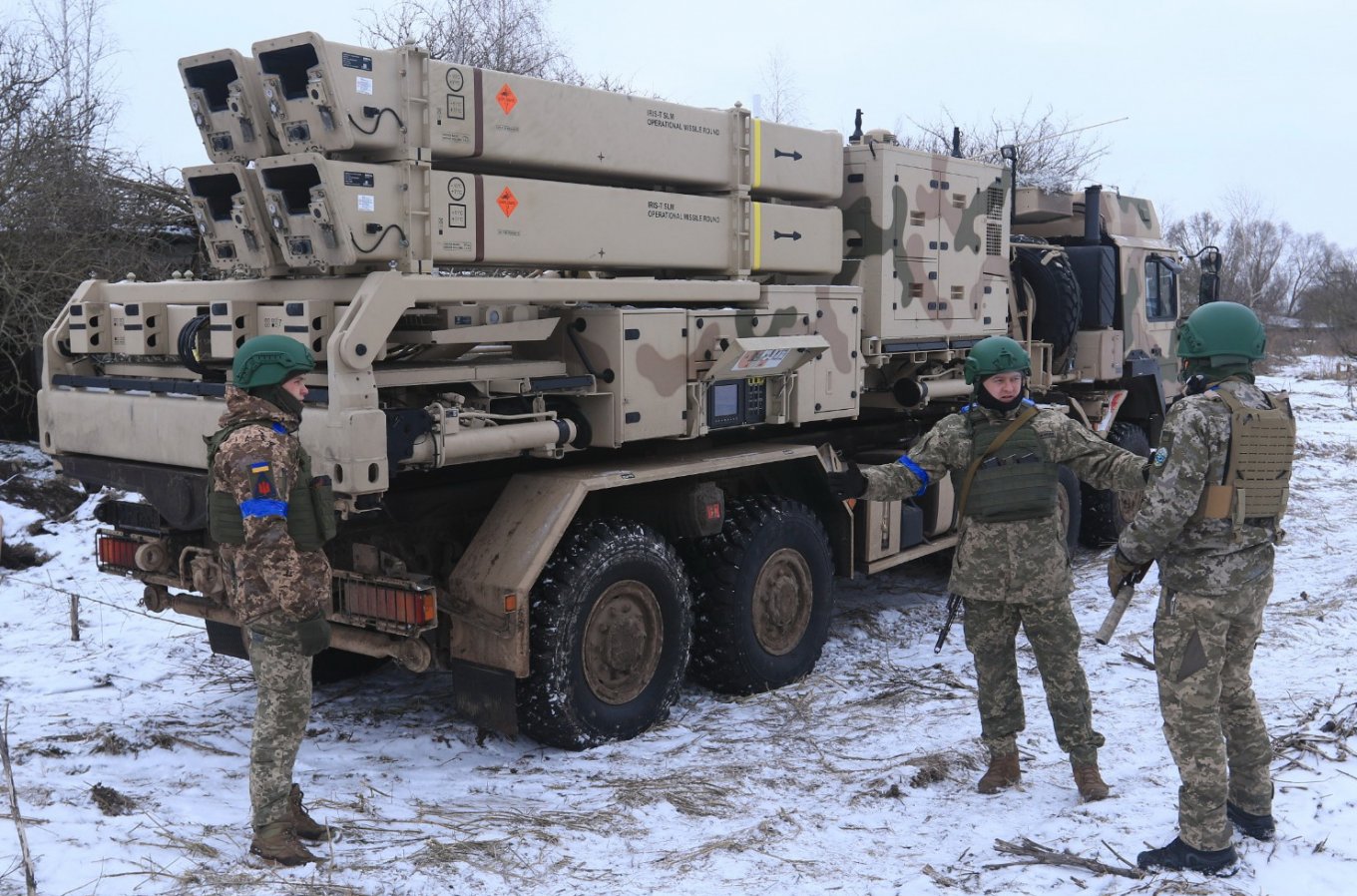
In a same-day Wall Street Journal interview, Zelenskyy asked for a “winter package” that included Patriot systems and said he expected Trump to pursue an energy ceasefire. Work on Patriot-interceptor production in Ukraine could eventually expand supply, but it does not answer immediate questions about launchers, missiles, financing or delivery schedules.
The Ukraine Russia energy ceasefire UNGA discussion therefore joins two separate needs: deterrence if diplomacy fails and restraint if it succeeds. Kyiv wants air defense against Russian attacks while retaining refinery strikes as leverage until Moscow agrees to reciprocal limits. Moscow has not accepted the proposed energy ceasefire, and Peskov’s preference for a comprehensive settlement leaves the narrower offer unresolved.
Zelenskyy also said Ukraine destroyed 45 percent Russian refining capacity. That is Zelenskyy’s claim, not an independently verified national measure. “Destroyed” can range from a damaged unit temporarily offline to long-term loss, and refining capacity is not the same as actual throughput. Repairs, spare capacity and imports can reduce the sustained effect.
Our earlier coverage explains the distinct tracks: the Trump–Zelensky UNGA meeting and proposed energy ceasefire, Trump’s signing of the Lindsey Graham sanctions act, and the pressure surrounding Ukrainian refinery strikes.
The Numbers in Context
100%: the tariff ceiling Trump said the law provides. It is potential authority, not a tariff already imposed on every buyer of Russian energy.
45%: the share of Russian refining capacity Zelenskyy claimed Ukraine had destroyed. Signal Post News has not independently verified the percentage, and the operational meaning depends on how much capacity remains offline.
212 launched; 186 claimed intercepted: Ukraine’s air force said Russia launched a combined overnight wave of drones and missiles and that Ukrainian defenses intercepted 186. Those are Ukrainian official figures. Independent verification of every launch and interception was not available at the reporting cutoff.
Five killed: by the cutoff, Ukrainian local officials had reported five deaths across Dnipro, Kryvyi Rih and Pavlohrad. Earlier updates listed four, illustrating how casualty figures changed as rescue and hospital reporting continued.
About 100,000 without power: Ukrainian officials said roughly that many consumers in the Chernihiv region lost electricity. Ballistic strikes also hit Naftogaz facilities in Poltava, according to Ukrainian reporting. Russia did not provide an independently verifiable account of each target.
Eight injured: Kyiv officials reported eight people hurt in an evening attack involving jet-powered drones. The figure remained subject to revision as medical assessments continued.
More than 500,000 Russian troop deaths: Western officials have given estimates above that level. Moscow has not confirmed the figure, and wartime casualty accounting is disputed.
More than 500,000 Ukrainian casualties, including up to 140,000 dead: the Associated Press has reported estimates at those levels. Kyiv does not publish a complete real-time total, and methodologies differ, so the numbers should be treated as estimates rather than a settled count.
Minus 20°C: the temperature reached during the previous winter cited in the U.N. commission’s warning. Millions were left without power or heating during that period, according to the commission. The comparison explains why energy protection is a humanitarian issue as well as a military and economic one.
Winners, Losers and Critics
Ukraine could gain if tariff pressure reduces Russian revenue or brings Moscow toward talks, and if the winter package improves protection before the next major strike cycle. Zelenskyy also gains a diplomatic argument from saying yes to direct talks without conceding positions in advance.
Trump could gain if he converts congressional authority into a measurable change without committing U.S. forces. He also bears the political cost if tariffs lift prices, strain relations with India or China, or fail to alter Russian behavior.
Russia could lose revenue or pricing power if buyers reduce purchases or demand larger discounts. Moscow could also benefit if implementation is slow, fragmented or waived, allowing it to demonstrate that sanctions threats do not change its terms.
Major oil buyers and consumers face risk. Importers may incur higher trade costs, while households and businesses could see secondary effects through fuel and goods prices. European allies may welcome stronger pressure but worry about uneven enforcement and market disruption.
Critics of tariffs argue that Russia has adapted and that delayed economic effects do little for civilians facing attacks now. Critics of additional arms say they can prolong fighting or expand U.S. exposure. The opposing view is that diplomacy without credible pressure rewards delay and leaves Moscow little reason to compromise. The evidence so far does not prove either a tariff threat or a summit offer will produce a settlement.
Three Scenarios for Tariffs and a Trilateral Meeting
1. Trump uses the tariff authority. Washington applies targeted duties and pressures Beijing and New Delhi to reduce Russian oil purchases or accept higher costs in the U.S. market. Moscow’s revenue could fall through lost volume or deeper discounts. The counter-risk is retaliation, evasion and higher consumer prices before the policy changes battlefield choices.
2. Trump holds the authority in reserve. The White House treats the tariff as bargaining leverage during the Rubio–Lavrov meeting and later contacts. If no agreement follows, Zelenskyy’s September 22 request becomes a future blame marker: Kyiv can argue that Washington possessed a pressure tool and chose not to use it.
3. Moscow refuses a face-to-face meeting. Zelenskyy retains the “we said yes” framing and can press allies to conclude that the immediate obstacle lies with Russia. A refusal would not establish that Kyiv accepts Moscow’s preferred terms, but it would keep the procedural burden on the Kremlin. A trilateral meeting Trump Putin Zelensky remains possible only if all three governments agree on conditions.
What Happens Next
Zelenskyy is scheduled to deliver his fourth U.N. General Assembly address since 2022 on Wednesday, September 23. The speech will show whether he keeps the focus on the tariff mechanism, the winter air-defense package or a direct challenge to Putin to meet.
Rubio and Russian Foreign Minister Sergei Lavrov are also due to meet Wednesday. Watch for whether the U.S. side presents a deadline, a written energy-ceasefire concept or specific sanctions conditions. A meeting alone would show that the channel remains open, not that positions have narrowed.
The most useful evidence will be operational: an implementing tariff order; named countries, products and dates; a Russian response to Zelenskyy’s meeting offer; concrete Patriot allocations; or a written reciprocal energy arrangement. Until then, the UNGA meeting has changed the politics of the choice more than the facts on the ground. Zelenskyy has named the instrument and said yes to talks. Trump and Putin now decide whether those openings become policy.
Sources and Reporting Notes
- New York Post, September 22, 2026: Zelenskyy’s tariff request, meeting offer and public exchange with Trump.
- The Wall Street Journal, September 22, 2026: Zelenskyy interview on the winter package, Patriots, refinery campaign and energy ceasefire.
- USA Today, September 22, 2026: Estonia’s assessment of Putin’s negotiating strategy and the diplomatic background.
- Office of the President of Ukraine, September 22, 2026: Zelenskyy’s account of the Trump meeting and de-escalation discussion.
Reporting cutoff: September 23, 2026, 12:15 a.m. Pacific time. Casualty totals and battlefield figures can change. The 45% refining figure is Zelenskyy’s claim; Russian and Ukrainian military casualty totals are attributed estimates. The analysis of tariff transmission, bargaining incentives, winners, losers and scenarios is Signal Post News synthesis.