
A man suffered serious injuries in a Yorkshire Wildlife Park tiger attack on Saturday after entering the Land of the Tigers enclosure at the attraction near Doncaster, South Yorkshire Police said. The park was evacuated, emergency crews converged on the scene and the attraction closed for both Saturday and Sunday while police and park officials investigated.
Police said they were called at about 1:35 p.m. local time after a man entered the enclosure and was attacked. The force said the tiger remained inside the enclosure and there was no wider risk to visitors or the surrounding community. Officers were working to contact the injured man's family, and no further detail about his identity or condition was released.
What happened at Land of the Tigers
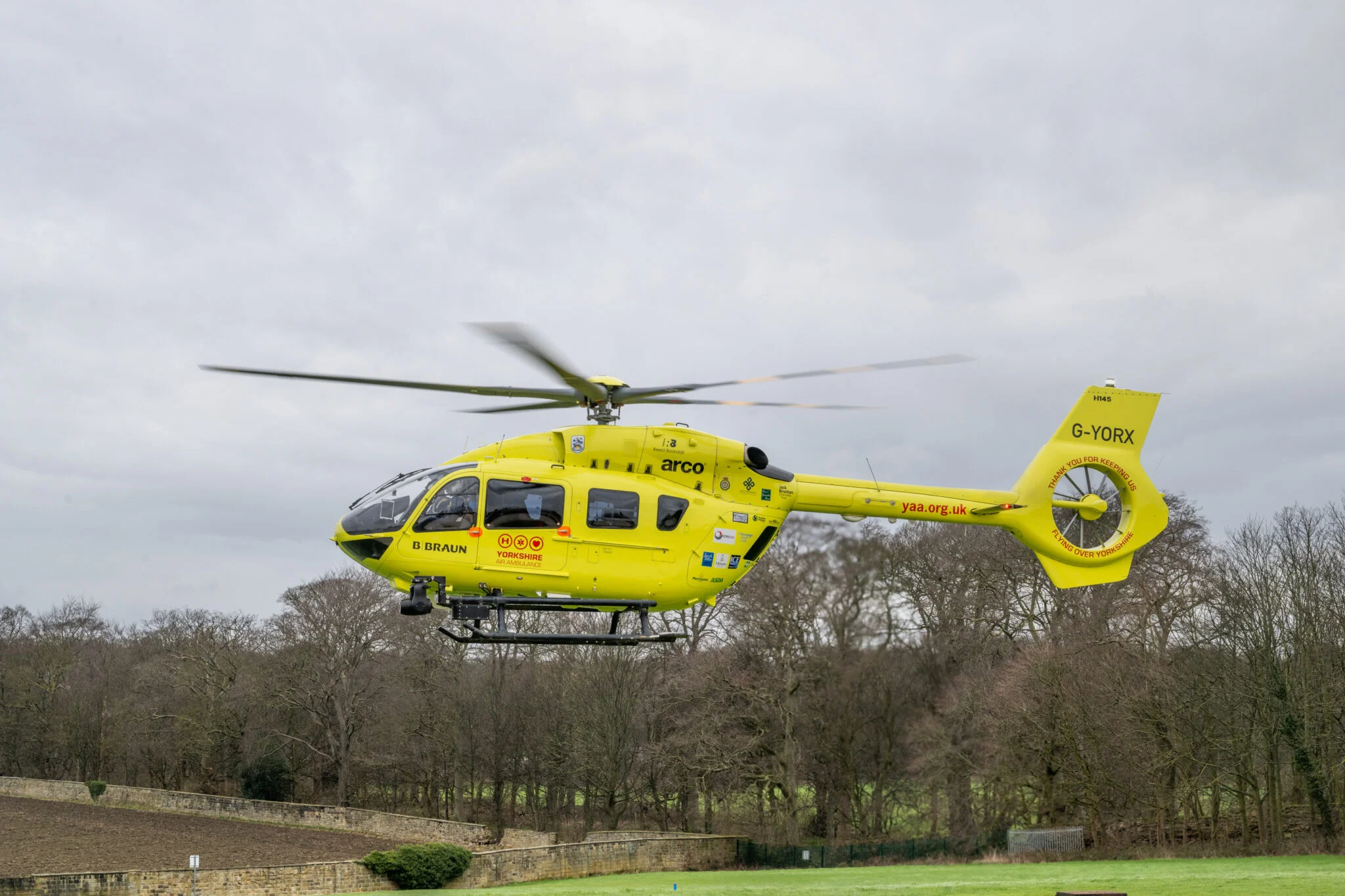
Yorkshire Ambulance Service said it received the call at 1:33 p.m. and dispatched two land ambulances, the Yorkshire Air Ambulance and a doctor. The two-minute gap between that call and the police timestamp is consistent with parallel emergency notifications, not a contradiction. Visitors were moved away from the area, the walkway near the enclosure was closed at about 2 p.m., and the evacuation expanded across the park.
Witnesses told news outlets that the man appeared to jump into the enclosure. That remains a witness claim: police used the narrower description that he was seen entering it. Other visitors reported hearing about five loud bangs, which they believed were gas canisters or tranquilliser darts, and said black screens or tarpaulin were placed around the scene. Those details have not been independently confirmed by police.
A stretcher was reportedly seen inside the enclosure during the response. The size of the deployment—two road ambulances, an air ambulance, a doctor and police—indicates that responders treated the injury as grave. It does not establish the man's precise injuries, prognosis or the sequence of contact inside the enclosure, and none should be inferred before authorities provide them.
Why this matters
The immediate story is one person's medical emergency. The larger public-interest question is how anyone could cross the layers separating visitors from a big-cat habitat at one of Britain's major wildlife attractions. That is not yet evidence of a defective barrier or failed procedure. It is the central question an investigation and safety review now have to answer.
The incident also exposes the difficult balance between public safety and animal welfare. A tiger responding to an unauthorised human presence inside its enclosure is not behaving outside its nature. Emergency plans must protect the person in danger, responders, other visitors and the animal at the same time. Police said the tiger remained in the enclosure, and authorities have given no indication that it was harmed.
The park said it activated emergency procedures, worked with authorities and would remain closed on October 10 and 11. Closing for the full weekend creates space for evidence preservation, staff interviews and inspection of barriers and access points. It also prevents a rushed reopening before officials understand whether the entry was enabled by a physical vulnerability, a deliberate act or some combination of circumstances.
The video police asked people not to share
South Yorkshire Police urged the public not to circulate distressing footage of the attack. Signal Post News is not embedding or linking to that material. The warning is more than a matter of taste: viral images can reach family members before official notification, expose bystanders and responders, and complicate an investigation by spreading partial scenes stripped of timing and context.
There is legitimate public interest in how the breach happened and how the emergency was handled. That interest can be served through verified timelines, official findings and accountable reporting without replaying a person's worst moments. The distinction matters particularly while police are still trying to contact relatives and while essential facts remain unknown.
What is known—and not known—about the tiger
The Sun reported that the animal was believed to be a male tiger named Altai. That identification has not been confirmed by police or in the park statement cited in initial coverage, so it should be treated as reported rather than established. The confirmed point is narrower: police said the tiger stayed in its enclosure and posed no wider danger.
That fact shapes the welfare discussion. There is no public indication that the tiger escaped, needed to be recaptured or was injured during the response. Visitors' reports of bangs believed to be gas canisters or tranquilliser darts do not prove what devices were used or whether any dart struck the animal. The investigation should distinguish emergency-control measures from speculation built around sounds heard during a chaotic evacuation.
How the emergency timeline should be read
The known sequence begins at 1:33 p.m. with the ambulance-service call, followed by the police call at about 1:35 p.m. The nearby walkway was closed around 2 p.m., visitors were evacuated and the park announced a two-day closure. Each decision enlarged the safety perimeter as responders moved from the immediate medical rescue to site control.
The scale of the response supports the official description of serious injury, but it should not be used to invent a diagnosis. Air ambulances and doctors are deployed because speed, specialist treatment and transport options may matter. They are not a public medical bulletin. Until the family is notified and clinicians or police release more, the responsible description remains “serious injury.”
The timing also gives investigators a framework: emergency-call recordings, staff radio traffic, visitor video that is supplied privately to police, access-control records and barrier inspections can be aligned minute by minute. That evidence can show where the man entered, when staff recognised the breach, what measures were taken and whether protocols operated as designed.
Privacy, accountability and the investigation
The injured man's identity and motive are not known, and speculation would serve neither public safety nor his family's privacy. The public-interest case does not depend on naming him. It depends on establishing how entry occurred, whether the barrier system met its design and maintenance requirements, and whether staff and emergency services had workable plans for an enclosure breach.
The park's actions will be scrutinised, but scrutiny should follow evidence. A rapid evacuation and weekend closure may indicate that emergency plans were activated effectively; investigators will still need to test response times, communications and crowd movement. Likewise, a deliberate breach would not automatically absolve an operator if preventable access weaknesses existed. Both possibilities can be examined without choosing a conclusion in advance.
Health and Safety Executive involvement has not been announced in the initial reports. Whether the regulator or another local authority takes a formal role will depend on jurisdiction and the evidence gathered. Any review could consider physical barriers, restricted access, surveillance, staff intervention and the interface between visitor routes and animal habitats.
What happens next
Police determine how the enclosure was entered
The first unresolved question is the route and method of entry. Witness accounts that the man jumped may help investigators, but they are not a substitute for video, access records and physical inspection. Police will also decide whether any criminal or public-order issue arises, while keeping medical and family information appropriately limited.
The park reviews barriers and procedures
Yorkshire Wildlife Park will be expected to inspect the Land of the Tigers area before reopening it, assess whether any change is needed and support staff and visitors affected by the incident. The announced closure covers Saturday and Sunday; no more specific reopening timetable was included in the initial statement.
The tiger's status needs authoritative confirmation
Public concern will continue until the park confirms which animal was involved and its condition. The only official assurance so far is that the tiger remained in the enclosure. Any account of tranquillisation or other intervention should wait for the park or authorities to document it.
Related coverage
Sources
- LADbible — South Yorkshire Police statement, timing and public warning
- The Sun — park and ambulance-service statements and reported tiger identification
- BritBrief — attributed witness accounts from the evacuation
Verification note: Police confirm that a man entered the enclosure, was attacked and suffered serious injury. Reports that he jumped, that bangs were tranquilliser darts or gas canisters, and that the tiger was Altai remain attributed claims.
Reporting separates official findings from witness claims and does not reproduce distressing footage.