Yoon Suk Yeol acquitted on appeal
South Korea's Seoul High Court ruled that 58 free opinion polls worth 270 million won were "political assistance," not illegal financial contributions — overturning a lower-court prison sentence for the former president and acquitting political broker Myung Tae-kyun. The special counsel is expected to take the case to the Supreme Court.
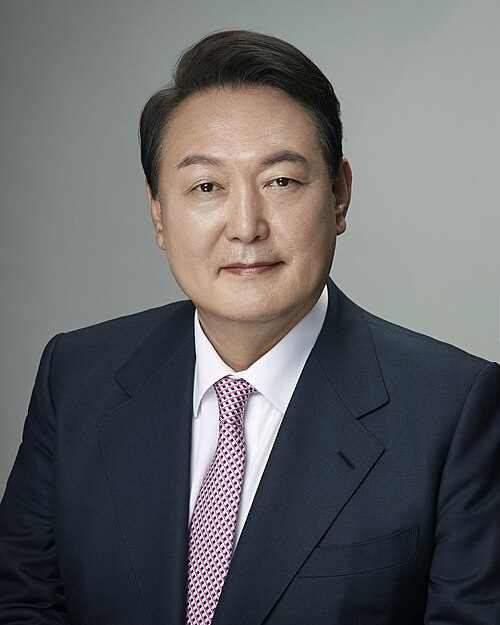
Yoon Suk Yeol was acquitted on appeal Wednesday in the free opinion polls case, as South Korea's Seoul High Court ruled that 58 opinion polls provided to the former president free of charge were political assistance rather than illegal financial contributions under the Political Funds Act. The ruling overturns a lower-court prison sentence and clears both Yoon and political broker Myung Tae-kyun, who had received an 18-month sentence in the first trial. Yoon was accused of colluding with his wife, former first lady Kim Keon Hee, to receive polls worth a total of 270 million won (about $202,000) on 58 occasions between June 2021 and March 2022. He smiled toward the gallery as the verdict was read. The decision is the latest turn in the legal saga that followed Yoon's removal from office after his December 2024 martial law declaration.
Why this matters
Campaign-finance law lives or dies on one distinction: what counts as money. The appellate judges drew the line where prosecutors did not expect, ruling that opinion polls, even worth hundreds of millions of won, are political advice rather than political funds. The decision does not free Yoon; he remains entangled in the far graver insurrection case over martial law. But it narrows the state's legal tools, gives his defense a precedent, and puts political consultants in Seoul on notice that polling now sits in a gray zone in a country known for aggressive campaign-finance enforcement.
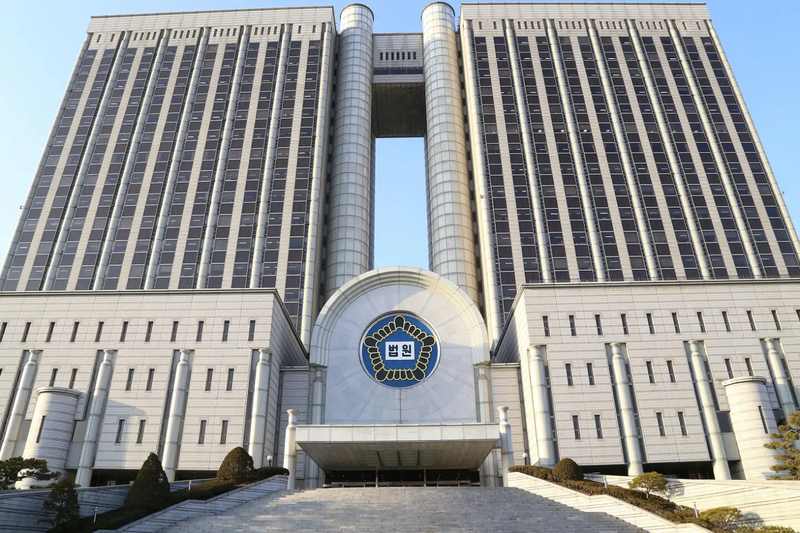
What the court decided
The lower court had found an implicit agreement between Yoon, his wife and Myung over customized polls and a quid pro quo tied to nominations, convicting on 14 polls and sentencing Yoon to two years in prison plus a 13.96 million won fine. The Seoul High Court rejected that framework for all 58 polls — 36 released publicly and 22 kept private — holding that a Political Funds Act violation requires a financial benefit convertible into monetary value. In the appellate court's view, Myung's polling operation provided political assistance, not a financial benefit; the polls were one of several tools used to provide political advice. Because a political benefit is not a financial contribution under the Act, the charges collapsed. Myung was acquitted on the same reasoning.
How we got here
The case reaches back to the 2022 presidential campaign, when Yoon leaned on pollster Myung Tae-kyun for a steady stream of surveys. Prosecutors alleged the 58 free polls were an undisclosed in-kind contribution and that Yoon repaid the favor by exerting influence to secure the People Power Party nomination of former lawmaker Kim Young-sun. The lower court convicted on only part of that theory: 44 of the 58 polls, it said, could not be definitively linked to an agreement. On September 11, the special counsel team led by Min Jung-ki asked the appellate court to go further — four years in prison and a 137.2 million won fine for Yoon, and three years for Myung. Wednesday's ruling went in the opposite direction.
The wider legal web
The polls acquittal changes nothing about Yoon's most serious exposure. He was sentenced to life imprisonment in February for leading an insurrection through his short-lived December 3, 2024 martial law declaration; an appeal is underway. The Supreme Court upheld a separate seven-year prison sentence for obstructing authorities during efforts to arrest him. In September, the Seoul High Court upheld his acquittal on perjury charges tied to testimony in former Prime Minister Han Duck-soo's insurrection trial, and a court cleared him in the case over the appointment of former defense minister Lee Jong-sup as ambassador to Australia. Kim Keon Hee was acquitted in both trials of the same polls charges — courts found Myung provided the surveys unilaterally — and the special counsel has appealed her case to the Supreme Court.
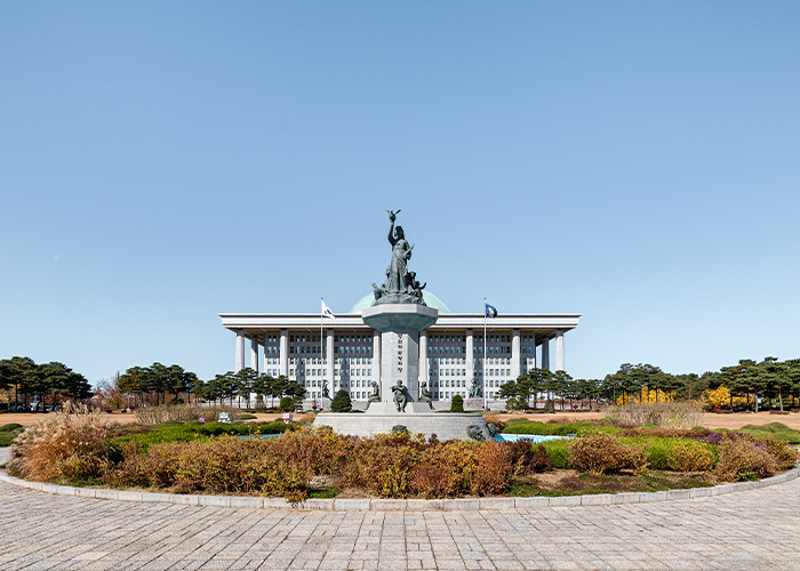
Who wins, who loses
The immediate winners are Yoon's defense team and the former president, with appellate judges now on record that the polls prosecution used the wrong legal category. The losers are the special counsel teams, which asked for the harshest penalties and lost this round. The deeper stakes belong to campaign-finance enforcement. Prosecutors and watchdog groups argue that the ruling blurs the line between paid political services and “advice,” potentially opening a channel for undisclosed campaign support through pollsters and consultants. Defense lawyers counter that criminalizing advice would chill ordinary political work and stretch the Act beyond what lawmakers wrote. Both readings remain live and will be tested if, as expected, the special counsel appeals to the Supreme Court.
What the numbers say
Fifty-eight free polls, 270 million won — about $202,000 — in alleged value, spanning June 2021 to March 2022. The lower court convicted on 14 of them, fined Yoon 13.96 million won and sentenced him to two years; the special counsel wanted four years and 137.2 million won. The appeals court convicted on zero. Compare the wife's case: acquitted in both trials, now before the Supreme Court. And compare the stakes elsewhere: a life sentence for insurrection and a seven-year obstruction sentence dwarf anything the polls case ever carried. The figures show the polls case was the smallest of Yoon's major legal threats and is now the one with no conviction standing.
What happens next
An appeal is expected. The special counsel already appealed Kim Keon Hee's polls acquittal to the Supreme Court, signaling it will fight the same legal question to the top rather than accept the “political assistance” framing. If the Supreme Court takes Yoon's case, it could settle for future campaigns whether free polling is a financial contribution or protected political advice. Meanwhile, the insurrection appeal continues — and it is that case, not this one, that will decide whether the 65-year-old former president spends the rest of his life behind bars.
Sources
- Korea JoongAng Daily, October 7, 2026
- Aju Press, October 5, 2026
- Xinhua wire report, October 7, 2026