War · Yemen · Middle East
War / Yemen — A pregnant mother who cannot be scanned or operated on, maternity wards converted into emergency rooms, and hospitals near Yemen’s front lines treating up to 700 war wounded in a single week: in Taiz, a city largely isolated since October 3, the Red Cross says a healthcare system that was already half-broken is now at breaking point.
Track it live: Middle East war tracker · Live wars tracker
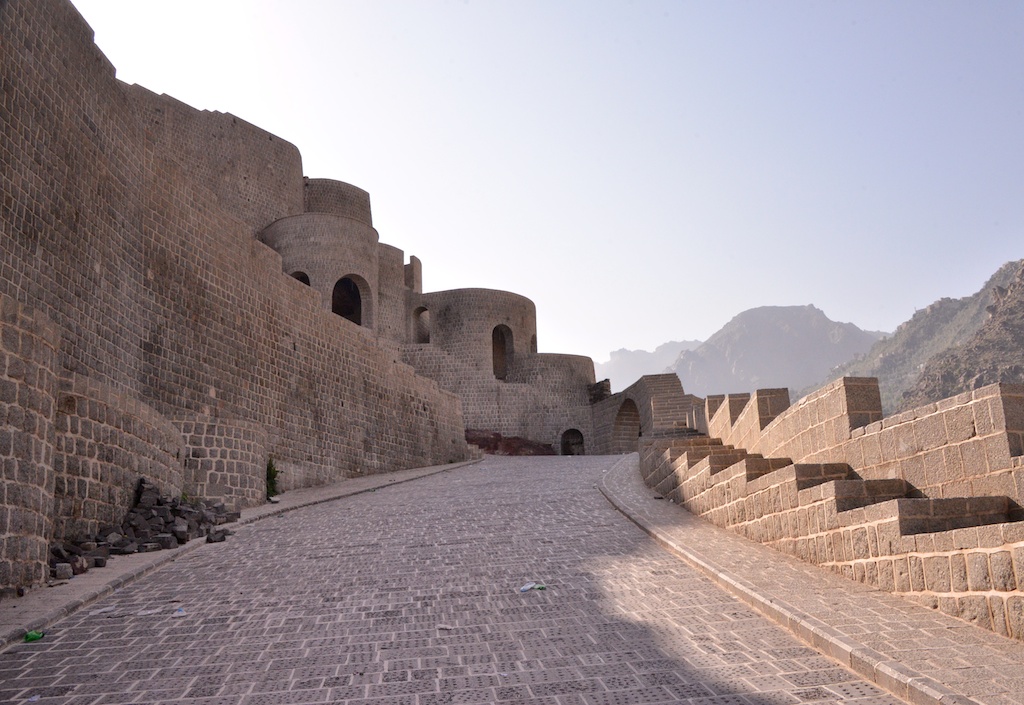
In a ward at Al-Thawra hospital in Taiz, 25-year-old Amal al-Sabri lies immobilised, a sniper bullet lodged near her spine. Al-Sabri, a mother of two who is more than four months pregnant, was shot in the village of al-Shaqb, on the slopes of Mount Sabir overlooking the city, and spent two days trapped inside her home without food or water before she could be brought in, Reuters reported on Thursday. Her case has become a measure of what Taiz’s hospitals can no longer do: medics at Al-Thawra told Reuters they could not even perform a scan, because of her pregnancy.
“The bullet entered from the side and is now lodged near the spine. They (the doctors) couldn’t remove it because of the fetus. Now I am giving up the fetus,” al-Sabri told Reuters. The choice she describes — between her own mobility and her unborn child — is one her doctors did not set out to impose. It is what remains when a hospital is asked to practise trauma medicine without the imaging, supplies or specialist cover the case requires, in a city that fighting has cut off from the rest of the country.
700 wounded in a week, into a system already half closed
Al-Sabri is one patient in a much larger inflow. Hospitals near Yemen’s front lines are treating up to 700 war wounded in a single week, according to the International Committee of the Red Cross, as reported by Reuters. “The healthcare system across Yemen is at a breaking point,” Red Cross spokesperson Hachem Osseiran told Reuters. That judgment starts from an already depleted baseline: even before the latest fighting, more than 40 percent of hospitals and healthcare facilities across Yemen were closed or only partially functioning, the ICRC says.
The heaviest casualty loads are falling on Taiz, on Marib to the east and on the Red Sea coast, the Red Cross says, and the injuries are the kind that consume the most scarce resources — gunshot wounds and complex blast injuries that need surgery, blood, anesthetic and intensive follow-up. In Taiz, the UN and aid agencies say health needs are critical, with acute shortages of medicine, oxygen, surgical gloves, anesthetic and fuel, according to Reuters. A hospital can ration gloves and reuse little else on that list: without oxygen and anesthetic, operating theatres stop; without fuel, generators, ambulances and water pumps stop with them.
The strain is also rewriting what wards are for. Maternity wards near the front lines are being converted into emergency rooms, and Osseiran described doctors forced to choose between helping a woman deliver her baby and rushing to a person bleeding from a gunshot wound. That is not a metaphor for pressure. It is a description of triage applied to two patients who, in a functioning system, would never have been in competition for the same doctor.
A city cut off since October 3
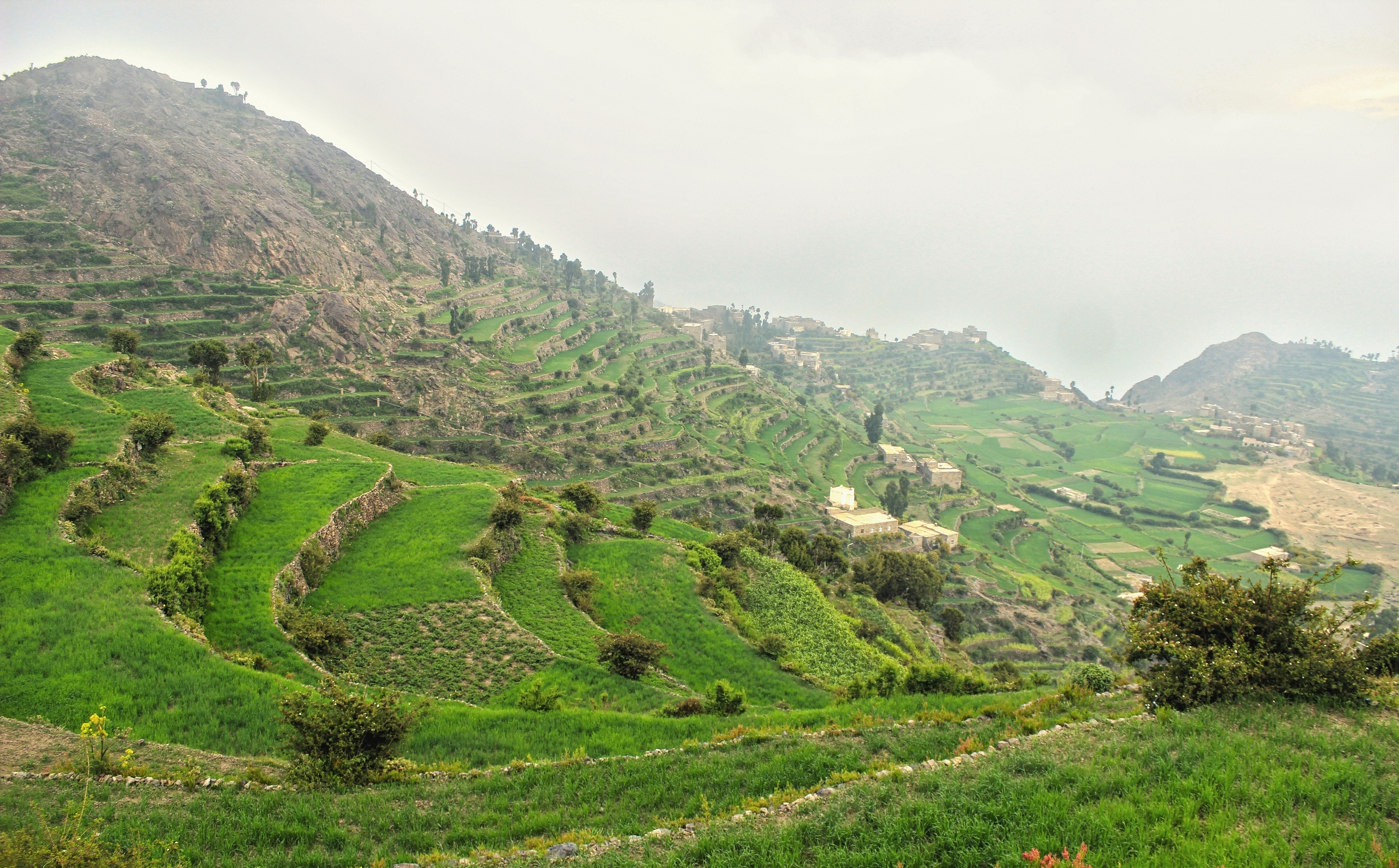
Taiz’s hospitals are not only treating the fighting; they are treating the displacement it causes. Taiz governorate hosts about half of the 281,000 people newly displaced across Yemen since the start of August, Reuters reported, and the governorate has been largely isolated since October 3, with fighting preventing humanitarian supplies from entering and civilians from leaving. The World Health Organization, in an update on Wednesday reported by UN News, said Taiz City remains almost entirely surrounded by Houthi forces, that access to Taiz province from government-controlled Aden and from the west coast remains restricted, and that movement restrictions have forced community midwives to stop working — removing the first line of maternity care in the communities that depend on it.
This newsroom has followed the tightening ring around the city through the autumn, including the government offensive and the displacement wave the UN counted earlier this month in our report on fighting in Taiz and the nearly 260,000 people who had then fled their homes since August. The figure has since risen to 281,000, and the share concentrated in Taiz governorate has stayed at roughly half — a concentration that lands on clinics inside the same sealed perimeter as the fighting.
The one consignment of outside help the week produced was measured in kits, not convoys. The WHO delivered trauma and emergency surgery kits to Taiz City hospitals at the weekend, shared among several facilities, according to the WHO update reported by UN News on Thursday. The same update listed what the kits cannot fix: acute shortages of medicines, fuel and water, disrupted waste management, dumps too dangerous to reach, and a rising risk of disease outbreaks. A surgery kit treats the wounded already in the ward. It does not chlorinate water, empty a landfill or put diesel in a generator.
Hospitals and an ambulance under fire
The facilities absorbing this load are themselves being hit. A hospital in Taiz’s Sabir Al-Mawadim district was struck by mortar fragments for the second time this month, and a strike on an ambulance killed its driver and a paramedic, according to the UN, as reported by Reuters. On Monday, a strike near Mocha General Hospital, on the Red Sea coast, where Doctors Without Borders (MSF) supports the maternity and pediatric wards, damaged the building and triggered panic, Reuters reported. MSF said such incidents are “preventing patients from coming to the hospital for fear of their lives.”
That deterrent effect is part of the casualty count, even though it appears in none of them. Every strike on or near a facility teaches the surrounding population that the hospital is a place of risk, and the patients who then stay home — the obstructed labour, the infected wound, the child with pneumonia — do not show up in any tally of war wounded. The 700-a-week figure counts the people who reached a hospital. It cannot count the people who decided, or were forced, not to try.
In Marib, the same collapse arrives by budget cut
Taiz is being broken by siege and shelling. Marib governorate shows the same endpoint reached by a quieter route. Primary healthcare in Marib is on the “verge of collapse” because of funding cuts, according to the UN News report of the WHO update: only six of 31 mobile medical teams are still operational, and 15 health facilities have stopped functioning. Mobile teams are, for displaced and rural populations, the healthcare system — the clinic that comes to the camp rather than waiting in a city the patient may not be able to reach. Losing 25 of 31 of them does not reduce care by a fraction. For the communities they served, it ends it.
How Yemen’s war reached this point
Yemen’s war began after the Houthis seized the capital, Sanaa, in 2014, and a Saudi-led coalition intervened in March 2015 in support of the internationally recognised government. A UN-brokered truce agreed in 2022 later collapsed, and fighting has escalated since August of this year — an escalation that this week included Houthi missile strikes on Aden airport, covered in our report on the missile strikes on Aden airport and the evacuation warnings that followed them, detailed in our coverage of the Houthi evacuation order for Aden airport. Through most of that decade, Taiz has been a front-line city, largely besieged, its government-held centre ringed by Houthi positions on the heights around it. The October isolation is the latest and tightest turn of a siege that predates most of the patients now filling its wards.
Why this matters
The arithmetic of Taiz is the story. Seven hundred wounded in a single week would strain a healthy system; against one in which more than 40 percent of facilities were already closed or partially functioning before this escalation, it means the surviving hospitals absorb a load they were never staffed or stocked for, with no prospect of the load easing. Isolation converts that strain into something worse. Cut off since October 3, Taiz cannot be restocked at the rate it consumes, cannot evacuate its hardest cases, and cannot admit the supplies or the patients on the other side of the line — so treatable wounds become disabling ones, and routine births become life-or-death gambles decided by whether a maternity ward has been converted into an emergency room that day.
The displacement figures compound the same point. Of 281,000 people displaced across Yemen since August, roughly half are in Taiz governorate alone — which means the governorate with the least access is carrying the greatest new need, and every newly arrived family draws on the same shrinking stocks of medicine, oxygen and fuel as the city’s own residents and its war wounded. Add the deterrent effect of strikes on hospitals and an ambulance, and the official casualty figures understate the harm twice over: once because they count only those who reached care, and once because the neediest cases in a sealed city are the ones least likely to be counted at all. Marib completes the picture: a healthcare system can be collapsed by funding decisions taken far from any front line just as surely as by the fighting on one, and in Yemen this month both are happening at once.
What happens next
Three scenarios now branch from the same ward doors. The first is relief: a humanitarian corridor or a local pause in the fighting around Taiz could let the WHO, the Red Cross and other agencies scale resupply beyond a single weekend delivery of kits shared between hospitals — but no such corridor has been announced, and no side has announced a Taiz-specific ceasefire. The second is deterioration by a different mechanism: if isolation continues, the WHO’s warnings about water, waste and disease point to outbreaks as the next driver of deaths, slower than shelling and harder to attribute, striking the displaced concentrations hardest. The third is simply continuation: hospitals planning, as they now must, for a sustained influx of gunshot and blast cases with stocks that shrink every day the perimeter stays closed.
Which of those futures arrives will be decided by people who are not in the wards. Inside them, the week’s work is already set. Amal al-Sabri’s doctors still have a bullet they cannot remove and a decision no family should have to make. Multiplied across a governorate hosting half of a nation’s newly displaced, inside a system the Red Cross describes in the plainest terms it uses, that is what a breaking point looks like before it breaks.
Sources
Reuters, “Yemen’s hospitals buckle as fighting escalates,” October 29, 2026 — Amal al-Sabri’s case and quote at Al-Thawra hospital; the Red Cross figure of up to 700 war wounded treated in a week and spokesperson Hachem Osseiran’s “breaking point” assessment; more than 40 percent of Yemeni facilities closed or partially functioning before the latest fighting; the highest casualties in Taiz, Marib and on the Red Sea coast; the 281,000 displaced since August and Taiz’s isolation since October 3; maternity wards converted to emergency rooms; the Sabir Al-Mawadim hospital mortar strike, the ambulance strike and the Mocha General Hospital strike as reported from the UN and MSF.
UN News, “World News in Brief” — Yemen war update, October 29, 2026 — the WHO update delivered on Wednesday: trauma and emergency surgery kits delivered to Taiz City hospitals at the weekend; Taiz City almost entirely surrounded by Houthi forces; community midwives forced to stop working; restricted access from Aden and the west coast; shortages of medicines, fuel and water; disrupted waste management and disease-outbreak risk; and Marib primary healthcare on the verge of collapse, with six of 31 mobile medical teams operational and 15 facilities closed.
International Committee of the Red Cross (ICRC) and Doctors Without Borders (MSF) statements, as reported by Reuters, October 29, 2026.