Yemen full-scale war

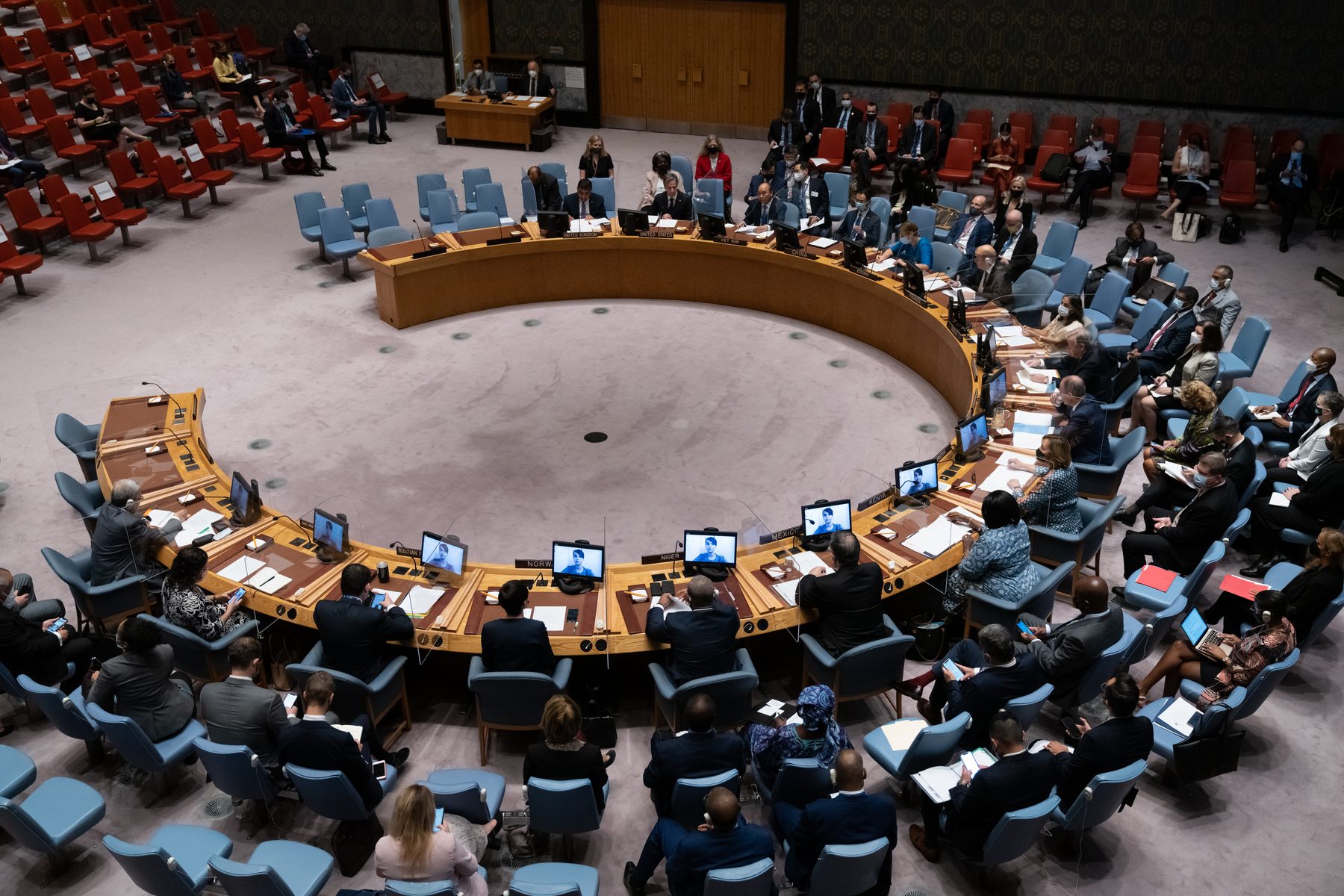
The United Nations delivered its bleakest assessment of Yemen in years on Friday, as the Security Council was told the country has “fallen back into full-scale war.” The briefing was led by UN Special Envoy Hans Grundberg, alongside Assistant Secretary-General for Humanitarian Affairs Mohamed Yahya and a civil-society representative focused on child protection. Greece, which holds the Council presidency, chaired the public session before members moved into closed consultations.
What the Security Council heard
Grundberg's central warning was that the restraint associated with the 2022 truce no longer describes conditions on the ground. UN News framed the September Houthi offensive as having “sharply escalated the 12-year-long war,” while the spillover from the wider United States-Iran confrontation was described as provoking “a new displacement crisis.” Those formulations matter because they mark a shift from warnings about a fragile pause to an assessment that sustained nationwide conflict has resumed.
The humanitarian picture presented to the Council was equally severe. More than 200,000 people have been displaced in the renewed fighting, according to the UN account, while cholera is surging, child casualties are rising and hunger is deepening. Briefers pressed for measures that could keep the Yemen front from feeding a wider regional conflict. Threats to Red Sea shipping were also on the table, connecting local battlefield decisions to commercial routes used far beyond the Middle East.
Mocha, Taiz and the battle map
Yemeni government forces said they recaptured Mocha in an operation announced on October 5. The Houthis denied that claim, and independent verification of control in the port was not available. The dispute follows the Houthi capture of Mokha around September 10 and underlines how quickly the front line can become both a military contest and an information war.
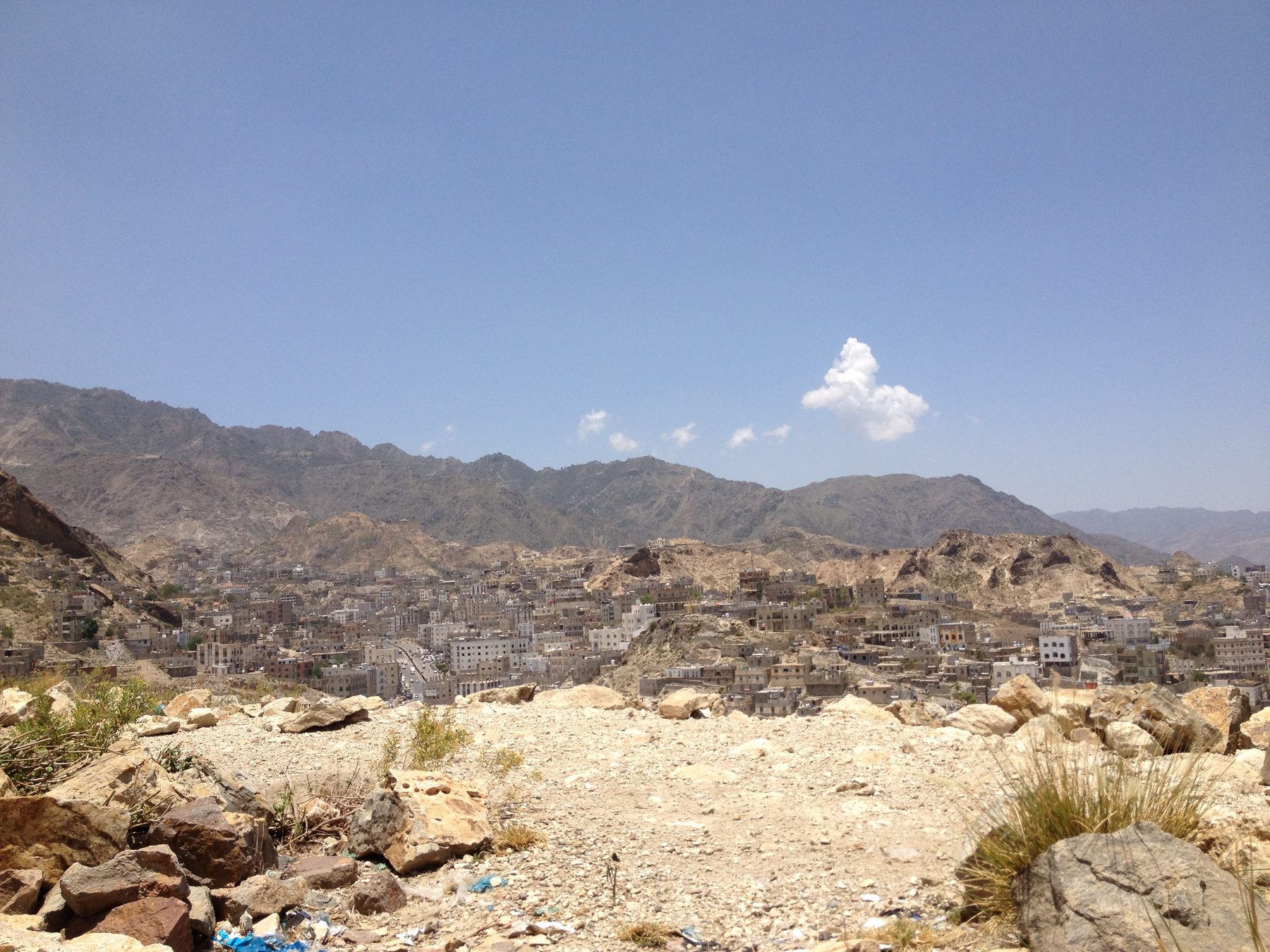
Mocha's value is geographic as much as symbolic. The port sits near Bab al-Mandab, the narrow passage linking the Red Sea with the Gulf of Aden. Control of the surrounding coast creates leverage over supply routes inside Yemen and raises the perceived threat to international shipping. Farther inland, fighting has intensified around Taiz between Iran-backed Houthi forces and Saudi-backed government forces, with combat also spreading through parts of Hudaydah.
The ground battles are tied to a cross-border campaign. Houthi missile and drone strikes on Saudi airports and energy infrastructure continued this week, while the Saudi-led coalition mounted counter-operations. For more on that escalation, read our reports on the Security Council's condemnation of Houthi attacks, the coalition's pledge of full operational support, and the latest Houthi strikes on Saudi airports.
Why this matters
A formal UN assessment that the post-2022-truce period has ended changes the assumptions behind both aid planning and ceasefire diplomacy. Humanitarian agencies must plan for moving front lines, larger displacement and disrupted access rather than a low-intensity standoff. Diplomats must decide whether the old truce framework can be repaired or whether negotiations now need an entirely new starting point.
It also changes how Saudi Arabia, Iran and the United States calibrate risk. Yemen is no longer isolated from the wider U.S.-Iran confrontation; it has become one of its active theaters. The Red Sea is a global trade artery, and even an unfulfilled threat can raise insurance costs, divert vessels and lengthen delivery times. A cholera surge and more than 200,000 newly displaced people indicate a humanitarian system already pushed beyond its margin for another emergency.
Cross-border airport strikes carry the cost of the war directly into Saudi Arabia. That is especially sensitive as Riyadh prepares to host global oil chiefs within days, placing its economic-diversification showcase alongside visible questions about aviation security, energy infrastructure and regional deterrence.
How we got here
The 2022 truce produced Yemen's lowest level of violence in years, even after its formal expiration. It reduced cross-border attacks and allowed front lines to harden into an uneasy pause. That period depended less on a comprehensive political settlement than on the major parties deciding that renewed fighting carried more risk than restraint.
The Houthi offensive in September 2026 broke that calculation. Mokha fell around September 10, fighting spread around Taiz and Hudaydah, and October brought government counterclaims. At the same time, spillover from the U.S.-Iran war fused Yemen's civil conflict with a larger regional confrontation, giving every local action potential consequences for Saudi territory and maritime traffic.
Yemen's past offers a warning. The near-deal around Hudaydah in 2018 showed that negotiated pauses can stop a catastrophic battle, but incomplete implementation leaves the underlying contest intact. Truces have generally held only while every major side sees more advantage in pausing than in testing the front. That incentive has now reversed.
Who gains, who loses, what critics say
The Houthis gain bargaining leverage when an offensive and airport strikes force Riyadh and international governments to treat them as a regional power. Threats around the Red Sea provide an additional global pressure point. Yet that leverage comes with heavier airstrikes, economic isolation and mounting civilian costs in Houthi-held territory.
The Saudi-backed government can gain sympathy and a rallying moment from its reported Mocha advance, but the displacement and cholera crisis also unfold under its claim to national authority. Saudi Arabia faces a direct challenge to its aviation network and investment narrative. The United States, meanwhile, risks being pulled further into an Iran confrontation through attacks and counterattacks that begin with Yemeni actors but do not remain confined to Yemen.
Critics of the UN process argue that Security Council briefings without enforceable consequences have become ritual. Defenders respond that sustained engagement is the only available path to a nationwide settlement and a mechanism for keeping humanitarian channels open. Both views confront the same immediate unknown: the reported government recapture of Mocha has not been independently verified, and the Houthis deny it.
The numbers, in context
The new displacement figure—more than 200,000 people—is a sharp wave layered onto the millions already displaced since 2014. That was the year Houthi forces took control of Sana'a, setting the roots of a war now entering its twelfth year. The latest cholera surge carries the memory of Yemen's 2016-2019 outbreak, widely described by humanitarian agencies at the time as the world's worst.
The cross-border campaign has now reached a third consecutive week of attacks on airports. Bab al-Mandab carries a significant share of global trade and energy shipments; disruption does not need to close the strait to have an impact. Threats alone can change routing, insurance premiums and shipping schedules, turning battlefield uncertainty into higher commercial costs.
What happens next
Three broad scenarios are taking shape. The first is escalation toward Bab al-Mandab, accompanied by heavier coalition air operations and direct disruption to Red Sea shipping. The second is stalemate: fronts freeze again, but missile launches, airstrikes and grinding local combat make “full-scale war” the new normal rather than a short-lived emergency.
The third is a diplomatic opening in which the Security Council briefing adds pressure for a renewed ceasefire push. But the old truce framework is in ruins; any agreement would have to be built largely from scratch and account for a regional confrontation that was not present in the same form in 2022.
The immediate indicators are the coalition's next move, independent confirmation or rejection of the Mocha recapture claim, and any new incident affecting Red Sea shipping. The window for preventing a wider regional war is narrowing, and the Council knows it.
Sources
Reporting reflects claims presented by the parties and the United Nations; disputed battlefield control is identified as unverified.