Ukraine Russia trilateral talks UAE
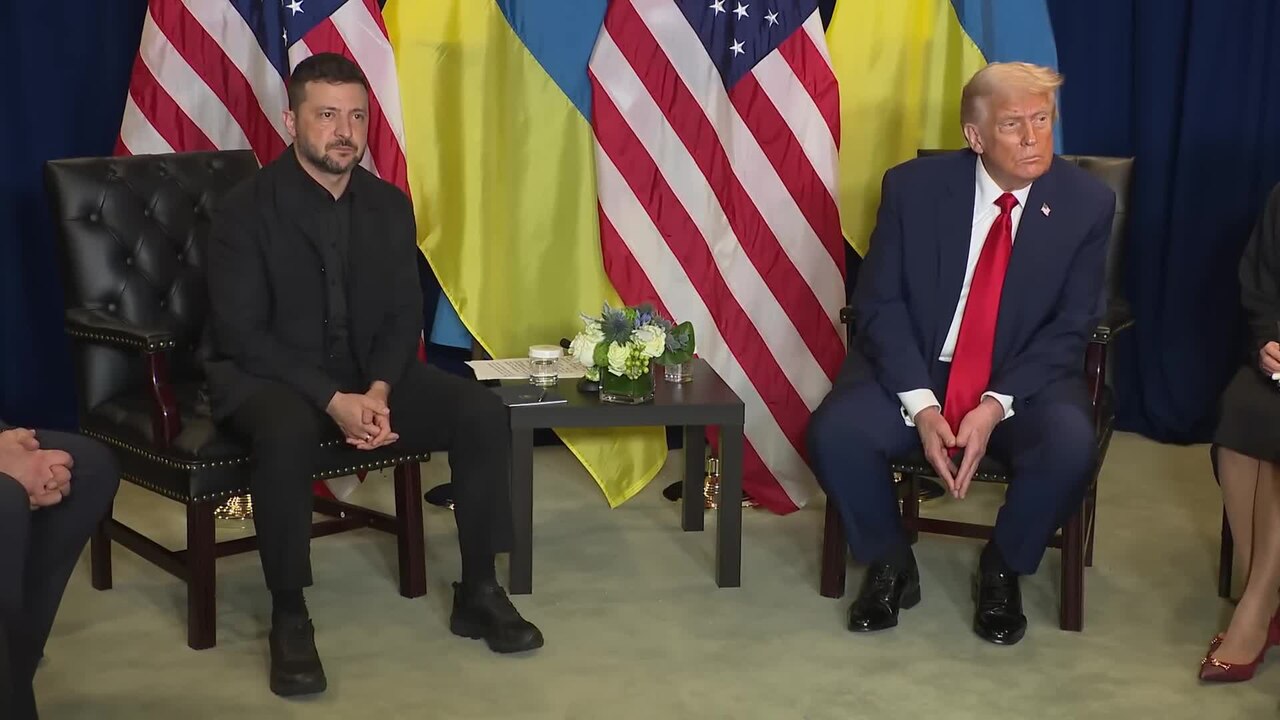
KYIV — The proposal for Ukraine Russia trilateral talks in the UAE is the clearest attempt yet to turn this week's United Nations diplomacy into a negotiating process. Ukrainian President Volodymyr Zelenskyy said Friday that the United States had suggested a technical-level meeting among Ukrainian, Russian and American representatives, with the United Arab Emirates as a possible host. Kyiv is waiting for Washington to propose a date.
The plan remains an opening rather than an agreement. No participant list, agenda, timetable or negotiating mandate has been announced. The Kremlin said a three-way meeting could happen soon, but that statement did not amount to acceptance of specific terms. The significance is narrower and still substantial: all three governments are publicly discussing the same format at the same moment.
What Washington proposed after the Zelenskyy–Trump UNGA meeting
Zelenskyy said the American side proposed a three-way meeting at a technical level after his talks with President Donald Trump on the sidelines of the U.N. General Assembly in New York. Ukrainian and U.S. negotiators then met to discuss details. According to Zelenskyy, Ukraine will brief European partners, the United States will speak with Russia, and the parties will return within ten days with either a new perspective or a result.
That sequence matters. Technical-level talks are designed to test what can be written down before leaders are asked to endorse it. They can define terms, expose incompatible assumptions and identify whether a limited first step is possible. They can also fail quietly. The proposed format therefore lowers the political cost of entering a room without pretending that a leaders' summit is ready.
The latest move follows an earlier debate over venue. On September 8, Zelenskyy said the Emirates, Switzerland, Türkiye or another country could host and named energy, grain exports and prisoner exchanges as possible subjects. The new U.S. proposal narrows the venue to the UAE while leaving the scope unresolved.
Why Abu Dhabi is being considered for Ukraine negotiations
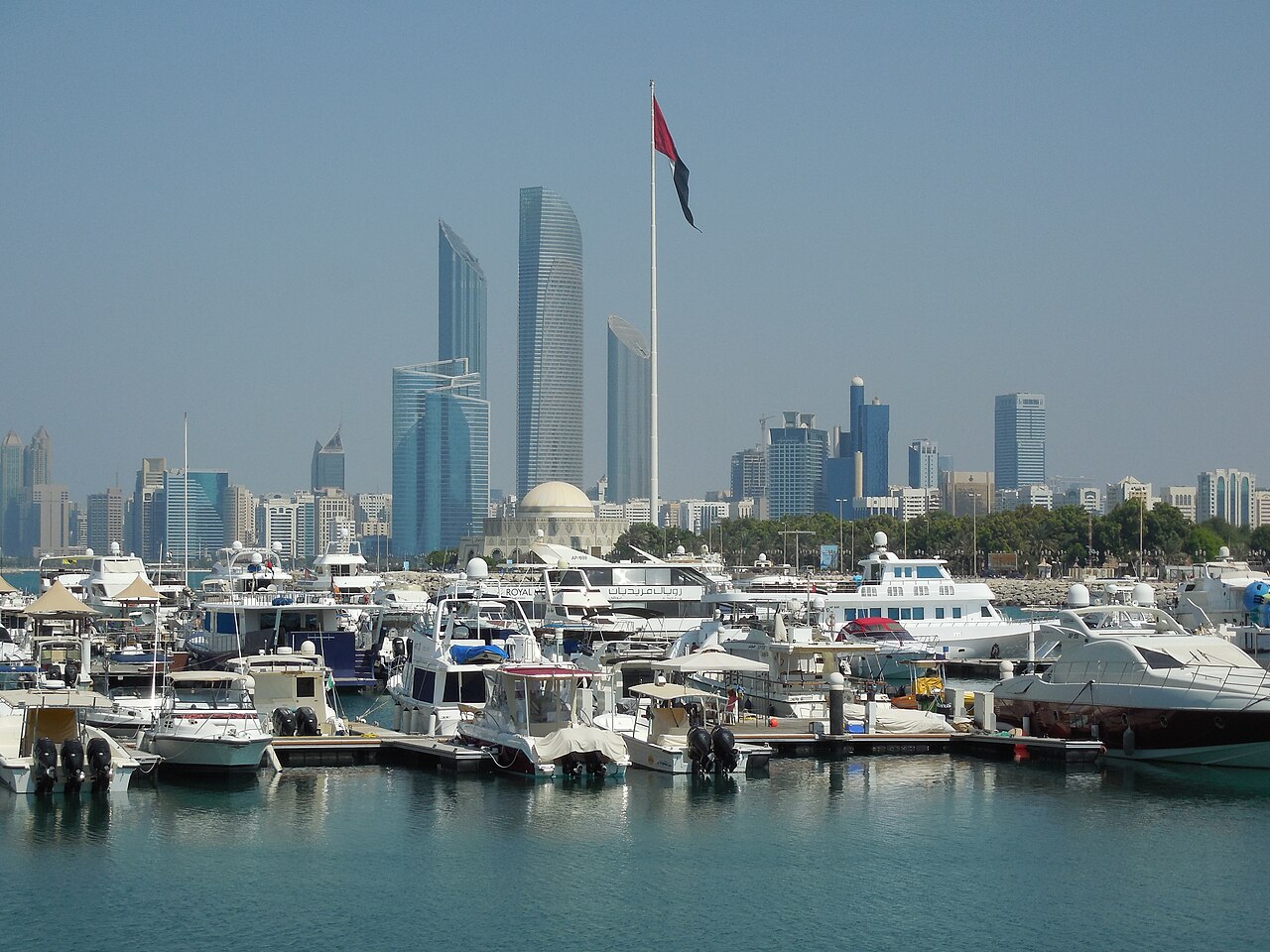
The Emirates offers practical advantages for a negotiation neither side wants framed as surrender. It has working relationships across Western, Ukrainian and Russian circles, is reachable by direct or short-haul travel from major diplomatic hubs, and can provide a secure setting without asking either delegation to travel to the other's territory.
Venue neutrality does not create policy neutrality. Every host must manage access, security, communications and the order in which delegations meet. Abu Dhabi can make talks possible; it cannot decide whether Russia and Ukraine are willing to narrow the gap over territory, security guarantees, sanctions, energy infrastructure or the timing of a ceasefire.
The ten-day deadline: what it does and does not mean
Zelenskyy's ten-day formulation is best read as a diplomatic review point, not a promise that the war will be settled in ten days. It gives Washington time to sound out Moscow, Kyiv time to consult European governments, and all sides a date by which they must explain whether the proposal produced movement.
A short deadline can prevent a process from disappearing into procedural delay. It can also encourage modest deliverables. An energy ceasefire, a prisoner-exchange mechanism or rules protecting commercial shipping would be easier to define and monitor than a comprehensive territorial settlement. None has been announced as the agreed agenda, and each would require reciprocal obligations and a way to verify violations.
The distinction between a result and a perspective is important. A result could be a meeting date or limited arrangement. A new perspective could simply mean that negotiators have identified the issue blocking progress. The language leaves room for diplomacy to continue without overstating what the ten-day window can produce.
Energy ceasefire and winter de-escalation
Zelenskyy said he was awaiting U.S. feedback, especially on efforts to de-escalate before winter. Energy infrastructure is the most immediate test because strikes on generation, transmission and fuel systems can turn military pressure into civilian hardship as temperatures fall.
A workable energy ceasefire would need more than a joint announcement. Negotiators would have to define protected facilities, decide whether fuel depots and dual-use infrastructure are covered, establish how attacks are attributed, and set consequences for violations. The unresolved design questions explain why technical experts are relevant even before senior political talks.
The battlefield remains an active constraint. The proposed meeting follows continuing attacks on Ukrainian cities, including the Kyiv drone strike that killed a 14-year-old boy. Diplomacy is unfolding alongside violence, not after it.
Territory, the Donbas and the hardest negotiating gap
Any comprehensive settlement would eventually confront territory. Russia occupies Ukrainian land and has demanded recognition of territorial changes that Kyiv rejects. Ukraine insists that its sovereignty cannot be traded away by outside powers. Those positions are not resolved by changing the venue or the level of representation.
Technical talks can still clarify the sequence: whether a ceasefire precedes territorial negotiations, what line would be monitored, who would provide security guarantees, and whether sanctions relief is tied to verified steps. The risk for Ukraine is a process that turns battlefield control into a presumed political outcome. The risk for Russia is a process that freezes the front without delivering recognition or relief.
The new proposal also marks a change from the deadlock described in our earlier report on the Kremlin's rejection of an unprepared trilateral summit. Moving first to experts is a possible answer to Moscow's stated demand for groundwork. Whether that explanation reflected a procedural concern or a bargaining tactic remains uncertain.
China, Trump and the wider diplomatic triangle
Zelenskyy said he asked Trump to raise the war with Chinese President Xi Jinping during Xi's U.S. visit. China matters because of its economic relationship with Russia, its permanent seat on the U.N. Security Council and its claim to support a negotiated settlement. Kyiv wants Beijing to use leverage that European governments do not possess.
That request does not make China a participant in the proposed UAE meeting. It shows that the three-way format sits inside a wider diplomatic network. Washington may be able to convene the room, but sanctions, energy trade, military supply and postwar security depend on decisions in European and Asian capitals as well.
Russia's hybrid attacks warning to Europe
Zelenskyy separately warned European partners that Russia would continue hybrid attacks and offered Ukrainian assistance. The Kremlin denies responsibility for acts of sabotage in European countries. These are competing claims, and attribution in cyberattacks, infrastructure incidents and covert operations often requires evidence that is not immediately public.
The warning is relevant to the negotiations because European governments will judge any de-escalation proposal against activity beyond the front line. NATO commanders have already cautioned that Russia's pressure can blend conventional military risk with sabotage, cyber operations and airspace incidents; our analysis of the NATO hybrid-war warning explains why Europe is unlikely to treat a narrow ceasefire as a complete security settlement.
Who gains, who risks losing
Ukraine gains a seat in the same format as Russia and the United States. That reduces the danger of a bilateral U.S.–Russia framework being presented to Kyiv after the fact. Ukraine's risk is pressure to accept a fast interim deal before its security guarantees are defined.
Russia gains direct access to U.S. negotiators without committing to a leaders' summit. Moscow can test sanctions, territorial and security proposals at lower political cost. Its risk is that participation weakens the argument that no negotiating conditions exist and increases pressure to produce a concrete response.
The United States gains ownership of the process. A meeting date or limited accord would support Washington's claim that it can move diplomacy. Failure after the ten-day deadline would make the administration responsible for explaining which party would not engage and why.
The UAE gains diplomatic relevance. Hosting would reinforce its role as a venue for difficult negotiations. It also carries reputational risk if the meeting becomes a photo opportunity with no follow-through.
Europe gains consultation but not a formal seat in the proposed room. Kyiv says it will brief European partners, yet governments providing military, financial and sanctions support will want influence over any arrangement that affects continental security.
What the numbers mean
- Three parties: Ukraine, Russia and the United States would be represented directly, reducing the risk that one combatant learns the terms secondhand.
- Ten days: a short deadline for testing whether a date, agenda or limited result is possible — not a realistic timetable for resolving the entire war.
- Technical level: the proposed meeting would involve negotiators and subject experts rather than automatically committing Zelenskyy, Putin or Trump to attend.
- Four and a half years: the approximate duration of the war since Russia's February 2022 full-scale invasion, underscoring how much accumulated military and political complexity sits behind a single meeting proposal.
What happens next
- Washington tests Moscow. The United States must determine whether Russia accepts the UAE format, who it would send and what subjects it is willing to place on the agenda.
- Kyiv consults Europe. Ukraine will need alignment on sanctions, security guarantees and any limited ceasefire that depends on European monitoring or support.
- The host question becomes concrete. A venue only matters once there is a date, an agreed level of representation and security arrangements.
- The ten-day review arrives. The public test will be whether the parties announce a meeting, a defined interim measure, a new negotiating channel or another stalemate.
The bottom line
The UAE proposal is meaningful because it converts a recurring demand for talks into a specific three-party format, a possible host and a near-term deadline. It is limited because none of the hardest questions — territory, security guarantees, sanctions, sequencing or enforcement — has been resolved. The next signal is not another statement that talks are possible. It is whether Washington produces a date and whether Kyiv and Moscow send negotiators empowered to discuss more than procedure.
Sources
- Reuters, September 25, 2026: U.S. proposal for technical-level trilateral talks in the UAE, the ten-day review and related statements from Zelenskyy and the Kremlin.
- AzerNews citing Interfax-Ukraine, September 8, 2026: earlier venue options and possible agenda items including energy, grain exports and prisoner exchanges.
Reporting cutoff: September 25, 2026. No date, participant list or agenda for the proposed meeting had been announced at publication. Statements are attributed to the governments that made them; assessments of leverage, risks and possible outcomes are Signal Post News analysis.