US invites Putin G20 summit
TopicsUS invites Putin G20 summitPutin G20 Miami December 2026Rubio–Lavrov meetingUkraine peace talks
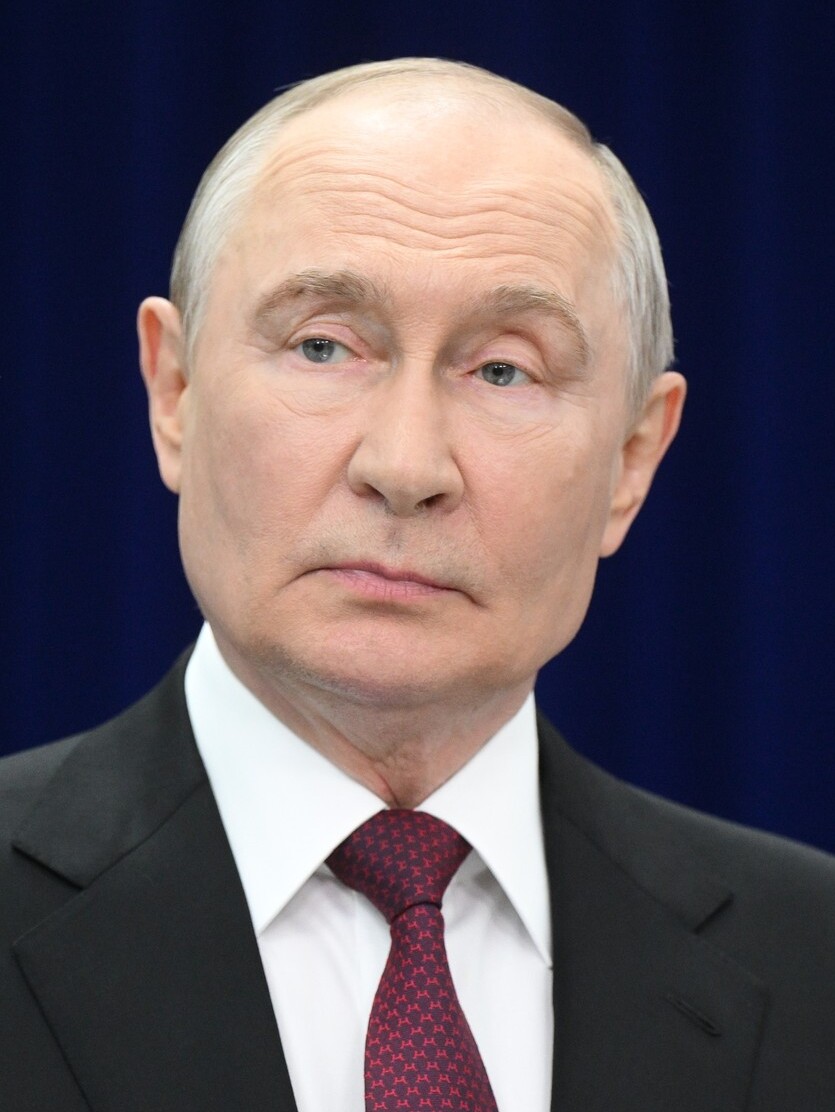
The US invites Putin to the G20 summit in Miami this December — and if he accepts, Vladimir Putin will walk into a room with the leaders of the world's twenty largest economies for the first time since 2019, at a resort owned by the man trying to end his war. Secretary of State Marco Rubio announced the invitation on Wednesday, September 23, moments after meeting Russian Foreign Minister Sergey Lavrov on the sidelines of the UN General Assembly in New York. “We think it's an opportunity for him to engage not just with the president, but with other world leaders,” Rubio said. “We hope that's an invitation he'll accept.”
What happened in New York
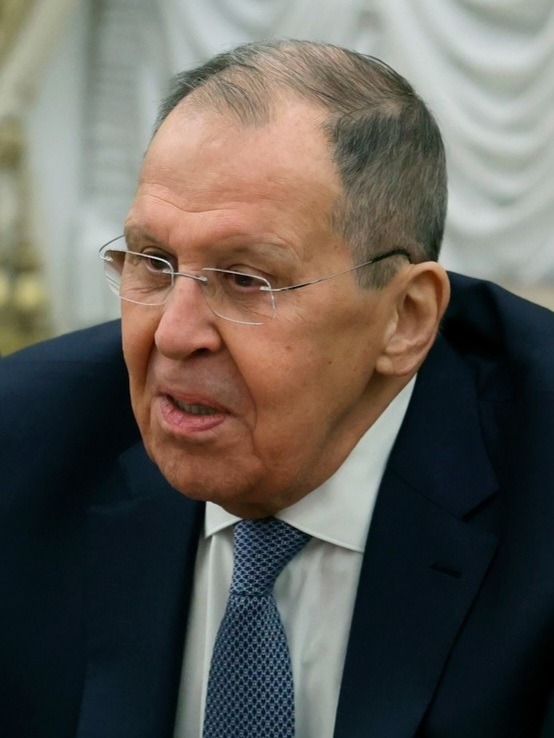
The announcement capped a carefully sequenced diplomatic day. Rubio met Lavrov on Wednesday morning — the State Department said only that the two “discussed the Russia-Ukraine war and the U.S.-Russia bilateral relationship,” and Rubio declined to give reporters details of the substance. “These meetings don't work very well with anybody if I leave the meeting and tell the media ‘this is what we talked about,’” he said. But the headline the administration chose to walk out with was unmistakable: the G20 invitation.
Rubio's fuller case for it was blunt: “In order to solve problems, you have to meet with people you disagree with or the people that you might have some issues with, so we've invited President Putin to the G20.”
It comes at the crest of an intensifying diplomatic push. Earlier this month, US envoys Steve Witkoff and Jared Kushner met with Putin in Moscow, then traveled to Kyiv carrying what President Trump described as a “concrete proposal” for a peace deal. On Tuesday, Trump met Ukrainian President Volodymyr Zelenskyy on the UNGA sidelines to discuss paths to peace and potential US military support for Ukraine. And after Wednesday's session with Lavrov, Rubio said Russia and Ukraine had both expressed interest in a limited ceasefire covering energy-infrastructure targets. “It's been a feature of every conversation that we had with them,” he said.
The venue is the message
The summit is set for mid-December in Miami, at President Trump's own Florida resort — Trump National Doral, the sprawling golf property the administration has chosen to host the G20 leaders. The administration is billing the gathering as being about “practical solutions, real outcomes, and American leadership that delivers prosperity, security, and strength at home and around the globe.”
Trump himself floated the idea back in April, telling reporters it would be “very helpful” if Putin came. “I go to these meetings of the G7, and about 90% of the meeting was talking about Russia and what's going on with Russia,” he said. “Why'd you throw them out? If they didn't throw them out, they would have been much better off.” At the time, he doubted Putin would actually show. The invitation suggests the White House now believes he might — or believes the gesture costs nothing if he doesn't.
The symbolism is impossible to miss. If Putin lands in Miami, it will be his first face-to-face meeting with Trump since their three-hour Anchorage, Alaska summit in August 2025 — the one that produced headlines and no Ukraine deal — and his first G20 since 2019, before the pandemic and before the full-scale invasion of Ukraine that has made him a pariah in Western capitals.

Why this matters — analysis
This is not how summits are usually invited. The G20 is a multilateral gathering, and the host government does not typically single out one leader for a special public invitation delivered by its top diplomat on the UNGA sidelines. Rubio's announcement was a deliberate piece of stagecraft with two audiences: Putin, who is being told the road back to the global table runs through engagement; and the rest of the G20, who are being told Washington intends to use its host year to center Ukraine diplomacy whether they like it or not.
The deeper bet is about leverage through proximity. Trump's team believes the Ukraine war ends when Putin is in a room with people whose opinion he needs — not just Trump, but the leaders of China, India, Brazil, Saudi Arabia, and the European powers. The G20 is one of the few tables where all of them sit together. Isolating Putin has not stopped the war in nearly five years; the administration is testing whether inclusion, on America's terms and at America's resort, might.
There is also a domestic clock running. Energy prices and the grinding cost of the war are straining the administration's promise of quick peace. A December summit with Putin in Miami would be either a crowning diplomatic achievement or a spectacularly public failure — and Trump has never been shy about taking that kind of bet.
Who benefits, who loses
The winners — potentially
Trump gets the image he has chased since Anchorage: the dealmaker flanked by world leaders, with Putin finally at his table. Rubio gets a legacy-defining diplomatic maneuver if the ceasefire talk turns into something real. And Putin — who has spent years excluded from Western-led gatherings — gets handed, without conceding a single inch of territory, the one thing sanctions and isolation were designed to deny him: legitimacy on the world stage, at the host's own golf resort.
The losers — potentially
Ukraine is the obvious risk. Zelenskyy has said he will travel to Florida to meet Putin if he comes — “meet, talk, and make decisions” — but a summit is not a negotiation table, and the last time Trump and Putin met for three hours, Kyiv got nothing. European leaders, meanwhile, get the invitation sprung on them: some will read a Miami photo-op with Putin as appeasement. And the G20 members who kept the seat warm for Putin's absence get to watch the club's norms rewritten around one bilateral relationship.
What the critics will say
Critics will argue the invitation rewards a leader under an International Criminal Court arrest warrant with red-carpet treatment at a Trump-owned property — a profit-and-prestige double-dip for the president's own business. Supporters will answer that the G20, unlike the G7, never expelled Russia, and that talking to adversaries is the literal job of diplomacy. Both sides are pointing at the same December.
The numbers behind the invitation
- 2019: the last G20 Putin attended in person, in Osaka, Japan — seven years before Miami.
- 2022: the year of the full-scale invasion; every G20 since has been held without him.
- 3 hours: the length of the August 2025 Trump–Putin Anchorage summit that produced no Ukraine deal.
- 20: the world leaders who would sit in the same room — including China's Xi Jinping, India's prime minister, and the leaders of the EU, Brazil, and Saudi Arabia.
- Mid-December: the window, roughly 11 weeks from the invitation.
- The energy angle: both Russia and Ukraine have reportedly expressed interest in a limited ceasefire for energy-infrastructure targets, per Rubio — a narrow deal that, if reached by December, would give the summit something real to celebrate.
What happens next — three scenarios
- Putin accepts. The December G20 becomes the most-watched summit in years. Trump gets his room, Zelenskyy gets his meeting, and the energy-infrastructure ceasefire — small, technical, mutually beneficial — becomes the plausible deliverable. Putin extracts the legitimacy of return; the question is what he gives up for it.
- Putin declines or sends a deputy. The Kremlin already telegraphed this option: earlier this year it said Putin “may go to Miami…or he may not go, or another Russian representative may go.” Moscow keeps the war's diplomatic posture unchanged — Peskov said Wednesday there are still “no prerequisites” for a peace track — and the invitation becomes a data point in Trump's ledger of Putin's intransigence, useful for the next pressure move.
- The summit happens with Putin, and nothing happens. This is the Anchorage precedent: three hours of pageantry, no deal. The risk is not just failure but the appearance of normalization without progress — a legitimizing photo-op that costs Ukraine leverage and costs the G20 its remaining coherence on Russia.
The bottom line
Rubio said it plainly: to solve problems, you meet with people you disagree with. The Miami invitation is the Trump administration's biggest application of that principle yet — a bet that seven years of absence have made Putin want the table more than he wants the war. On Wednesday, Putin was “ready and willing” to meet Trump, his spokesman said, without saying yes to anything. December will tell us whether the invitation was a masterstroke of diplomacy or the most expensive photo-op in summit history.
Sources
- The Wall Street Journal, Sept. 23, 2026: “U.S. Invites Putin to G-20 Summit at Trump Resort in Florida.”
- AFP, Sept. 23, 2026: “US invites Putin to attend G20 summit, Rubio says.”
- Washington Examiner, Sept. 23, 2026: “US invites Putin to G20 summit in Miami for first time since Russia-Ukraine war began.”
- Reuters, Sept. 23, 2026: Kremlin signals its stance on Ukraine peace talks remains unchanged.
Reporting cutoff: September 23, 2026, 11:45 a.m. Pacific time. Putin had not publicly accepted the invitation as of publication. Claims about private diplomacy and the positions of participating governments are attributed to the named officials and sources; the assessment of leverage, legitimacy and summit scenarios is Signal Post News analysis.