US Iran phased deal Hormuz
TopicsUS–Iran diplomacyStrait of HormuzEnergy securityUNGA 2026
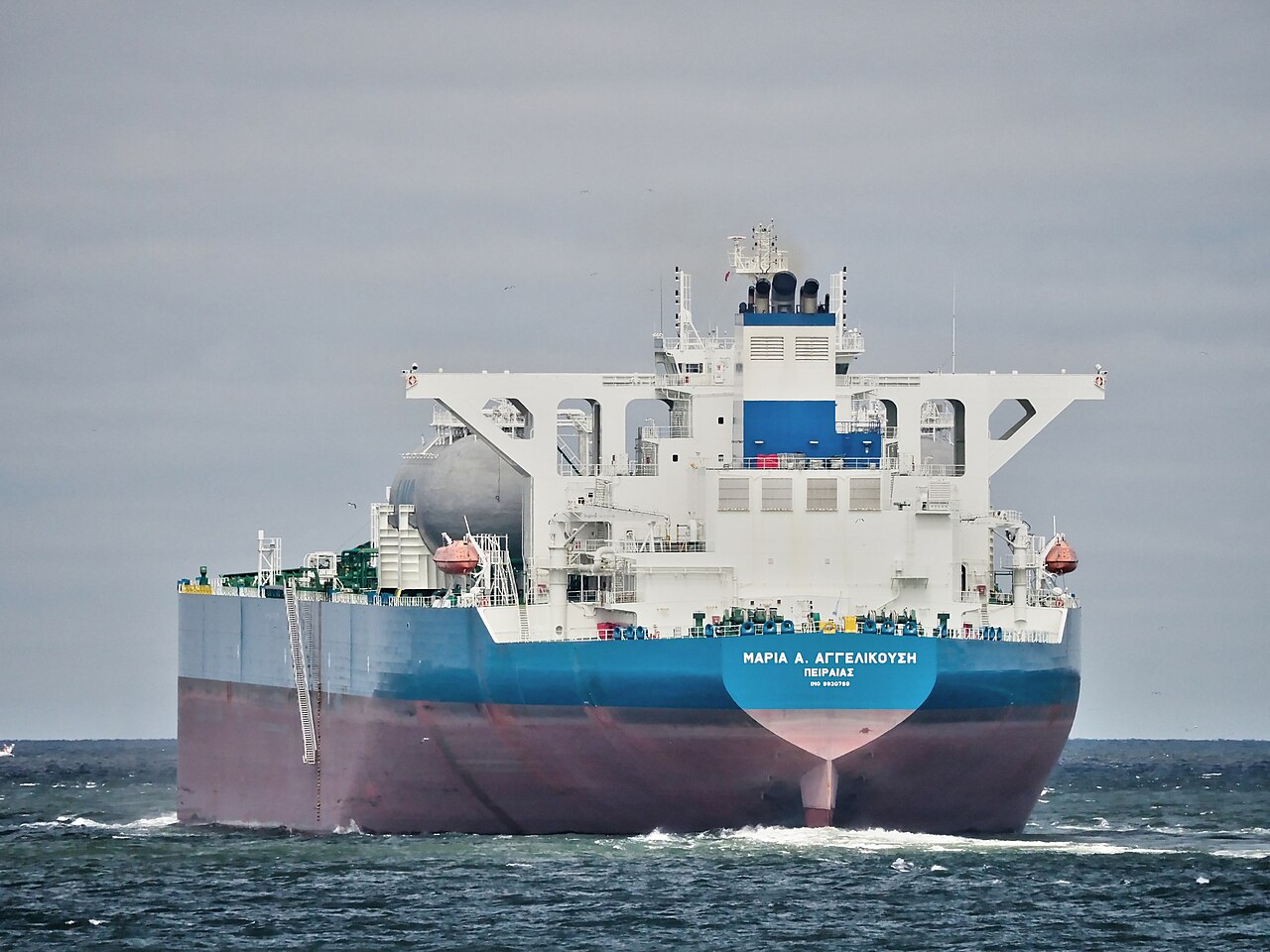
US Iran phased deal Hormuz discussions are emerging as the most concrete possible exit from a conflict now nearing seven months. Reuters reported on September 24 that negotiators are exploring a sequence in which Iran would reopen the Strait of Hormuz to navigation and the United States would lift its economic blockade of Iran. The account, based on two Iranian sources, two regional officials and two Western diplomatic sources, describes an idea under examination—not a deal that has been accepted, signed or implemented.
The attraction is obvious. Tehran wants relief from a blockade it says is choking its economy. Washington wants ships to move freely through the waterway that carried about one-fifth of global oil and petroleum consumption, and roughly one-fifth of liquefied natural-gas trade, before the conflict. Each side can offer something the other urgently needs. The problem is that neither wants to surrender its leverage first.
A senior Iranian official gave Reuters the clearest formulation: “One way forward would be to solve the crisis in stages. The first would be to end the blockade and reopen Hormuz.” The official said Tehran could also seek access to frozen assets. That language turns an expansive peace negotiation into a sequence of observable actions, but it leaves the central question unanswered: who moves first, how is performance verified, and what happens if the second step never comes?
What Reuters reported—and what remains disputed
Reuters reporters Samia Nakhoul, Parisa Hafezi and John Irish, working in New York during the United Nations General Assembly, described a phased arrangement as the most plausible route now being considered. Their sources said the strait had become the central bargaining chip. The United States is seeking restored commercial passage; Iran is seeking an end to maritime and economic pressure, potentially combined with access to funds frozen abroad.
The report also said President Donald Trump would have to accept another temporary fix after an earlier understanding collapsed in July. Washington previously described its approach as “performance-based,” tying American steps to Iran’s implementation. That principle can support sequencing, because each concession can depend on a measurable act. It can also make a deal brittle if each government uses a different definition of performance or reserves the right to reverse its move immediately.
Trump has said he believes a settlement could come after the November 3 congressional midterm elections. A senior European official told Reuters that the Iranians “have a very long list of demands.” The White House and State Department did not immediately respond to Reuters requests for comment. Those absences matter: there was no public joint text and no U.S. confirmation of agreed terms at the reporting cutoff.
Tehran's denial gets equal weight
The strongest pushback came from Iranian analyst Mohammad Ghaderi. In comments carried by ZeroHedge on September 24, he called the Reuters account “false,” said its purpose was “to control the price of oil,” and argued that no negotiations were taking place. He said Iran’s position remained that the United States must meet stipulated conditions in a single step, after which the strait would reopen under Iranian control.
That denial cannot be treated as a minor footnote. It directly contests both the existence of negotiations and the phased structure Reuters described. A senior Israeli official, in a separate assessment carried by i24, put the chance of a U.S.–Iran agreement as “small,” though not impossible. Taken together, the reactions underline how far the diplomatic story remains from a government-to-government announcement.
There are at least two plausible readings of Ghaderi’s intervention, and neither is established. It may reflect genuine opposition inside Tehran to giving up maritime leverage before all U.S. conditions are satisfied. Or it may be negotiating tactics: publicly deny flexibility, preserve control over the oil-price narrative and force Washington to bid higher. Iran’s political and security system can contain competing voices, but outside observers should not label a factional split without evidence. The responsible conclusion is narrower: authoritative public confirmation is absent and the terms remain disputed.
Why this matters
Strait of Hormuz reopening would change the price of risk
Hormuz is not merely one item in a long negotiating list. It is the world’s most consequential oil chokepoint and, in this conflict, the bargaining chip with the fastest global consequences. The U.S. Energy Information Administration estimated that 2024 and early-2025 flows through the strait represented more than one-quarter of seaborne oil trade and about one-fifth of global petroleum consumption. Around one-fifth of global LNG trade also passed through it, much of that from Qatar.
A credible reopening would affect markets before every tanker returned. Shipowners could schedule voyages with less fear of seizure or attack. Marine insurers could lower war-risk premiums if incidents declined and naval conditions stabilized. Refiners could reduce precautionary buying. Airlines, trucking firms and manufacturers would gain from a smaller fuel and freight shock. Central banks would see less imported inflation pressure.
That chain explains why a diplomatic headline can move crude immediately—and why Ghaderi accused the report of trying to manage prices. Oil near $100 still carries a large geopolitical premium. Signal Post News’s September 24 analysis of Wall Street’s yield shock showed how expensive energy is reinforcing inflation fears and expectations of tighter monetary policy. A real reopening would not instantly reverse prices already embedded in transport contracts or household bills, but it would remove a powerful source of further escalation.
US economic blockade Iran: the pressure behind Tehran's ask
The blockade constrains Iran’s ability to turn exports into usable hard currency. Lost oil revenue is only the first-round effect. Importers face fewer dollars and euros; businesses pay more for machinery and inputs; households see food and medicine become dearer; and the state has less room to finance civilian spending and a long war. The blog’s coverage of the Iranian rial’s record low documents how external pressure reaches ordinary purchasing power.
An Iran frozen assets release would offer Tehran a second form of relief. Access to funds held abroad can improve liquidity without requiring every sanction to disappear at once. For Washington, that makes frozen assets useful as reversible leverage: releases can be limited, monitored or staged. For Iran, however, partial access may look too fragile if the United States can suspend it after Tehran has already reduced pressure in the strait.
How the conflict reached this point
From the June ceasefire to the July collapse
A ceasefire reached in June broke down, and in July the United States reimposed a blockade on Iranian shipping in the Gulf. Tehran called that move a violation of the truce. An earlier understanding failed because reciprocal actions did not become durable enough to survive mistrust and renewed pressure. The lesson is not simply that temporary deals fail; it is that vague sequencing lets each side say the other defaulted first.
The July experience now shadows every proposal. Trump would have to accept another interim mechanism rather than a comprehensive settlement. Iranian officials would have to believe that opening navigation would bring economic relief that cannot be withdrawn on a political whim. American officials would have to believe Iran would not collect relief and then restore the Hormuz blockade. Verification has to be faster than accusation.
Pezeshkian UNGA Iran negotiations created a narrow channel
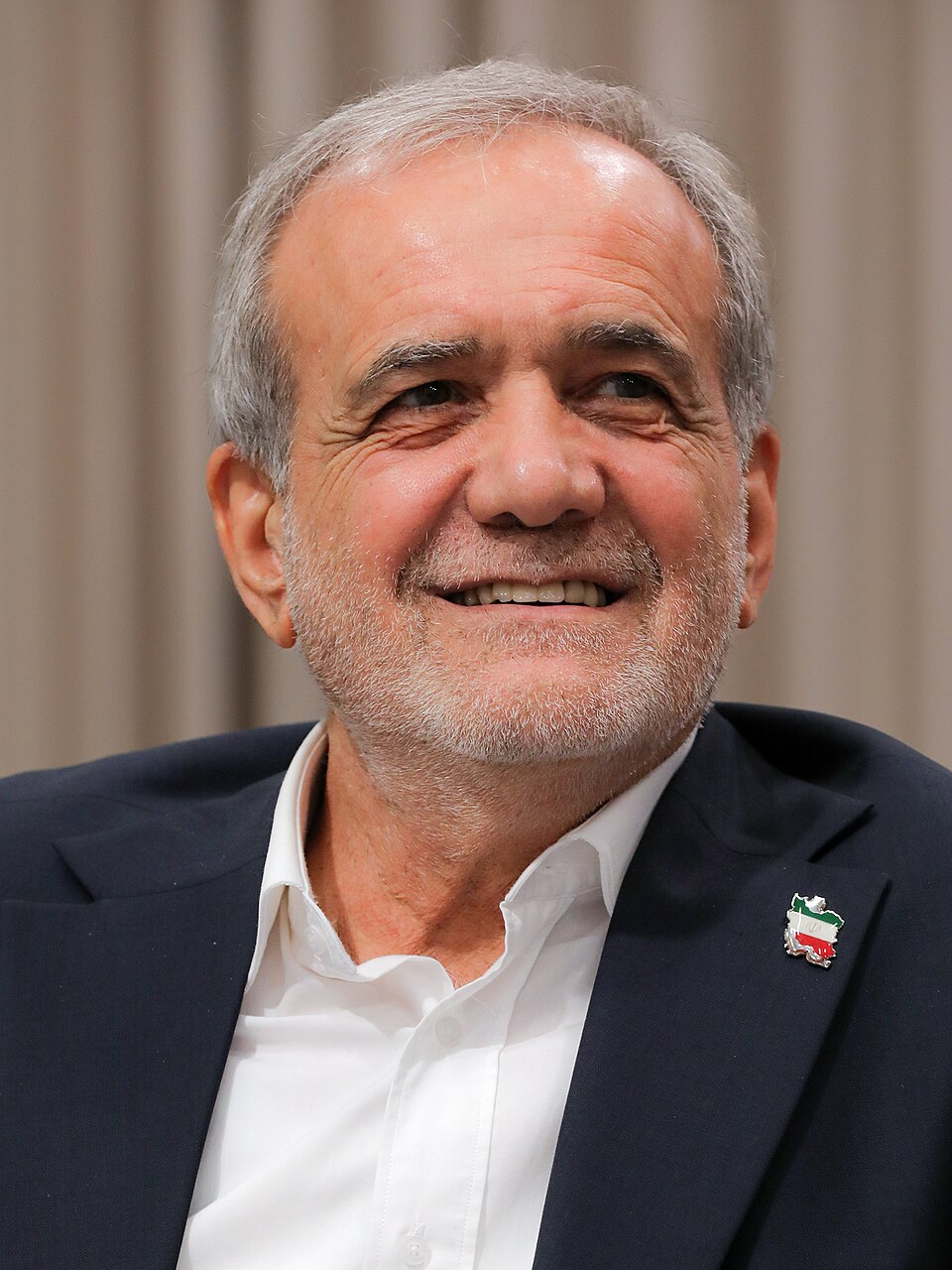
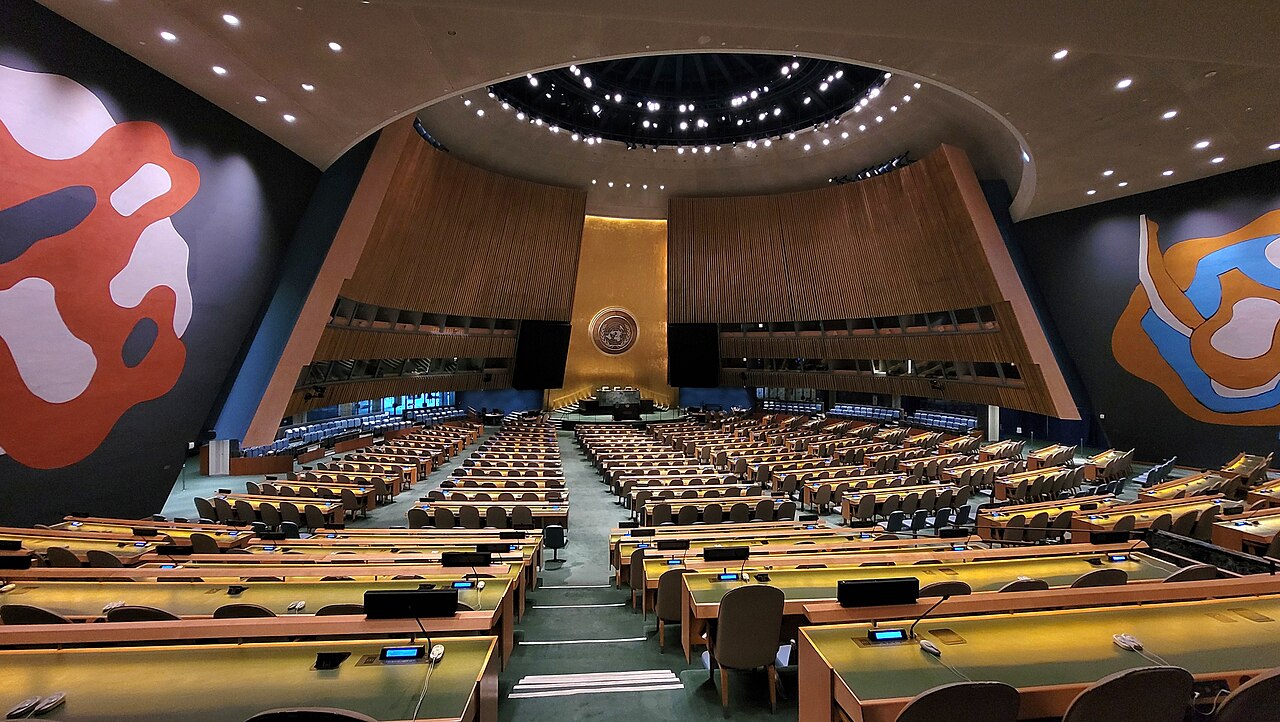
New York offered a setting where intermediaries could move between delegations without forcing either government into immediate direct talks. Signal Post News has tracked the mediator-led shuttle contacts, Trump’s account of three hours of exchanges, the earlier disputed seven-day reopening offer, and President Masoud Pezeshkian’s UNGA diplomacy. Together, those reports show contact and public positioning, not proof of a settled negotiating text.
The new Reuters account advances the story by supplying a possible mechanism. Instead of asking both sides to solve the nuclear file, sanctions, regional wars, shipping security and frozen funds in one agreement, it imagines a first exchange with immediate economic value. The danger is that reducing the agenda can postpone rather than solve the larger disputes.
Who gains, who resists and what the numbers imply
Winners from a Hormuz oil shipping blockade exit
Iran’s economy would gain first from restored access. Export revenue, foreign exchange and confidence could improve even before a comprehensive sanctions settlement. That does not erase years of inflation or currency damage, but it changes the direction of pressure.
Shippers and insurers would gain from predictability. The important measure is not a declaration but a sustained fall in incidents, delays and exceptional war-risk charges. Commercial confidence returns through repeated safe passages.
Oil-importing nations would gain through price and supply stability. China, India, Japan and South Korea were major destinations for Hormuz crude in the EIA’s prewar data. Europe and the United States would also benefit indirectly through global pricing, lower freight costs and reduced inflation pressure.
Trump could claim that pressure opened a negotiating path. A Trump Iran deal after midterms would also move the issue away from the immediate election calendar. But delay has costs: markets, civilians and military forces remain exposed while leverage is preserved.
Hardliners and allies may resist Iran sanctions relief September 2026
Iranian hardliners could see a phased arrangement as giving away the most visible instrument of deterrence for relief Washington can reverse. American critics could see blockade relief as surrendering enforcement before Iran changes its wider regional or nuclear posture. Israel’s skepticism reflects concern that an interim shipping bargain could stabilize Iran economically without settling the threats Israel considers most urgent.
There are also distributional losers in a successful reopening. Oil exporters benefiting from near-$100 crude could receive less revenue if the risk premium falls. Security actors on both sides lose influence when a commercial mechanism replaces military pressure. Yet those narrower losses must be weighed against the much larger civilian and global economic gains from reducing war risk.
Three paths from here
Scenario one: a durable sequence toward a post-midterms deal
In the constructive case, mediators set an explicit timetable. Iran permits defined categories of commercial traffic and publishes navigation assurances. The United States suspends specified blockade measures and authorizes a limited frozen-assets mechanism. An independent or mutually accepted monitoring process records compliance. Each successful step unlocks the next, creating evidence that reciprocity works before negotiations widen after November 3.
This would not by itself mean the US Iran war 2026 end had arrived. It would mean the parties had replaced an all-or-nothing demand with a testable process. Durability would depend on written triggers, dispute resolution and a way to contain violations without collapsing the entire arrangement.
Scenario two: a repeat of July
The second path is a temporary first step followed by conflicting accusations. Iran could reopen some traffic while Washington leaves parts of the blockade in place; Washington could ease restrictions while Iran maintains selective control or leaves insurers unconvinced. A military incident, sanctions action or disagreement over frozen assets then becomes the reason to reverse course. Oil prices would likely surrender their relief quickly because July has already taught markets that an interim understanding can disappear.
Scenario three: stalemate preserves both levers
The third path is no sequence at all. Iran keeps pressure on Hormuz, the United States keeps the blockade, and each waits for the other to absorb greater economic or political pain. Ghaderi’s denial becomes the public Iranian line; Washington retains performance-based conditions; and UNGA contact produces no operational change. This is rational in the narrow sense that neither side moves first, but costly in every broader sense—continued war risk, expensive energy, damaged trade and deepening stress inside Iran.
What would prove the US Iran phased deal Hormuz is real
Watch actions that can be independently observed: navigation notices, tanker movements, marine-insurance pricing, U.S. enforcement directives, licenses affecting Iranian trade, and any documented transfer or release of frozen funds. Matching public statements from both governments would matter, but an agreement becomes credible only when behavior changes and stays changed.
The most useful test is symmetry. If Tehran’s move is immediate and visible while U.S. relief is vague or delayed, Iran will say the sequence is unequal. If Washington suspends pressure while Hormuz remains selectively restricted, American officials will say performance never occurred. A durable bargain must make the first exchange close enough in time, value and reversibility that neither government appears to have surrendered.
For now, the evidence supports a bounded conclusion. Reuters has reported a serious, sources-based proposal for a phased route out of the conflict. Iranian-linked voices have denied that talks are occurring and rejected the premise of staged compliance. The strait is the leverage, not yet the peace. What happens next will be decided less by another dramatic headline than by whether negotiators can turn two reversible concessions into a sequence both sides trust.
Sources
- Reuters: U.S. and Iran discuss phased deal to reopen Hormuz and end the U.S. blockade
- U.S. Energy Information Administration: the Strait of Hormuz remains a critical oil and LNG chokepoint
- White House: official release on President Trump’s 2026 United Nations address
Reporting cutoff: September 24, 2026 at 11:45 a.m. PDT. Reuters’ account relies on unnamed diplomatic and regional sources; no joint agreement was public. Ghaderi’s denial and the Israeli assessment are presented as attributed reactions. Scenario judgments and market analysis are Signal Post News’s own synthesis.